Treat Itchy Flaky Scalp FAQ: Your Questions Answered


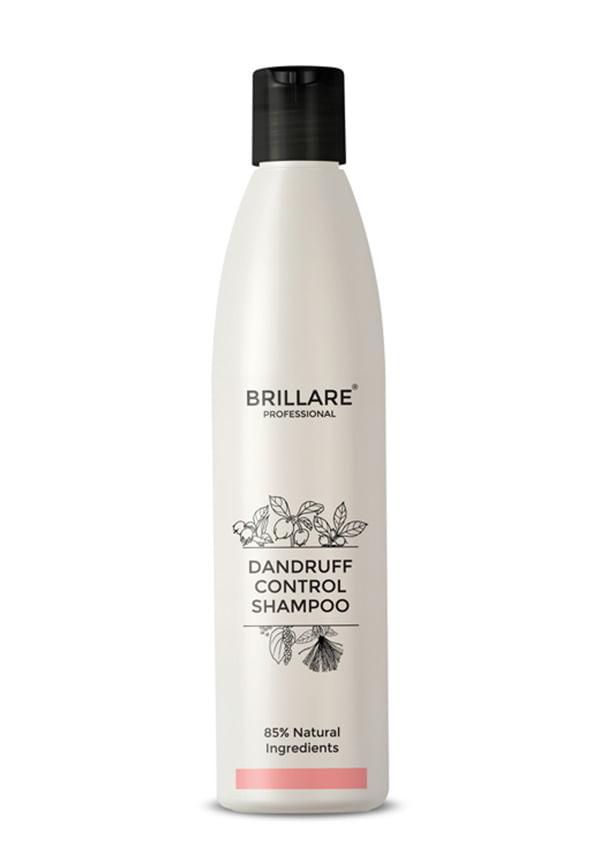
Dandruff Control Shampoo For Itchy, Flaky Scalp
You know that moment when your scalp feels like it's hosting its own personal sandstorm? The constant itch, the embarrassing flakes on your shoulders, the way you catch yourself scratching in public and immediately feel mortified. If you're dealing with an itchy, flaky scalp, you're definitely not alone—and more importantly, you're not stuck with it forever. Whether it's stubborn dandruff, dry winter skin, or something more complex like seborrheic dermatitis, there are real solutions that actually work. Let's dive into the most common questions about treating itchy flaky scalp conditions and get you the relief you've been searching for.
Real talk—understanding why your scalp is acting up is the first step to fixing it. Your scalp irritation could be coming from several different sources, and knowing which one you're dealing with makes all the difference in choosing the right treatment approach.
Seborrheic dermatitis is probably the most common troublemaker here. It's basically your scalp's way of overreacting to a naturally occurring yeast called Malassezia. This condition loves oily areas of your skin and can cause thick, yellowish flakes along with redness and intense itching. Unlike regular dandruff, seborrheic dermatitis tends to be more persistent and might affect other areas like your eyebrows or the sides of your nose.
Scalp psoriasis is another possibility, especially if you notice thick, silvery scales rather than just regular flakes. This autoimmune condition causes your skin cells to multiply way too quickly, creating those characteristic patches. It's often genetic and can be triggered by stress, infections, or certain medications.
Sometimes the issue isn't medical at all—it's just your routine or environment working against you. Dry air, especially during winter months, can leave your scalp feeling tight and flaky. Over-washing strips away natural oils, whilst under-washing allows product buildup and dead skin cells to accumulate. Even stress and hormonal changes can trigger scalp issues, which explains why your scalp might act up during particularly hectic periods.
When your scalp is driving you absolutely mad, you need solutions that work immediately. These emergency techniques can provide temporary relief whilst you work on longer-term treatment strategies.
A cool water rinse can provide immediate relief by reducing inflammation and temporarily numbing the itch sensation. Avoid hot water, which can actually make itching worse by further irritating already sensitive skin. Gentle scalp massage with your fingertips (never your nails) can help improve circulation and provide some relief, but be careful not to scratch or create more irritation.
Apple cider vinegar diluted with equal parts water can help restore your scalp's natural pH balance and reduce fungal overgrowth. The acetic acid has antimicrobial properties that can tackle some of the underlying causes of flakiness. Aloe vera gel straight from the plant (or a pure gel) provides cooling, anti-inflammatory relief that's particularly helpful for sensitive scalps.
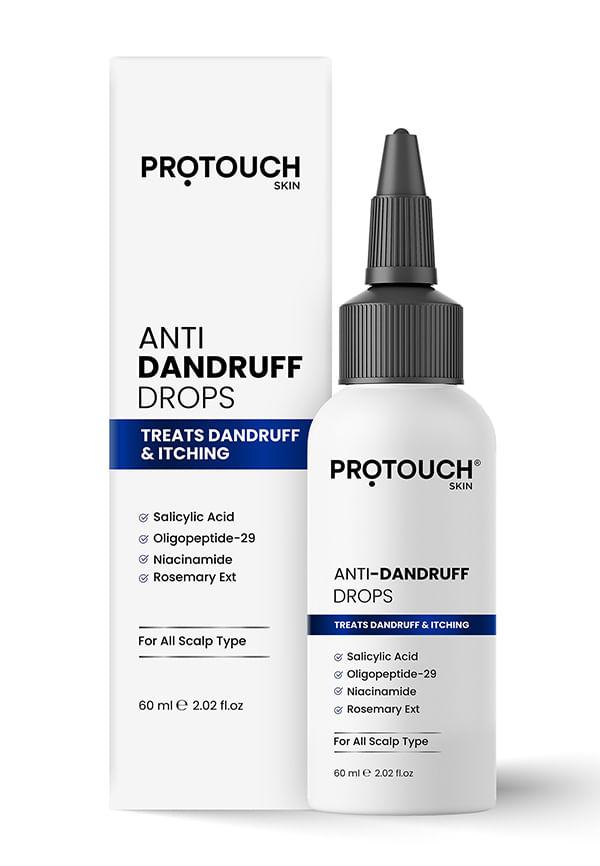
SKIN Anti Dandruff Drops Serum Soothes Itchy, Inflamed Scalp
Not all anti-dandruff shampoos are created equal, and understanding which active ingredients target your specific issue can save you time, money, and frustration. Here's what to look for when you're shopping for an itchy scalp shampoo.
Zinc pyrithione is your go-to for most dandruff solutions. It's antifungal and antibacterial, making it effective against the yeast that often causes flaky scalp conditions. You'll find this in many over-the-counter options, and it's gentle enough for regular use.
Selenium sulfide works particularly well for stubborn cases and helps slow down the rate at which your skin cells die and flake off. Ketoconazole is the heavy-hitter—it's an antifungal that's available both over-the-counter and by prescription for more severe cases of seborrheic dermatitis.
If medicated shampoos feel too harsh, look for sulfate-free formulations with natural anti-inflammatory ingredients like tea tree oil, salicylic acid, or niacinamide. These can provide relief without the potential irritation that comes with stronger active ingredients.
Different scalp conditions require different approaches, so let's break down the most effective treatment strategies based on what you're actually dealing with.
If your issue is simply dryness rather than a fungal condition, focus on moisturising and gentle care. Weekly oil treatments with coconut, jojoba, or argan oil can help restore moisture balance. Apply the oil to your scalp, massage gently, and leave it on for at least 30 minutes before washing with a gentle, sulfate-free shampoo.
Consider using a humidifier in your bedroom, especially during dry winter months. This helps maintain moisture in the air, which can prevent your scalp from becoming overly dry overnight.
This condition requires a more strategic approach since it tends to be chronic. Antifungal treatments are key, but you'll also need to identify and avoid your personal triggers. Common triggers include stress, certain foods (particularly those high in sugar), and harsh hair products.
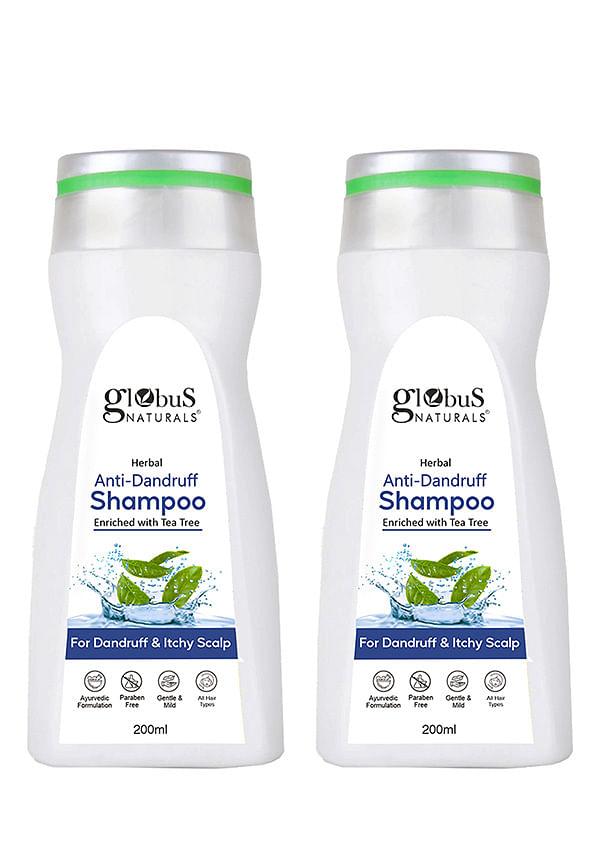
Anti Dandruff Shampoo, For Dandruff and Itchy Scalp
Establish a maintenance routine using medicated shampoos 2-3 times per week, alternating with gentle, moisturising shampoos. Consistency is crucial—many people make the mistake of stopping treatment as soon as symptoms improve, only to have them return.
If you prefer natural approaches or want to complement medical treatments, several home remedies have shown real promise for scalp care.
Coconut oil has natural antifungal properties and can help moisturise dry scalps. Warm it slightly for easier application, massage into your scalp, and leave on for at least an hour before washing out. A baking soda paste (mixed with a small amount of water) can help exfoliate dead skin cells and reduce buildup, but use this sparingly as it can be drying.
Tea tree oil is probably the most researched natural antifungal for scalp issues. Always dilute it properly—add 5-10 drops to a tablespoon of carrier oil like coconut or jojoba. Peppermint oil provides a cooling sensation that can temporarily relieve itching, whilst lavender oil has anti-inflammatory properties that may help reduce scalp irritation.
Once you've got the immediate symptoms under control, focus on prevention and maintenance to keep your scalp happy long-term.
Find your sweet spot for washing frequency—this varies from person to person, but most people with scalp issues do best washing every other day or every two days. Over-washing can strip natural oils, whilst under-washing allows buildup that can worsen symptoms.
When you do wash, focus the shampoo on your scalp rather than the length of your hair. Massage gently with your fingertips, never your nails, and rinse thoroughly to prevent product buildup.
Your diet can impact scalp health more than you might think. Foods rich in omega-3 fatty acids, zinc, and B vitamins support healthy skin and may help reduce inflammation. Staying hydrated is equally important—dehydration can worsen dry scalp conditions.
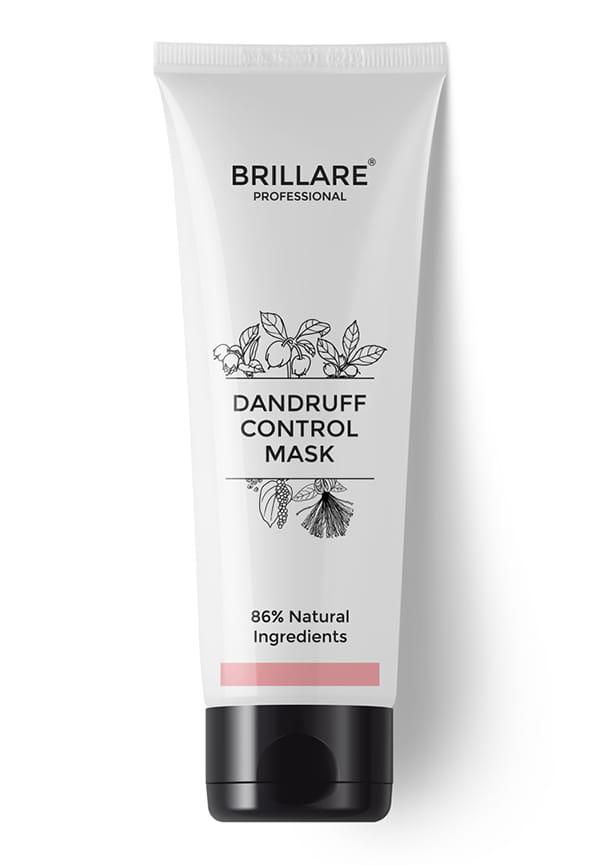
Conditioner For Itchy, Flaky Scalp
Stress management isn't just good for your mental health; it can significantly impact scalp conditions like seborrheic dermatitis and psoriasis. Regular exercise, adequate sleep, and stress-reduction techniques can all contribute to better scalp health.
Nighttime itching often feels worse because you're not distracted by daily activities, making you more aware of the sensation. Additionally, your body's natural circadian rhythms can affect inflammation levels, and lying down can increase blood flow to your scalp. Try using a silk or satin pillowcase, which creates less friction than cotton and can help reduce irritation.
Most people start seeing improvement within 2-4 weeks of consistent treatment, but complete resolution can take 6-8 weeks or longer for chronic conditions. The key is consistency—don't give up if you don't see immediate results. If you haven't noticed any improvement after 6 weeks of proper treatment, it's time to consult a dermatologist.
Absolutely. Deficiencies in zinc, B vitamins (particularly biotin and B6), and omega-3 fatty acids can all contribute to scalp issues. Iron deficiency can also affect scalp health. If you suspect nutritional deficiencies, consider getting blood work done and discuss supplementation with your healthcare provider.
Consult a dermatologist if your symptoms persist despite 6-8 weeks of consistent treatment, if you develop thick, scaly patches, if you notice hair loss, or if the condition spreads to other areas of your body. Also seek professional help if you experience severe itching that interferes with sleep or daily activities.
Try to resist the urge to scratch, as this can create micro-tears in your skin, leading to infection and potentially making the itching worse. Instead, try gentle massage with your fingertips, apply a cool compress, or use an anti-itch treatment. If you must touch your scalp, make sure your hands are clean and use your fingertips, never your nails.
Treating an itchy, flaky scalp isn't about finding one magic solution—it's about understanding your specific condition and building a consistent care routine that addresses the root cause. Whether you're dealing with simple dryness, stubborn dandruff, or a more complex condition like seborrheic dermatitis, the right combination of gentle care, targeted treatments, and lifestyle adjustments can make a real difference.
Remember that scalp health is an ongoing process, not a one-time fix. Be patient with your scalp as you find what works, and don't hesitate to seek professional help if over-the-counter solutions aren't cutting it. Your scalp deserves the same attention and care as the rest of your skin—and with the right approach, those itchy, flaky days can become a thing of the past. Not sure which scalp treatment might work best for your specific concerns? Smytten offers trial-size versions of many scalp care products from trusted brands, letting you test different approaches before committing to full-size bottles.
