Tips for Restoring Hair FAQ: Your Guide to Healthy Hair

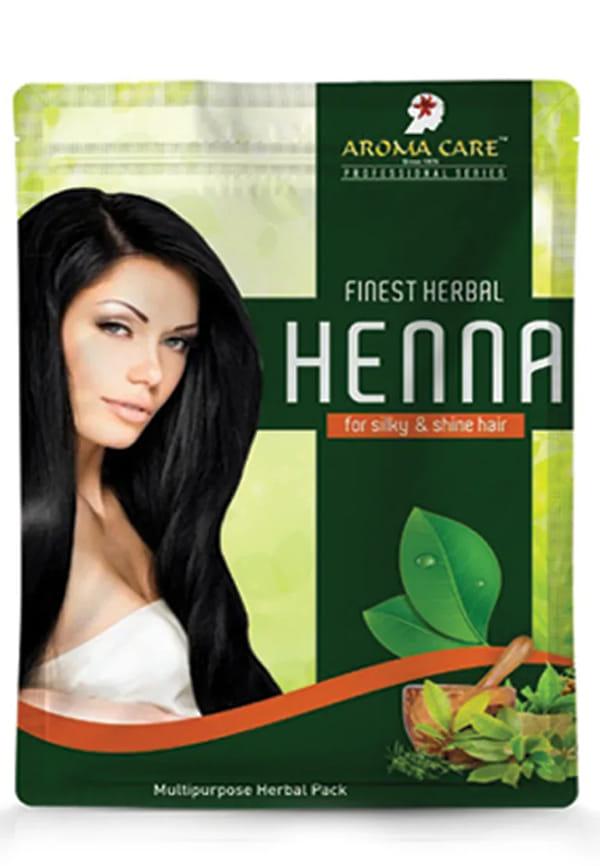
Finest Herbal Henna
You know that moment when you catch your reflection and realise your hair isn't quite what it used to be? Maybe it's the way it feels thinner when you run your fingers through it, or how those once-bouncy curls now look a bit lifeless. Hair changes can sneak up on us, and suddenly we're googling everything from miracle oils to wondering if we need professional help. The good news? Most hair concerns can be addressed with the right approach, and understanding what your hair actually needs is half the battle won.
Before diving into solutions, let's get real about what causes hair to lose its mojo in the first place. Hair damage isn't just about split ends—it's a complex mix of factors that can leave your strands looking and feeling less than their best. Heat styling, chemical treatments, environmental stress, and even your daily hair tie can contribute to weakened hair structure over time.
The thing about hair repair is that it's not quite like healing a cut on your skin. Once hair is damaged, you can't technically "heal" it back to its original state since hair is essentially dead protein. What you can do is strengthen what's there, prevent further damage, and create the best possible environment for new, healthy hair growth. This is where targeted damaged hair treatment comes into play.
Your hair goes through natural growth cycles—anagen (growth), catagen (transition), and telogen (resting). Understanding this helps set realistic expectations for any hair restoration journey. Most people lose 50-100 hairs daily as part of this natural cycle, so don't panic if you notice some shedding during your restoration process.
Hair breakage solutions start with recognising what you're dealing with. Breakage typically happens mid-shaft and creates uneven, shorter pieces, while natural shedding comes from the root with the little white bulb attached. If you're seeing more breakage than usual, your hair might be crying out for some strengthening support.
Let's talk about some tried-and-true natural hair care methods that actually work. Scalp massage isn't just relaxing—it genuinely helps improve blood circulation to hair follicles, which can support healthier hair growth. Spend five minutes each day gently massaging your scalp with your fingertips, or invest in a scalp massage tool if that's more your vibe.
Essential oils have earned their reputation in hair growth remedies for good reason. Rosemary oil, in particular, has been shown in studies to be as effective as some conventional treatments for promoting hair growth. Mix a few drops with a carrier oil like jojoba or coconut oil before applying to your scalp. Peppermint oil can also create a tingling sensation that many find helps with circulation.
Your diet plays a bigger role in hair health than you might think. Protein is crucial since hair is primarily made of keratin, a type of protein. Iron, biotin, and omega-3 fatty acids also support healthy hair growth from the inside out. Think eggs, salmon, spinach, and nuts—basically, the good stuff your body loves anyway.
Start with realistic expectations and a consistent approach. Week one might focus on gentle scalp care and reducing heat styling. Week two could introduce nourishing masks and oils. By week three, you're building habits that support long-term hair health rather than looking for overnight miracles.
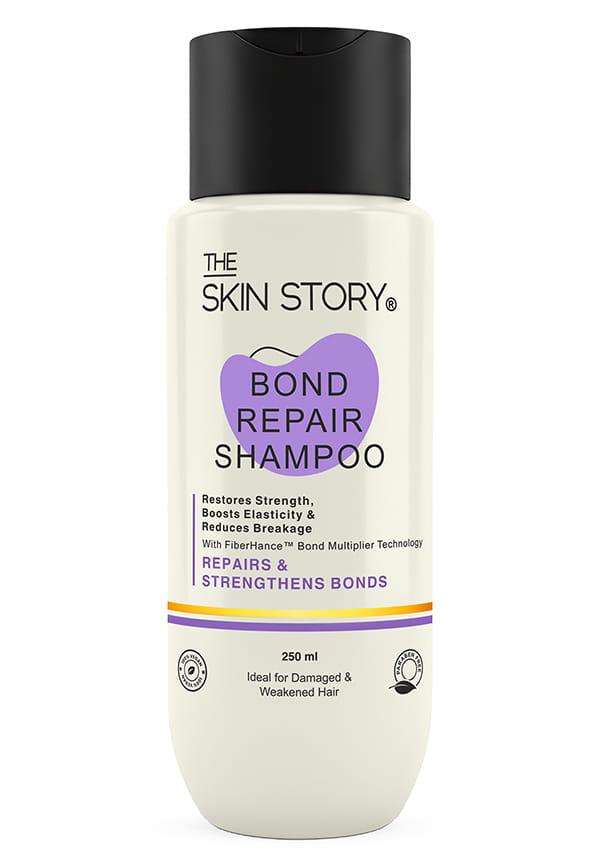
Professional Bond Repair Shampoo For Damaged Hair
When it comes to hair restoration products, ingredients matter more than fancy packaging. Look for products containing peptides, which can help strengthen hair structure, or niacinamide, which supports scalp health. Keratin treatments and protein masks can temporarily fill in gaps in damaged hair cuticles, making hair feel smoother and stronger.
Hair strengthening doesn't happen overnight, but the right products can make a noticeable difference in how your hair feels and behaves. Ceramides help maintain moisture balance, while ingredients like panthenol (pro-vitamin B5) can improve hair's elasticity and shine. The key is finding formulations that work with your specific hair type and concerns.
Product application technique matters just as much as the product itself. When using strengthening treatments, focus on mid-lengths to ends where damage is typically most visible. For scalp treatments aimed at supporting growth, gentle massage helps with absorption and circulation.
If you're dealing with localised thinning or areas where hair seems particularly weak, targeted treatments can be worth exploring. Topical treatments containing ingredients like adenosine or caffeine may help stimulate the area, though consistency is key for any potential benefits.
Your daily routine sets the foundation for healthier hair over time. Start with gentle cleansing—overwashing can strip natural oils that protect your hair and scalp. When you do wash, focus shampoo on your scalp rather than the lengths of your hair, and always follow with a conditioner or hair conditioning treatment.
Heat protection is non-negotiable if you're serious about hair repair. Even if you're not using high heat, any thermal styling can contribute to cumulative damage over time. A good heat protectant creates a barrier that helps minimise moisture loss and protein damage from styling tools.
Weekly deep conditioning treatments can make a real difference in how your hair feels and looks. These more intensive treatments have time to penetrate the hair shaft and provide deeper nourishment than your everyday conditioner. Look for masks containing ingredients like hydrolysed proteins or natural oils.
Healthy hair tips often focus on what not to do as much as what to do. Avoid tight hairstyles that create tension on your hairline, be gentle when detangling (especially when wet), and consider sleeping on a silk or satin pillowcase to reduce friction while you sleep.
Hair restoration isn't one-size-fits-all. Hormonal changes, age, and even seasonal shifts can affect what your hair needs. Pay attention to how your hair responds to different products and techniques, and don't be afraid to adjust your approach as needed.
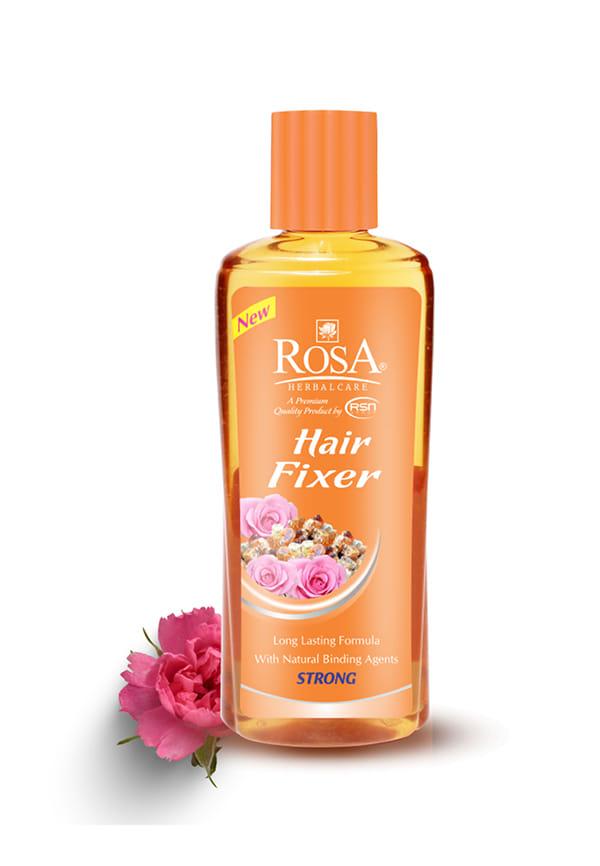
Hair Fixer strong with long lasting I For All skin I Natural & Herbal ingredients I For soft and smooth skin
Beyond basic care, there are some interesting developments in hair revitalisation worth knowing about. Red light therapy devices for home use have gained popularity, though results can vary between individuals. The theory is that specific wavelengths of light may help stimulate cellular activity in hair follicles.
Professional scalp treatments, from deep-cleansing facials for your scalp to micro-needling procedures, offer more intensive approaches to supporting scalp health. These aren't necessary for everyone, but they can be helpful for those dealing with more significant concerns.
Supplements specifically formulated for hair health have become increasingly sophisticated. While a balanced diet should provide most nutrients, targeted supplementation might help if you have specific deficiencies or increased needs due to stress, hormonal changes, or other factors.
Stress management isn't just good for your mental health—chronic stress can actually affect hair growth cycles and contribute to increased shedding. Finding healthy ways to manage stress, whether through exercise, meditation, or hobbies you enjoy, can indirectly support your hair restoration goals.
Sleep quality affects pretty much every aspect of health, including hair. During sleep, your body repairs and regenerates, including the cells responsible for hair growth. Aim for 7-9 hours of quality sleep and consider how your sleeping environment might affect your hair—rough pillowcases or tight sleep caps can cause unnecessary friction.
Environmental protection is often overlooked but can make a difference over time. UV exposure, pollution, and even hard water can contribute to hair damage. Consider protective styles when spending long periods in the sun, and if you live in an area with hard water, a clarifying treatment occasionally can help remove mineral buildup.
The most effective natural approach combines consistent scalp care, gentle handling, proper nutrition, and patience. Start with regular scalp massage, reduce heat styling, use nourishing oils like rosemary or jojoba, and ensure you're getting adequate protein and vitamins in your diet. Natural restoration takes time—typically 3-6 months to see noticeable improvements in new growth and hair quality.
Several factors contribute to increased hair concerns among younger people: higher stress levels from social media and academic pressure, frequent heat styling and chemical treatments, poor sleep habits, and diets high in processed foods. Additionally, early adoption of aggressive skincare and haircare trends without proper knowledge can sometimes backfire. The good news is that most of these factors are manageable with lifestyle adjustments.
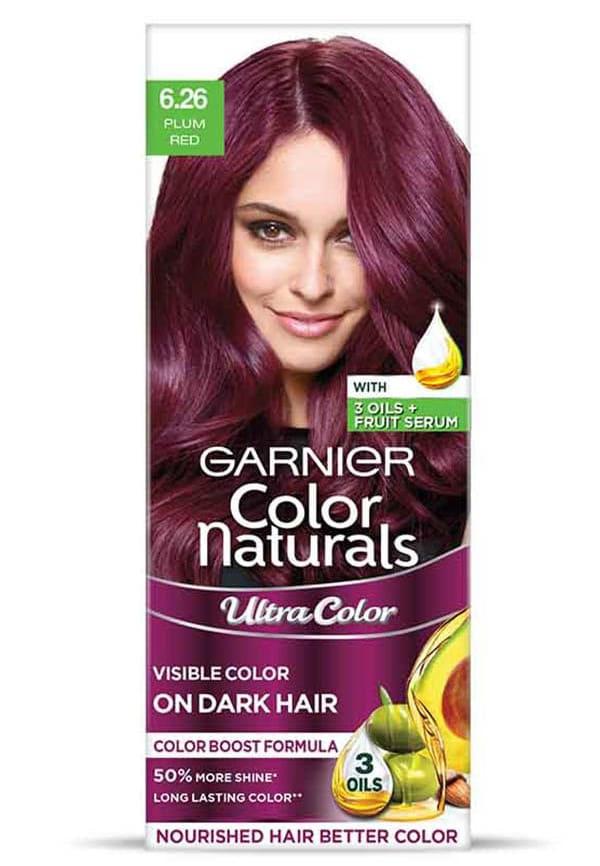
Color Naturals Ultra Shade
Hair loss caused by certain medications, including some cholesterol medications, is often reversible once the medication is discontinued or adjusted. However, this should always be discussed with your healthcare provider—never stop prescribed medications without medical guidance. Recovery typically takes 3-6 months after addressing the underlying cause, as hair needs time to complete its growth cycle.
Hormone replacement therapy can positively affect hair growth for some people, particularly those experiencing hair changes due to menopause or hormonal imbalances. Oestrogen can help maintain hair thickness and growth, while balanced hormones generally support healthier hair cycles. However, individual responses vary, and any hormone-related treatments should be discussed with a healthcare professional.
Realistic timelines depend on your approach and starting point. Improved hair texture and reduced breakage might be noticeable within 4-6 weeks of consistent care. New growth and increased thickness typically take 3-6 months to become apparent, since hair grows about half an inch per month. Significant changes in hair density or coverage can take 6-12 months of consistent effort.
While you can't technically "heal" damaged hair since it's not living tissue, you can significantly improve its appearance and prevent further damage. Protein treatments can temporarily fill in damaged areas, deep conditioning can improve texture and manageability, and protective styling can prevent additional breakage. For severely damaged hair, gradual trimming combined with intensive care often yields the best results.
Key nutrients for healthy hair include biotin (B7), iron, vitamin D, vitamin C, and omega-3 fatty acids. Protein is crucial since hair is primarily keratin. Zinc and selenium also play important roles. Rather than mega-dosing individual vitamins, focus on a balanced diet rich in whole foods, and consider a comprehensive multivitamin if you suspect deficiencies.
Price doesn't always correlate with effectiveness. Some drugstore products contain the same active ingredients as luxury versions, just with different packaging and marketing. Focus on ingredient lists rather than price tags—look for proven ingredients like peptides, ceramides, and natural oils. That said, some professional-grade products do offer higher concentrations of active ingredients or more sophisticated formulations.
Real talk—hair restoration is more marathon than sprint. The most effective approach combines understanding what's causing your hair concerns, choosing appropriate treatments for your specific situation, and maintaining consistency with whatever routine you develop. Whether you're dealing with breakage, thinning, or just want to improve your hair's overall health, small daily actions often yield better results than dramatic interventions.
Remember that everyone's hair is different, and what works brilliantly for your friend might not be your perfect match. Pay attention to how your hair responds to different ingredients and techniques, and don't be afraid to adjust your approach as you learn what works best for you.
If you're exploring different hair restoration products and treatments, Smytten's curated selection includes options from trusted brands like WishCare and Love Beauty & Planet, with trial-size versions available for many products. This way, you can test what works for your hair before committing to full-size purchases—particularly helpful when building a restoration routine that might involve several different products working together.
