The Ultimate Checklist for High Porosity Hair Needs


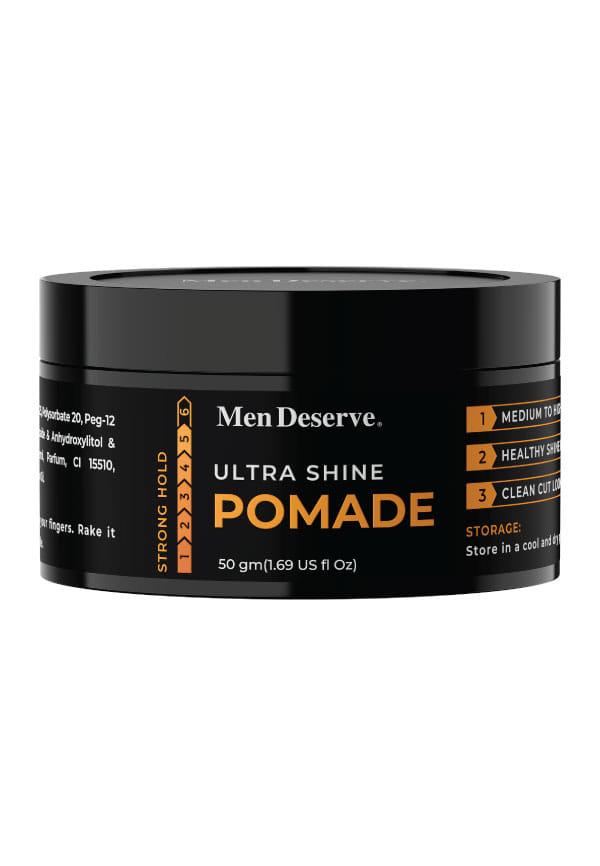
Hair Styling Ultra Shine Pomade for Strong Hold and Wet Look Hairstyle
You know that moment when your hair drinks up moisture like a sponge, only to feel dry and frizzy again within hours? If you're nodding along, you might be dealing with high porosity hair. It's one of those hair mysteries that leaves you wondering why your strands seem to have a mind of their own. The good news? Once you understand what high porosity hair actually needs, caring for it becomes so much easier. Let's dive into everything you need to know about keeping those thirsty strands happy and healthy.
High porosity hair is basically hair with cuticles that are raised or damaged, creating gaps that allow moisture to enter and escape quickly. Think of it like a house with windows that won't close properly – air flows in and out freely, making it hard to maintain a comfortable temperature inside.
The telltale signs are pretty obvious once you know what to look for. Your hair absorbs water quickly when wet but also dries fast. It tends to feel rough or bumpy to the touch, tangles easily, and often looks dull despite your best efforts. You might notice that hair products seem to disappear into your strands without much visible effect, and humidity makes everything go a bit haywire.
Several factors can lead to high porosity hair. Heat styling tools, chemical treatments like bleaching or relaxing, and even excessive sun exposure can damage the cuticle layer over time. Sometimes it's genetic – some people are simply born with naturally more porous hair. Environmental factors like hard water, pollution, and rough handling during washing or brushing can also contribute to increased porosity.
Want to confirm your suspicions? Try the classic hair porosity test. Drop a clean strand of hair into a glass of water and watch what happens. High porosity hair will sink quickly because it absorbs water fast. You can also try the strand test – run your fingers up a hair strand from tip to root. If it feels bumpy or rough, that's a sign of raised cuticles. The spray bottle test works too – mist a section of clean, dry hair with water. If it absorbs immediately, you're likely dealing with high porosity strands.
High porosity hair needs are quite specific, and understanding them is the first step towards healthier strands. The main challenge with porous hair care is that while your hair can absorb moisture easily, it loses it just as quickly. This creates a constant cycle of hydration and dehydration that can leave your hair feeling perpetually thirsty.
Moisture retention is your biggest priority. Unlike low porosity hair that struggles to absorb moisture, your hair drinks it up readily but can't hold onto it. This means you need products and techniques that not only hydrate but also seal that moisture in. Think of it as filling a bucket with holes – you need to plug those gaps while adding water.
Protein treatments become crucial for high porosity hair because damaged cuticles often mean compromised hair structure. Your strands need regular protein infusions to fill in the gaps and strengthen the hair shaft. However, balance is key – too much protein can make hair brittle and stiff.
Gentle handling is non-negotiable. Your hair cuticles are already compromised, so rough treatment will only make things worse. This means being extra careful during washing, detangling, and styling. Heat protection becomes even more important because high porosity hair is more susceptible to further damage from styling tools.
Learning how to moisturise high porosity hair effectively is like mastering a delicate balancing act. The key is layering products strategically to create a moisture barrier that actually lasts. The LOC method – Liquid, Oil, Cream – works particularly well for porous hair because it creates multiple layers of hydration and sealing.
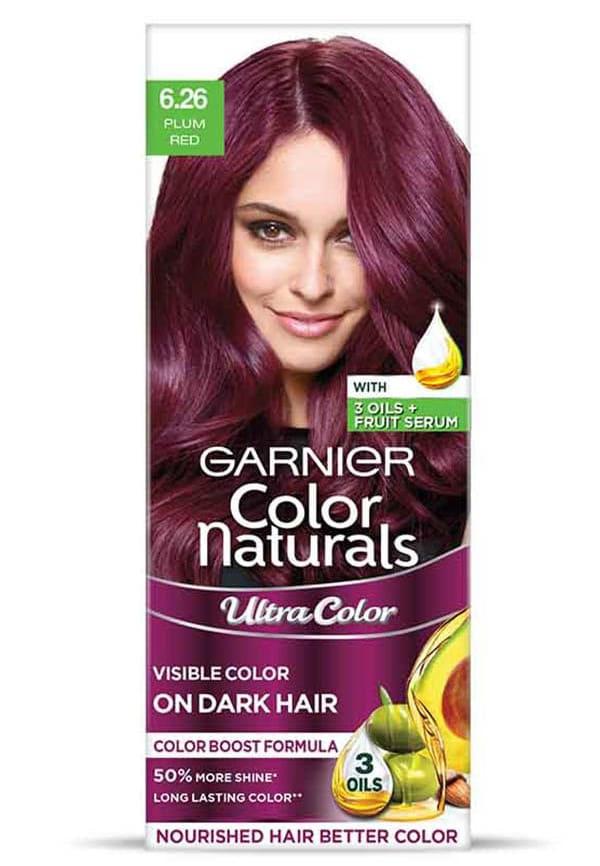
Color Naturals Ultra Shade
Start with a water-based leave-in conditioner while your hair is still damp. Follow with a penetrating oil like coconut or olive oil, then seal everything in with a heavier cream or butter. This technique helps trap moisture at different levels, giving your hair the best chance of staying hydrated throughout the day.
When it comes to high porosity hair products, ingredient lists matter more than fancy packaging. Look for heavy, creamy conditioners that contain ingredients like shea butter, coconut oil, and glycerin. These ingredients are excellent at both providing and sealing in moisture.
Deep conditioning masks should become your weekly ritual. Choose treatments that combine moisturising and protein-building ingredients. Hydrolyzed wheat protein, keratin, and silk amino acids are excellent for filling in damaged cuticle gaps without making hair feel stiff or crunchy.
Your shampoo choice is equally important. Sulfate-free formulas are gentler on already compromised cuticles. Look for cleansers that contain moisturising ingredients rather than harsh detergents that strip away what little natural oil your hair manages to retain.
Leave-in conditioners become your daily armour against moisture loss. Choose heavier formulations with ingredients like ceramides, which help repair the hair's natural barrier, and humectants like honey or aloe vera that draw moisture from the environment.
High porosity hair treatment products should focus on both immediate relief and long-term repair. Weekly protein treatments help rebuild damaged areas, while daily moisture sealers prevent further water loss. The key is finding the right balance for your specific hair needs.
The best oils for high porosity hair are those that can penetrate the hair shaft and provide lasting moisture. Coconut oil tops the list because its molecular structure allows it to actually enter the hair rather than just sitting on top. It's particularly effective at preventing protein loss during washing.
Castor oil is another powerhouse for porous hair. Its thick consistency makes it excellent for sealing, and its humectant properties help draw moisture from the air. Olive oil penetrates well and provides deep conditioning benefits, while jojoba oil closely mimics your scalp's natural sebum.
Creating a consistent high porosity hair routine is essential for maintaining healthy, hydrated strands. Your daily routine should focus on moisture maintenance and protection. In the morning, refresh your hair with a water-based leave-in conditioner, followed by a light oil to seal. Evening care should include protective styling to prevent moisture loss overnight.
Weekly routines for high porosity natural hair should include a thorough deep conditioning session. Pre-poo treatments with oils can help protect your hair during washing, while post-wash protein treatments help maintain structural integrity. Don't forget to sleep on silk or satin pillowcases to reduce friction and moisture loss.
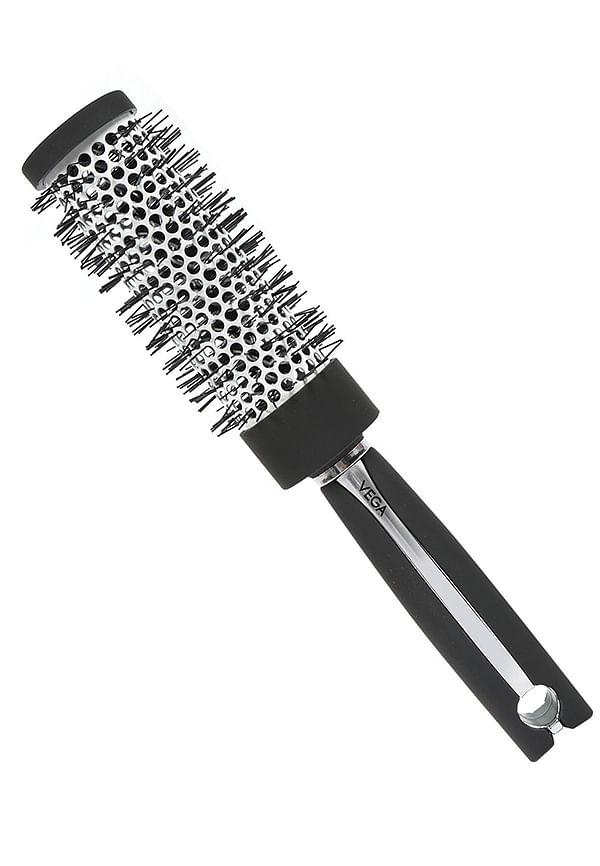
Hot Curl Brush Big
Monthly maintenance should include a more intensive protein treatment and a thorough assessment of your hair's condition. This is when you might need to adjust your routine based on seasonal changes or how your hair is responding to current products.
Seasonal adjustments are crucial for hair care for porous hair. Summer humidity might require lighter products, while winter dryness calls for heavier moisturisers and more frequent treatments. Pay attention to how your hair responds to environmental changes and adapt accordingly.
While professional treatments can provide intensive repair, many effective high porosity hair treatments can be done at home. DIY protein treatments using ingredients like eggs, yogurt, or gelatin can be surprisingly effective when used correctly. The key is understanding your hair's protein-moisture balance and adjusting treatments accordingly.
Professional salon treatments like keratin treatments or deep reconstructive services can provide more dramatic results, especially for severely damaged hair. However, these should complement, not replace, a solid at-home routine.
Knowing what not to do is just as important as knowing what to do. Harsh sulfates in shampoos can further damage already compromised cuticles. Heat styling without proper protection is particularly damaging to porous hair, as the raised cuticles make strands more susceptible to heat damage.
Over-processing with chemical treatments like bleach, relaxers, or frequent colouring can worsen porosity issues. Products containing drying alcohols (like denatured alcohol) should be avoided as they can strip away moisture that your hair desperately needs to retain.
Rough handling during washing, detangling, or styling can cause further cuticle damage. This includes aggressive towel drying, brushing wet hair without proper detangling products, and tight hairstyles that create tension on already fragile strands.
Environmental factors like excessive sun exposure, chlorinated water, and pollution can worsen porosity issues. Protecting your hair with UV-protective products, wearing hats in strong sunlight, and using clarifying treatments after swimming can help minimise additional damage.
High porosity hair needs consistent moisture and protein balance. The most critical requirement is moisture retention through proper sealing techniques and protective styling. Regular protein treatments help strengthen damaged cuticles, while heavy moisturisers and oils help maintain hydration levels throughout the day.
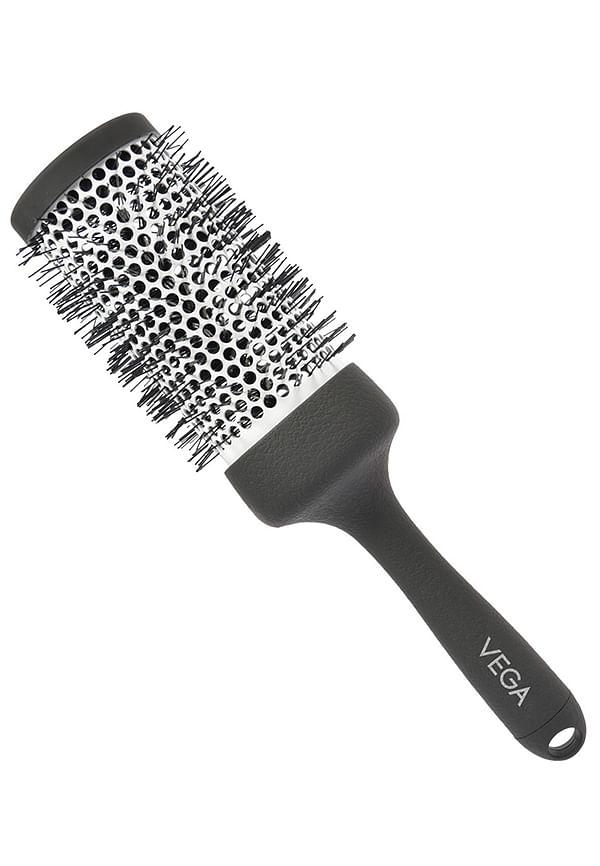
Hot Curl Brushfor Hair Styling, Drying, Healthy Hair and Add Volume, Large (H2-PRL)
Daily moisture maintenance is essential for high porosity hair. This doesn't mean washing daily, but rather refreshing with leave-in conditioners and sealing with oils. Deep conditioning should happen weekly, while protein treatments are typically needed every 4-6 weeks, depending on your hair's condition.
Yes, oiling is excellent for high porosity hair when done correctly. Oils help seal the cuticles and prevent moisture loss. The best approach is to apply oil to damp hair to lock in moisture, rather than applying it to dry hair. Coconut, castor, and olive oils are particularly beneficial for porous hair types.
Avoid harsh sulfates, drying alcohols (like denatured alcohol), and products with high pH levels that can further raise the cuticles. Also be cautious with too much protein, as over-proteinated hair can become brittle and break easily. Always balance protein treatments with moisture.
While you can't completely reverse porosity caused by damage, you can significantly improve your hair's condition with proper care. Consistent protein treatments, gentle handling, and moisture retention techniques can help smooth cuticles and reduce porosity over time. The key is patience and consistency.
Prevention involves gentle handling, heat protection, regular deep conditioning, and avoiding harsh chemicals. Use wide-tooth combs on wet hair, sleep on silk pillowcases, protect hair from UV rays, and maintain a consistent routine that balances moisture and protein needs.
Caring for high porosity hair doesn't have to feel like an uphill battle. Once you understand your hair's unique needs and develop a routine that addresses them, you'll start seeing real improvements in texture, manageability, and overall health. Remember that consistency is more important than perfection – small daily actions add up to significant long-term results.
The most important thing to remember is that high porosity hair needs both moisture and protein in the right balance. Too much of either can cause problems, so pay attention to how your hair responds and adjust accordingly. Your hair will tell you what it needs if you learn to listen.
Finding the right products for your specific needs might take some experimentation. Smytten's curated selection includes various haircare brands that cater to different hair types and concerns, making it easier to discover what works for your unique hair needs. Not sure which products might work best for your high porosity hair? Smytten also offers trial-size versions of many haircare products – a smart way to test different formulations before committing to full-size bottles.
