The Science Behind Oily Scalp Shampoo: Your Questions Answered

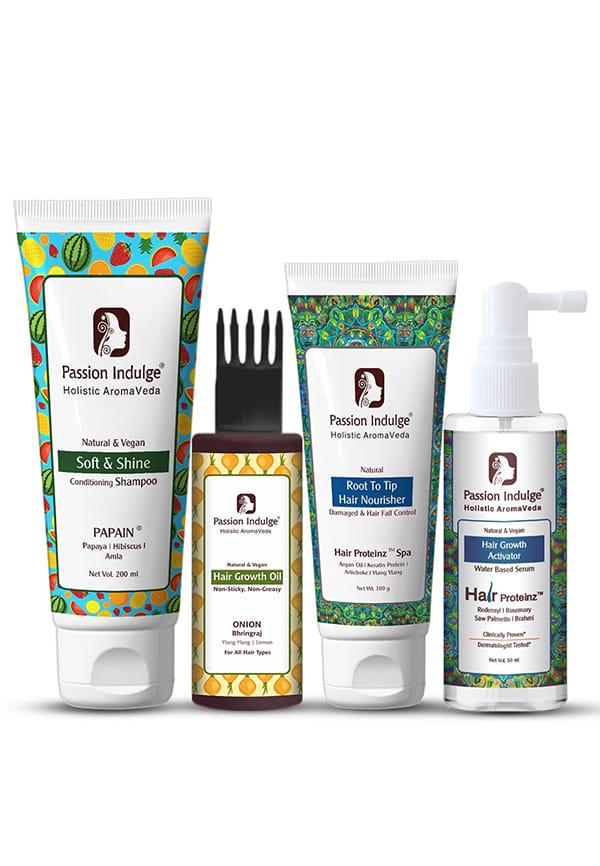
Onion Hair oil, Rosemary Hair Growth Serum, Hair Spa Protein Booster & Papain Shampoo
Ever wondered why your hair looks like you've dunked it in olive oil by lunchtime, even after washing it that morning? You're definitely not alone in this greasy struggle. The science behind shampoo for oily scalp and why it works is actually pretty fascinating—it's all about understanding what's happening beneath the surface and how the right formulation can help balance things out. While some people are blessed with naturally balanced scalps, others deal with overactive sebaceous glands that seem to have a mind of their own. That's where Smytten comes in handy—with trial-sized versions of top haircare brands, you can test different oily scalp solutions without committing to full bottles that might not work for your specific needs. Let's dive into the actual science behind why your scalp produces excess oil and how specialised shampoos tackle this issue at the molecular level.
Oily scalp happens when sebaceous glands produce too much sebum due to hormones, genetics, and environmental factors
Specialised shampoos use targeted ingredients like salicylic acid and zinc to regulate oil production without over-stripping
The key is balancing effective cleansing with maintaining your scalp's natural protective barrier
Washing frequency and technique matter just as much as the shampoo you choose
Understanding your scalp type helps you pick the right formulation for long-term oil control
Let's get real about what's actually happening up there. Oily scalp causes aren't just about "dirty hair"—it's way more complex than that. Your scalp contains thousands of sebaceous glands that naturally produce sebum, an oily substance that's supposed to protect and moisturise your hair and scalp. But sometimes these glands go into overdrive, producing way more oil than you actually need.
Hormones play a massive role in this whole situation. Androgens like testosterone can trigger your sebaceous glands to pump out excess sebum, which is why oily scalp issues often spike during puberty, menstrual cycles, or times of hormonal change. Your genetics also have a say in this—if your parents dealt with oily hair, there's a good chance you've inherited those overactive oil glands too.
Stress, humidity, and even your diet can influence how much oil your scalp produces. When you're stressed, your body releases cortisol, which can stimulate sebum production. Hot, humid weather makes everything worse because it encourages your glands to work overtime.
Your scalp hosts a whole ecosystem of bacteria and fungi that help maintain balance. When this microbiome gets disrupted—through harsh products or overwashing—it can actually trigger more oil production as your scalp tries to restore its natural protective barrier.
Understanding oily scalp starts with knowing how sebum production actually works. Each hair follicle has sebaceous glands attached to it, and these glands are controlled by hormonal signals. When everything's working normally, they produce just enough sebum to keep your hair healthy and protected.
The natural oil production cycle follows a rhythm—sebum is constantly being produced, travels up the hair shaft, and spreads across your scalp. This process usually takes about 2-3 days, which is why most people can go a couple of days between washes without looking greasy.
Problems start when your sebaceous glands receive signals to produce more sebum than necessary. This can happen due to hormonal fluctuations, genetic predisposition, or external triggers. The excess oil then accumulates on your scalp and hair, creating that unwanted greasy appearance.
Sebum control for hair varies significantly based on age and gender. Teenagers often struggle with oily scalps due to hormonal surges, while women might notice changes during their menstrual cycle or pregnancy. Men typically produce more sebum overall due to higher androgen levels.
Now here's where it gets really interesting. Shampoo ingredients for oily hair are specifically chosen to tackle excess sebum without completely stripping your scalp. The main players are surfactants—these are the cleansing agents that lift oil and dirt from your hair and scalp.
Different surfactants work in different ways. Sulphates like sodium lauryl sulphate are powerful cleansers that can remove heavy oil buildup, while gentler options like cocamidopropyl betaine provide effective cleansing without being too harsh. The trick is finding the right balance for your specific oil production level.
Salicylic acid is a game-changer for oily scalps because it can penetrate into hair follicles and help dissolve excess sebum. Zinc pyrithione not only controls oil but also has antimicrobial properties that help maintain a healthy scalp environment. Tea tree oil offers natural sebum-regulating benefits while providing a refreshing sensation.
Shampoo formulation for sebum control needs to maintain the right pH level—typically between 4.5 and 6.5. This slightly acidic environment helps keep your scalp's protective acid mantle intact while still allowing for effective cleansing. When the pH is too high, it can actually trigger more oil production as your scalp tries to restore balance.
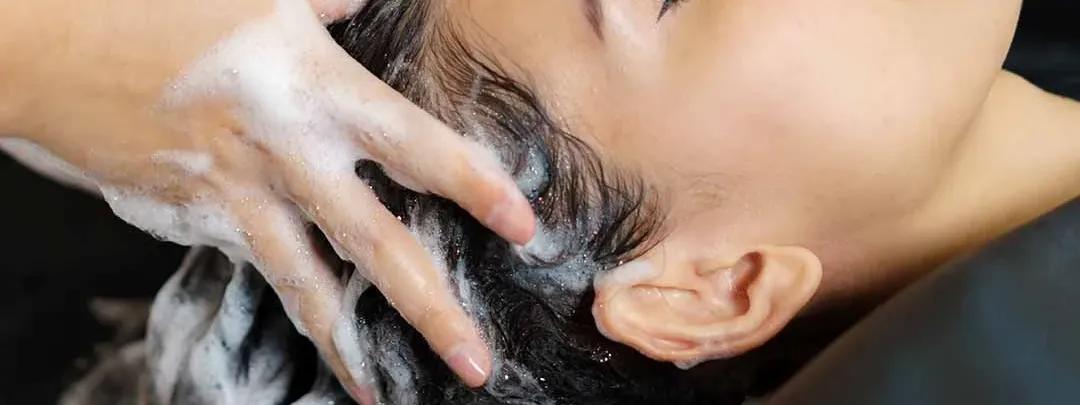
Scalp cleansing for oiliness involves a pretty sophisticated process at the molecular level. When you massage shampoo into your hair, the surfactants create micelles—tiny structures that trap oil and dirt particles. These micelles then get rinsed away with water, taking the excess sebum with them.
The best formulations don't just strip away oil—they also help regulate future sebum production. Ingredients like niacinamide can help normalise sebaceous gland activity, while botanical extracts like witch hazel provide gentle astringent properties that help control oil without irritation.
Effective oily scalp shampoos also work to prevent follicle clogging, which can lead to scalp acne and other issues. They do this by thoroughly cleansing the hair follicle opening and removing any buildup that might block normal sebum flow.
The goal isn't to eliminate all oil—your scalp needs some sebum to stay healthy. Good formulations maintain the scalp's natural protective barrier while removing excess oil, preventing the rebound effect where your scalp overproduces oil to compensate for being stripped too harshly.
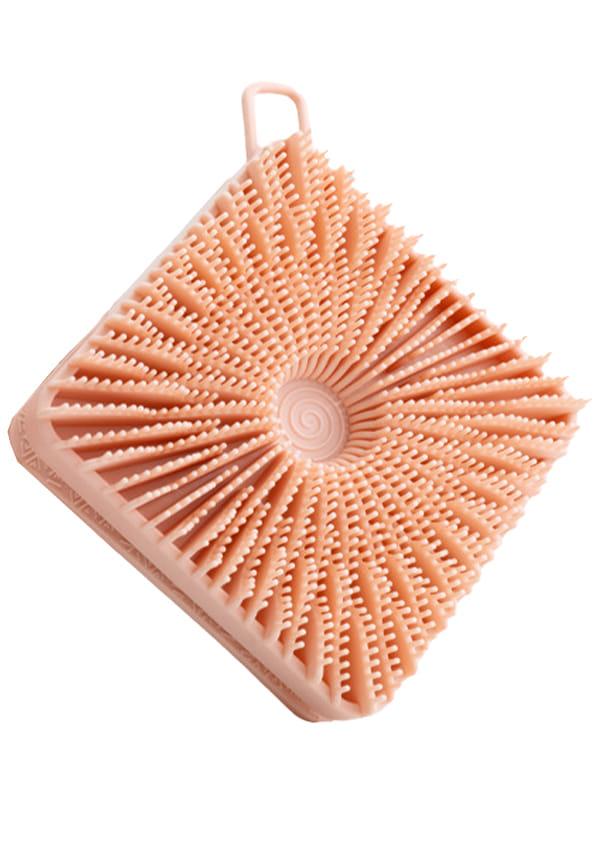
Bath Brush and Shampoo Brush, Body Scrubber and Scalp Massager
Finding the best shampoo for oily scalp isn't just about grabbing the strongest cleanser you can find. You need to consider your specific oil production level, hair texture, and any sensitivities you might have. Look for formulations that combine effective cleansing with scalp-balancing ingredients.
Washing frequency is crucial—most people with oily scalps benefit from daily or every-other-day washing. However, this varies based on your individual oil production, lifestyle, and hair type. The key is finding your sweet spot where your hair feels clean without your scalp becoming irritated from overwashing.
Haircare for oily scalps extends beyond just shampoo choice. Using a lightweight, oil-free conditioner only on your mid-lengths and ends can help prevent weighing down your roots. Dry shampoo can be a lifesaver between washes, absorbing excess oil and adding volume.
One of the biggest mistakes is overwashing with harsh shampoos, which can actually make oily scalp worse. Your sebaceous glands will ramp up production to compensate for the stripped natural oils. Another mistake is using heavy styling products near the roots, which can mix with sebum and create buildup.
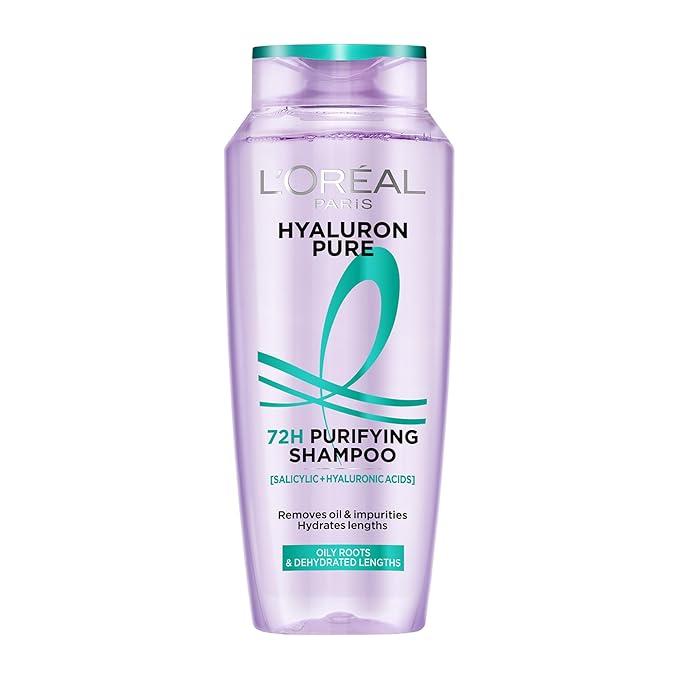
Balancing oily scalp is all about finding that sweet spot between effective cleansing and maintaining scalp health. The L'Oreal Paris Hyaluron Pure 72H Purifying Shampoo For Oily Scalp And Dry Hair exemplifies this balance perfectly, combining the oil-controlling benefits of salicylic acid with the moisturising properties of hyaluronic acid. This dual-action approach helps purify oily roots while keeping the lengths hydrated, addressing the common issue where people have oily scalps but dry ends.
Professional-grade solutions often incorporate multiple active ingredients that work synergistically. For instance, combining zinc with botanical extracts can provide both immediate oil control and long-term scalp health benefits. The key is consistency—using the right products regularly rather than switching between different formulations constantly.
How you apply your shampoo matters just as much as what you're using. Focus the product on your scalp and roots where oil production is highest, rather than working it through your entire hair length. Massage gently but thoroughly to ensure the active ingredients can penetrate and work effectively.
Many people deal with oily roots but dry ends, which requires a strategic approach. Use your oily scalp shampoo primarily on the roots and scalp area, then follow with a moisturising conditioner applied only to the mid-lengths and ends.
Maintaining healthy oil production isn't just about the products you use—it's also about overall scalp health. Regular scalp massages can improve circulation, while protecting your hair from excessive heat styling helps prevent damage that can disrupt natural oil balance.
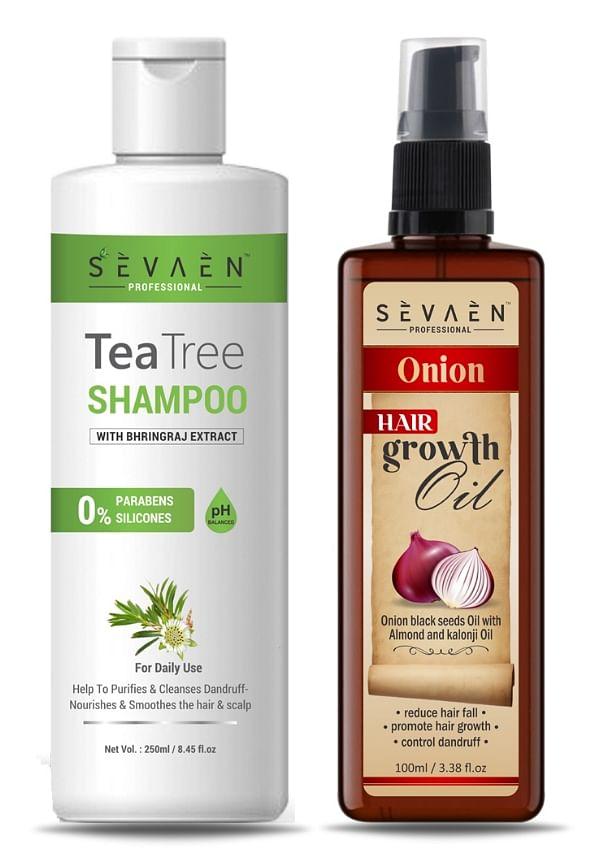
Teatree Shampoo And Ayurvedic Hair Oil For Hair Growth And Dandurff Reduce For Man And Woman
Useful for Hair, Good Product
 5
5“it's very useful for hair. Good Product.”
Yes, specialised shampoos for oily hair are scientifically formulated to address excess sebum production. Clinical studies show that shampoos containing ingredients like salicylic acid, zinc pyrithione, and specific surfactant combinations can significantly reduce scalp oiliness when used consistently. The key is choosing a formulation that matches your specific oil production level and hair type.
Oily hair results from overactive sebaceous glands that produce excess sebum. These glands are controlled by hormones, particularly androgens, and their activity can be influenced by genetics, stress, diet, and environmental factors. The sebum travels up the hair shaft and spreads across the scalp, creating that greasy appearance when produced in excess.
While some sebum is essential for healthy hair, excessive oil can lead to problems. It can clog hair follicles, potentially causing scalp acne or folliculitis. Heavy oil buildup can also weigh down hair, making it look flat and lifeless. However, with proper cleansing and care, oily scalp doesn't have to damage your hair health.
Most people with oily scalps benefit from washing daily or every other day. However, this varies based on individual oil production, hair texture, and lifestyle factors. Fine hair typically needs more frequent washing than thick, coarse hair. The goal is to remove excess oil without over-stripping your scalp.
While you can't permanently change your sebaceous gland activity, you can help balance oil production through consistent, appropriate care. Using gentle, pH-balanced products and avoiding overwashing can help prevent the rebound effect where your scalp overproduces oil to compensate for being stripped too harshly.
Look for salicylic acid for deep pore cleansing, zinc pyrithione for oil control and antimicrobial benefits, tea tree oil for natural sebum regulation, and gentle surfactants like sodium cocoyl isethionate. Avoid heavy moisturising ingredients near the roots, and choose formulations with a slightly acidic pH.
Absolutely! Smytten's trial packs let you test different oily scalp shampoos before committing to full-size bottles. This is particularly helpful for oily scalp issues since what works for one person might not work for another. You can try various formulations and ingredients to find your perfect match without wasting money on products that don't suit your specific needs.
Understanding the science behind oily scalp helps you make smarter choices about your haircare routine. Your sebaceous glands are influenced by hormones, genetics, and environmental factors, but the right shampoo formulation can help balance oil production effectively. Look for ingredients like salicylic acid and zinc that target excess sebum without over-stripping your scalp.
Remember that managing oily scalp is about finding balance, not eliminating all oil. Consistent use of appropriate products, proper application techniques, and understanding your individual needs are key to long-term success. Don't be afraid to experiment with different formulations to find what works best for your specific situation.
Finding the right solution for your oily scalp doesn't have to be a guessing game. Smytten is India's largest product discovery and trial platform, connecting you with top haircare brands through curated trial packs. With mini-sized products from over 2,400 trusted brands, you can explore different oily scalp shampoos before committing to full-size purchases. Each trial is linked with Trial Points—get up to 10 for just ₹279, plus enjoy 100% cashback on your trial purchases, redeemable for future orders. This makes discovering your perfect oily scalp solution both affordable and risk-free. With over 28 million users and 100% authentic, brand-verified minis delivered across 90% pin code coverage, Smytten helps you make smarter, more confident choices about your haircare routine. After all, why settle for maybe when you can try it all and find what actually works for your unique scalp needs?
