Sudden Hair Fall in Men FAQ: Causes & Symptoms Answered

Melts Hair Fall Control Keranat & Zinc, Hair Loss Support to Improve Hair Anchoring (30 Oral Strips)
You're standing in the shower, watching more hair than usual swirl down the drain. Or maybe you've noticed your pillow covered with strands that weren't there before. If you're suddenly losing clumps of hair, you're not alone—and more importantly, you're not powerless. Real talk: 95% of male hair loss cases have identifiable triggers, which means there's usually something you can actually do about it. Let's break down what's happening, why it's happening, and what your next move should be. Because the difference between normal shedding and something worth worrying about? That's what we're here to figure out.
Before you panic about every strand you find on your shirt, let's get real about what actually counts as sudden hair fall. Your hair naturally goes through cycles, and losing some every day is completely normal. But when that number jumps dramatically, that's when you need to pay attention.
Here's your baseline: losing 50-100 hairs daily is totally normal. Your hair follicles are constantly cycling through growth, rest, and shedding phases. But if you're suddenly seeing 200+ hairs daily, finding clumps in the shower, or noticing significantly more hair on your pillow, that's your cue to investigate further. The key word here is "sudden"—we're talking about a noticeable increase over 2-4 weeks, not gradual changes over months.
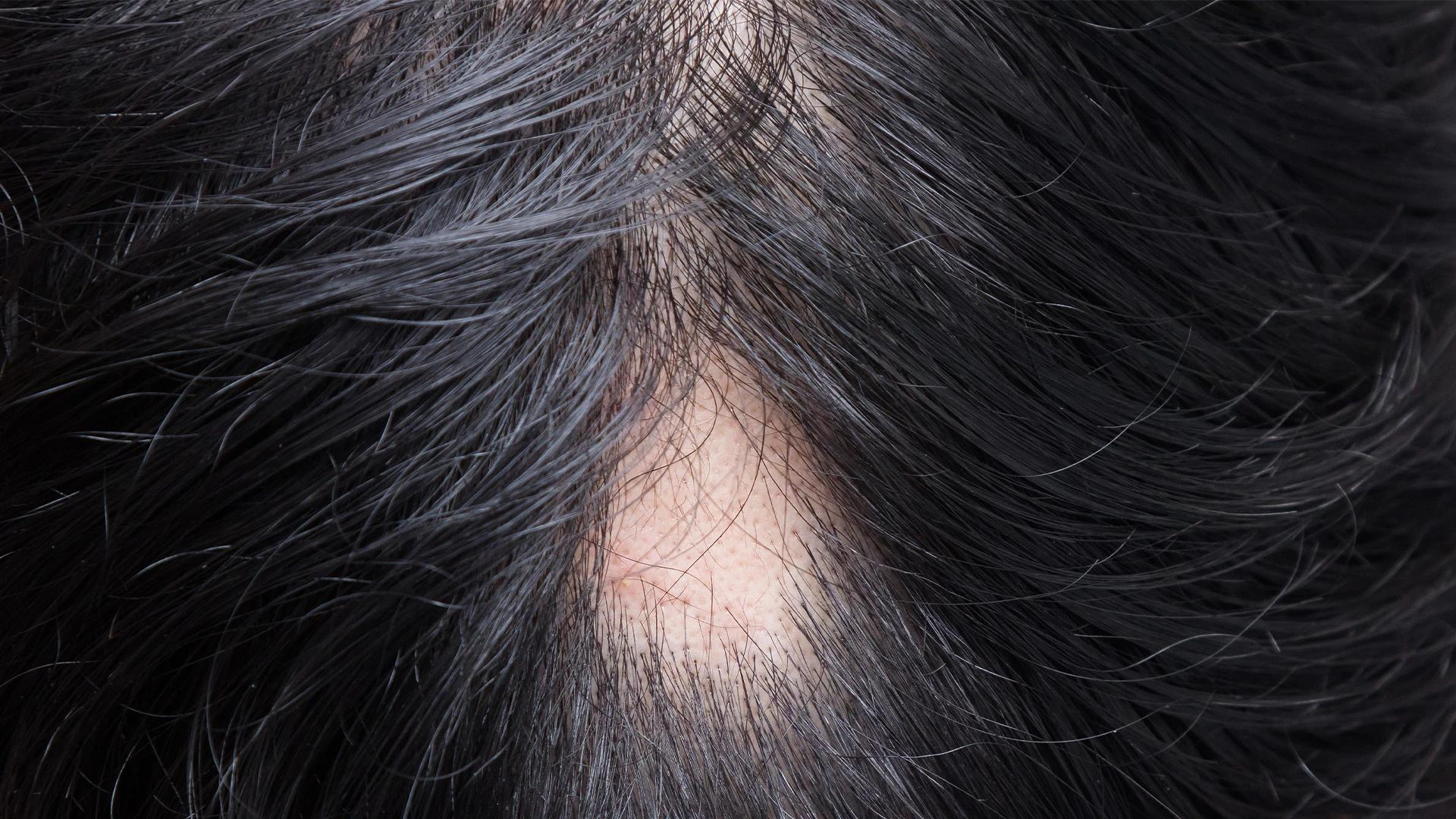
Keep an eye out for these red flags: wider part lines that weren't there before, visible scalp where you used to have coverage, or a receding hairline that's moving faster than expected. Physical symptoms matter too—if your scalp feels itchy, inflamed, or you're seeing patchy loss rather than overall thinning, that's worth noting. Document what you're seeing because patterns help doctors figure out what's going on.
Let's dive into the most common culprits behind sudden hair loss. Understanding these causes can help you identify what might be triggering your hair fall and, more importantly, what you can do about it.
Stress doesn't just mess with your sleep—it can literally push your hair into early retirement. When you experience significant physical or emotional stress, it can shock your hair follicles into the resting phase prematurely. The tricky part? You won't see the effects immediately. Hair typically falls out 2-3 months after the stressful event, whether that's surgery, illness, job loss, or any major life change. The good news is that stress-related hair fall is usually reversible within 6-12 months once the trigger is addressed.
Your hair needs fuel to grow, and when you're running low on key nutrients, it shows. Iron deficiency is the biggest culprit, especially if you've been on restrictive diets or have underlying health issues. Protein, zinc, biotin, and vitamin D are also crucial players. Crash diets or poorly planned vegetarian diets can leave you lacking in these essentials. If you suspect nutritional deficiencies, blood work can give you concrete answers about what your body needs.
Hormones can be unpredictable, and sudden shifts can trigger hair loss beyond typical male pattern baldness. DHT fluctuations, thyroid disorders (both hypo and hyperthyroidism), and age-related testosterone changes in your 30s and 40s can all play a role. Medical conditions like diabetes or autoimmune disorders can also disrupt your hormonal balance enough to affect your hair growth cycle.

Anti Hairfall Shampoo
Sometimes the cure can cause its own problems. Blood thinners, certain antidepressants, and blood pressure medications are known to trigger hair loss in some men. Chemotherapy is an obvious one, but even supplements can sometimes interact in unexpected ways. If you've started any new medications recently and noticed increased hair fall, that connection is worth exploring with your doctor.
Not all hair loss is created equal. Understanding the difference between gradual male pattern baldness and sudden hair fall can help you figure out what you're dealing with and what kind of timeline you're looking at for potential recovery.
Male pattern baldness, or androgenetic alopecia, is the slow burn of hair loss. It's genetic, it's gradual, and it typically follows predictable patterns over years, not weeks. If your dad or grandfather had a receding hairline, you might be genetically predisposed to DHT sensitivity. This type of hair loss usually starts with a receding hairline or crown thinning and progresses slowly over time.
Sometimes genetic hair loss can speed up due to external factors. Stress-induced DHT spikes, environmental factors like pollution or harsh hair treatments, and lifestyle factors like poor diet, smoking, or chronic sleep deprivation can all accelerate the process. If you have a family history of hair loss and you're suddenly seeing rapid changes, these accelerators might be at play.
A gradually receding hairline typically follows the classic M-shape pattern and develops over years. Rapid onset might look more like diffuse thinning or sudden temple recession. Age matters here too—if you're seeing significant changes in your early 20s or if the pattern doesn't match typical male pattern baldness, other causes might be involved.
Your scalp health directly impacts your hair health. Various infections and inflammatory conditions can cause sudden hair loss, and the good news is that many of these are treatable once properly diagnosed.
Fungal infections like ringworm or seborrheic dermatitis can cause patchy hair loss along with scaling, redness, or itching. Bacterial conditions like folliculitis can inflame hair follicles and lead to temporary hair loss. These conditions are more common than you might think and usually respond well to targeted treatment once identified.
Alopecia areata causes sudden, patchy hair loss and can appear seemingly overnight. It's an autoimmune condition where your immune system mistakenly attacks your hair follicles. Scarring alopecia is more serious and can cause permanent hair loss, while systemic autoimmune conditions like lupus can also affect hair growth. These conditions require professional diagnosis and treatment.
Anti Hair Fall Hair Oil
Knowing when sudden hair loss requires immediate attention can make the difference between temporary and permanent loss. Some situations need urgent medical evaluation, while others can wait for a routine appointment.
Sudden patchy loss, especially if it appears overnight, needs prompt evaluation. Scalp pain, inflammation, or signs of infection like redness, warmth, or discharge are red flags. If your hair loss comes with systemic symptoms like fever, unexplained fatigue, or sudden weight changes, don't wait—these could indicate underlying health issues that need immediate attention.
A dermatologist can perform a thorough evaluation including your medical history, physical examination of your scalp, and potentially diagnostic tests like blood work, scalp biopsy, or a pull test. The process usually takes a few weeks to get complete answers, but initial assessment can often point you in the right direction quickly.
The earlier you catch and address hair loss, the better your chances of slowing or reversing it. Prevention strategies and early intervention can make a significant difference in your long-term hair health.
Stress management isn't just good for your mental health—it's crucial for your hair. Regular exercise, adequate sleep, and stress-reduction techniques can help stabilise your hair growth cycle. Nutritional optimization through balanced meals rich in protein, iron, and vitamins supports healthy hair growth from the inside out.
Topical treatments like minoxidil can be effective for various types of hair loss, not just male pattern baldness. Oral medications like finasteride are options for androgenetic alopecia but require medical supervision. Evidence-based supplements can help if you have confirmed deficiencies, but random supplementation rarely helps and can sometimes hurt.
Gentle handling makes a difference when your hair is already stressed. Wash your hair regularly but not obsessively, avoid harsh chemicals and tight hairstyles, and focus on scalp health through gentle massage and good circulation. The goal is to create the best possible environment for whatever hair you have.
Sudden hair loss in men typically results from acute stress (telogen effluvium), nutritional deficiencies, hormonal changes, medications, or underlying medical conditions. Unlike gradual male pattern baldness, sudden loss often indicates a disruption in your hair growth cycle that may be reversible with proper treatment.

Women's Hair, Skin & Nails - For Stronger Hair, Clearer Skin, and Healthier Nails
While you can't stop hair fall instantly, you can minimise further loss by reducing stress, eating protein-rich foods, taking prescribed supplements for confirmed deficiencies, using gentle hair care products, and avoiding tight hairstyles. The most important step is seeing a dermatologist for rapid diagnosis and appropriate treatment.
No, losing 700 hairs daily is definitely not normal. Typical hair loss ranges from 50-100 hairs per day. Losing 700+ hairs indicates significant hair fall that requires medical evaluation to identify and address the underlying cause promptly.
Multiple vitamin deficiencies can cause hair loss, with iron deficiency being the most common, especially in men with poor diet or underlying health conditions. Vitamin D, biotin, zinc, and protein deficiency can also contribute to hair loss. Blood tests can determine which specific deficiencies you might have.
Stage 4 hair loss on the Norwood Scale involves significant crown thinning with a bridge of hair separating the receding hairline from the crown area. This represents moderate to advanced male pattern baldness that typically requires professional treatment for best results.
Yes, stress-related hair fall (telogen effluvium) is usually reversible. Once the stressor is removed or managed, hair typically begins regrowing within 6-12 months. The key is identifying and addressing the underlying stress trigger while supporting your overall health during recovery.
Hair loss treatment results vary depending on the cause and treatment type. For nutritional deficiencies, you might see improvement in 3-6 months. Medications like minoxidil typically show results in 4-6 months, while treating underlying medical conditions can take longer. Patience is essential as hair growth cycles are naturally slow.
Sudden hair fall can be alarming, but remember that most cases are treatable when caught early. The key is distinguishing between normal shedding and concerning patterns, then taking action quickly. Whether it's stress management, nutritional support, medical treatment, or simply better hair care habits, there are usually steps you can take to address the issue.
If you're experiencing sudden hair loss, don't wait to seek professional help. A dermatologist can provide proper diagnosis and treatment options tailored to your specific situation. Recovery timelines vary, but many men see significant improvement within 6-12 months of addressing the underlying cause.
When you're ready to explore hair care solutions, Smytten offers curated trial packs from trusted brands, letting you test products before committing to full sizes. Not sure which hair care approach works best for your specific concerns? Trial-size versions of many hair care products are available—a smart way to find what works for your hair without the guesswork of full-bottle purchases.
