Step-by-Step Guide to Perfect Haircare Treatment

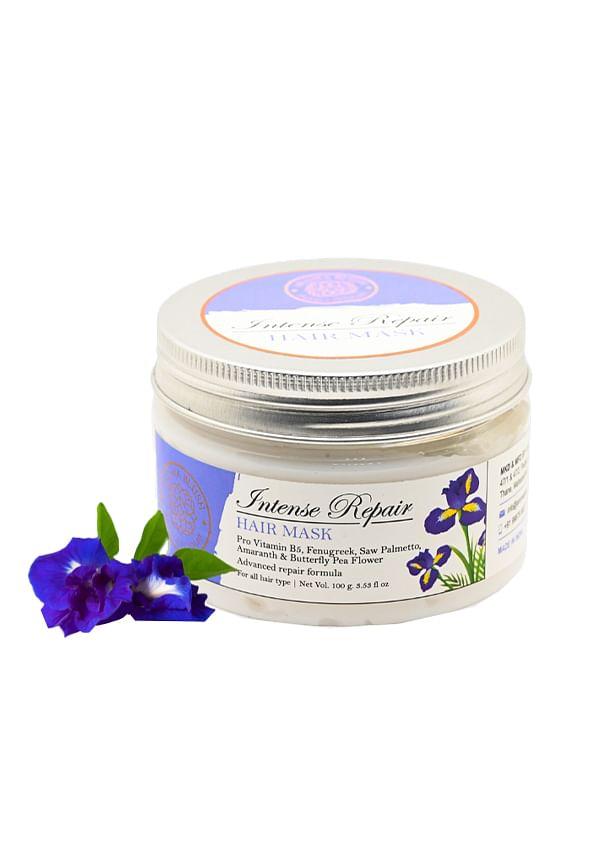
Intense Repair Hair Mask
Nice Product, Lovely to Use
 5
5“nice product lovely to use this product Maja agya”
Hydrating & Soothing Scalp
5“very hydrating and soothing on the scalp”
Here's the thing—you can't nail a haircare treatment without knowing what you're working with. Your hair type determines everything from what products work best to how often you should wash. Think of it like skincare for your head; what works for your mate might be a total disaster for you.
Hair types fall into four main categories: straight, wavy, curly, and coily. But it's not just about the curl pattern—thickness, porosity, and density all play a part. Fine hair needs lightweight products, while thick hair can handle richer formulas. If water beads up on freshly washed hair, you've got low porosity. If it soaks in quickly, you're dealing with high porosity strands.
Straight hair tends to get oily fast and can look flat without volume. Wavy hair often battles frizz and inconsistent curl patterns. Curly hair needs extra moisture and can be prone to dryness. Coily hair requires intense hydration and gentle handling to prevent breakage. Knowing these patterns helps you choose the right approach.
Every good haircare routine has three non-negotiables: cleansing, conditioning, and targeted treatments. These form the foundation that everything else builds on. You might add extras like hair oils or leave-in conditioners, but these basics are where it all starts.
Start with a gentle shampoo that matches your scalp needs. If you're oily, you might need to wash daily. Dry scalp? Maybe twice a week is enough. Focus the shampoo on your scalp, not your lengths—that's where the oil and buildup actually live.
Conditioner goes on mid-length to ends, never on your roots. This is where your hair needs moisture and protection. Choose formulas based on your hair's needs: lightweight for fine hair, rich and creamy for thick or damaged strands.
This is where you tackle specific concerns like damage, dryness, or lack of shine. Protein treatments, deep conditioning masks, and scalp care products all fall into this category. Think of treatments as your hair's weekly therapy session.
Deep conditioning is like a spa day for your hair. It penetrates deeper than regular conditioner, delivering intense moisture and nutrients that repair and protect. Most hair types benefit from deep conditioning once a week, though damaged or chemically treated hair might need it twice weekly.
Look for ingredients that match your hair's needs. Damaged hair loves protein and ceramides. Dry hair craves ingredients like shea butter and argan oil. Fine hair needs lightweight formulas that won't weigh it down. Check the ingredient list—if it's packed with silicones, it might be too heavy for daily use.
Apply deep conditioner to damp, clean hair from mid-length to ends. Use a wide-tooth comb to distribute evenly. For extra penetration, pop on a shower cap and let body heat work its magic. Most treatments need 5-20 minutes, but always check the instructions.
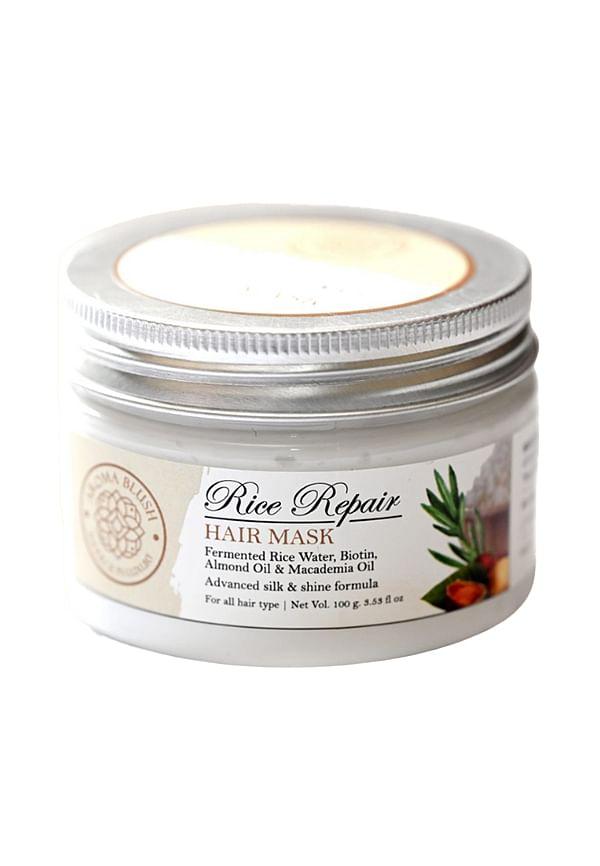
Rice Repair Hair Mask
Good Product Quality
5“very good quality of the product”
Amazing Hair Results
4“gazab result hai...hair bahut acche ho gye”
Hair masks are your secret weapon for addressing specific concerns quickly. They're more concentrated than regular conditioners and can tackle everything from dryness to damage in one treatment. Think of them as intensive care for your strands.
For dry hair, mash an avocado with honey—both are natural moisturisers. Oily hair loves a clay mask mixed with apple cider vinegar. Fine hair benefits from a lightweight egg white mask. Always patch test DIY treatments first, and remember that natural doesn't always mean gentle.
Quality masks contain active ingredients like keratin, hyaluronic acid, or plant oils. Avoid products with harsh sulfates or too many silicones if you use them regularly. Look for masks that target your specific concerns rather than generic "for all hair types" products.
Your scalp is literally where healthy hair begins. A congested, irritated, or imbalanced scalp can't grow strong, healthy strands. Scalp care isn't just about washing—it's about creating the perfect environment for hair growth.
Just like your face, your scalp benefits from gentle exfoliation. Use a scalp scrub once a week to remove buildup and dead skin cells. Massage in circular motions, then follow with a clarifying shampoo. This keeps follicles clean and blood circulation flowing.
Dry, flaky scalp needs hydrating treatments with ingredients like tea tree oil or aloe vera. Oily scalp responds well to clay-based treatments that absorb excess oil. For sensitivity, look for gentle, fragrance-free formulas with soothing ingredients like chamomile.
Protein treatments rebuild hair's structure from the inside out. They're especially crucial for chemically treated, heat-damaged, or naturally fragile hair. But here's the catch—too much protein can make hair brittle, so timing is everything.
If your hair feels mushy when wet, stretches too much without bouncing back, or breaks easily, it's crying out for protein. You might also notice increased frizz, lack of curl definition, or hair that feels limp even after conditioning.
Apply protein treatment to clean, damp hair, focusing on damaged areas. Most treatments need 10-30 minutes to work. Always follow with a moisturising conditioner—protein without moisture leads to brittle hair. Start with treatments once a month and adjust based on how your hair responds.
Moisture is hair's best friend, but different hair types need different approaches. Moisturizing products range from lightweight sprays to rich creams, and finding your perfect match makes all the difference in how your hair looks and feels.
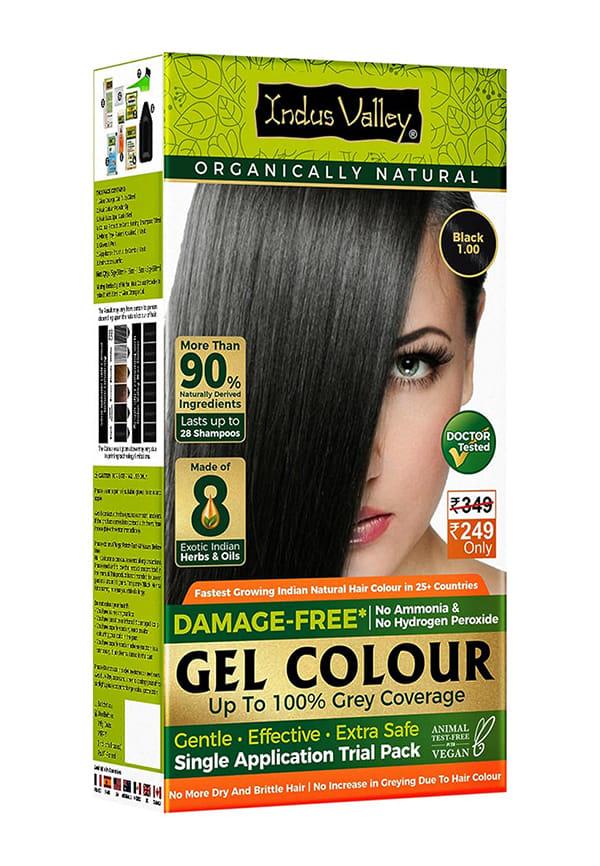
Damage Free Natural Gel Hair Colour for Women
Amazing Product
4“amazing product 😁😁😁😁😁😁😁😁”
Amazing Product
4“amazing product 😁😁😁😁😁😁😁😁”
Amazing Product
4“amazing product 😁😁😁😁😁😁😁😁”
Leave-in conditioners are perfect for daily hydration without the commitment of a full treatment. They detangle, protect from heat, and add a layer of moisture that lasts. Apply to damp hair before styling, focusing on mid-lengths and ends where hair tends to be driest.
Hair oils work best as the final step in your routine, sealing in all the good stuff you've already applied. Light oils like argan work for fine hair, while thicker oils like coconut suit coarse or very dry hair. A few drops go a long way—start small and build up if needed.
Damaged hair repair requires patience and the right approach. Whether it's from heat styling, chemical processing, or environmental factors, damaged hair needs targeted treatments that rebuild structure while adding moisture.
Heat damage shows up as dryness, split ends, and loss of elasticity. Prevention is key—always use heat protectant and keep tools under 180°C. For existing damage, focus on protein treatments to rebuild structure and deep conditioning to restore moisture balance.
Chemical damage from bleaching, perming, or relaxing needs gentle care. Use sulfate-free shampoos, deep condition weekly, and incorporate protein treatments monthly. Trim regularly to remove the most damaged ends and give healthy hair room to grow.
Natural hair remedies have been around for centuries because they work. While modern products are convenient, natural ingredients can be just as effective for certain concerns, plus they're often gentler on sensitive scalps.
Honey is a natural humectant that draws moisture to hair. Eggs provide protein for strengthening. Coconut oil penetrates hair shafts better than most other oils. Apple cider vinegar balances scalp pH and removes buildup. Always dilute acids and patch test before full application.
Rosemary stimulates circulation for potential growth benefits. Chamomile soothes irritated scalps and adds subtle highlights to light hair. Green tea contains antioxidants that may help with hair loss. Aloe vera provides moisture and has anti-inflammatory properties for sensitive scalps.
Hair growth solutions work from both inside and outside. While genetics largely determine growth rate, creating optimal conditions can help you reach your hair's full potential. Healthy hair grows about half an inch per month, so patience is key.
Hair is made of protein, so adequate protein intake is crucial. Iron, zinc, and B vitamins also play key roles in healthy growth. Biotin supplements are popular, but most people get enough from food. Focus on a balanced diet rich in lean proteins, leafy greens, and healthy fats.
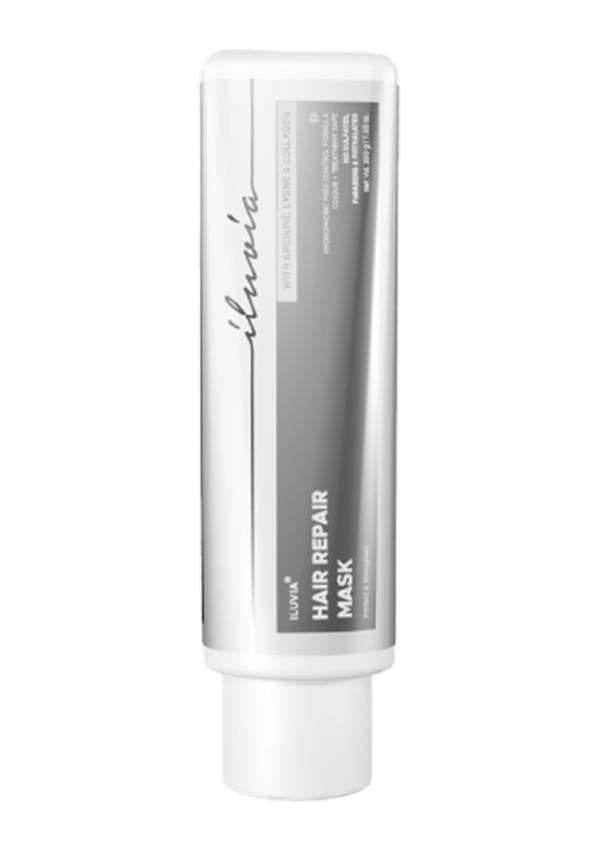
Hair Repair Mask | For damaged, dry, dull hair
Great for Dry Hair
5“Good for dry hair and make it more better ”
Positive App Experience
5“very good nice experience with this app , I referred a lot of people but never benefit given to me by this app, 😞”
Best Shampoo Ever
5“my favourite shampoo ever ......”
Scalp massage increases blood flow to hair follicles. Essential oils like peppermint and rosemary may stimulate growth when diluted and massaged into scalp. Regular trims prevent split ends from travelling up the hair shaft, allowing hair to grow longer without breaking.
The best routine is one you'll actually stick to. Start simple with the basics, then add treatments as needed. Your routine might change with seasons, hormones, or lifestyle changes, and that's completely normal.
Fine hair: Gentle daily shampoo, lightweight conditioner, weekly protein treatment. Thick, coarse hair: Shampoo 2-3 times weekly, rich conditioner, bi-weekly deep conditioning. Curly hair: Co-washing between shampoos, leave-in conditioner, weekly moisture mask. Damaged hair: Gentle shampoo, daily conditioner, alternating protein and moisture treatments.
Winter calls for extra moisture as heating systems dry out hair. Summer might need more frequent washing due to sweat and sun exposure. Humidity can make hair frizzy, requiring different styling products. Pay attention to how your hair responds to weather changes and adjust accordingly.
Heat styling, chemical processing, rough handling, environmental factors like sun and pollution, and even tight hairstyles can damage hair. Over-washing with harsh shampoos and not using conditioner also contribute to damage.
Avocados provide healthy fats and moisture. Bananas contain potassium and natural oils. Berries are rich in vitamin C, which helps iron absorption. Citrus fruits provide vitamin C and natural acidity that can add shine when used in rinses.
It depends on your hair type. Coconut oil penetrates well and suits most hair types. Argan oil is lightweight and good for fine hair. Jojoba oil closely mimics natural sebum. Olive oil is heavy but great for very dry hair. Always start with small amounts.
Normal hair loss is 50-100 strands daily. Excessive fall can result from hormonal changes, stress, nutritional deficiencies, harsh styling, medical conditions, or genetics. If you notice sudden or significant increase in hair loss, consult a healthcare professional.
Protein-rich foods like fish, eggs, and beans provide building blocks for hair. Iron-rich spinach and lentils support healthy follicles. Nuts and seeds provide zinc and healthy fats. Sweet potatoes contain beta-carotene, which converts to vitamin A for scalp health.
Building the perfect haircare treatment routine isn't about using the most products—it's about using the right ones for your hair's unique needs. Start with understanding your hair type, then build your routine around the basics: gentle cleansing, proper conditioning, and targeted treatments. Remember that healthy hair is a journey, not a destination. Be patient with the process, listen to what your hair is telling you, and don't be afraid to adjust your routine as your needs change. With consistency and the right approach, you can achieve the healthy, gorgeous hair you've been dreaming of.
