Soothing Scalp Tips FAQ: Your Questions Answered
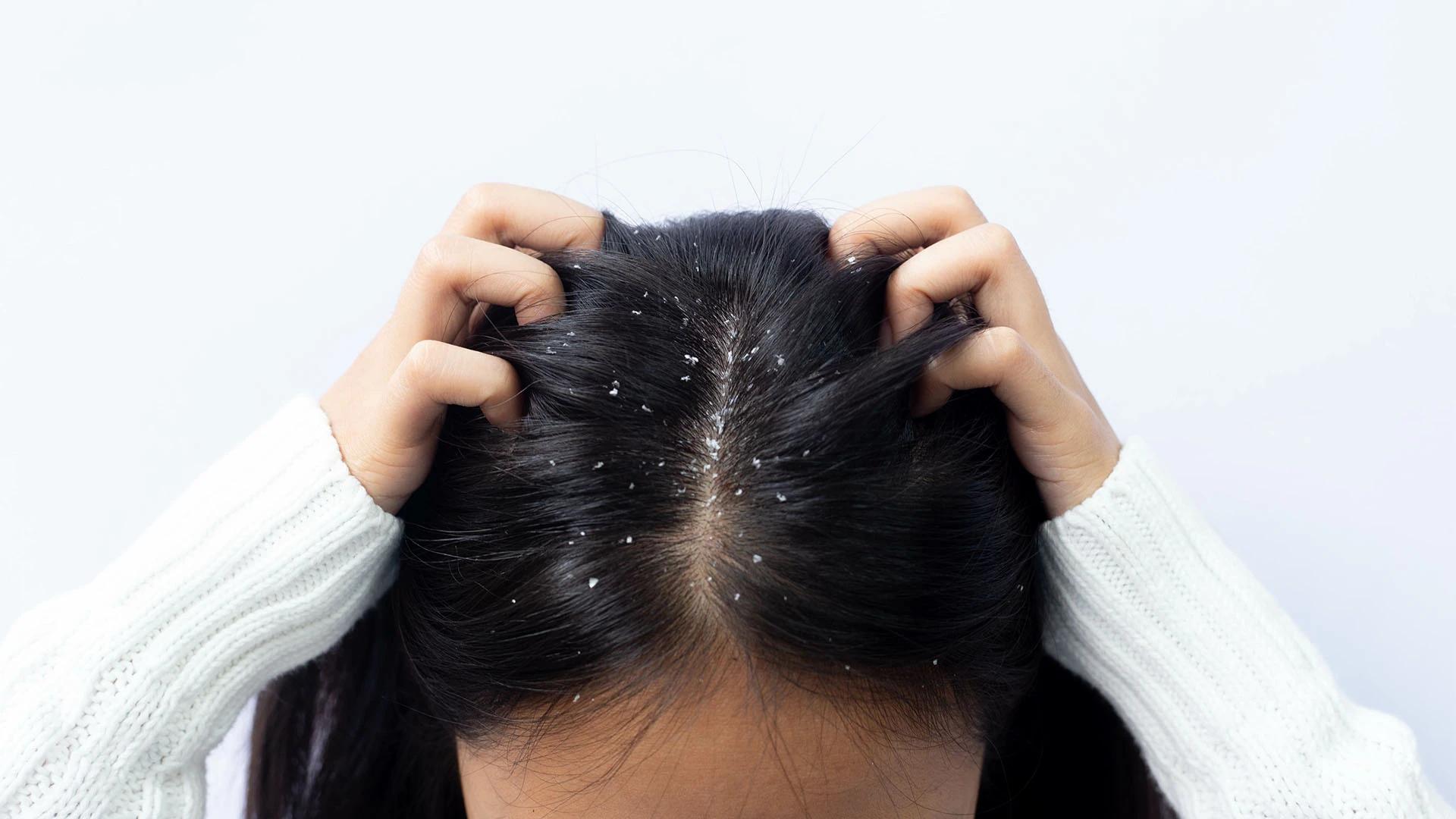

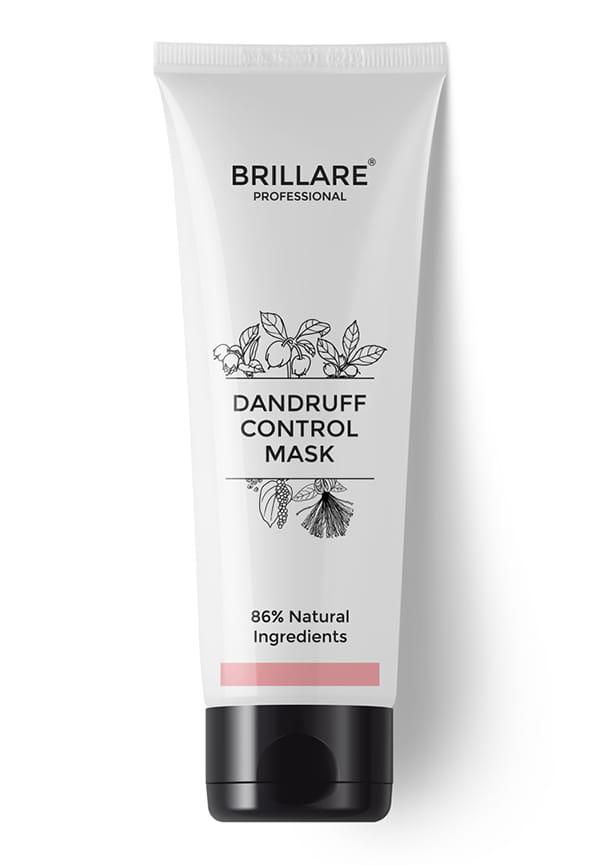
Conditioner For Itchy, Flaky Scalp
Good product, highly recommended
 5
5“This product is very good highly recommend.”
Wonderful Product
5“nice product. result wonderful along with shampoo”
Effective Dandruff Treatment
4“removes dandruff and itchyness from hair”
You know that moment when your scalp decides to throw a tantrum? The itching starts during an important meeting, or you notice white flakes on your favourite black top right before heading out. Real talk — scalp issues are way more common than anyone wants to admit, and they can seriously mess with your confidence. Whether it's that persistent itch that has you scratching like crazy or dryness that makes your scalp feel tight and uncomfortable, finding the right soothing scalp tips can feel overwhelming. The good news? Most scalp concerns are totally manageable once you understand what's going on and how to tackle them properly.
Let's get real about scalp irritation — it's not just about having a "sensitive" scalp. Your scalp is basically an extension of your facial skin, and just like your face, it can react to everything from weather changes to that new shampoo you tried last week. Understanding scalp irritation causes helps you tackle the problem at its root instead of just masking symptoms.
Your scalp faces a daily assault from environmental factors. Hard water loaded with minerals can leave residue that irritates sensitive skin. Pollution doesn't just affect your lungs — it settles on your scalp too, clogging follicles and causing inflammation. Weather changes, especially during monsoon or winter, can throw your scalp's natural balance completely off track.
That burning sensation after using a new hair product isn't normal, despite what some people might tell you. Harsh sulphates, artificial fragrances, and preservatives can trigger reactions in sensitive scalps. Even "natural" products aren't always gentle — essential oils, when used incorrectly, can cause serious irritation.
Your hormones play a massive role in scalp health. DHT inflammation can cause not just hair loss but also scalp sensitivity. Stress hormones like cortisol can trigger inflammatory responses that show up as scalp irritation. Even your diet affects your scalp — too much sugar or processed food can worsen inflammatory conditions.
Sometimes you need itchy scalp relief immediately, not in a few weeks after trying a new routine. These quick fixes won't solve underlying issues, but they'll give you the comfort you need while you work on long-term solutions.
Cool water is your best friend when your scalp is on fire. Rinse with lukewarm to cool water for at least two minutes, focusing on the irritated areas. Follow up with a cold compress — wrap ice cubes in a thin towel and apply for 10-15 minutes. This reduces inflammation and numbs the itch temporarily.
When your scalp itches, resist the urge to scratch with your nails. Instead, use gentle circular motions with your fingertips. This stimulates blood flow without causing micro-tears that can lead to infection. Scalp massage benefits include increased circulation and the release of tension that might be contributing to sensitivity.
Aloe vera gel straight from the fridge provides instant cooling relief. Tea tree oil diluted with a carrier oil (never use it neat) has antimicrobial properties that can calm irritated skin. Peppermint oil mixed with jojoba oil creates a cooling sensation that distracts from itching.
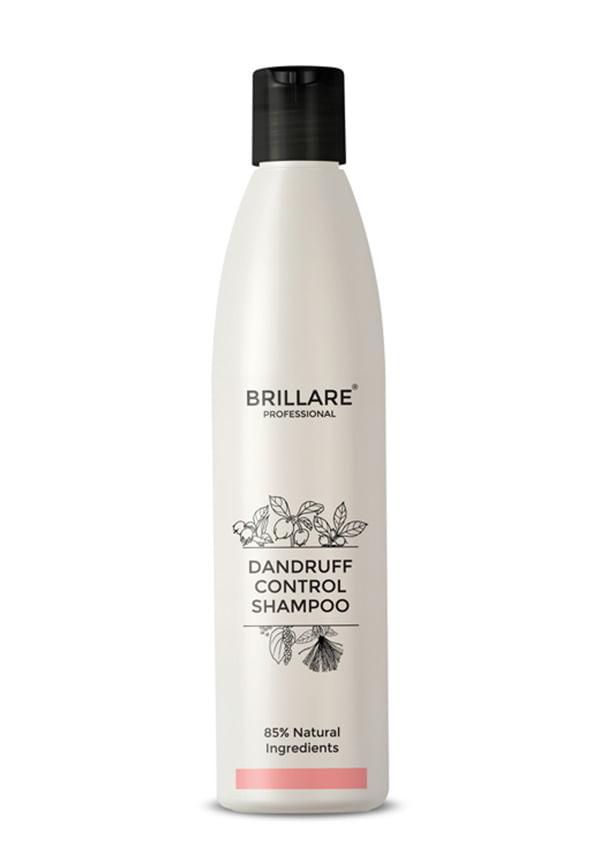
Dandruff Control Shampoo For Itchy, Flaky Scalp
Nourishing & Dandruff-Fighting Shampoo
5“This shampoo deeply nourishes the scalp and strengthens the hair from roots to tips. and removes all dandruff within 2..4 wash”
Love this product, order every time
5“love this product i ordered it every time”
Quick Results, Gentle & Amazing Quality
5“you will see results quickly rather than anything, very gentle small quantity enough , quality amazing”
Dry scalp is different from dandruff, though people often confuse the two. Dry scalp feels tight, looks flaky, and often comes with small, dry white flakes. Unlike dandruff, which is caused by excess oil and yeast, dry scalp needs serious hydration and gentle care.
Coconut oil isn't just a trend — it actually penetrates the hair shaft and scalp better than most other oils. Apply warm (not hot) coconut oil to your scalp, massage gently, and leave overnight. Shea butter works brilliantly for extremely dry scalps because it's rich in vitamins A and E. Mix it with a few drops of lavender oil for added soothing benefits.
Hyaluronic acid isn't just for your face — scalp serums with this ingredient can hold up to 1000 times their weight in water. Look for scalp-specific formulations that won't weigh your hair down. Ceramide-rich shampoos help repair the scalp's natural barrier function, preventing moisture loss.
Mix honey with finely ground oatmeal for a soothing mask that hydrates and gently exfoliates dead skin cells. Mashed avocado with a tablespoon of olive oil creates a rich treatment that nourishes both scalp and hair. Apply these masks to damp scalp, leave for 20-30 minutes, then rinse thoroughly.
A solid scalp care routine isn't complicated, but it does need to be consistent. Think of it like skincare for your scalp — you wouldn't skip moisturiser for your face, so why neglect your scalp? The key is finding the right balance between cleansing and nourishing without overdoing either.
Washing frequency matters more than you think. Most people with sensitive scalps do better washing 2-3 times per week rather than daily. This gives your scalp time to produce natural oils without becoming overly greasy. When you do wash, focus shampoo application on the scalp only — your hair doesn't need direct shampooing.
Hot water strips natural oils and can worsen scalp irritation. Stick to lukewarm water for washing and cool water for the final rinse. This helps seal the hair cuticle and reduces inflammation. When drying, pat your scalp gently with a microfibre towel instead of rubbing vigorously.
Set aside time once a week for scalp soothing treatments. This could be an oil massage, a hydrating mask, or gentle exfoliation with a scalp scrub. Consistency with these treatments often shows better results than expensive salon visits. The scalp massage benefits extend beyond just feeling good — regular massage improves circulation and can help with overall scalp health.
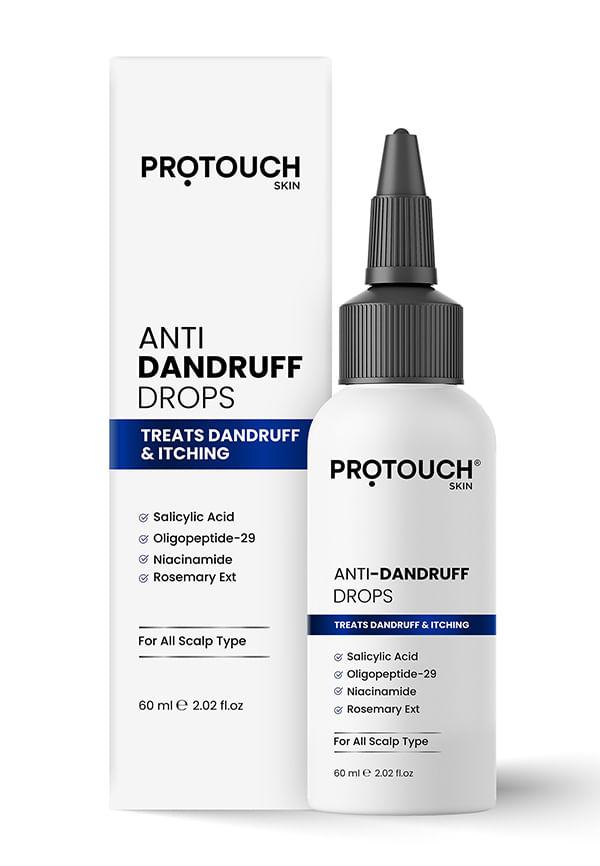
SKIN Anti Dandruff Drops Serum Soothes Itchy, Inflamed Scalp
Product selection can make or break your scalp health journey. With so many options available, it's easy to get overwhelmed or fall for marketing claims that don't match reality. Focus on ingredients that have proven benefits and avoid common irritants that might be making your scalp issues worse.
Salicylic acid gently exfoliates dead skin cells without harsh scrubbing. Zinc pyrithione has antifungal properties that help with dandruff control. Niacinamide reduces inflammation and helps regulate oil production. Chamomile and calendula provide natural soothing benefits without the risk of sensitisation that comes with some essential oils.
Sodium lauryl sulphate (SLS) is particularly harsh on sensitive scalps. Alcohol-based products can severely dry out your scalp. Artificial fragrances are one of the most common causes of contact dermatitis. Even some "natural" ingredients like lemon juice or baking soda can disrupt your scalp's pH balance and cause more harm than good.
Look for "fragrance-free" rather than "unscented" — unscented products often contain masking fragrances. pH-balanced formulations (around 4.5-5.5) work best with your scalp's natural acidity. Hypoallergenic doesn't guarantee you won't react, but it means the product has been tested for common allergens.
Real scalp health goes beyond just using the right products. Your lifestyle, diet, and stress levels all play crucial roles in how your scalp feels and functions. Addressing these factors often provides more dramatic improvements than any single product ever could.
Omega-3 fatty acids from fish, walnuts, and flaxseeds help reduce inflammation throughout your body, including your scalp. Zinc deficiency can worsen dandruff and scalp irritation — pumpkin seeds and chickpeas are excellent sources. Vitamin D supports overall skin health, and many people with scalp issues are deficient.
Chronic stress triggers inflammatory responses that show up as scalp sensitivity. Regular exercise improves circulation to the scalp and helps manage stress hormones. Quality sleep gives your scalp time to repair and regenerate — aim for 7-9 hours nightly.
Dandruff control requires consistent use of antifungal ingredients like ketoconazole or selenium sulphide. Seborrheic dermatitis might need prescription treatments combined with gentle daily care. Psoriasis on the scalp responds well to tar-based shampoos and UV therapy, but always consult a dermatologist for proper diagnosis.
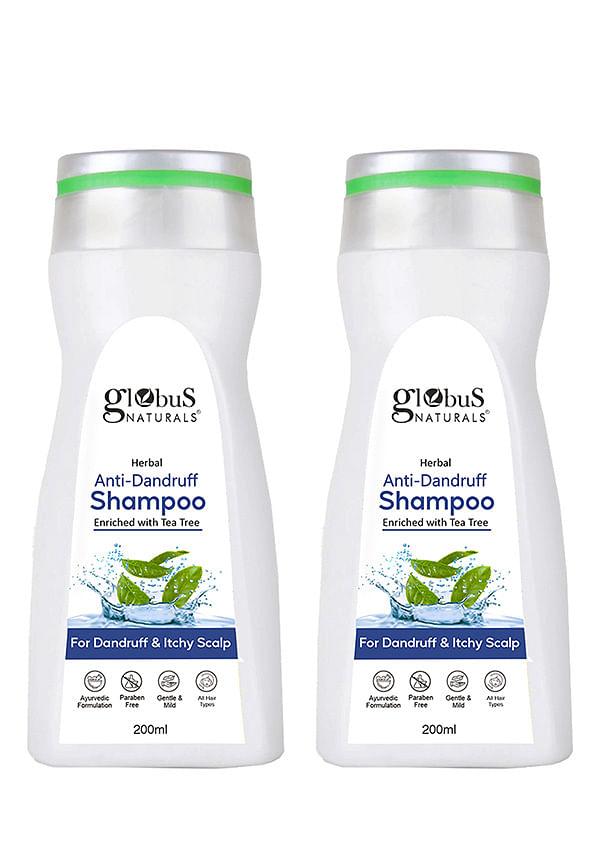
Anti Dandruff Shampoo, For Dandruff and Itchy Scalp
Effective for Itchy Scalp, Small Packing
5“small packing, but a great offer in price product is nice on scalp to reduce itchy issues effectively”
Nice Shampoo
5“dis shampoo is very nice liked it”
Nice Shampoo
5“dis shampoo is very nice liked it”
Start with a cool water rinse to remove any irritants, then apply a cold compress wrapped in a thin towel for 10-15 minutes. Use gentle circular motions with your fingertips to massage the scalp — never scratch with your nails. Apply aloe vera gel straight from the fridge or diluted tea tree oil for natural antimicrobial relief. Avoid any products with alcohol or strong fragrances until the irritation subsides.
Yes, DHT (dihydrotestosterone) can contribute to scalp inflammation by affecting hair follicles and the surrounding tissue. This hormonal factor often creates a cycle where inflammation worsens hair loss, and hair loss increases scalp sensitivity. Managing DHT-related scalp issues typically requires a combination of gentle scalp care, anti-inflammatory ingredients, and sometimes DHT-blocking treatments. Consistent scalp massage can help improve circulation in affected areas.
Korean scalp care focuses on gentle double-cleansing with a pre-shampoo oil treatment followed by a mild shampoo. They use scalp-specific treatments with natural ingredients like ginger, green tea, and fermented rice water. Regular scalp massages with tools like silicone brushes are common. The emphasis is on maintaining proper scalp pH balance through fermented ingredients and avoiding harsh chemicals that strip natural oils.
Fruits rich in vitamin C like oranges, berries, and kiwi support collagen production and scalp health. Bananas and avocados provide biotin and healthy fats that nourish the scalp. Topically, mashed banana mixed with honey creates a nourishing scalp mask. However, no single fruit can "stop" hair fall — it's about overall nutrition and addressing underlying scalp health issues through consistent care.
Combine regular gentle cleansing with natural oil treatments like coconut or jojoba oil. Perform weekly scalp massages to improve circulation. Manage stress through meditation or exercise, as stress hormones directly affect scalp health. Eat a balanced diet rich in omega-3s, zinc, and vitamins. Avoid harsh chemicals and heat styling. Stay hydrated and get adequate sleep. Consistency with natural remedies typically shows results in 4-6 weeks.
Permanent relief requires identifying and eliminating underlying triggers. Start with gentle, fragrance-free products and gradually introduce active ingredients like salicylic acid or tea tree oil. Address lifestyle factors like stress, diet, and sleep quality. Keep a scalp diary to track what triggers flare-ups. For persistent issues, consult a dermatologist to rule out conditions like seborrheic dermatitis or psoriasis. Long-term success comes from consistent gentle care rather than harsh treatments.
Regular scalp massage improves blood circulation, bringing nutrients to hair follicles and helping remove toxins. It reduces tension and stress, which can contribute to scalp sensitivity. Massage helps distribute natural oils evenly and can improve the absorption of treatments. The mechanical action also helps remove dead skin cells gently. Aim for 5-10 minutes of gentle massage 2-3 times per week using your fingertips in circular motions.
Most people with sensitive scalps do best washing 2-3 times per week rather than daily. This allows natural oils to protect and nourish the scalp without becoming excessive. If you exercise frequently or live in a humid climate, you might need to wash more often — in this case, alternate between a gentle shampoo and just water rinses. Pay attention to how your scalp feels and adjust accordingly.
Achieving a healthy, comfortable scalp isn't about finding one miracle product — it's about understanding your scalp's unique needs and building a routine that works for your lifestyle. Whether you're dealing with dryness, irritation, or persistent itching, the key is patience and consistency with gentle, effective treatments.
Remember that scalp health is connected to your overall wellbeing. Stress, diet, hormones, and even the water you wash with all play a role. Start with the basics — gentle cleansing, proper hydration, and avoiding known irritants — then gradually introduce targeted treatments based on your specific concerns.
Smytten's curated selection includes scalp-friendly products from trusted brands, making it easier to find gentle formulations that won't irritate sensitive skin. With options for every scalp concern and budget, you can explore different approaches to find what works best for your unique needs. Not sure which products might work for your scalp type? Smytten also offers trial-size versions of many scalp care products — a smart way to test new treatments before committing to full-size bottles.
