Soothe Scalp Irritation FAQ: Your Questions Answered
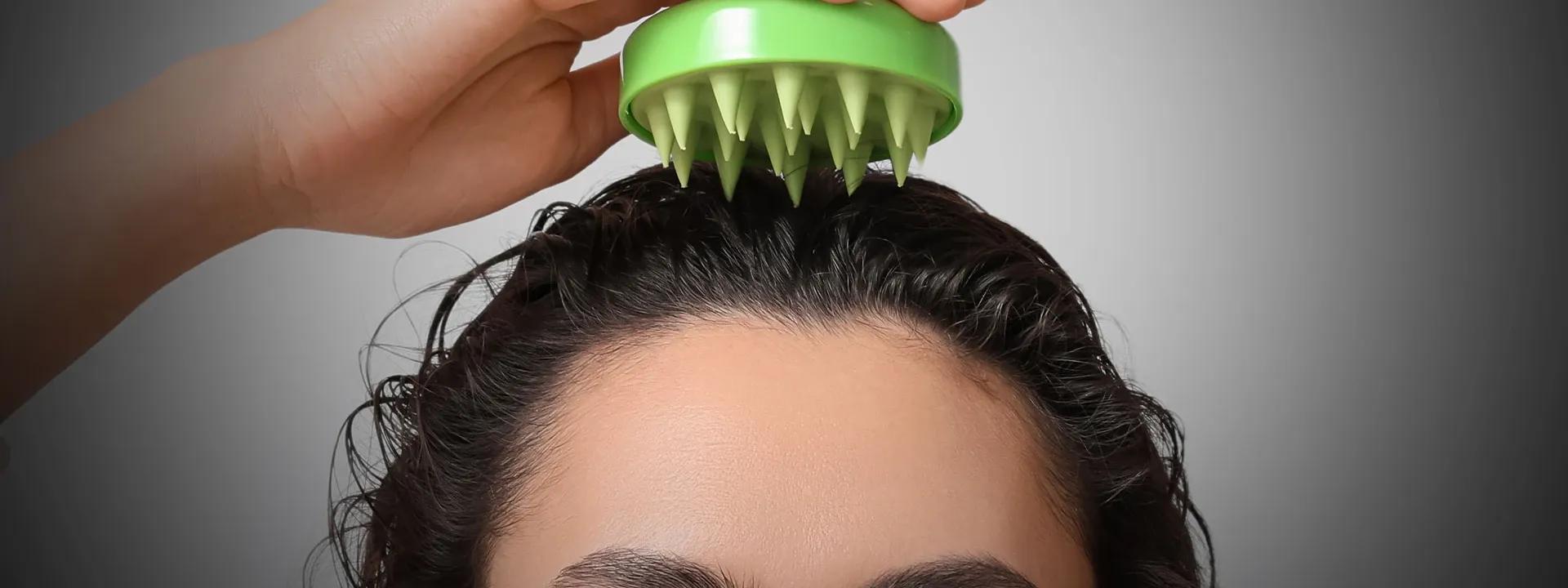

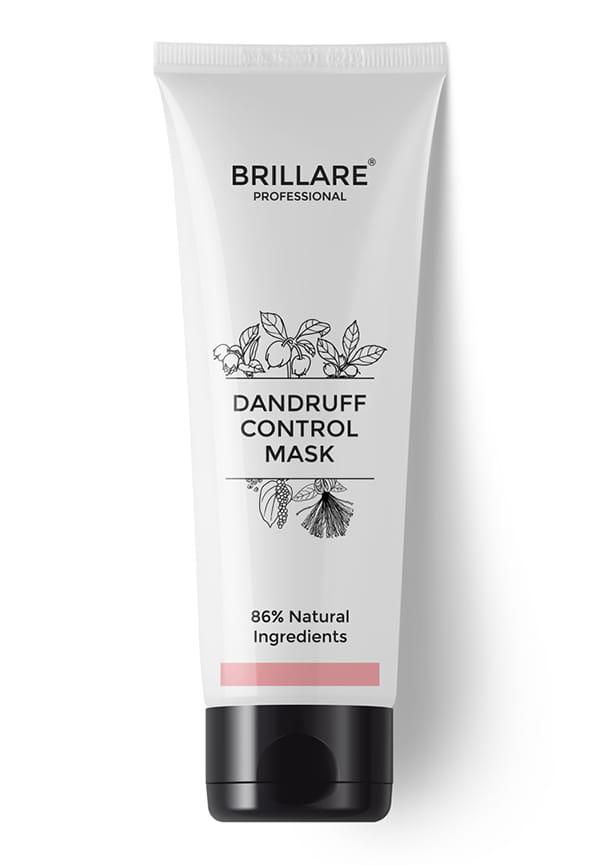
Conditioner For Itchy, Flaky Scalp
That burning, itchy sensation on your scalp hits at the worst moments. Maybe it's during an important meeting, or right when you're trying to sleep. Your fingers find their way to your head before you even realise it, and suddenly you're caught in that awful scratch-itch cycle. If this sounds familiar, you're definitely not alone. Scalp irritation affects millions of people, and the good news? There are real solutions that actually work.
When your scalp feels like it's on fire, you need relief fast. The key is understanding what actually soothes scalp irritation versus what might make things worse.
Cold therapy works wonders for immediate itchy scalp relief. Try wrapping ice cubes in a thin cloth and gently pressing against the most irritated areas for 30-second intervals. Aloe vera gel straight from the fridge provides similar cooling benefits whilst adding moisture to dry, inflamed skin.
Gentle scalp massage can boost circulation and provide natural pain relief, but technique matters. Use your fingertips (never nails) in small, circular motions. Apply just enough pressure to feel good without aggravating sensitive areas. This works especially well when combined with a few drops of diluted peppermint oil for that cooling sensation.
Anti-inflammatory ingredients like chamomile, calendula, and green tea can calm scalp inflammation quickly. Brew a strong chamomile tea, let it cool completely, then use it as a final rinse after washing your hair. The natural compounds help reduce redness and discomfort within minutes.
Here's what not to do when your scalp is screaming for relief: avoid hot water, skip the aggressive scrubbing, and resist the urge to use clarifying shampoos. These common mistakes strip away protective oils and make irritation worse.
Real talk - scalp irritation rarely happens without reason. Understanding your triggers is half the battle in preventing future flare-ups.
Product ingredients top the list of common culprits. Sulphates, parabens, artificial fragrances, and alcohol-based formulas can turn sensitive scalp care into a nightmare. Even "natural" ingredients like essential oils can cause reactions when used in high concentrations or on already compromised skin.
Environmental factors play a huge role too. Harsh weather conditions, pollution, and UV exposure all contribute to scalp inflammation. Winter heating systems dry out your scalp, whilst summer sun can literally burn the delicate skin beneath your hair. Air conditioning doesn't help either - it strips moisture from everything, including your scalp.
Hormonal changes affect scalp sensitivity more than most people realise. Pregnancy, menopause, thyroid issues, and even monthly cycles can make your scalp more reactive to products and environmental stressors. Stress hormones like cortisol also increase inflammation throughout your body, including your scalp.
Medical conditions such as seborrhoeic dermatitis, psoriasis, and eczema require specific approaches. These aren't just "sensitive skin" issues - they're legitimate medical concerns that benefit from targeted treatment strategies.
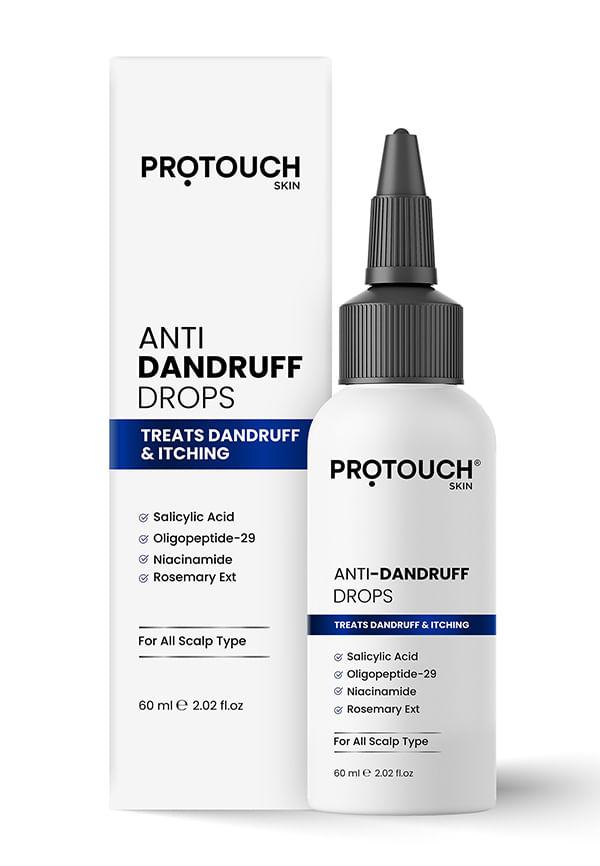
SKIN Anti Dandruff Drops Serum Soothes Itchy, Inflamed Scalp
Treating a tender scalp requires a complete rethink of your usual haircare routine. Everything from water temperature to brush choice makes a difference.
pH-balanced products are non-negotiable for sensitive scalp care. Your scalp's natural pH sits around 4.5-5.5, and products outside this range can disrupt your skin barrier. Look for shampoos specifically formulated for sensitive scalps - they're usually gentler and less likely to cause reactions.
Water temperature matters more than you might think. Hot water feels amazing in the moment, but it strips natural oils and increases inflammation. Lukewarm water cleanses effectively without aggravating tender skin. Finish with a cool rinse to close hair cuticles and provide additional soothing relief.
Your brush choice can make or break your scalp comfort. Soft-bristle brushes or wide-tooth combs work best for irritated scalps. Start detangling from the ends and work your way up to avoid pulling on sensitive roots. Never brush wet hair aggressively - it's more fragile and your scalp is more vulnerable when damp.
Protective styling gives your scalp time to heal. Loose braids, silk scrunchies, and avoiding tight ponytails reduce tension and friction. Sleep on silk or satin pillowcases to minimise overnight irritation from cotton's rougher texture.
Dry scalp often gets confused with dandruff, but they're completely different issues requiring different approaches. Dry scalp treatment focuses on restoring moisture and maintaining your skin barrier.
Natural oils work brilliantly for dry scalp relief, but application technique matters. Jojoba oil most closely mimics your scalp's natural sebum, making it ideal for sensitive skin. Coconut oil has antimicrobial properties, whilst argan oil provides deep nourishment without feeling heavy.
Apply oils to damp (not soaking) hair for better absorption. Focus on your scalp rather than hair lengths, using gentle massage motions. Leave on for 20-30 minutes before washing with a mild shampoo. Over-oiling can actually clog pores and worsen irritation.
Environmental humidity affects your scalp more than you realise. Indoor heating and air conditioning create desert-like conditions that suck moisture from your skin. A bedroom humidifier can work wonders for maintaining healthy scalp hydration, especially during winter months.
Weekly deep conditioning treatments help restore moisture balance. Look for products with hyaluronic acid, ceramides, or glycerin - ingredients that attract and hold moisture. Apply to your scalp as well as hair lengths for maximum benefit.
Diet plays a surprising role in scalp health. Omega-3 fatty acids from fish, walnuts, and flaxseeds support skin barrier function. Staying properly hydrated helps your body maintain moisture levels from the inside out.
Sometimes the best scalp calming products are sitting in your kitchen cupboard. These natural remedies have been soothing irritated scalps for generations.
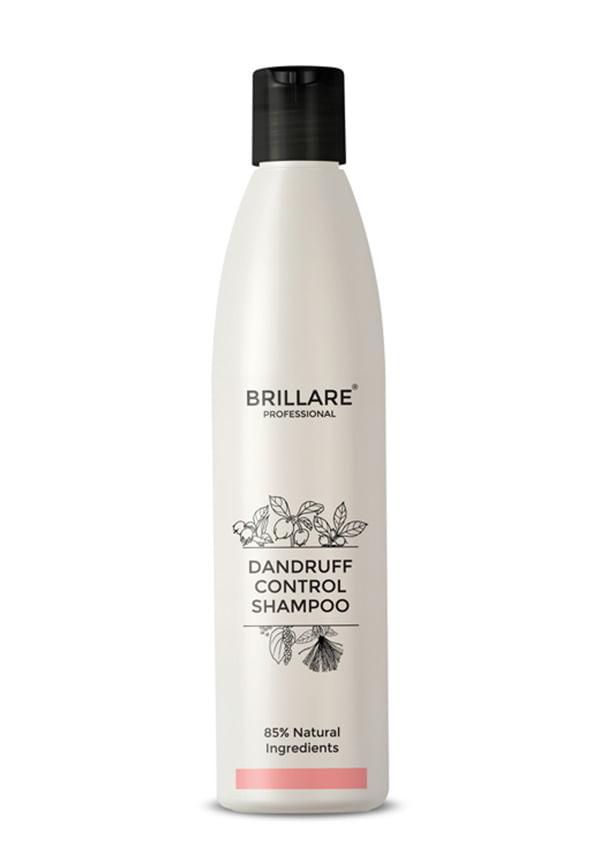
Dandruff Control Shampoo For Itchy, Flaky Scalp
Apple cider vinegar rinses help restore your scalp's pH balance whilst removing product buildup. Mix one part ACV with four parts water, apply after shampooing, and rinse thoroughly after 2-3 minutes. The acetic acid helps calm inflammation and reduce itching.
Oatmeal masks work wonders for sensitive, irritated skin. Grind plain oats into a fine powder, mix with enough water to form a paste, and apply to your scalp for 10-15 minutes. Oats contain compounds called avenanthramides that have anti-inflammatory properties.
Tea tree oil offers antimicrobial benefits, but it must be properly diluted. Never apply pure tea tree oil to your scalp - it's far too strong and can cause chemical burns. Mix 2-3 drops with a tablespoon of carrier oil like coconut or jojoba before application.
Baking soda can help with buildup removal, but use it sparingly. Mix a tablespoon with enough water to form a paste, gently massage into your scalp, then rinse thoroughly. Limit this treatment to once monthly, as overuse can disrupt your scalp's natural pH.
Sometimes home remedies aren't enough, and that's perfectly okay. Knowing when to seek professional help can save you months of frustration and prevent long-term scalp damage.
Medicated shampoos contain active ingredients that target specific scalp conditions. Salicylic acid helps remove buildup and dead skin cells. Ketoconazole fights fungal infections that can cause dandruff control issues. Zinc pyrithione reduces inflammation and controls microbial growth.
Red scalp solutions often require prescription treatments. Topical steroids can quickly reduce severe inflammation, whilst antifungal medications address underlying infections. Your dermatologist might also recommend oral medications for systemic issues affecting your scalp health.
Warning signs that require immediate medical attention include: persistent bleeding, pus-filled bumps, hair loss in patches, severe pain that interferes with sleep, or symptoms that worsen despite treatment. These could indicate serious conditions requiring professional intervention.
Many insurance plans cover dermatological treatments for medical scalp conditions. Don't let cost concerns prevent you from seeking help when you need it. Early intervention often prevents more expensive treatments down the line.
Nighttime scalp itching often intensifies due to your body's natural histamine release patterns. Histamine levels peak in the evening, making you more sensitive to irritants. Your pillow and bedding can harbour dust mites, detergent residues, or fabric softener chemicals that trigger reactions. Try switching to hypoallergenic pillowcases and washing bedding in fragrance-free detergent.
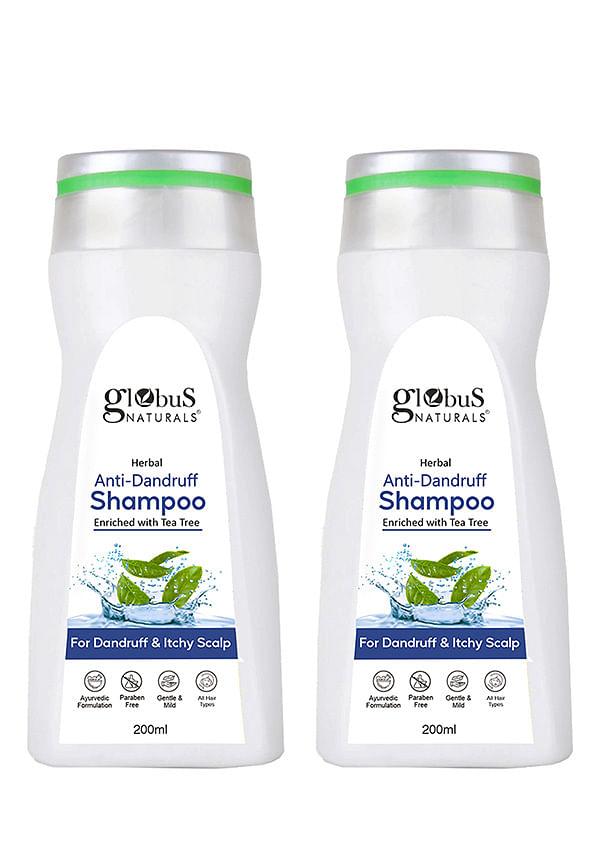
Anti Dandruff Shampoo, For Dandruff and Itchy Scalp
For instant relief, try the ice cube method - wrap ice in a thin cloth and apply to itchy areas for 30 seconds at a time. Aloe vera gel from the fridge provides immediate cooling relief. Avoid scratching, which only makes things worse. If you must touch your scalp, use gentle patting motions instead of scratching.
Absolutely. Stress hormones like cortisol increase inflammation throughout your body, including your scalp. Stress also weakens your immune system, making you more susceptible to scalp infections and reactions. Managing stress through exercise, meditation, or other relaxation techniques can significantly improve scalp health.
Common irritants include sulphates (sodium lauryl sulphate, sodium laureth sulphate), parabens, artificial fragrances, alcohol denat, and formaldehyde-releasing preservatives. Even some "natural" ingredients like peppermint, eucalyptus, or citrus oils can be too harsh for sensitive scalps when used in high concentrations.
Mild irritation from product reactions typically improves within 3-7 days of removing the trigger. More severe inflammation or medical conditions like seborrhoeic dermatitis may take 2-4 weeks to show significant improvement with proper treatment. Chronic conditions require ongoing management rather than complete "healing."
Your diet directly impacts skin health, including your scalp. Foods high in omega-3 fatty acids (salmon, walnuts, flaxseeds) support skin barrier function. Zinc deficiency can worsen scalp conditions, so include zinc-rich foods like pumpkin seeds and lean meats. Excessive sugar and processed foods may increase inflammation and worsen scalp issues.
Post-wash tenderness isn't normal and suggests your current routine is too harsh. This could be from hot water, aggressive scrubbing, or irritating products. Switch to lukewarm water, gentle massage techniques, and mild, sulphate-free shampoos. If tenderness persists, consult a dermatologist to rule out underlying conditions.
Scalp irritation doesn't have to control your life. Whether you're dealing with occasional sensitivity or chronic inflammation, the right approach can bring real relief. Start with gentle, natural methods and don't hesitate to seek professional help when needed.
Remember that healthy scalp tips aren't one-size-fits-all. What works for your friend might not work for you, and that's completely normal. Pay attention to your scalp's unique needs and adjust your routine accordingly.
Finding the right haircare for irritated scalp often involves some trial and error. Smytten's curated selection includes gentle, scalp-friendly products from trusted brands, and their trial-size options let you test new formulas without committing to full bottles. Sometimes the perfect solution is just a small trial away from discovery.
