Signs of Rain Hair Damage FAQ: Common Questions Answered

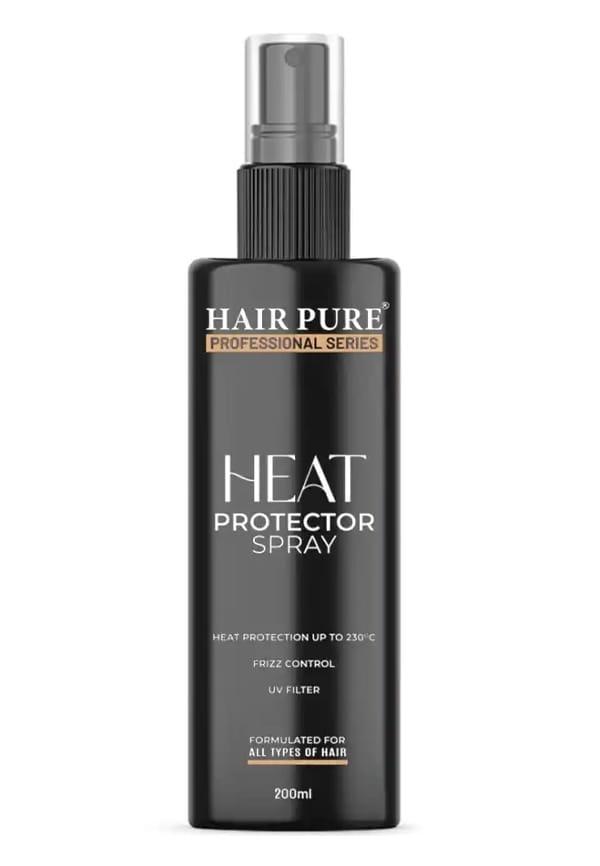
Heat Protector Spray Heat Protection Up to 230ºC, Controls Frizz
Positive Experience
 5
5“Very happy with the overall experience. Will definitely order again."”
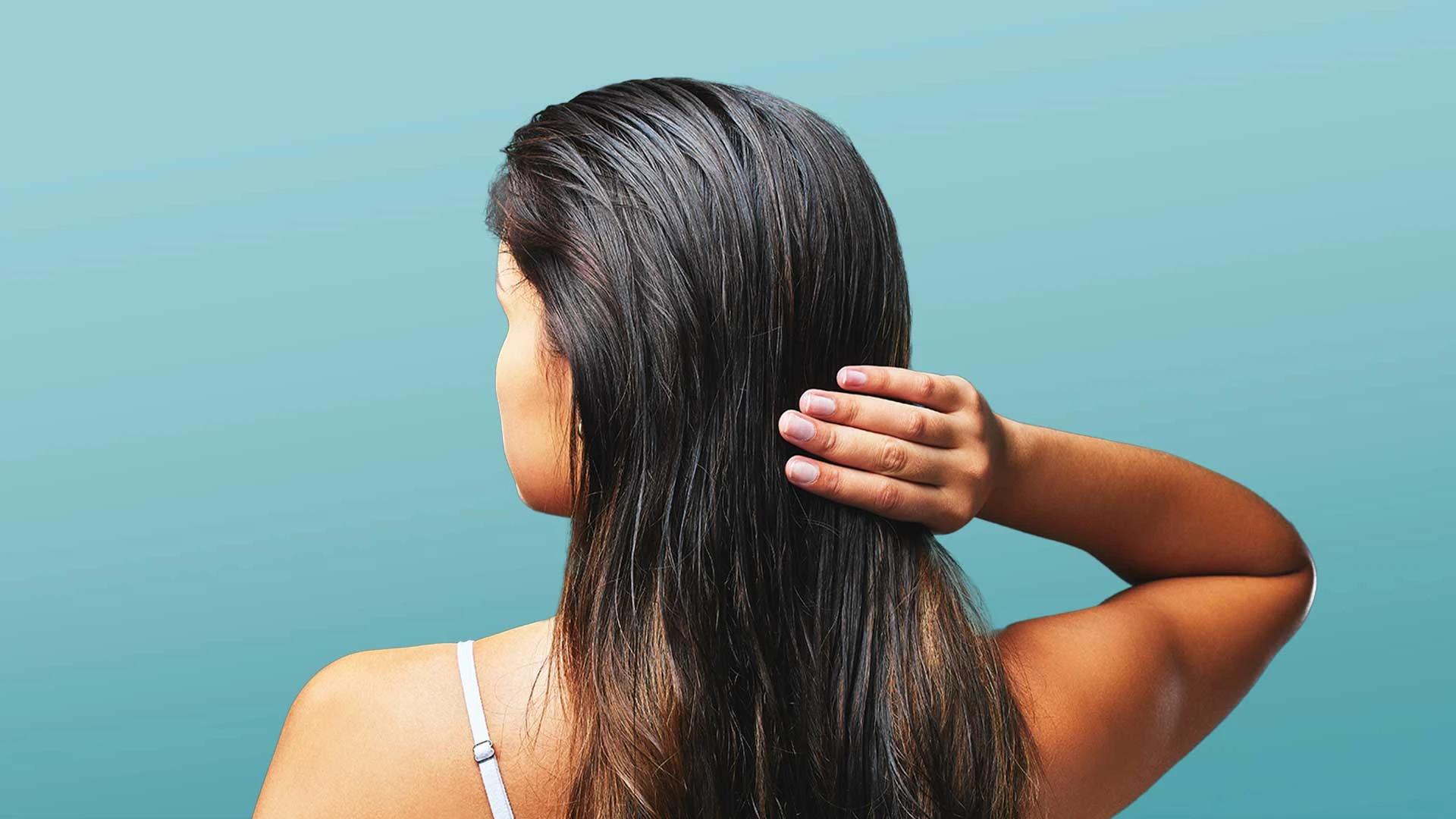
You step outside after what seemed like a light drizzle, only to catch your reflection in a shop window and wonder if your hair just went through a blender. Sound familiar? Rain can be sneaky like that — one minute you're feeling fresh, the next your hair looks like it's staging a rebellion. Whether it's sudden frizz, weird texture changes, or that flat, lifeless look, recognising the signs of rain hair damage early can save you from bigger hair disasters down the line.
Let's be real — rain hair damage doesn't always announce itself with dramatic breakage. Sometimes it's subtle, creeping up on you until one day you're wondering why your hair feels different. The most obvious signs of rain hair damage include increased frizz that seems impossible to tame, even with your usual products. Your hair might feel rougher to the touch, almost like it's lost its natural smoothness.
Split ends become more noticeable after repeated rain exposure, especially if you're not protecting your hair properly. You might also notice your hair looks duller than usual — that natural shine just isn't there anymore. When wet, damaged hair often feels mushy or overly stretchy, which is a clear indicator that the hair structure has been compromised.
Colour-treated hair shows rain hair damage differently. You might see faster fading, especially if you have highlights or vibrant colours. Blonde hair can develop a brassy tone, whilst darker colours might look muddy or lack depth. Your scalp might also react — some people experience increased oiliness as their scalp overcompensates for moisture loss, whilst others find their scalp becomes dry and flaky.
Here's where it gets interesting — rain isn't just water falling from the sky. In urban areas especially, rainwater picks up pollutants, dust, and chemicals as it falls through the atmosphere. When this contaminated water hits your hair, it can disrupt the natural pH balance of your hair and scalp.
Your hair cuticles — those protective outer layers — can lift when exposed to sudden moisture changes. This makes your hair more porous and vulnerable to further damage. The effects of rain on hair also depend on your hair's current condition. Already damaged hair will absorb water differently than healthy hair, often leading to that swollen, fragile feeling.
Humidity that comes with rainy weather creates its own set of problems. It can cause your hair to absorb moisture from the air unevenly, leading to unpredictable texture changes. Some sections might become frizzy whilst others remain flat. The constant wet-dry cycle during monsoon season is particularly harsh, as your hair never gets a chance to stabilise.
Frizzy hair in rain is basically your hair's way of saying it's confused about moisture levels. When humidity is high, your hair tries to balance its internal moisture with the environment around it. If your hair is damaged or naturally porous, it absorbs moisture from humid air, causing the hair shaft to swell and the cuticle to lift.
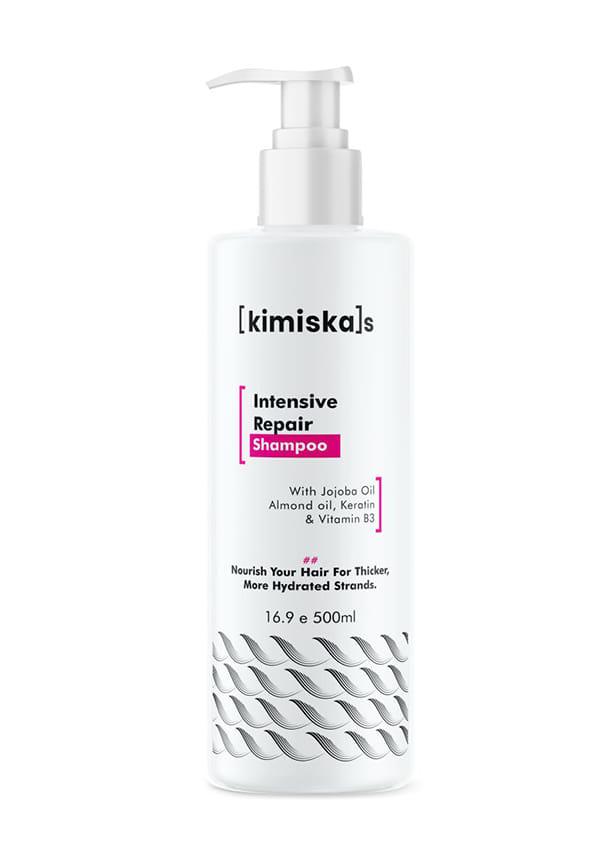
Intensive Hair Repair Shampoo for Dry and Frizzy Hair
This creates that familiar frizzy texture because each strand is reacting slightly differently to the humidity. Fine hair tends to go limp and lose volume, whilst thicker, coarser hair might become unmanageably puffy. Curly hair often becomes more defined but can also become unpredictable in its curl pattern.
The key thing to understand about humidity hair problems is that they're not just cosmetic. When your hair cuticles are constantly lifting and closing due to moisture changes, it weakens the overall structure of your hair over time. This is why people living in consistently humid climates often struggle with long-term hair health issues.
A bit of extra hair fall during monsoon season is actually quite normal. Your hair naturally goes through growth cycles, and seasonal changes can influence these patterns. The combination of increased humidity, temperature fluctuations, and lifestyle changes during rainy months can trigger a temporary increase in hair shedding.
However, there's a difference between normal seasonal shedding and weather damaged hair that's breaking due to weakness. Normal hair fall means you're losing complete strands from the root, whilst breakage shows up as shorter pieces with jagged ends. If you're noticing significantly more hair in your brush or shower drain, and it's accompanied by other signs like scalp irritation or sudden texture changes, it might be time to reassess your haircare routine.
Most people see their hair return to normal shedding patterns once the weather stabilises. If hair fall continues beyond the rainy season or seems excessive, it's worth considering other factors like stress, diet changes, or underlying scalp conditions that might be contributing to the problem.
Prevention is always easier than repair when it comes to rain damage. Start with protective styling — loose braids, buns, or ponytails can minimise direct rain exposure to your hair lengths. Avoid tight styles that can cause additional stress to wet hair, as wet hair is more fragile and prone to breakage.
Apply a leave-in conditioner or hair serum before heading out in potentially rainy weather. These products create a barrier that helps repel water and reduce moisture absorption. Look for products with silicones or natural oils that can provide this protective layer without weighing your hair down.
Invest in a good umbrella or waterproof head covering. It sounds basic, but consistent protection makes a huge difference in preventing cumulative rain damage. If you do get caught in the rain, avoid rubbing your hair with rough towels when you get home. Instead, gently squeeze out excess water and let your hair air dry when possible.
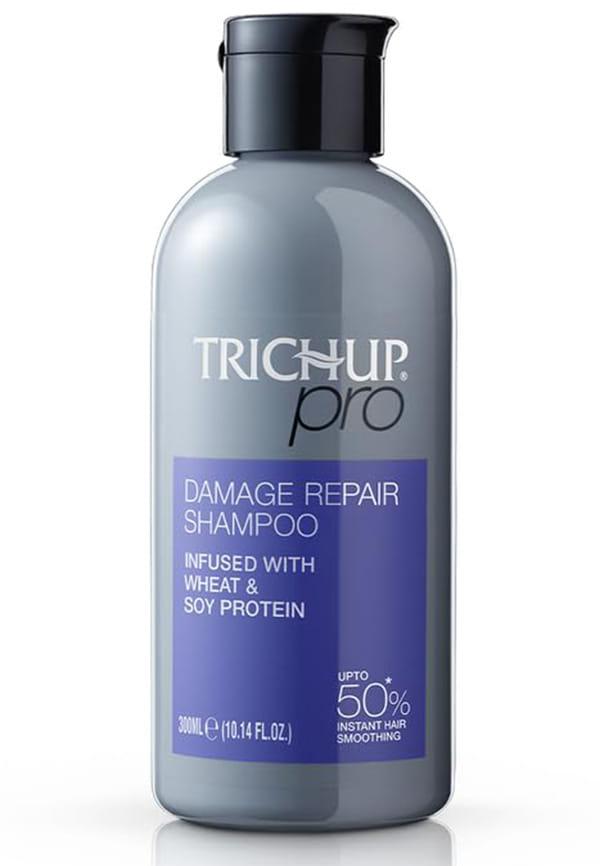
Trichup Pro Damage Repair Shampoo for Dry Frizzy Hair Instant Dual Action
Humid weather calls for a slightly different approach to your regular haircare routine. Anti-frizz hair products become essential, but choose them wisely. Heavy creams might weigh fine hair down, whilst light serums might not provide enough protection for thick, coarse hair.
Clarifying shampoos become more important during rainy seasons because they help remove pollutant buildup from rainwater. Use them once or twice a week, followed by a deep conditioning treatment to restore moisture balance. Your regular shampoo might not be strong enough to remove all the environmental buildup that accumulates during monsoon months.
Leave-in treatments with humidity-blocking ingredients can be game-changers. Look for products containing ingredients like cyclomethicone or dimethicone, which create a protective film around each hair strand. Natural options include argan oil or coconut oil applied sparingly to damp hair.
If you're already dealing with rain-damaged hair, the good news is that most damage can be improved with consistent care. Start with a protein treatment if your hair feels mushy or overly stretchy when wet. This helps rebuild the hair structure that's been compromised by moisture damage.
Deep conditioning treatments should become a weekly ritual, not an occasional treat. Focus on products that contain ceramides, amino acids, or natural oils that can penetrate the hair shaft and provide lasting moisture. The goal is to restore your hair's natural moisture balance, not just add temporary shine.
Be patient with hair damage repair — it typically takes 6-8 weeks of consistent treatment to see significant improvement. During this time, minimise heat styling and chemical treatments that could further weaken your hair. Trim split ends regularly to prevent them from travelling up the hair shaft.
Healthy wet hair should feel smooth and maintain some elasticity when gently stretched. Damaged hair feels mushy, overly stretchy, or breaks easily when wet. You might also notice that damaged hair takes much longer to dry or feels sticky to the touch. Split ends become more visible when hair is wet, and the overall texture feels rougher than usual.
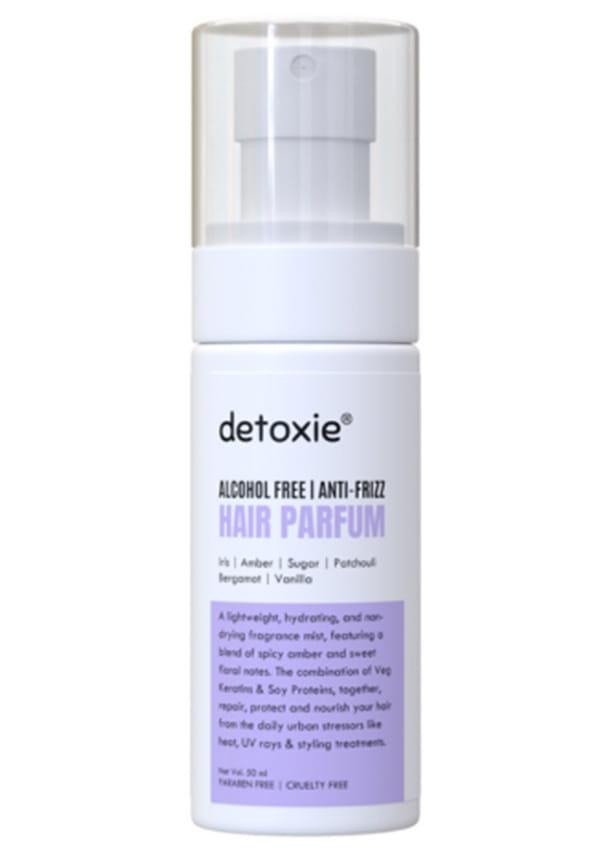
Alcohol Free Anti-Frizz Hair Parfum
Nice product with good fragrance
4“Its nice product with good fragrance”
Positive Product Review
5“good for use. smells nice. can order again.”
Most seasonal hair fall during monsoon months is temporary and will regrow naturally once your hair adjusts to the weather changes. This typically takes 2-3 months after the rainy season ends. However, if the hair fall is due to actual damage rather than natural shedding cycles, you'll need to address the underlying cause with proper haircare and possibly professional treatments.
Focus on keeping your scalp clean and healthy with regular washing using a gentle shampoo. Avoid harsh brushing when hair is wet, and use a wide-tooth comb instead. Protect your hair from direct rain exposure, and maintain a balanced diet rich in vitamins and minerals. If hair fall seems excessive, consider using strengthening treatments with ingredients like biotin or keratin.
Both seasons present different challenges. Summer heat and UV exposure can cause dryness and colour fading, whilst monsoon brings humidity, pollution, and constant wet-dry cycles. Monsoon damage tends to affect hair texture and strength, whilst summer damage often shows up as dryness and brittleness. The key is adapting your routine to each season's specific challenges.
Rain damage involves direct contact with potentially polluted water that can disrupt your hair's pH balance and deposit harmful substances. Humidity damage is more about moisture imbalance in the air causing frizz and texture changes. Rain damage can be more severe and longer-lasting, whilst humidity effects are often temporary and can be managed with the right products.
You might need to switch to a clarifying shampoo 1-2 times per week during heavy rain periods to remove pollutant buildup. Your regular shampoo can still be used on other days, but make sure it's gentle enough for frequent washing if you're getting caught in the rain often. Follow up with a good conditioner to maintain moisture balance.
With consistent care, you should start seeing improvement in 4-6 weeks, with significant recovery taking 2-3 months. This timeline depends on the severity of damage and how well you stick to a repair routine. Severely damaged hair might need professional treatments and could take longer to fully recover.
Understanding the signs of rain hair damage helps you catch problems early and take action before they become major concerns. Remember that prevention is always easier than repair, so investing in protective measures during rainy weather pays off in the long run. Your hair's reaction to rain and humidity is unique to your hair type and current condition, so don't be afraid to experiment with different products and techniques to find what works best for you.
The most important thing is consistency — whether you're preventing damage or repairing existing issues, regular care makes all the difference. Pay attention to how your hair responds to different weather conditions and adjust your routine accordingly. Not sure which products might work for your specific hair concerns? Smytten offers trial-size versions of many haircare products from trusted brands — a smart way to test different formulations before committing to full-size bottles.
