Signs of Dandruff FAQ: Understanding Itchy Scalp & Flaky Scalp

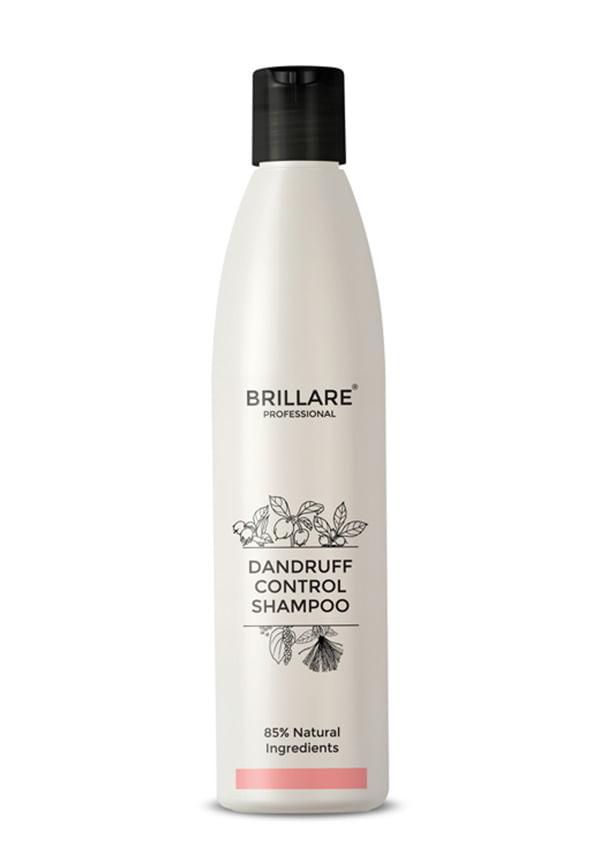
Dandruff Control Shampoo For Itchy, Flaky Scalp
That awkward moment when you're wearing a black top and suddenly notice white flakes scattered across your shoulders like unwanted confetti. Or when your scalp starts itching so intensely during an important meeting that you can't focus on anything else. Sound familiar? You're definitely not alone in this struggle. Nearly 50% of adults deal with dandruff at some point, yet many of us aren't quite sure how to spot the early signs or understand what's actually happening up there. Let's dive into everything you need to know about recognising the signs of dandruff, because the sooner you catch it, the easier it becomes to manage.
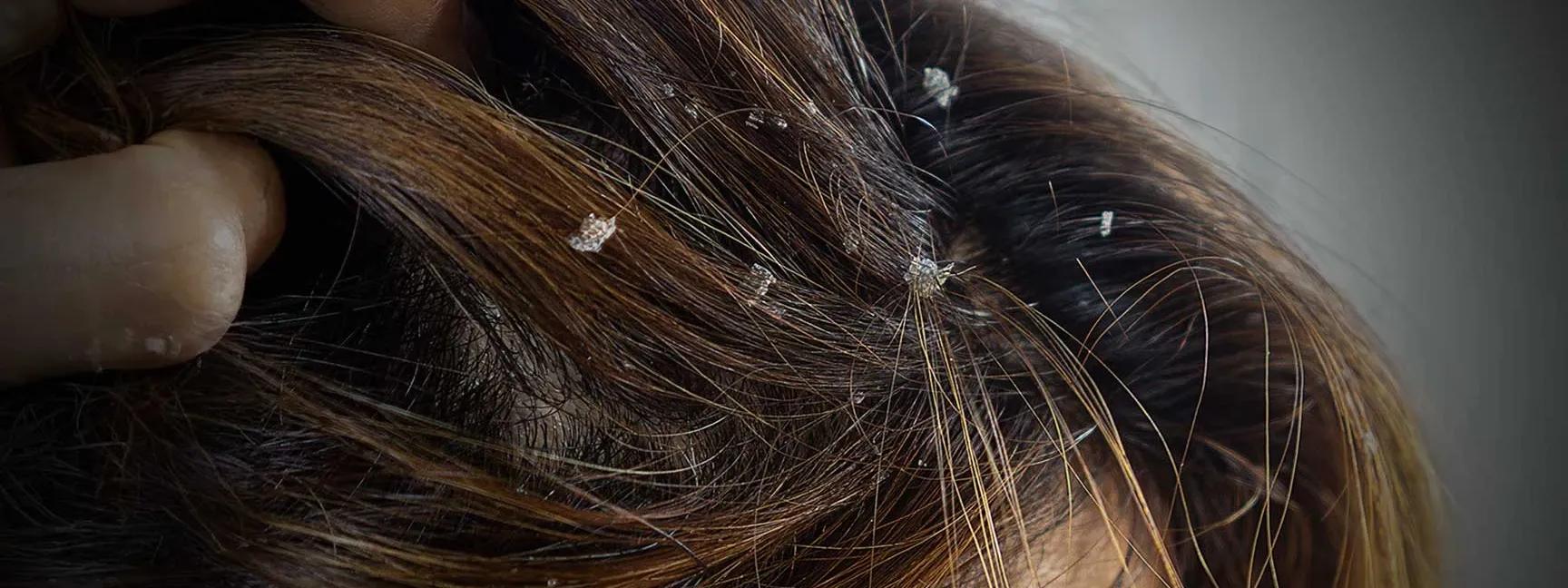
Real talk—dandruff doesn't just appear overnight with a dramatic announcement. It usually starts subtly, and by the time you notice those telltale flakes, it's been building up for a while. The most obvious signs of dandruff include visible white or yellowish flakes on your scalp, in your hair, and inevitably on your clothes. But here's where it gets interesting: not all flakes are created equal.
If you're dealing with an itchy scalp that feels like it needs constant scratching, that's often your first clue. The itching usually comes before the visible flaking, making it an early warning sign worth paying attention to. Your scalp might also feel tight or irritated, especially after washing your hair or when you're stressed.
The flakes themselves can tell you a lot about what's going on. Dandruff typically produces larger, oily flakes that are yellowish in colour, while a dry scalp tends to create smaller, white flakes. If you're seeing greasy-looking flakes that stick to your hair rather than falling freely, that's a classic sign of dandruff rather than simple dryness.
Check your scalp in good lighting—you might notice red, scaly patches or areas that look inflamed. The skin might appear slightly thicker in some spots, and you could see a combination of flaking and oiliness. Your hair might also feel greasier than usual, even shortly after washing, because dandruff often comes with increased oil production.
Many people notice their flaky scalp symptoms worsen during certain seasons, particularly winter when indoor heating dries out the air. Stress can also trigger flare-ups, as can hormonal changes. If you find yourself dealing with more intense itching or larger patches of flaking during these times, it's likely dandruff rather than a temporary dry spell.
Here's where things get a bit tricky—several scalp conditions can look similar to dandruff, but they need different approaches. Understanding these differences can save you from trying the wrong treatments and getting frustrated when nothing seems to work.
A dry scalp produces small, white flakes that fall easily from your hair, while dandruff creates larger, more oily flakes that tend to stick around. Dry scalp usually doesn't come with the same level of itching, and the flakes are typically finer and less noticeable on dark clothing. If your scalp feels tight after washing but doesn't itch much, you're probably dealing with dryness rather than true dandruff.
Seborrheic dermatitis is like dandruff's more intense cousin. It creates thick, scaly patches that can be quite red and inflamed. These patches often extend beyond just your scalp to areas like your eyebrows, sides of your nose, or behind your ears. The flaking is usually more severe, and the itching can be pretty intense.
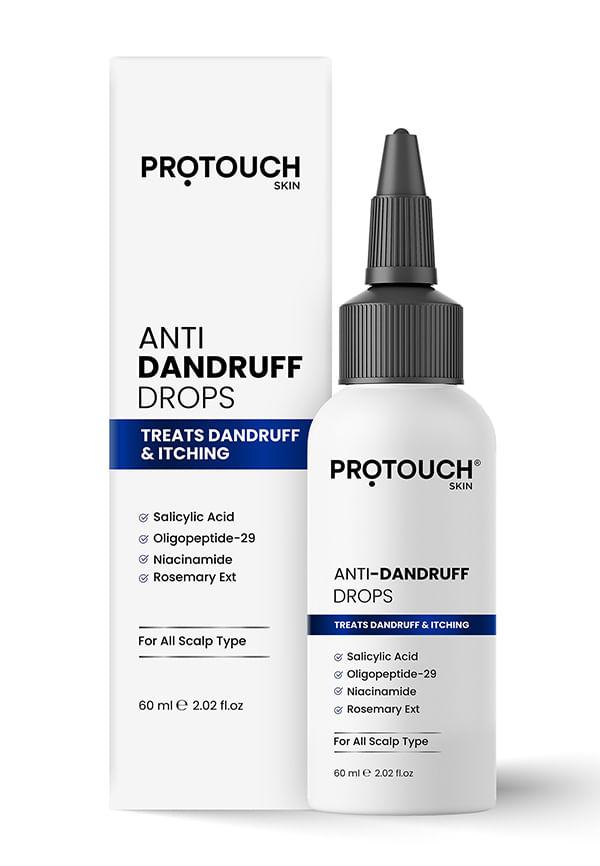
SKIN Anti Dandruff Drops Serum Soothes Itchy, Inflamed Scalp
Psoriasis creates thick, silvery scales and can be quite painful rather than just itchy. Contact dermatitis might develop if you're reacting to a new hair product, causing redness and irritation in specific areas where the product was applied. Fungal infections can also mimic dandruff but usually come with more severe symptoms and might require prescription treatment.
The main culprit behind most dandruff cases is a fungus called Malassezia, which naturally lives on everyone's scalp but can overgrow in some people. This fungus feeds on the oils your scalp produces, and when it multiplies too much, it can irritate your skin and speed up cell turnover, leading to those annoying flakes.
Several dandruff causes can trigger this overgrowth. Hormonal changes, particularly during puberty or times of stress, can increase oil production and create the perfect environment for Malassezia to thrive. Some people are simply more sensitive to this fungus than others, which explains why dandruff can run in families.
Environmental factors play a role too. Cold, dry weather can worsen symptoms, as can using hair products that are too harsh or not washing your hair frequently enough. Interestingly, both over-washing and under-washing can contribute to the problem—it's all about finding that sweet spot for your particular scalp.
Certain medical conditions like Parkinson's disease or HIV can increase your risk of developing seborrheic dermatitis. Age is also a factor—dandruff is most common in young adults but can affect people of any age. Even your diet might play a role, with some research suggesting that diets high in sugar and processed foods could worsen symptoms.
The good news is that most cases of dandruff respond well to treatment once you find the right approach. Over-the-counter dandruff shampoos are usually the first line of defence, and they come with different active ingredients that target the problem in various ways.
Zinc pyrithione is probably the most common ingredient you'll find—it's antifungal and antibacterial, helping to control the Malassezia fungus. Selenium sulfide slows down cell turnover and also has antifungal properties. Ketoconazole is a stronger antifungal that's available both over-the-counter and by prescription, depending on the concentration.
When using any dandruff treatment, consistency is key. Most people need to use medicated shampoo 2-3 times per week initially, then can often scale back to once a week for maintenance. Make sure to leave the shampoo on your scalp for a few minutes before rinsing—this gives the active ingredients time to work.
If over-the-counter options aren't cutting it after 4-6 weeks of consistent use, it might be time to see a dermatologist. They can prescribe stronger medicated shampoos or topical treatments, and more importantly, they can confirm whether you're actually dealing with dandruff or another scalp condition that needs a different approach.
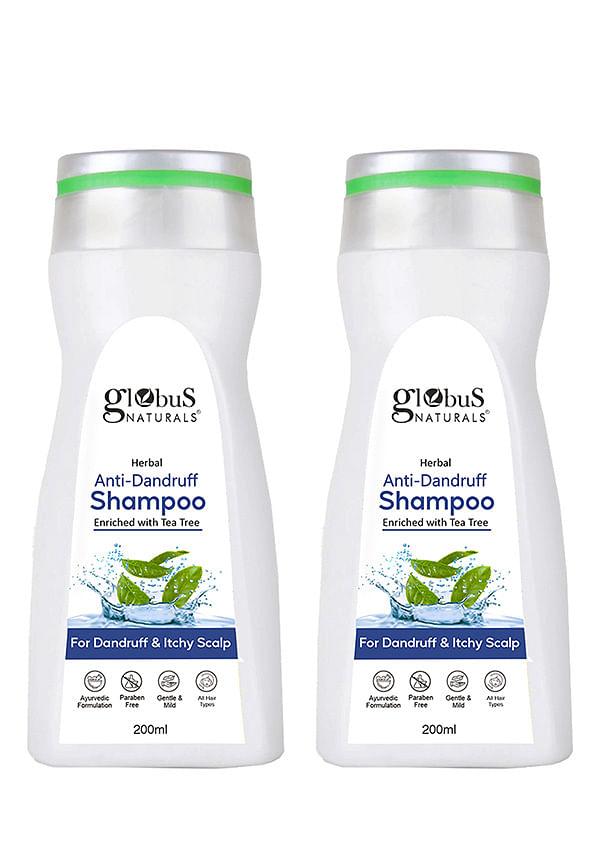
Anti Dandruff Shampoo, For Dandruff and Itchy Scalp
While medicated shampoos are usually the most effective dandruff treatment, some home remedies for dandruff can provide additional relief or work well for mild cases. Tea tree oil has natural antifungal properties and can be mixed with your regular shampoo—just a few drops will do, as it's quite potent.
Apple cider vinegar rinses can help restore your scalp's natural pH balance and may reduce fungal growth. Mix equal parts water and apple cider vinegar, apply to your scalp after shampooing, leave for a few minutes, then rinse thoroughly. The smell isn't the most pleasant, but many people swear by this method.
Coconut oil can be helpful if you're dealing with a combination of dandruff and dry scalp. Its moisturising properties can soothe irritation, and it also has some antifungal effects. Warm a small amount and massage it into your scalp before shampooing.
Managing stress through regular exercise, adequate sleep, and relaxation techniques can help reduce flare-ups. Some people find that reducing dairy or sugar in their diet helps, though the evidence for this is mostly anecdotal. What's more important is maintaining good overall scalp hygiene and being gentle with your hair and scalp.
When you need faster results, combining treatments can be more effective than using just one approach. You might alternate between different types of medicated shampoos to prevent your scalp from getting used to one ingredient. Some people find success using a medicated shampoo followed by a gentle, moisturising conditioner to prevent over-drying.
For immediate itch relief, try applying a small amount of aloe vera gel to your scalp—it's cooling and anti-inflammatory. Cold compresses can also provide temporary relief from intense itching, though obviously this isn't a long-term solution.
The key to faster results is consistency and patience. Most treatments take at least 2-4 weeks to show significant improvement, and it's important not to switch products too quickly. Give each approach time to work before deciding it's not effective.
The main signs of dandruff include visible white or yellowish flakes on your scalp and shoulders, persistent itchy scalp, and often an oily or greasy feeling to your hair even after washing. The flakes from dandruff are typically larger and more oily than those from simple dry scalp, and they tend to stick to your hair rather than falling freely. You might also notice red or inflamed patches on your scalp.
Dry scalp produces small, white flakes that fall easily and is usually accompanied by a tight feeling after washing. Dandruff creates larger, yellowish, oily flakes that stick to hair and scalp, often with more intense itching. Dry scalp is typically caused by lack of moisture, while dandruff is usually related to fungal overgrowth and increased oil production.
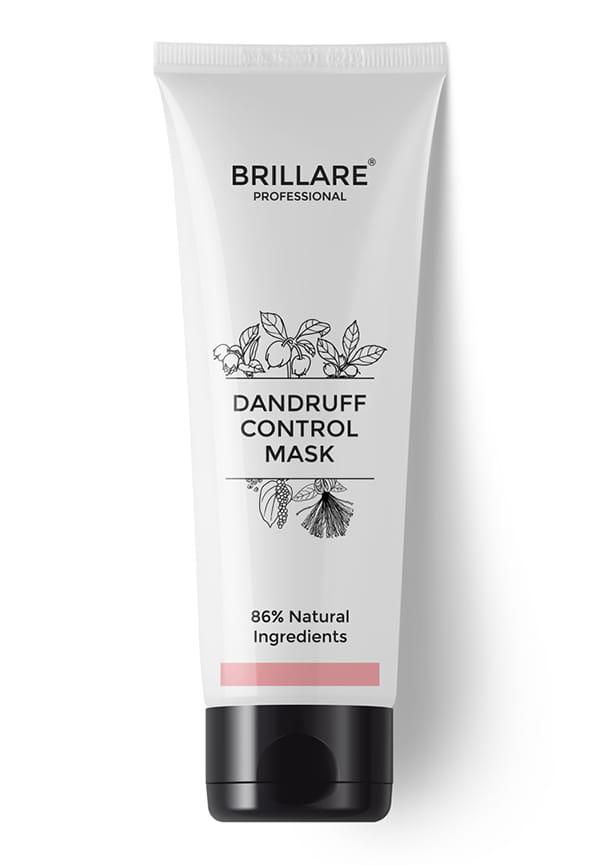
Conditioner For Itchy, Flaky Scalp
Dandruff itself doesn't directly cause permanent hair loss, but excessive scratching due to an itchy scalp can damage hair follicles and lead to temporary hair breakage or thinning. Severe cases of seborrheic dermatitis might cause some hair loss, but this usually grows back once the condition is properly treated.
Most people see improvement within 2-4 weeks of consistent treatment with medicated shampoos. However, it can take up to 8 weeks to see full results, and many people need ongoing maintenance treatment to prevent symptoms from returning. The key is consistency and patience with your chosen treatment approach.
No, dandruff is not contagious. While it's often caused by a fungus that naturally lives on everyone's scalp, you can't catch dandruff from someone else. The condition develops due to individual factors like genetics, hormone levels, and scalp sensitivity rather than transmission between people.
Antifungal ingredients like ketoconazole, selenium sulfide, and zinc pyrithione are typically the most effective at controlling dandruff quickly. Ketoconazole is often considered the strongest over-the-counter option. For fastest results, use medicated shampoo consistently 2-3 times per week and leave it on your scalp for several minutes before rinsing.
While the connection isn't fully proven, some people find that reducing sugar, dairy, or processed foods helps manage their symptoms. Foods rich in omega-3 fatty acids, zinc, and B vitamins might support overall scalp health. However, dietary changes alone are rarely enough to treat dandruff—they work best alongside proper topical treatments.
Recognising the signs of dandruff early can make treatment much more straightforward and effective. Remember that persistent itchy scalp, visible flakes, and oily-feeling hair are your main warning signs, and these symptoms are different from simple dry scalp conditions. Most cases respond well to consistent use of medicated shampoos, though it might take some trial and error to find what works best for your particular scalp.
The most important thing is not to ignore the symptoms or hope they'll go away on their own—dandruff typically needs active treatment to improve. If over-the-counter options aren't working after 6-8 weeks of consistent use, don't hesitate to consult a dermatologist for stronger treatments or to rule out other scalp conditions.
When you're ready to explore different haircare solutions, Smytten offers a curated selection of scalp and hair treatments from trusted brands. Not sure which approach might work for your specific scalp concerns? The platform also offers trial-size versions of many haircare products—a smart way to test different formulations before committing to full-size bottles.
