Shampoo vs Conditioner FAQ: Your Hair Care Questions Answered


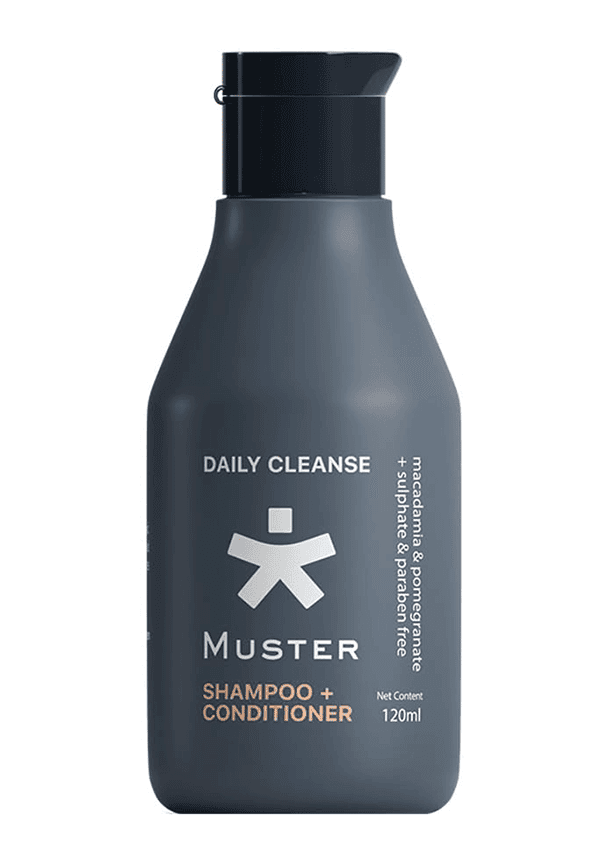
Deep Cleanse Shampoo + Conditioner
Ever stood in the shower, staring at two bottles, wondering if you actually need both? You're not alone. The whole shampoo vs conditioner thing can feel like one of those beauty mysteries that everyone just assumes you know. But here's the thing—understanding the difference between shampoo and conditioner is actually the foundation of any decent hair care routine. Think of it like this: shampoo is your hair's reset button, while conditioner is its recovery mode. Let's sort this out once and for all.
Real talk—these two products are basically opposites that somehow work perfectly together. It's like having a best friend who's your complete opposite but makes you better. The main difference comes down to what they're designed to do: one strips, the other soothes.
Shampoo is all about the cleanse. Its job is to remove everything your hair has collected throughout the day—oil, sweat, pollution, that dry shampoo you sprayed on yesterday. It contains surfactants (fancy word for cleaning agents) that break down oils and lift away dirt. When you're learning how to use shampoo properly, focus on your scalp rather than the lengths of your hair. Your scalp produces the oils, so that's where the cleaning action needs to happen. The hair cleansing process is pretty straightforward: wet hair, apply shampoo to roots, massage gently, rinse thoroughly.
While shampoo strips away the grime, it also removes some of your hair's natural protective oils. That's where conditioner swoops in to save the day. The benefits of conditioner go beyond just making your hair feel soft—it actually smooths down the hair cuticle (the outer layer), which reduces frizz and adds shine. Hair conditioning agents work by depositing moisturising ingredients onto the hair shaft, filling in any gaps or damage. When to use conditioner is pretty much always after shampooing, focusing on mid-lengths to ends rather than the roots.
Here's where it gets interesting—shampoo and conditioner are chemically designed to counteract each other. Shampoo has a higher pH that opens up the hair cuticle for deep cleaning, while conditioner has a lower pH that closes it back down and seals in moisture. This is why 2-in-1 products often feel like a compromise. You can't effectively cleanse and condition at the same time without one process interfering with the other.
Getting your hair wash routine right isn't rocket science, but there are definitely some tricks that make all the difference. It's about working with your hair's natural structure rather than against it.
Start with lukewarm water—hot water strips your hair and scalp of natural oils, while cold water doesn't cleanse effectively. Wet your hair thoroughly before applying shampoo. Use about a coin-sized amount (less for short hair, more for long or thick hair) and focus on massaging it into your scalp with your fingertips, not your nails. Work it through for about 30 seconds, then rinse completely. If your hair feels squeaky clean, you've probably rinsed enough.
After shampooing, gently squeeze excess water from your hair—conditioner works better on damp rather than soaking wet hair. Apply conditioner from mid-length to ends, avoiding the roots unless you have very dry hair. Leave it on for 2-3 minutes (longer for damaged hair), then rinse with cool water to seal the cuticle and lock in moisture. The cool rinse also adds extra shine.
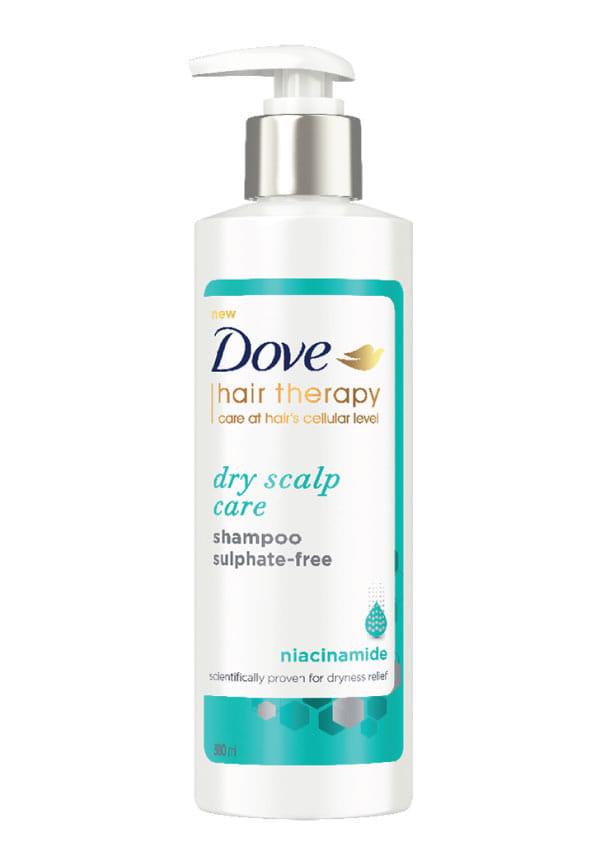
Hair Therapy Dry Scalp Care Sulphate-Free Shampoo
How often you need to shampoo depends on your hair type and lifestyle. Oily hair might need daily washing, while dry or curly hair can often go 2-3 days between washes. Fine hair tends to look greasy faster, while thick hair can handle longer intervals. The key is finding your sweet spot—enough to keep your scalp healthy, not so much that you're stripping your hair.
Not all shampoos and conditioners are created equal. Understanding the different types of hair cleansers and treatment products helps you choose what works best for your specific needs.
Clarifying shampoos are your heavy-duty option for removing product buildup, but use them sparingly. Moisturising shampoos are gentler and better for daily use, especially if you have dry or damaged hair. Colour-safe formulas are essential if you've got highlights or dye—they're usually sulfate-free to prevent fading. Sulfate-free shampoos are gentler overall but might not cleanse as thoroughly, so you might need to shampoo twice.
Regular rinse-out conditioners are your everyday option, while leave-in conditioners provide ongoing protection and moisture. Deep conditioning treatments are like a spa day for your hair—use them weekly or bi-weekly depending on your hair's condition. Protein conditioners help strengthen damaged hair, while moisture-based formulas focus on hydration. Hair treatment products like these can really transform your hair's health over time.
If you're dealing with hair loss, look for gentle, sulfate-free formulas that won't irritate your scalp. Colour-treated hair needs products with UV protection and colour-locking ingredients. Chemically processed hair (permed, relaxed, or heavily bleached) benefits from protein treatments and extra-moisturising formulas.
The short answer? For most people, yes. But let's break down why both products earn their place in your hair care essentials lineup.
Your hair needs both cleansing and conditioning to stay healthy. Cleansing removes buildup that can weigh hair down and clog follicles, while conditioning maintains moisture balance and protects against damage. Professional stylists consistently recommend using both because they address different aspects of hair health. Skipping one or the other long-term usually leads to either greasy, buildup-heavy hair or clean but dry, brittle strands.
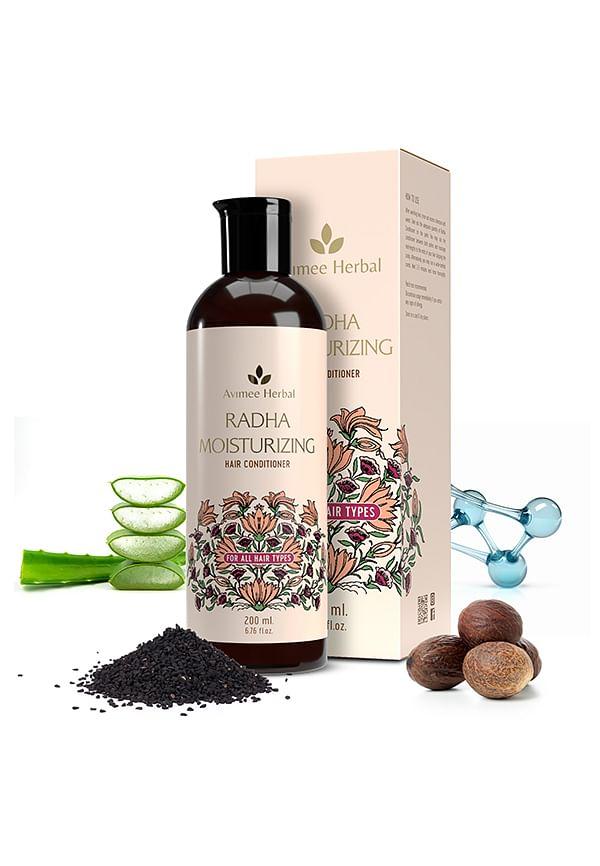
Radha Moisturizing Hair Conditioner
Co-washing (conditioner-only washing) works well for very dry, curly, or chemically treated hair that doesn't produce much oil. Some people with these hair types can cleanse with conditioner 2-3 times per week and only use shampoo once weekly. However, if you have fine or oily hair, co-washing might leave your hair looking limp and greasy.
The eternal question: convenience or effectiveness? 2-in-1 products definitely have their place, but understanding when they work (and when they don't) helps you make the right choice.
2-in-1 products use conditioning agents that only activate after the cleansing phase, but this compromise means neither function works as effectively as separate products. They're best for people with normal, healthy hair who want convenience over optimised results. If you're travelling or have a super simple routine, they can work well short-term.
If you have any specific hair concerns—damage, colour-treatment, extreme dryness or oiliness—separate products will always give better results. You can customise each step to your hair's needs rather than settling for a one-size-fits-all approach. Long-term hair health definitely benefits from targeted products.
You need both for optimal hair health, but if you had to choose just one, it depends on your hair type. Oily hair types would benefit more from shampoo to prevent buildup, while dry or damaged hair might do better with conditioner-only washing. However, this isn't a long-term solution—your hair needs both cleansing and conditioning to stay healthy.
Co-washing works well for very dry, curly, or chemically treated hair that doesn't produce much natural oil. The conditioning agents in conditioner can provide gentle cleansing while maintaining moisture. However, if you use styling products regularly or have oily hair, you'll need shampoo to properly remove buildup.
For most hair types, yes. Shampoo cleanses your scalp and removes buildup, while conditioner restores moisture and smooths the hair cuticle. Using only shampoo can leave hair dry and tangled, while using only conditioner might not cleanse thoroughly enough, leading to buildup over time.
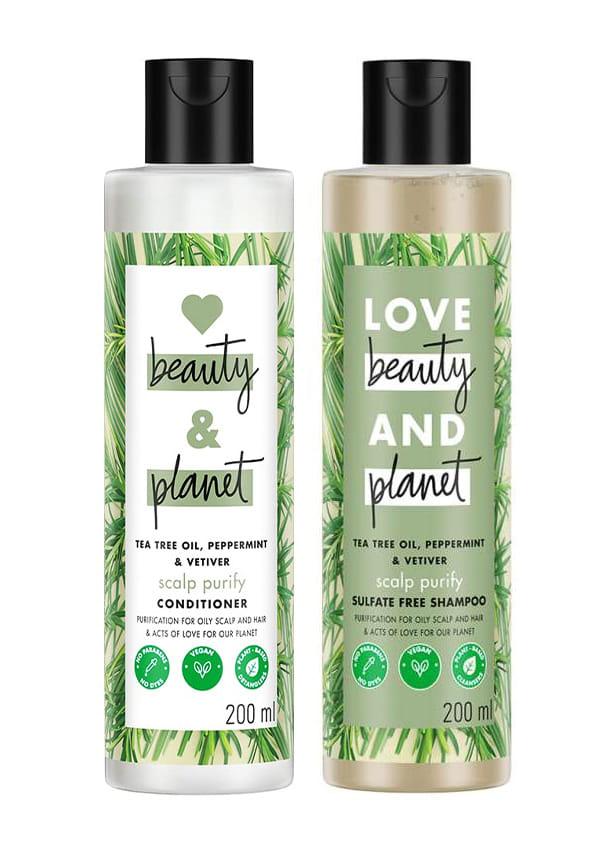
Tea Tree, Peppermint & Vetiver Sulfate Free Purifying Shampoo & Conditioner
Absolutely. Shampoo raises the hair's pH and opens the cuticle for cleaning, while conditioner lowers the pH and closes the cuticle, sealing in moisture and smoothing the hair surface. Skipping conditioner after shampooing leaves your hair vulnerable to damage and tangling.
This technique, called reverse washing, can work for fine hair that gets weighed down by conditioner. Apply conditioner first, rinse, then shampoo. The shampoo removes excess conditioning agents while leaving just enough moisture. It's worth trying if traditional methods leave your hair feeling heavy.
This depends on your hair type and lifestyle. Generally, use conditioner every time you shampoo. Shampoo frequency varies—daily for oily hair, every 2-3 days for normal hair, and 1-2 times per week for very dry or curly hair. Listen to your hair and adjust accordingly.
Getting the most from your shampoo and conditioner isn't just about which products you choose—it's about how you use them and understanding what your specific hair type needs.
Fine hair needs lightweight, volumising formulas that won't weigh it down. Look for words like "clarifying" or "volumising" on shampoo bottles, and choose light conditioners or even leave-in sprays. Thick hair can handle richer, more moisturising formulas. Oily scalps benefit from clarifying shampoos and lightweight conditioners applied only to ends. Dry scalps need gentle, moisturising shampoos and rich conditioners.
Over-shampooing strips your hair of natural oils, leading to dryness and potential overproduction of oil as your scalp tries to compensate. Under-conditioning leaves hair vulnerable to damage and tangling. Applying conditioner to roots can make fine hair look greasy, while not conditioning enough can leave thick hair unmanageable. Also, using products with conflicting ingredients (like protein and moisture treatments at the same time) can cause imbalance.
Salon-quality products often have more concentrated active ingredients and fewer harsh sulfates, but drugstore options can work well too—it's about finding what suits your hair. If you're struggling with persistent hair issues, consulting a trichologist or experienced stylist can help identify underlying problems. Building an effective routine takes time, so give new products at least 4-6 weeks to show results.
Understanding the difference between shampoo and conditioner really comes down to this: they're a team, not competitors. Shampoo resets your hair and scalp, while conditioner restores and protects. Using both products correctly—shampoo for cleansing, conditioner for moisture—gives you the best foundation for healthy hair. Whether you're dealing with oily roots, dry ends, or anything in between, the right hair wash routine makes all the difference. Not sure which formulas work best for your hair type? Smytten offers trial-size versions of many popular haircare products—a smart way to test different options before committing to full bottles.
