Shampoo for Oily Scalp FAQ: Your Greasy Hair Questions Answered


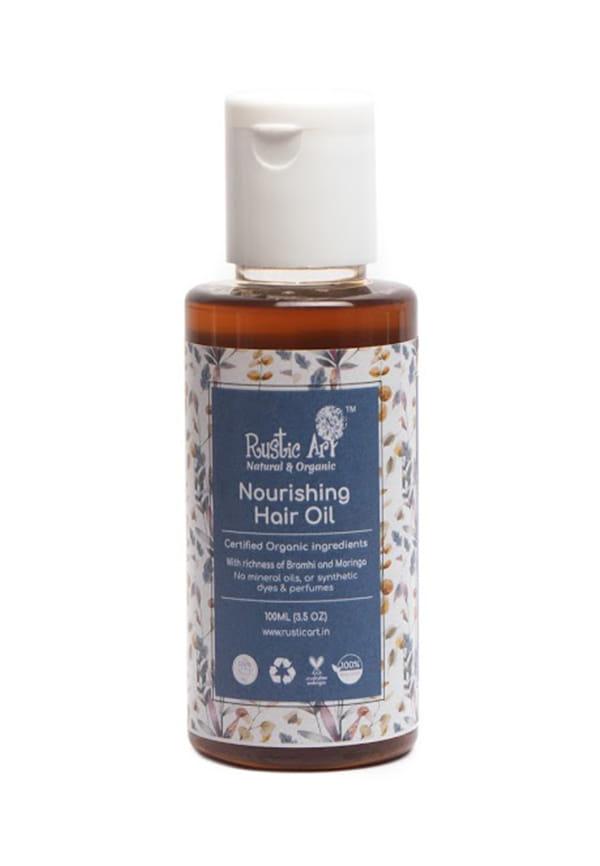
Organic Nourishing Hair Oil
You know that feeling when you wash your hair at night, and by morning it already looks like you dunked your head in a vat of oil? Yeah, we've all been there. Oily scalp struggles are real, and finding the right shampoo can feel like searching for a needle in a haystack. The good news? You're not stuck with greasy roots forever. Let's dive into everything you need to know about choosing and using the perfect shampoo for your oily scalp situation.
Before we get into the nitty-gritty of product recommendations, let's talk about what's actually happening up there. Your scalp has sebaceous glands that produce sebum (natural oil), and sometimes these little guys get a bit too enthusiastic about their job. Genetics play a huge role here, but so do hormones, stress levels, and even the weather.
Real talk: if your hair looks greasy within 24 hours of washing, feels heavy at the roots, or you can literally see oil buildup when you part your hair, you're dealing with an oily scalp situation. Some people also notice their scalp feels itchy or develops dandruff alongside the excess oil production.
Your sebaceous glands can go into overdrive for several reasons. Hormonal changes during puberty, pregnancy, or even your monthly cycle can ramp up oil production. Overwashing might seem logical, but it actually backfires by stripping your scalp, which then produces even more oil to compensate. Hot, humid weather and using heavy styling products can also contribute to that greasy feeling.
Beyond the obvious greasiness, watch out for scalp irritation, clogged hair follicles, or that weighted-down feeling that makes your hair look flat. If regular shampoo isn't cutting it anymore, it's time to switch to something specifically formulated for oily scalp concerns.
Not all shampoos are created equal, especially when you're dealing with excess oil. The best shampoo for oily hair needs to balance thorough cleansing without completely stripping your scalp. Think of it as finding that sweet spot between squeaky clean and overly harsh.
Look for formulas that contain salicylic acid, which helps dissolve oil buildup and unclog pores around your hair follicles. Tea tree oil is another winner for its natural antibacterial properties and ability to regulate sebum production. Clay-based ingredients like kaolin or bentonite are brilliant for absorbing excess oil without being too aggressive.
Zinc pyrithione isn't just for dandruff shampoos—it's fantastic for balancing oily scalps too. Niacinamide (vitamin B3) helps regulate oil production over time, whilst charcoal can draw out impurities and excess sebum. These scalp clarifying shampoo ingredients work together to give you that fresh, clean feeling without the rebound greasiness.
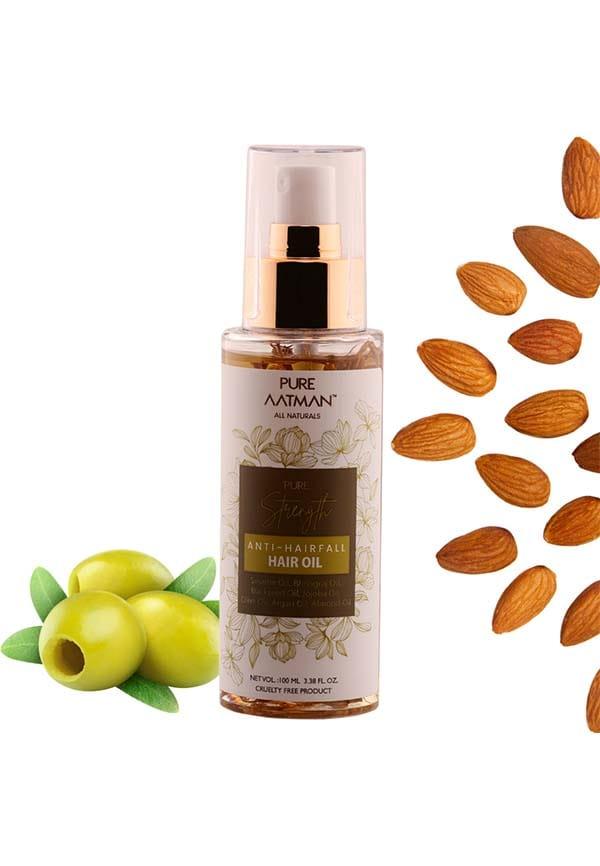
Hair Oil for women girls men ladies Hairfall Hair Oil
Skip anything with heavy silicones, thick conditioning agents, or rich oils near the top of the ingredient list. These can weigh down your hair and contribute to buildup. Surprisingly, some sulfates can be too harsh and trigger your scalp to produce even more oil, so look for gentler cleansing agents.
Here's the thing about treating oily scalp—it's not just about the shampoo you use, though that's definitely important. You need a whole approach that includes how often you wash, what techniques you use, and even lifestyle factors that might be contributing to the problem.
The sweet spot for washing frequency is usually every other day or every two days. Daily washing can actually make things worse by stripping your scalp and triggering more oil production. On non-wash days, dry shampoo becomes your best friend for soaking up excess oil and adding volume at the roots.
Start with lukewarm water—hot water stimulates oil glands. Focus your shampoo application on the scalp rather than the lengths of your hair. Massage gently with your fingertips (not nails) to stimulate circulation without irritating your scalp. Always rinse thoroughly; leftover product can contribute to buildup and make your oily scalp situation worse.
Once a week, consider using a purifying shampoo or clarifying treatment to deep-clean your scalp. Clay masks specifically designed for scalp use can also help absorb excess oil and remove buildup. Apple cider vinegar rinses (diluted, obviously) can help balance your scalp's pH and reduce oiliness over time.
Not everyone with an oily scalp has the same hair type or concerns. Some people deal with oily roots but dry ends, whilst others have oily scalp with dandruff or even hair loss concerns. The key is finding a shampoo for oily scalp that addresses your specific situation.
For daily use, look for gentle formulas that won't over-strip your scalp. These sebum control shampoos should cleanse effectively whilst maintaining your scalp's natural balance. If you're dealing with significant buildup, weekly clarifying treatments can help reset your scalp without daily harshness.
These are your heavy-duty options for when regular shampoo isn't enough. Use them once or twice a week maximum, as they're designed to remove stubborn buildup from styling products, hard water minerals, and excess sebum. They're particularly helpful if you use a lot of styling products or live in an area with hard water.
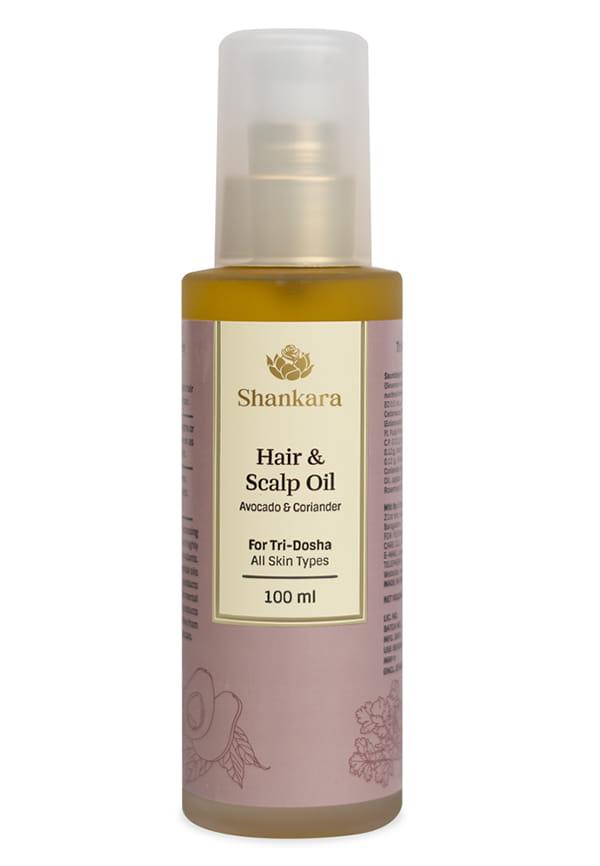
Hair & Scalp Oil
If you've got oily scalp but dry ends, focus your shampoo application on the scalp and roots only. Let the suds rinse through the lengths without directly applying shampoo to your ends. Follow up with a lightweight conditioner applied only to the mid-lengths and ends of your hair.
This combination can be particularly frustrating because the treatments for each concern sometimes seem to contradict each other. The connection between oily scalp and hair loss often comes down to clogged follicles and inflammation, which can interfere with healthy hair growth.
When dealing with both issues, gentleness becomes even more important. Look for sulfate-free formulas that cleanse effectively without being harsh. Ingredients like biotin, caffeine, and saw palmetto can help support hair growth whilst still addressing oil control.
Scalp massage during shampooing can improve circulation and help prevent follicle blockage, but be gentle to avoid irritating sensitive scalp. Avoid overwashing, which can worsen both oiliness and hair loss. Stress management also plays a role, as stress hormones can affect both oil production and hair growth cycles.
Living in India means dealing with humidity, pollution, and varying water quality—all of which can affect your oily scalp situation. During monsoon season, you might need to adjust your routine to account for increased humidity and slower drying times.
Hard water can leave mineral deposits that make your hair feel heavy and greasy even after washing. If this sounds familiar, consider using a clarifying treatment more frequently or investing in a shower filter. Pollution can also contribute to scalp buildup, making regular deep cleansing even more important.
Summer might require more frequent washing or stronger oil-control formulas, whilst winter could call for gentler approaches as indoor heating can dry out your scalp. Pay attention to how your scalp responds to different seasons and adjust your routine accordingly.
Every other day is usually the sweet spot for most people with oily scalp. Daily washing can actually trigger more oil production by stripping your scalp, whilst waiting too long between washes can lead to buildup and irritation. Use dry shampoo on non-wash days to absorb excess oil and maintain freshness.

Aromablush Intense Repair Hair Oil
Regular shampoos often aren't formulated to handle excess oil production effectively. They might not cleanse thoroughly enough, or they could contain ingredients that contribute to buildup. Specialised oily scalp shampoos contain targeted ingredients like salicylic acid or tea tree oil that help regulate sebum production and provide deeper cleansing.
Oily scalp refers specifically to excess sebum production from your scalp's oil glands, whilst greasy hair is often the result of that oil travelling down your hair strands. You can have an oily scalp with hair that doesn't look particularly greasy if you're managing it well, or you might have hair that looks greasy due to product buildup rather than scalp oil production.
Most people notice some improvement within 2-3 weeks of consistent use, but it can take up to 6-8 weeks to see the full benefits. Your scalp needs time to adjust to new products and rebalance its oil production. If you're not seeing any improvement after two months, it might be time to try a different formula or consult a dermatologist.
You don't need to skip conditioner entirely, but you should be strategic about how you use it. Apply conditioner only to the mid-lengths and ends of your hair, avoiding the scalp area. Look for lightweight, volumising conditioners rather than heavy, moisturising formulas that could weigh down your roots.
Absolutely. Foods high in refined sugars and unhealthy fats can potentially increase oil production. Dairy products might also contribute to oiliness for some people. Focus on a balanced diet with plenty of omega-3 fatty acids, zinc, and vitamins A and E to support healthy scalp function.
A slight clean feeling is normal, but your scalp shouldn't feel uncomfortably tight or dry. If it does, your shampoo might be too harsh, or you might be using it too frequently. Try reducing usage to every other day or switching to a gentler formula designed for daily use.
Managing an oily scalp doesn't have to be a constant battle. The right shampoo for oily scalp, combined with proper technique and realistic expectations, can make a huge difference in how your hair looks and feels. Remember that everyone's scalp is different, so what works for your friend might not work for you—and that's completely normal.
The key is finding products that balance effective cleansing with gentleness, and being consistent with your routine. Whether you're dealing with simple oiliness or combination concerns like dandruff or hair loss, there are solutions out there that can help you achieve the fresh, clean scalp you're after.
At Smytten, you'll find a curated selection of haircare products from trusted brands, including specialised shampoos for oily scalp concerns. With options for trial sizes, you can test different formulas to find your perfect match without committing to full-size bottles. Plus, with cashback on trial purchases and delivery across India, discovering your ideal oily scalp solution has never been easier.
