Seasonal Hair Loss FAQ: Understanding Hair Fall Reasons

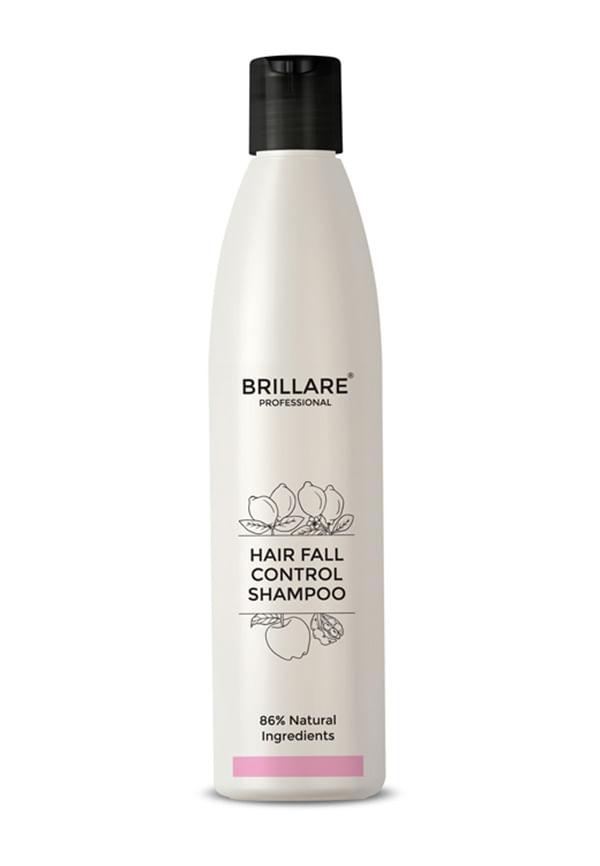
Shampoo To Reduce Seasonal Hair Fall
Helps in Hairfall Control
 5
5“it actually helps in controlling hairfall”
Brillare products are very good
4“brillare all products are very good.i like it”
Nice Product, Must Try
5“nice product everyone must try once”
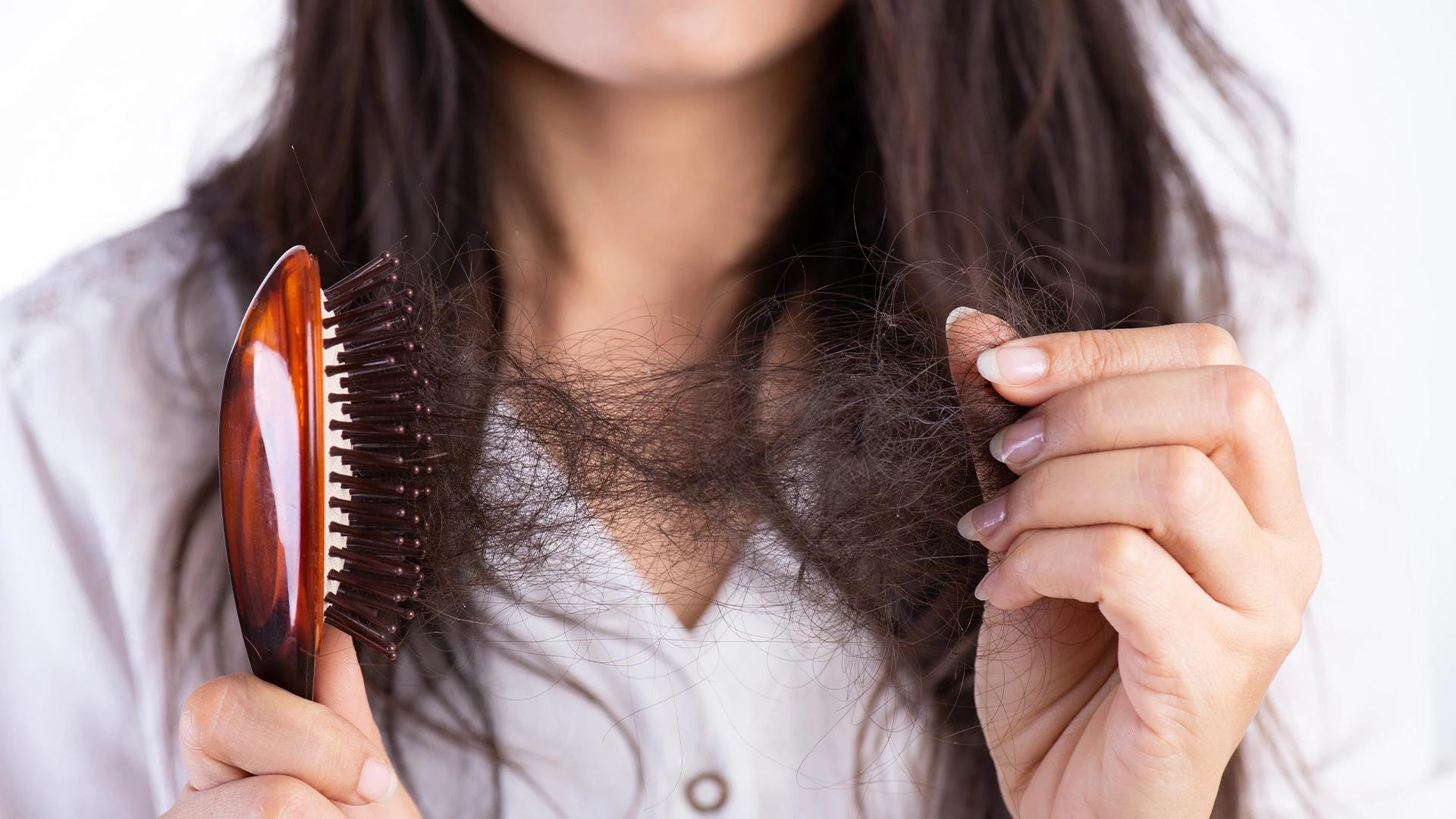
Ever noticed how your hairbrush seems to collect more strands during certain times of the year? You're not imagining it. That post-summer hair fall spike or the extra shedding you notice when seasons change is actually your hair's natural response to environmental shifts. While losing some hair daily is completely normal, understanding why hair falls seasonally can help you tell the difference between natural shedding and something that needs attention. Let's dive into what's really happening with your hair throughout the year and how to keep it healthy no matter the season.
Your hair doesn't just randomly decide to fall out more during certain months. There's actual science behind seasonal hair loss, and it all comes down to your hair growth cycle and how it responds to environmental changes. Research shows that hair shedding patterns follow predictable seasonal trends, with most people experiencing peak hair loss during late summer and early autumn.
The hair growth cycle consists of three phases: anagen (growth), catagen (transition), and telogen (resting). During the telogen phase, hair naturally sheds to make room for new growth. Environmental factors like temperature changes, humidity levels, and daylight exposure can trigger more hair follicles to enter this resting phase simultaneously, leading to increased shedding.
Normal hair shedding ranges from 50-100 hairs daily, but during peak shedding seasons, this can double or even triple. This type of seasonal hair loss is called telogen effluvium, and it's typically temporary. Studies have found that hair shedding peaks in July and continues through September, with the lowest shedding rates occurring in spring months.
Your body's hormone levels naturally fluctuate with the seasons, affecting everything from your mood to your hair growth. Daylight exposure influences melatonin production, which in turn affects hair follicle activity. During shorter winter days, reduced sunlight can disrupt your circadian rhythm and impact hair growth patterns.
Each season brings its own set of challenges for your hair. Understanding these seasonal hair fall reasons can help you adjust your haircare routine accordingly and prevent excessive shedding before it starts.
Summer might seem like the perfect time for healthy hair, but it's actually when your hair faces some of its biggest challenges. UV radiation doesn't just damage your skin—it also affects your hair follicles and can trigger premature entry into the telogen phase. Heat stress causes scalp inflammation, whilst increased oil production during hot months can clog follicles and weaken hair roots.
Autumn is when you'll likely notice the most dramatic increase in hair shedding. This is your hair's way of recovering from summer stress. The combination of accumulated UV damage, potential nutritional deficiencies from summer lifestyle changes, and the natural preparation for winter creates the perfect storm for increased hair fall. Don't panic—this is completely normal and temporary.
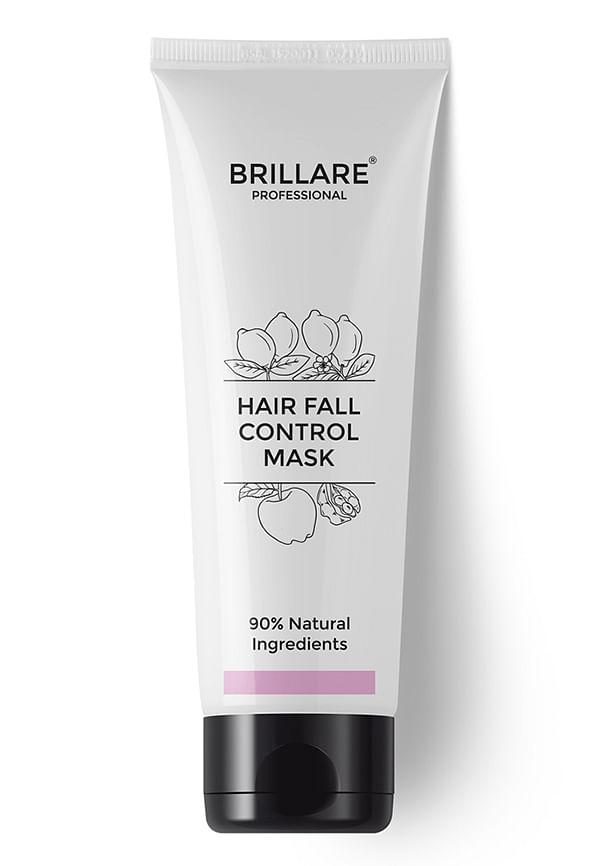
Conditioner To Reduce Seasonal Hair Fall
Good Hair Mask
5“over all good hair mask , must buy”
Great smell and conditioning
5“smells soo good and good conditioner”
Nourishing and repairs split ends
5“it's get nourishing and remove split end”
Winter brings its own set of hair thinning causes. Dry indoor air from heating systems strips moisture from your hair and scalp, leading to breakage that can mimic hair loss. Reduced vitamin D synthesis due to limited sunlight exposure can also affect hair growth cycles. The key is distinguishing between actual hair loss and breakage—both need different approaches.
Knowing when to expect increased shedding can help you prepare and avoid unnecessary worry. Hair loss patterns aren't random—they follow predictable seasonal trends that researchers have documented across different populations.
Peak shedding typically occurs from July through September, with August often being the worst month for hair loss. The lowest hair loss periods usually happen in late winter and early spring (February through April). However, individual variation is significant—your personal pattern might differ based on genetics, health conditions, and lifestyle factors.
Women often experience more dramatic seasonal hair shedding due to hormonal fluctuations related to menstrual cycles, pregnancy, and menopause. These hormonal changes can amplify seasonal effects. Men typically see more consistent patterns, though seasonal variations in testosterone levels can accelerate pattern baldness during certain months.
Whilst seasonal changes are a major factor in hair shedding, they're not the only culprit. Several underlying conditions can worsen during specific seasons, making it seem like the weather is causing your hair loss when there's actually something else at play.
Thyroid disorders often fluctuate with seasonal changes, particularly during winter months when metabolism naturally slows down. Autoimmune conditions like alopecia areata can flare up during times of seasonal stress. Nutritional deficiencies in iron, vitamin D, and B vitamins become more pronounced during certain seasons, especially if your diet changes significantly between summer and winter.
Seasonal affective patterns can increase stress levels, which directly impacts hair growth. Many people also change their diets seasonally—eating lighter in summer and heartier foods in winter—which can affect nutrient availability for hair growth. Even simple changes like switching from gentle summer haircare routines to more intensive winter treatments can stress your hair.
The good news is that you can take steps to minimise seasonal hair loss and keep your hair healthy throughout the year. The key is adapting your routine to each season's specific challenges whilst maintaining consistent, gentle care.
Hair Fall Control Mask To Reduce Seasonal Hair Fall
Great Hair Mask and Shampoo
5“Must buy and a very food and effective hair mask Shampoo is good too”
Gentle scalp massage can improve circulation and help maintain healthy hair growth even during high-shedding periods. Use your fingertips (not nails) to massage your scalp for 5-10 minutes daily. Proper brushing technique is crucial—use a wide-tooth comb on wet hair and brush gently from ends to roots to prevent breakage. Consider protective styling during peak UV months to shield your hair from environmental damage.
Your hair needs consistent nutrition year-round, but certain vitamins become especially important during different seasons. Vitamin D supplements can help during winter months when sunlight exposure is limited. Iron-rich foods are crucial during peak shedding seasons to support new hair growth. Biotin and other B vitamins help maintain hair strength during environmental stress periods.
If your seasonal hair loss seems excessive or doesn't resolve within 3-4 months, it's worth consulting a dermatologist. They can determine if there's an underlying condition amplifying seasonal effects. Some topical treatments work better when started before peak shedding seasons, so timing matters for professional interventions.
Managing seasonal hair loss isn't just about treating symptoms—it's about building resilience into your hair care routine so your hair can better handle seasonal stresses. This means thinking beyond quick fixes to create sustainable habits that support healthy hair growth year-round.
Adapt your products to seasonal needs whilst maintaining consistency in your basic routine. Use clarifying shampoos more frequently during humid summer months to prevent buildup, but switch to moisturising formulas during dry winter periods. Heat protection becomes non-negotiable during summer, whilst deep conditioning treatments are essential for winter moisture retention.
Quality sleep directly impacts hair growth hormone production, so maintaining good sleep hygiene year-round is crucial. Regular exercise improves circulation to hair follicles, but adjust your workout routine to seasonal conditions—outdoor activities in summer, indoor workouts during harsh winter weather. Stress management techniques like meditation or yoga can help minimise stress-related hair loss that often peaks during seasonal transitions.
Yes, seasonal hair loss is completely normal and affects most people to some degree. Research shows that hair shedding typically peaks during late summer and early autumn, with many people experiencing 2-3 times their normal daily hair loss during these months. This pattern is so common that dermatologists consider it a normal physiological response to environmental changes. The increased shedding usually resolves naturally within 2-3 months as your hair growth cycle adjusts to seasonal changes.
In most cases, yes—seasonal hair loss is temporary and hair typically regrows within 3-6 months as your hair growth cycle normalises. The hair follicles aren't damaged during seasonal shedding; they're simply resting longer than usual before producing new hair. However, if you have underlying health conditions, nutritional deficiencies, or genetic predisposition to hair loss, seasonal shedding might unmask these issues and require professional evaluation to ensure proper regrowth.
No, losing 700 hairs daily is excessive and indicates a problem beyond normal seasonal shedding. Typical daily hair loss ranges from 50-100 hairs, and even during peak seasonal shedding, most people don't exceed 200-300 hairs per day. Losing 700 hairs suggests telogen effluvium, alopecia areata, or another underlying condition that requires medical attention. If you're experiencing this level of hair loss, consult a dermatologist promptly for proper diagnosis and treatment.
Whilst you can't completely prevent seasonal shedding, you can minimise it through several strategies. Maintain consistent nutrition with adequate protein, iron, and vitamins year-round. Protect your hair from UV damage during summer months with hats or UV-protective products. Keep your scalp healthy with gentle, regular cleansing and avoid harsh chemical treatments during peak shedding seasons. Manage stress through regular exercise, adequate sleep, and relaxation techniques, as stress can amplify seasonal hair loss patterns.
You should consult a healthcare provider if your hair loss exceeds 200 hairs per day for more than 2 weeks, if you notice bald patches or significant thinning, or if seasonal shedding doesn't resolve within 4 months. Also seek professional help if you experience other symptoms like scalp irritation, sudden onset of severe shedding, or if your hair doesn't seem to be regrowing after previous seasonal shedding episodes.
Several vitamins can help support hair health during seasonal transitions. Vitamin D is crucial, especially during winter months when sunlight exposure is limited. Iron helps carry oxygen to hair follicles and is often depleted during heavy shedding periods. Biotin and other B vitamins support hair structure and growth. Vitamin C aids iron absorption and collagen production for strong hair. However, it's best to get these nutrients from a balanced diet rather than relying solely on supplements.
Yes, stress can significantly amplify seasonal hair loss. Chronic stress disrupts the hair growth cycle and can push more follicles into the resting phase simultaneously. Seasonal transitions often coincide with stressful life events like starting school, work changes, or holiday preparations, creating a perfect storm for excessive hair shedding. Managing stress through relaxation techniques, regular exercise, and adequate sleep can help minimise its impact on seasonal hair loss patterns.
Understanding why hair falls seasonally helps you distinguish between normal shedding and concerning hair loss. Remember that peak shedding during late summer and early autumn is completely natural and temporary for most people. The key is maintaining consistent, gentle hair care practices year-round whilst adapting to seasonal challenges. Focus on proper nutrition, stress management, and protecting your hair from environmental damage rather than panicking about temporary increases in shedding.
If you're looking to experiment with different haircare products to support your hair through seasonal changes, Smytten offers trial-size versions of many professional haircare brands. This way, you can test what works best for your hair type and seasonal needs before investing in full-size products—particularly helpful when your hair's requirements might change with the seasons.
