Seasonal Hair Fall FAQ: Understanding Hair Shedding Seasons

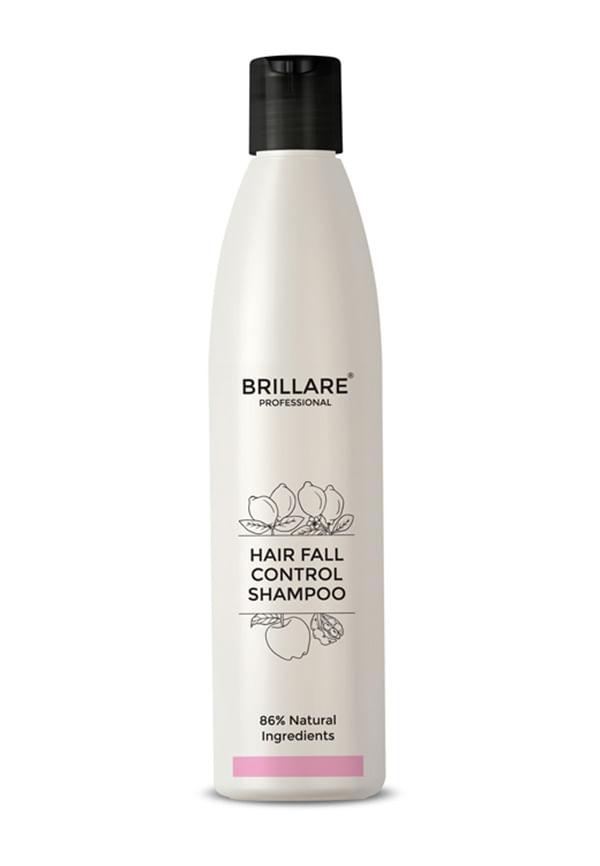
Shampoo To Reduce Seasonal Hair Fall
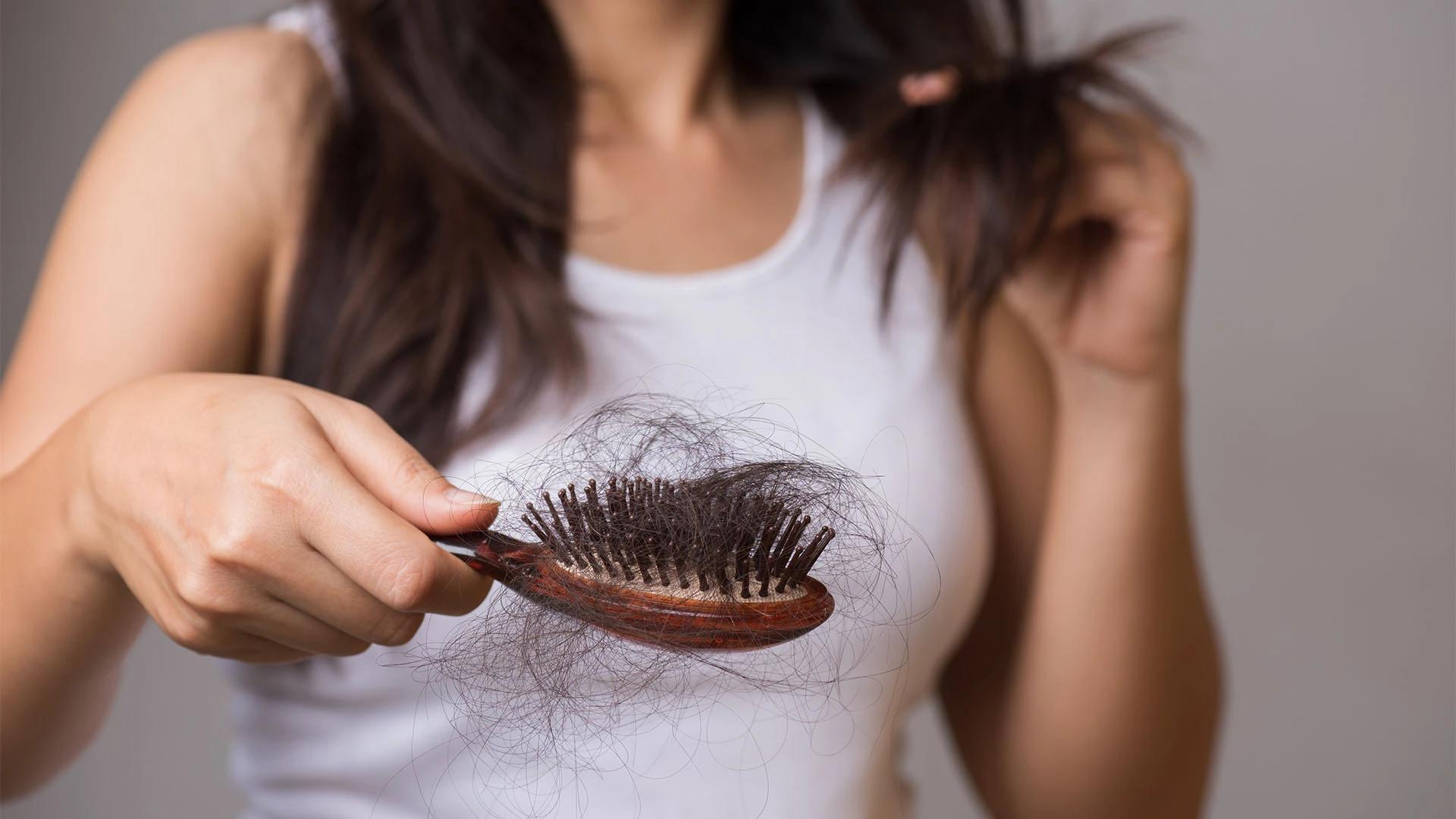
Ever noticed how your hairbrush seems to collect more strands during certain months? You're not imagining it. That sudden increase in hair fall during autumn or the extra strands you find on your pillow during summer isn't necessarily cause for panic. Understanding seasonal hair fall is the first step to managing it properly. Your hair follows natural cycles that respond to environmental changes, hormonal shifts, and even the amount of daylight you're exposed to. Let's dive into what's really happening when your hair decides to shed more during specific seasons.
Seasonal hair fall is a temporary increase in hair shedding that occurs during specific times of the year, most commonly in autumn and late summer. Unlike permanent hair loss conditions, this type of shedding is part of your hair's natural growth cycle responding to environmental and biological changes.
Your hair growth cycle consists of three phases: anagen (growth), catagen (transition), and telogen (resting). During the telogen phase, hair naturally sheds to make room for new growth. Seasonal changes can push more hair follicles into this resting phase simultaneously, leading to increased shedding 2-3 months later. This delayed response is why you might notice more hair fall in autumn from summer stressors.
Normal daily hair shedding ranges from 50-100 strands, but during peak seasonal periods, this can increase to 150-200 strands daily. The key difference between seasonal shedding and other hair loss types is its temporary nature and diffuse pattern across your entire scalp, rather than concentrated areas.
Telogen effluvium is the medical term for this type of temporary hair shedding. Environmental stressors like temperature changes, UV exposure, or hormonal fluctuations can trigger this condition. The good news? It's completely reversible once the triggering factor is addressed.
Different seasons bring unique challenges for your hair, and understanding these patterns helps you prepare and adjust your haircare routine accordingly.
Autumn emerges as the peak season for hair shedding, particularly from September through November. This happens because your hair follicles respond to decreasing daylight hours and temperature drops. Your body interprets these changes as signals to conserve energy, pushing more hair into the resting phase.
Summer hair fall occurs due to intense UV radiation, heat damage, and increased sweating. The combination of chlorine from swimming pools, salt water from beach trips, and harsh sun exposure weakens hair shafts and can trigger shedding that becomes noticeable months later.
Winter hair shedding is often linked to dry indoor air, reduced vitamin D production due to less sunlight, and the stress of cold weather on your scalp. Central heating systems strip moisture from both your hair and scalp, leading to brittleness and breakage.
Spring typically brings recovery and renewal. As daylight hours increase and temperatures moderate, your hair growth cycle often resets, leading to new growth and reduced shedding.
Conditioner To Reduce Seasonal Hair Fall
In India, monsoon season adds another layer to hair shedding patterns. High humidity can lead to fungal scalp infections, whilst the transition from monsoon to post-monsoon weather often triggers increased hair fall in October and November.
Multiple factors contribute to seasonal hair loss causes, creating a perfect storm for increased shedding during certain times of the year.
Environmental factors play a significant role. Temperature fluctuations stress your hair follicles, whilst humidity changes affect your scalp's oil production. UV radiation during summer months damages the hair shaft's protein structure, weakening strands and making them more prone to breakage. Air pollution and seasonal allergens can also irritate your scalp, disrupting normal hair growth cycles.
Hormonal changes throughout the year significantly impact hair fall reasons. Melatonin production increases during shorter days, affecting your body's circadian rhythms and potentially triggering hair shedding. Vitamin D deficiency becomes more common during winter months when sun exposure decreases, and this vitamin is crucial for hair follicle health. Stress hormones like cortisol can fluctuate with seasonal changes, particularly during holiday periods or weather transitions.
Lifestyle disruptions during different seasons contribute to hair fall. Holiday eating patterns might lack essential nutrients for hair health. Sleep schedules often change with daylight hours, affecting your body's natural repair processes. Even your styling routine might become more aggressive during certain seasons—think heat styling during humid summer months or tight hats during winter.
Understanding the 2-3 month delay between triggers and visible shedding is crucial. That autumn hair fall might actually be your hair's response to summer stress, not current seasonal changes.
Recognising the difference between seasonal shedding and other hair loss conditions helps you respond appropriately and avoid unnecessary worry.
Seasonal hair shedding typically presents as diffuse thinning across your entire scalp rather than concentrated areas. You'll notice more hair in your brush, on your pillow, or circling the shower drain, but your overall hair density remains relatively stable. The shedding follows a predictable timeline, usually lasting 3-6 months before naturally resolving.
Warning signs that suggest non-seasonal hair loss include patchy bald spots, a receding hairline, or visible scalp areas that weren't there before. If your hair loss continues beyond six months, affects specific areas rather than your entire scalp, or is accompanied by scalp irritation, itching, or inflammation, it's worth consulting a dermatologist.
Family history also plays a role. If pattern baldness runs in your family and you're noticing hair loss that doesn't follow seasonal patterns, you might be experiencing androgenetic alopecia rather than temporary seasonal shedding.
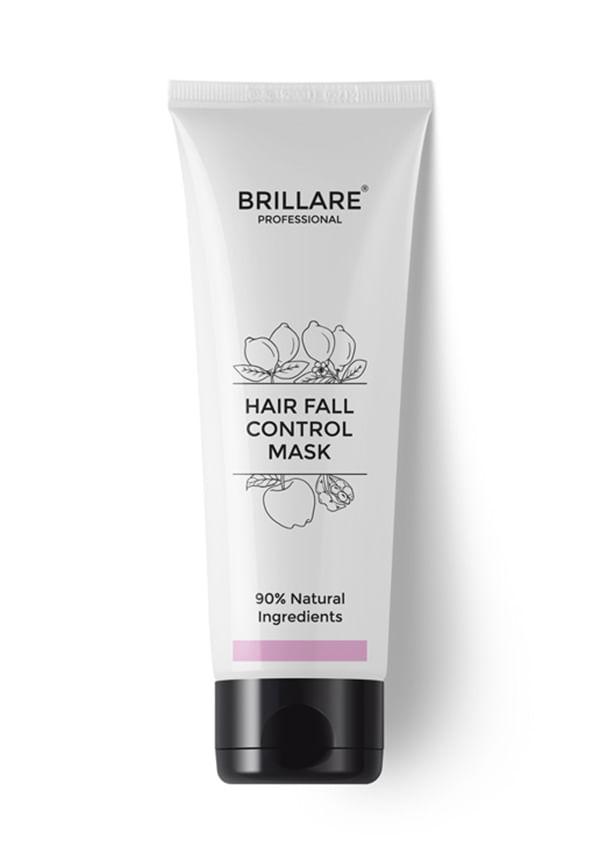
Hair Fall Control Mask To Reduce Seasonal Hair Fall
Implementing targeted fall hair care tips can minimise seasonal shedding and protect your hair during vulnerable periods.
Gentle hair handling becomes crucial during peak shedding seasons. Switch to a wide-tooth comb for detangling, especially when your hair is wet and most fragile. Reduce heat styling frequency and always use a heat protectant when you do style. Consider silk pillowcases to reduce friction whilst you sleep, and opt for loose hairstyles that don't pull on your scalp.
Scalp health maintenance is equally important for haircare for seasonal changes. Regular scalp massages improve blood circulation, potentially supporting hair growth. Use clarifying shampoos once a week to remove product buildup that can clog follicles. Follow up with moisturising treatments to combat dry scalp conditions that worsen during seasonal transitions.
Nutritional support becomes vital during periods of increased shedding. Ensure adequate intake of iron, biotin, and vitamin D—nutrients commonly deficient during seasonal changes. A protein-rich diet supports hair structure, whilst proper hydration maintains scalp health. Consider seasonal adjustments like increasing vitamin D during winter months or antioxidants during high-pollution periods.
Adapt your routine to seasonal challenges. Use a humidifier during winter to combat dry air, apply UV protection during summer months, and transition products gradually as seasons change to avoid shocking your scalp.
Proactive measures can significantly reduce the impact of seasonal hair fall and help maintain healthier hair year-round.
Maintaining a consistent haircare routine throughout the year provides stability for your hair follicles. Stress management techniques like meditation, regular exercise, or yoga can help regulate cortisol levels that contribute to hair shedding. Regular exercise also improves circulation, supporting healthy hair growth.
Seasonal adjustments to your routine can make a significant difference. During winter, use humidifiers to maintain moisture levels and consider vitamin D supplements. Summer calls for UV protection through hats, scarves, or UV-protective hair products. Gentle product transitions help your scalp adapt without additional stress.
Professional treatments might be necessary for severe cases. Dermatologists can prescribe treatments for underlying conditions or recommend scalp therapies that support hair growth. Don't hesitate to seek professional help if seasonal shedding seems excessive or doesn't resolve within the expected timeframe.
Seasonal hair fall occurs due to your hair follicles responding to environmental changes like temperature, humidity, and daylight hours. These changes can push more hair into the resting phase of the growth cycle, leading to increased shedding 2-3 months later. Hormonal fluctuations, vitamin D changes, and lifestyle factors during different seasons also contribute to this natural process.
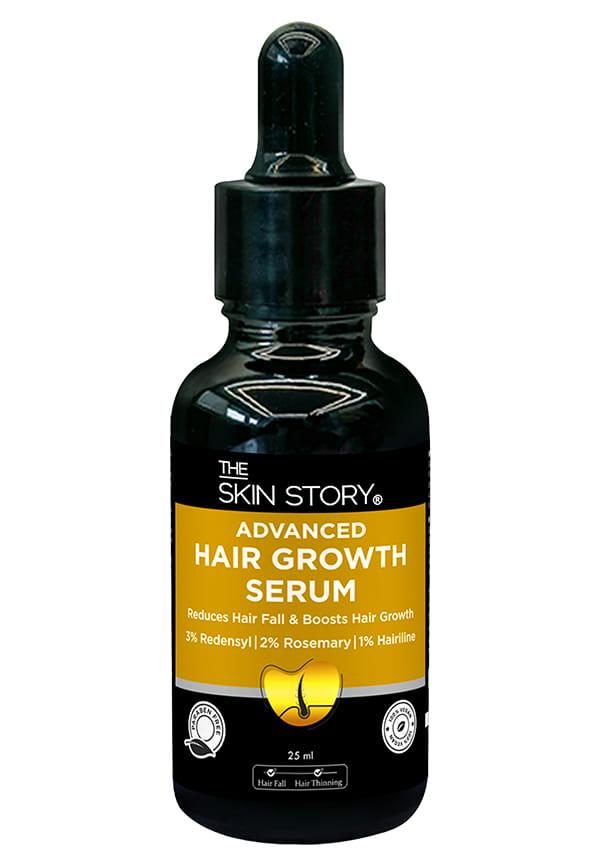
Hair Growth Serum With Redensyl For Hair Fall & Hair Thinning | Voluminous Hair & Reduced Hair Fall
Yes, hair loss can definitely be seasonal. This type of temporary shedding is called telogen effluvium and typically lasts 3-6 months before resolving naturally. Unlike permanent hair loss conditions, seasonal shedding affects your entire scalp diffusely and doesn't create bald patches or receding hairlines.
Seasonal hair shedding follows predictable patterns, typically peaking during autumn months. You'll notice increased hair in your brush and shower drain, but your overall hair density remains stable. The shedding should resolve within 3-6 months and doesn't create patchy areas or visible scalp. If shedding continues beyond six months or creates bald spots, consult a dermatologist.
Hair typically falls out more in autumn (September-November) due to the delayed response to summer stressors like UV damage and heat exposure. However, winter can also trigger shedding due to dry air, reduced vitamin D, and scalp dehydration. The timing varies by individual and geographic location, but autumn generally sees the highest rates of seasonal shedding.
Seasonal hair fall typically lasts 3-6 months from onset to resolution. Since there's usually a 2-3 month delay between the triggering event and visible shedding, you might notice increased hair fall in autumn from summer stressors. Once the trigger is removed and your hair cycle resets, shedding should return to normal levels.
Women often notice seasonal hair fall more than men due to longer hair length making shedding more visible, hormonal fluctuations that can amplify seasonal effects, and generally paying closer attention to hair changes. However, seasonal shedding affects all genders equally—it's just more noticeable in women with longer hair.
Understanding seasonal hair fall helps you distinguish between normal shedding cycles and concerning hair loss patterns. Remember that seasonal shedding is temporary, typically lasting 3-6 months, and affects your entire scalp rather than creating patchy areas. The key is maintaining consistent, gentle haircare practices year-round whilst making seasonal adjustments for environmental challenges.
Focus on scalp health, stress management, and proper nutrition to support your hair through seasonal transitions. If you're concerned about the extent of your hair fall or it doesn't resolve within the expected timeframe, don't hesitate to consult a dermatologist for professional guidance.
When you're ready to experiment with new haircare products to support your hair through seasonal changes, Smytten's curated selection offers trial-size versions of many trusted brands. This way, you can test what works for your specific hair needs during different seasons before committing to full-size products—because finding your perfect seasonal haircare routine shouldn't involve guesswork.
