Seasonal Hair Fall Causes FAQ: Understanding Hair Shedding Seasons

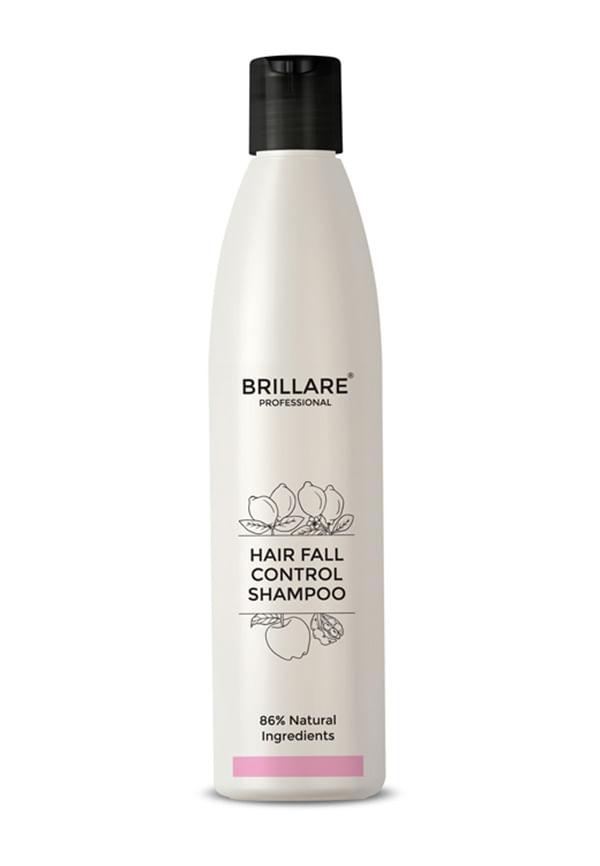
Shampoo To Reduce Seasonal Hair Fall
Ever noticed how your hairbrush seems to collect more strands during certain times of the year? You're not imagining it. Your hair actually follows seasonal patterns, and understanding these cycles can help you manage what feels like sudden hair loss. Let's dive into why your hair sheds more in autumn, what triggers seasonal changes, and how to keep your locks healthy year-round.
Seasonal hair fall is exactly what it sounds like—increased hair shedding that coincides with specific times of the year. Unlike permanent hair loss conditions, this type of shedding is temporary and follows your hair's natural growth cycle.
Your hair grows in three phases: anagen (growth), catagen (transition), and telogen (resting). During the telogen phase, hair naturally sheds to make room for new growth. Research shows that more hair follicles enter this resting phase during summer months, which means you'll notice increased shedding in autumn when those hairs finally fall out.
This isn't a sign that something's wrong with your hair—it's actually your scalp's way of adapting to environmental changes. Think of it like how animals shed their coats seasonally. Your hair is responding to shifts in daylight, temperature, and humidity levels throughout the year.
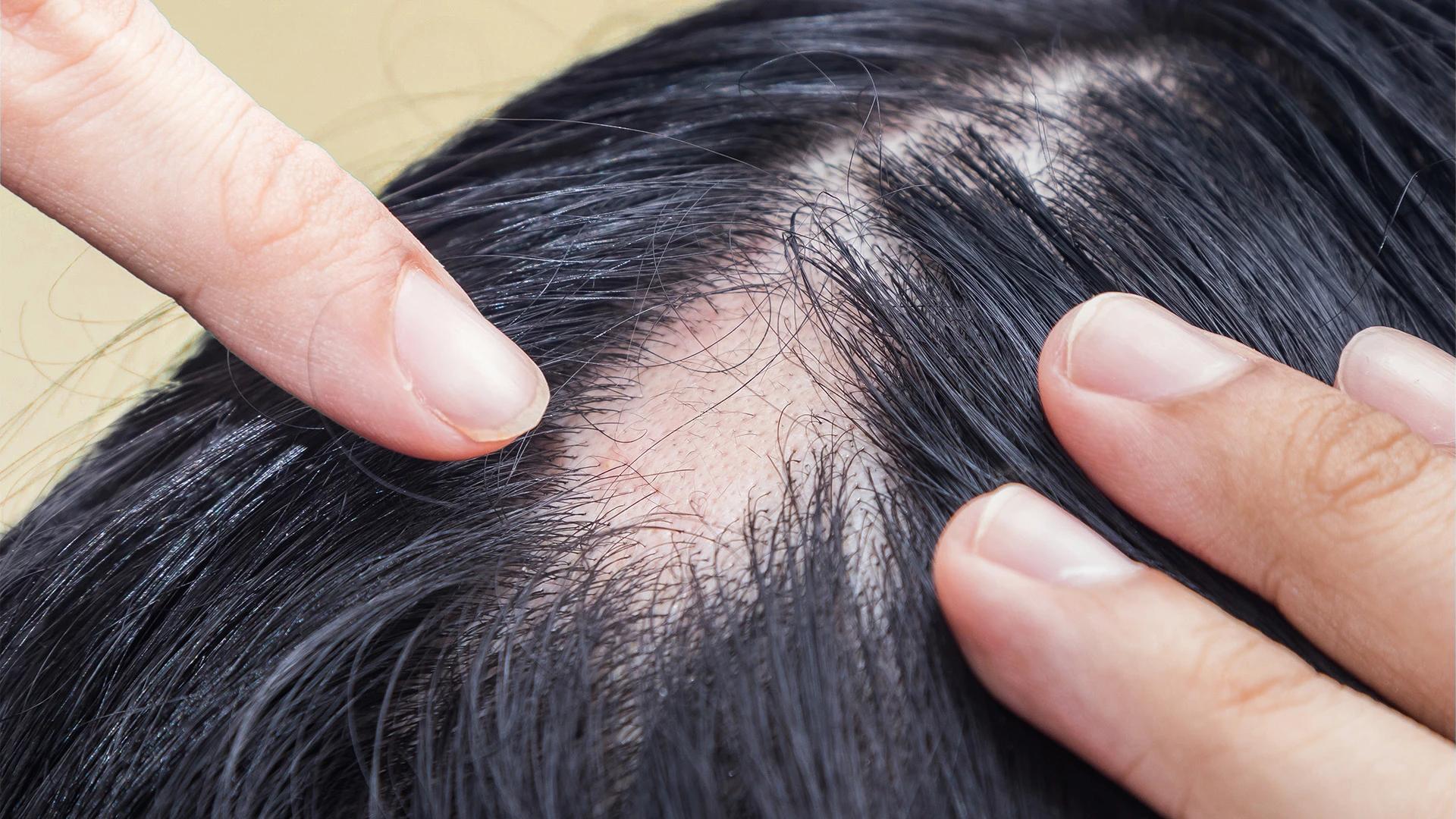
The key difference between seasonal shedding and concerning hair loss is the pattern. Seasonal hair fall affects your entire scalp evenly, whilst conditions like androgenetic alopecia create specific patterns of thinning or bald patches.
Several biological factors contribute to seasonal alopecia causes, starting with your body's hormonal fluctuations. Your hormone levels naturally shift throughout the year, influenced by changes in daylight exposure and temperature.
Daylight plays a huge role in regulating your circadian rhythm, which affects everything from sleep patterns to hormone production. During shorter winter days, reduced sunlight can disrupt melatonin and cortisol cycles, both of which impact hair growth. Your scalp's oil production also changes with the seasons—it tends to be higher in summer and lower in winter.
Temperature and humidity create their own set of hair fall triggers. High summer humidity can make your scalp produce excess oil, potentially clogging follicles. Meanwhile, winter's dry air strips moisture from both your hair and scalp, making strands more brittle and prone to breakage.
Your diet might also shift seasonally without you realising it. Summer often means lighter meals and more fresh produce, whilst winter comfort foods might lack certain hair-supporting nutrients. These nutritional changes can influence hair health over time.
Autumn is when most people notice hair shedding in autumn becoming more obvious. You might find 100-150 hairs on your brush instead of the usual 50-100. This happens because summer's environmental stressors finally catch up with your hair.
UV radiation from summer sun exposure can damage hair follicles, and this damage often manifests as increased fall hair loss reasons when autumn arrives. The transition from high summer humidity to drier autumn air also affects your scalp's moisture balance, potentially triggering more shedding.
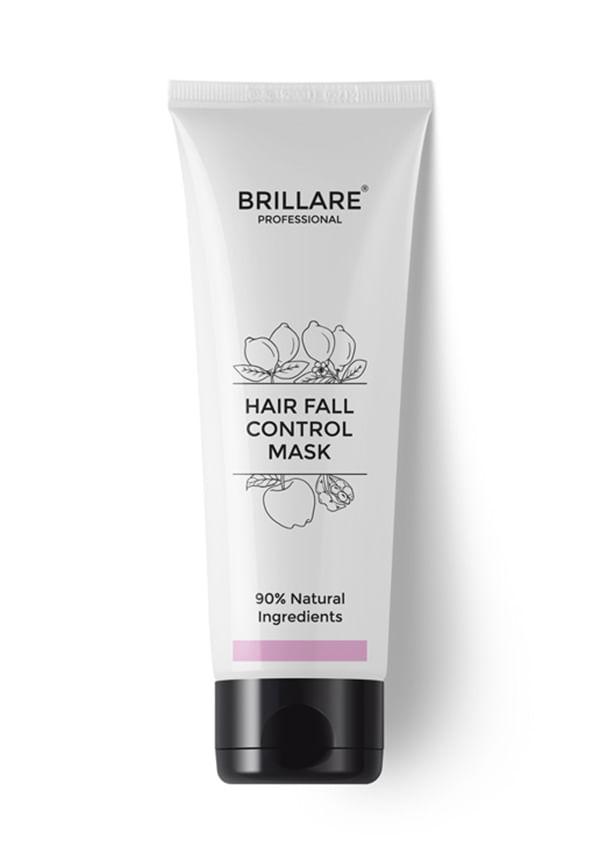
Hair Fall Control Mask To Reduce Seasonal Hair Fall
Winter hair fall comes with its own set of challenges. Indoor heating systems create incredibly dry environments that can dehydrate your scalp and make hair more fragile. Cold weather also reduces blood circulation to your scalp, potentially slowing hair growth.
Limited sunlight during winter months can lead to vitamin D deficiency, which research links to hair loss. Plus, wearing tight hats, scarves, and headbands can create friction that contributes to seasonal hair thinning through mechanical damage.
Summer hair loss often stems from increased UV exposure, which can damage the hair shaft and follicles. Excessive sweating can also irritate your scalp, especially if you're not washing your hair frequently enough to remove salt and oil buildup.
Swimming in chlorinated pools or saltwater can strip your hair of natural oils and proteins, making it more prone to breakage. Air conditioning, whilst providing relief from heat, can also create dry environments similar to winter heating systems.
Women often experience more noticeable seasonal hair fall due to hormonal fluctuations throughout the year. Oestrogen and progesterone levels naturally vary with seasons, and these changes can affect hair growth cycles. Iron deficiency, which is more common in women, can also worsen during certain seasons due to dietary changes or increased physical activity.
Postpartum hair loss sometimes coincides with seasonal changes, making it difficult to determine whether shedding is due to hormonal recovery or environmental factors. Women also tend to use more heat styling tools and chemical treatments, which can compound seasonal damage.
Men's testosterone levels can fluctuate seasonally, with some studies suggesting higher levels in autumn. For men predisposed to male pattern baldness, these hormonal shifts might accelerate hair loss during specific seasons.
Work-related stress cycles often peak during certain times of the year, and chronic stress is a known hair fall trigger. Men are also more likely to spend extended time outdoors without head protection, increasing UV damage that contributes to seasonal shedding.
Normal seasonal shedding involves losing 50-100 hairs daily, though this can increase to 100-150 during peak shedding seasons. The hair loss should be evenly distributed across your scalp, not concentrated in specific areas.
You should be concerned if you're losing significantly more hair—some people worry about losing 700 hairs a day, which is definitely not normal and requires medical attention. Other red flags include sudden onset of hair loss, patches of complete baldness, or shedding that continues for more than three months without improvement.
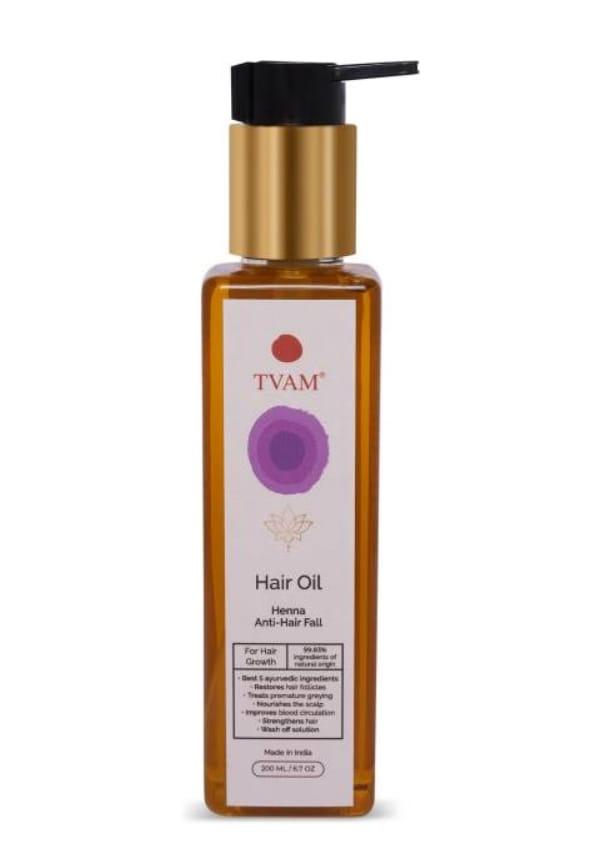
Hair Oil - Henna Anti-Hair Fall
If your hair loss is accompanied by scalp irritation, redness, scaling, or pain, it's time to consult a dermatologist. These symptoms suggest an underlying condition rather than normal seasonal shedding.
Vitamin D deficiency is particularly common during winter months when sunlight exposure is limited. This vitamin plays a crucial role in hair follicle health, so consider supplements or vitamin D-rich foods during darker seasons.
Iron, biotin, and zinc are essential for strong hair growth. Iron deficiency is one of the most common nutritional causes of hair loss, especially in women. Biotin supports keratin production, whilst zinc helps with hair tissue growth and repair.
Seasonal superfoods can help support hair health year-round. Summer offers berries rich in antioxidants, whilst winter root vegetables provide essential minerals. Omega-3 fatty acids from fish or flaxseeds help maintain scalp health regardless of season.
Protein intake is crucial since hair is primarily made of keratin, a protein. Make sure you're getting adequate protein throughout the year, adjusting for any seasonal dietary changes you might make.
Gentle grooming is essential year-round, but especially during peak shedding seasons. Use wide-tooth combs on wet hair and avoid aggressive brushing when your hair is fragile. Choose hairstyles that don't put excessive tension on your roots.
Seasonal scalp care should adapt to environmental changes. Use more moisturising products during dry winter months and clarifying treatments during humid summer periods. Regular scalp massages can improve blood circulation regardless of season.
Maintaining balanced nutrition throughout the year helps minimise seasonal hair fall triggers. Consider working with a nutritionist to ensure you're getting adequate vitamins and minerals during times when your diet naturally shifts.
Stress management is crucial since chronic stress can worsen seasonal hair loss. Regular exercise, adequate sleep, and stress-reduction techniques like meditation can help maintain healthy hair growth cycles.
Professional treatments like scalp treatments or targeted haircare for seasonal loss can be particularly effective when timed correctly. Starting preventive treatments before peak shedding seasons often yields better results than reactive approaches.
Yes, seasonal hair loss typically grows back naturally within 3-6 months. The timeline depends on your individual hair growth cycle and how well you support your scalp health during the regrowth phase. Maintaining good nutrition, managing stress, and using appropriate haircare products can help speed recovery.
Most seasonal hair shedding lasts 2-3 months, with autumn shedding typically being the most noticeable. You should start seeing improvement as your hair adjusts to the new season and environmental conditions. If shedding continues beyond three months, consider consulting a healthcare provider.
Absolutely. Tight ponytails, braids, or buns can create additional stress on already vulnerable hair during shedding seasons. Opt for loose styles and avoid excessive heat styling when your hair is going through seasonal changes. Protective styles that don't pull on your roots are your best bet.
Treatment approaches range from topical scalp treatments to nutritional supplements. Some people benefit from seasonal adjustments to their haircare routine, whilst others might need medical interventions if the hair loss is severe. The key is identifying whether you're dealing with normal seasonal shedding or an underlying condition.
Vitamin D is often the most impactful for seasonal hair loss, especially during winter months. However, hair health depends on multiple nutrients working together—iron, biotin, zinc, and vitamins A, C, and E all play important roles. A comprehensive approach usually works better than focusing on just one vitamin.
No, losing 700 hairs daily is not normal, even during peak shedding seasons. Normal seasonal shedding might increase daily hair loss to 100-150 hairs, but 700 suggests an underlying issue that needs medical attention. Track your hair loss patterns and consult a dermatologist if you're consistently losing this much hair.
Understanding seasonal hair fall causes helps you distinguish between normal shedding and concerning hair loss. Your hair naturally responds to environmental changes, hormonal fluctuations, and seasonal lifestyle shifts. Autumn typically brings the most noticeable shedding, whilst winter and summer present their own unique challenges.
The good news is that seasonal hair loss is usually temporary and manageable with the right approach. Focus on gentle haircare practices, maintain balanced nutrition, and adjust your routine to match seasonal needs. Remember that consistency matters more than perfection—small daily habits often yield better results than dramatic interventions.
If you're looking to experiment with different haircare products to support your hair through seasonal changes, Smytten offers trial-size versions of many professional haircare brands. It's a practical way to test what works for your specific hair type and seasonal concerns before investing in full-size products.
