Scalp Treatment Guide FAQ: Your Healthy Scalp Questions Answered

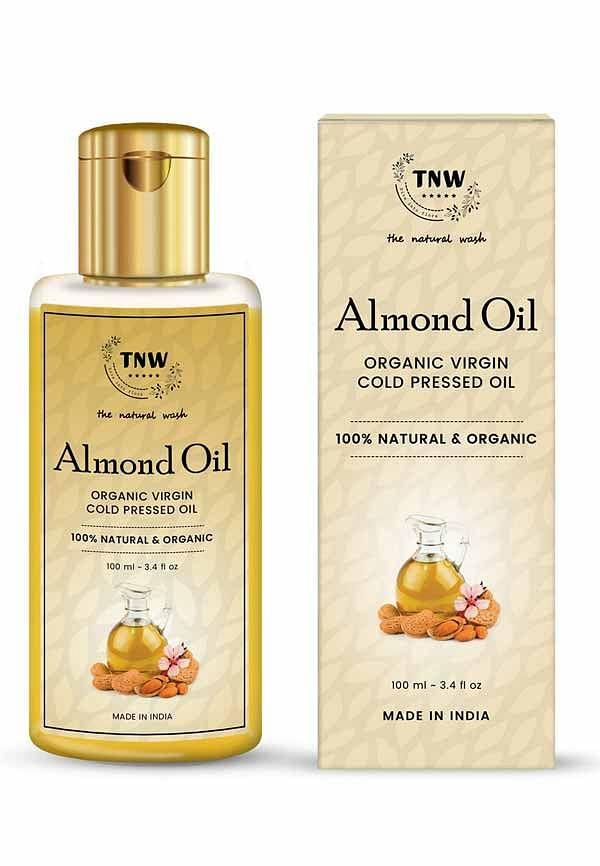
Pure Almond Oil Rich in Vitamin E Cold pressed Virgin Badam Tail For Skin Hair Nourishes the scalp 100% Pure & Natural for Hair, Skin, Face Care & Ma
Ever had one of those days where your scalp feels like it's staging a protest? Maybe it's the constant itch that has you scratching in meetings, or that tight, uncomfortable feeling that makes you want to douse your head in oil. Real talk—scalp issues are way more common than we'd like to admit, and they can seriously mess with your hair game. The thing is, most of us treat our scalp like an afterthought, focusing all our energy on the hair itself while ignoring the foundation that makes healthy hair possible. But here's what we've learnt: a happy scalp equals happy hair, and getting there doesn't have to be complicated.
Let's start with the basics—your scalp is skin, and just like the skin on your face, it can get dry, oily, irritated, or break out. The difference is that it's covered with hair follicles and produces sebum at a different rate, which means it needs its own special kind of attention. Understanding what's actually happening up there is the first step to finding the right scalp treatment guide that works for you.
Here's where things get tricky—these three conditions look similar but need completely different approaches. Dry scalp feels tight and shows small, white flakes that fall easily when you scratch. Dandruff, on the other hand, produces larger, yellowish flakes that stick to your hair and scalp, often with an oily feel. Scalp psoriasis is the most intense of the three, creating thick, silvery scales with red patches underneath that can extend beyond your hairline.
Sometimes your scalp sends signals that it needs more than your usual routine can handle. Persistent itching that doesn't respond to gentle treatments, patches of hair loss, bleeding from scratching, or scales that keep coming back despite treatment are all signs to book that dermatologist appointment. Your hair follicle health depends on catching serious scalp conditions early.
Think of your scalp as the soil for your hair garden. When it's inflamed, clogged, or imbalanced, your hair follicles can't do their job properly. This leads to weaker hair, slower growth, and sometimes even hair loss. A healthy scalp maintains the right pH balance, keeps follicles clear, and provides the perfect environment for strong hair growth.
Ready to give your scalp the attention it deserves? This scalp treatment guide breaks down professional techniques you can master at home. The key is consistency and using the right products for your specific scalp type and concerns.
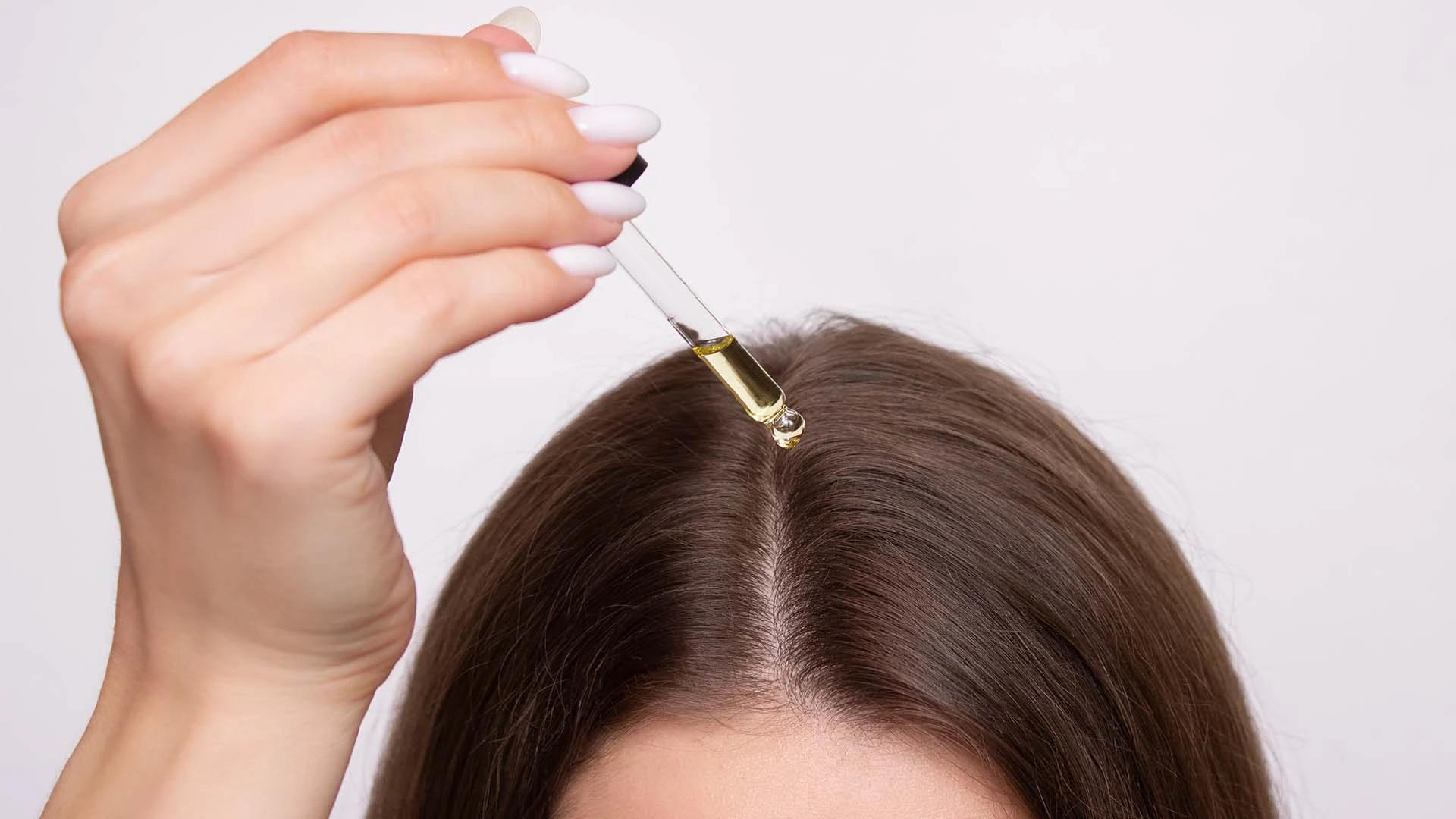
Start with a gentle oil massage using coconut, jojoba, or argan oil. This loosens buildup and dead skin cells while nourishing your scalp. Massage in circular motions for 5-10 minutes, then let it sit for another 15 minutes before washing.
Use a sulphate-free shampoo and focus on your scalp, not your hair lengths. The scalp massage benefits include increased blood circulation, which brings nutrients to hair follicles and helps remove toxins. Spend at least two minutes massaging with your fingertips, never your nails.
Scalp exfoliation removes dead skin cells and product buildup that can clog follicles. Use a gentle scrub once a week—brown sugar mixed with your shampoo works brilliantly. For sensitive scalps, try a chemical exfoliant with salicylic acid instead.
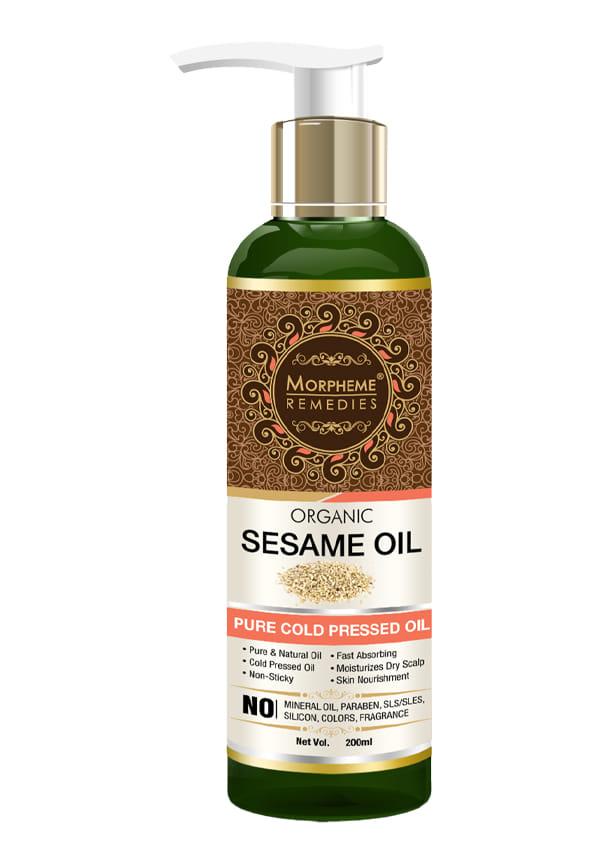
Remedies Organic Sesame Oil (Pure Coldpressed Oil) For Hair, Body, Skin Care, Massage
Apply a nourishing mask from roots to tips, focusing on massaging it into your scalp. Look for ingredients like hyaluronic acid for hydration or tea tree oil for antimicrobial benefits. Leave on for 10-20 minutes before rinsing thoroughly.
Finish with a leave-in scalp treatment that addresses your specific concerns. Apply to damp scalp, massage gently, and don't rinse out. This step delivers concentrated active ingredients directly where they're needed most.
Different scalp conditions need different approaches, and what works for your friend might not work for you. Here's how to tackle the most common scalp concerns with targeted treatments that actually deliver results.
Dry scalp treatment focuses on restoring moisture and strengthening your scalp's natural barrier. Look for ingredients like ceramides, glycerin, and natural oils. Avoid harsh shampoos and overwashing—twice a week might be enough if your scalp is very dry. Aloe vera gel applied directly to the scalp can provide immediate relief, while vitamin E oil helps repair damage over time.
For an itchy scalp remedy that works fast, try a cool rinse with diluted apple cider vinegar or peppermint tea. The cooling sensation provides immediate relief while the antimicrobial properties address potential causes. Avoid scratching at all costs—it only makes things worse and can damage your hair follicles.
Scalp psoriasis treatment often requires a combination of medical and natural approaches. Coal tar shampoos can help slow cell turnover, while natural options like coconut oil and turmeric paste can reduce inflammation. Always patch test first, and work with a dermatologist for severe cases.
Dandruff treatment depends on the severity and underlying cause. Mild cases often respond well to zinc pyrithione or selenium sulphide shampoos used 2-3 times per week. For stubborn dandruff, ketoconazole-based treatments might be necessary. Remember, consistency is key—don't give up after a week.
Sometimes the best solutions come from your kitchen cabinet. These natural treatments have science backing them up, not just wishful thinking. The trick is knowing which ones work for your specific scalp concerns and how to use them properly.
Tea tree oil is a powerhouse for treating fungal and bacterial scalp issues. Always dilute it—5-10 drops in a tablespoon of carrier oil is plenty. Its antimicrobial properties make it excellent for dandruff and itchy scalp conditions, but it can be drying if overused.
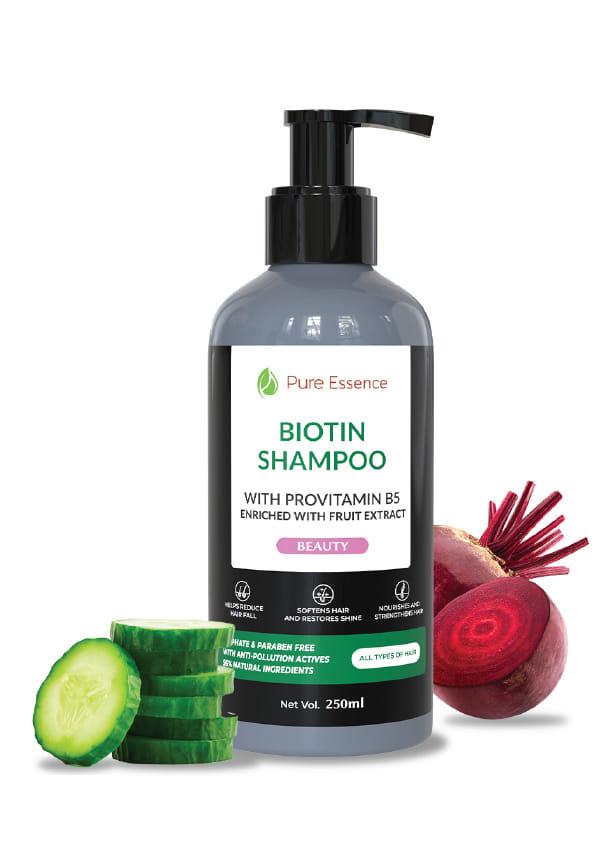
Biotin Shampoo | Softens Hair | Nourishes Scalp | Lowers Hairfall
Coconut oil penetrates the hair shaft better than most oils and has natural antimicrobial properties. For deep treatment, warm it slightly and massage into your scalp, leaving it on for at least 30 minutes or overnight for extra dry scalps. It's particularly good for those dealing with protein loss.
Apple cider vinegar helps restore your scalp's natural pH balance and removes product buildup. Mix one part ACV with three parts water, apply to damp scalp, massage gently, and rinse after 5 minutes. Use once a week maximum—more can be too harsh.
Create custom blends for your scalp needs: rosemary and peppermint for circulation, lavender and chamomile for sensitive scalps, or lemon and eucalyptus for oily conditions. Always dilute in a carrier oil and patch test first. The scalp massage benefits are enhanced when you use oils that target your specific concerns.
Deciding between professional treatments and DIY scalp care tips depends on your specific situation, budget, and the severity of your scalp concerns. Both have their place in maintaining a healthy scalp, and often the best approach combines elements of both.
Book that appointment if you're dealing with persistent symptoms that don't improve after 4-6 weeks of consistent home care, any signs of infection, significant hair loss, or if your scalp condition is affecting your quality of life. Professionals can diagnose underlying conditions and prescribe stronger treatments when needed.
Smart scalp care tips include rotating between different treatments rather than buying everything at once. Start with one targeted treatment for your main concern, then add complementary products gradually. Many effective ingredients are available in affordable formulations—you don't always need the most expensive option.
Start simple: gentle shampoo, weekly oil treatment, and a basic scalp massage. Once your scalp adjusts, add targeted treatments like exfoliation or serums. Advanced routines might include multiple active ingredients, but introduce them slowly to avoid irritation.
Consistency beats intensity every time. A good maintenance routine includes daily gentle massage, 2-3 weekly washes with appropriate products, weekly deep treatments, and monthly scalp exfoliation. Adjust frequency based on your scalp's response and seasonal changes.
Getting your scalp care routine right means knowing what helps and what hurts. These guidelines will help you avoid common mistakes while building habits that support long-term hair follicle health and overall scalp wellness.
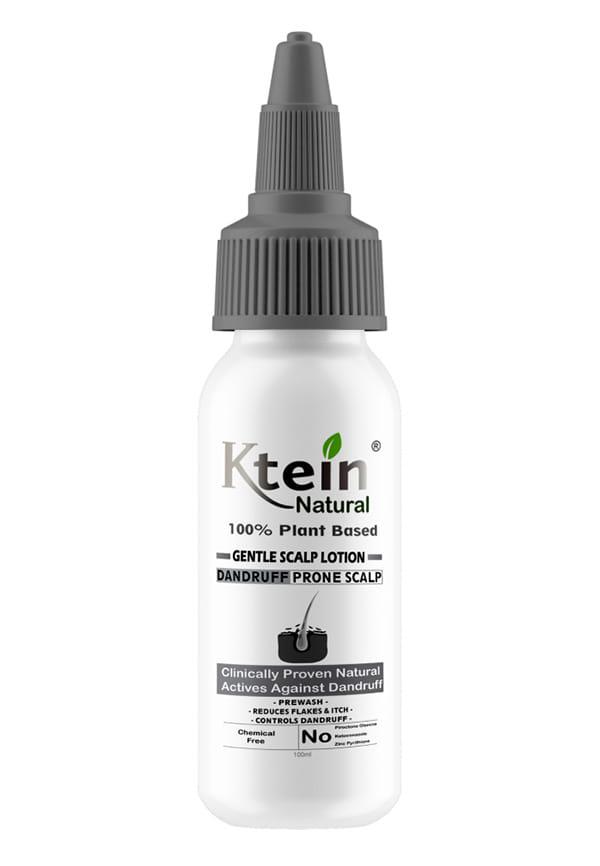
Natural 100% Plant Based Gentle Scalp Lotion Dandruff Prone Scalp
Do massage your scalp daily for 2-3 minutes to boost circulation and distribute natural oils. Do protect your scalp from UV damage with hats or UV-protective hair products. Do choose products based on your scalp type, not just your hair type. Do stay hydrated and eat a balanced diet—your scalp health reflects your overall wellness.
Don't scratch with your nails—use fingertips only. Don't overwash or use products with harsh sulphates daily. Don't apply heat styling tools directly to your scalp. Don't ignore persistent symptoms hoping they'll resolve on their own. Don't use the same products year-round—your scalp needs change with seasons and hormones.
The best treatment depends entirely on your specific scalp condition. For dry scalp, focus on hydrating treatments with ingredients like hyaluronic acid and natural oils. Dandruff responds well to antifungal ingredients like ketoconazole or zinc pyrithione. Oily scalps benefit from gentle clarifying treatments and regular but not excessive washing. The key is identifying your specific condition first, then choosing targeted treatments rather than trying everything at once.
A complete at-home scalp treatment follows five steps: pre-cleanse with oil massage, gentle cleansing with scalp massage, weekly exfoliation, deep conditioning, and targeted serum application. Start with a 10-minute oil massage using coconut or jojoba oil, then shampoo focusing on the scalp while massaging with fingertips. Once weekly, add gentle exfoliation with a sugar scrub or salicylic acid treatment. Follow with a nourishing mask, then finish with a leave-in scalp serum for your specific concerns.
The most crucial do's include daily gentle massage for circulation, protecting your scalp from UV damage, and choosing products for your scalp type rather than just hair type. Critical don'ts include never scratching with nails, avoiding overwashing with harsh products, and not ignoring persistent symptoms. Remember that consistency with gentle care beats aggressive treatments that can damage your scalp's natural barrier.
Yes, scalp inflammation significantly impacts hair growth by disrupting the hair follicle environment. Chronic inflammation can lead to follicle miniaturisation, slower growth cycles, and even permanent hair loss in severe cases. Inflammation also affects blood circulation to follicles, reducing nutrient delivery. Managing inflammation through gentle care, anti-inflammatory ingredients, and addressing underlying causes is crucial for maintaining healthy hair growth patterns.
Treatment frequency depends on your scalp type and concerns. For maintenance, aim for weekly deep treatments with daily gentle massage. Dry scalps might need oil treatments 2-3 times per week, while oily scalps do better with weekly treatments. Exfoliation should happen once weekly maximum for most people. Always start with less frequent treatments and increase gradually based on how your scalp responds.
Natural remedies work brilliantly for mild to moderate scalp concerns and ongoing maintenance, but they have limitations. Conditions like severe psoriasis, fungal infections, or significant hair loss often require professional diagnosis and prescription treatments. The best approach combines natural care for daily maintenance with professional intervention when needed. Natural remedies excel at prevention and gentle treatment, while professionals handle complex or persistent issues.
Your scalp deserves the same attention you give your skin—it's the foundation for healthy hair and shouldn't be an afterthought. Whether you're dealing with dryness, dandruff, or just want to maintain optimal scalp health, the right combination of gentle care, targeted treatments, and consistency will get you there. Remember that what works for others might not work for you, so pay attention to how your scalp responds and adjust accordingly.
The beauty of building a solid scalp care routine is that you don't need to break the bank or spend hours each day. Simple, consistent habits like daily massage, appropriate product choices, and weekly treatments can transform your scalp health over time. And when you're ready to explore new products or find your perfect scalp treatment combination, Smytten's curated selection makes it easy to try different formulations without committing to full sizes—because finding your ideal scalp care routine might just become your next favourite discovery.
