Scalp Relief Tips FAQ: Your Questions Answered

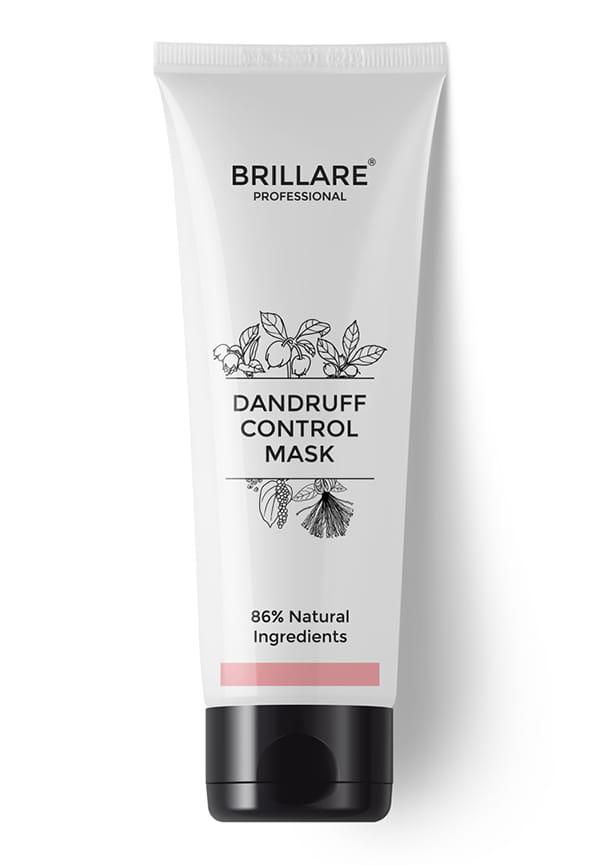
Conditioner For Itchy, Flaky Scalp
Good product, highly recommended
 5
5“This product is very good highly recommend.”
Wonderful Product
5“nice product. result wonderful along with shampoo”
Effective Dandruff Treatment
4“removes dandruff and itchyness from hair”
You know that feeling when your scalp decides to throw a proper tantrum? One minute you're fine, the next you're scratching like there's no tomorrow, wondering if everyone can see the flakes on your shoulders. Whether it's an itchy scalp that won't quit, dryness that feels like sandpaper, or dandruff that's overstayed its welcome, scalp issues can be seriously frustrating. The good news? Most scalp problems have solutions that actually work. From quick fixes for immediate relief to long-term strategies that keep your scalp happy, we've got the answers to your most pressing scalp questions.
When your scalp is driving you mad with itching, you need relief now, not later. The fastest way to calm things down is with cool water – seriously, it's that simple. Rinse your scalp with cool (not cold) water for about 30 seconds. This helps reduce inflammation and gives you instant relief from the burning sensation.
For emergency scalp soothing techniques, try a cold compress. Wrap some ice cubes in a thin towel and gently press it against the itchiest spots for 2-3 minutes. Just don't go overboard – you want relief, not frostbite.
Aloe vera gel straight from the fridge works wonders for angry scalps. Apply a thin layer directly to irritated areas and leave it for 10-15 minutes before rinsing. The cooling effect plus aloe's natural anti-inflammatory properties make this a proper game-changer.
Real talk – resist the urge to scratch, no matter how good it feels in the moment. Scratching creates micro-tears in your scalp, making irritation worse and potentially leading to infection. Also, avoid hot water, which strips your scalp's natural oils and cranks up the inflammation.
This confusion trips up loads of people, and honestly, it's not surprising since both involve flakes. But here's the thing – they're completely different issues that need different approaches. Dry scalp happens when your scalp doesn't produce enough natural oils, leaving it tight, itchy, and flaky. Think small, white flakes that look a bit like dust.
Dandruff, on the other hand, is usually caused by an overgrowth of yeast on your scalp. The flakes are typically larger, more yellow or oily-looking, and often come with redness and more intense itching. Understanding which one you're dealing with is crucial for choosing the right scalp irritation solutions.
Your environment plays a massive role in scalp health. Central heating, air conditioning, and low humidity can all dry out your scalp. Even things like harsh weather, pollution, and UV exposure can trigger scalp inflammation treatment needs.
Sometimes the problem isn't what you're not using – it's what you're using too much of. Heavy styling products, dry shampoo overuse, and not washing thoroughly enough can create buildup that irritates your scalp and blocks hair follicles.
Natural remedies can be absolute lifesavers for scalp issues, and the best part is you probably have most of these ingredients sitting in your kitchen right now. These itchy scalp remedies work because they address the root causes – inflammation, dryness, and bacterial or fungal overgrowth.
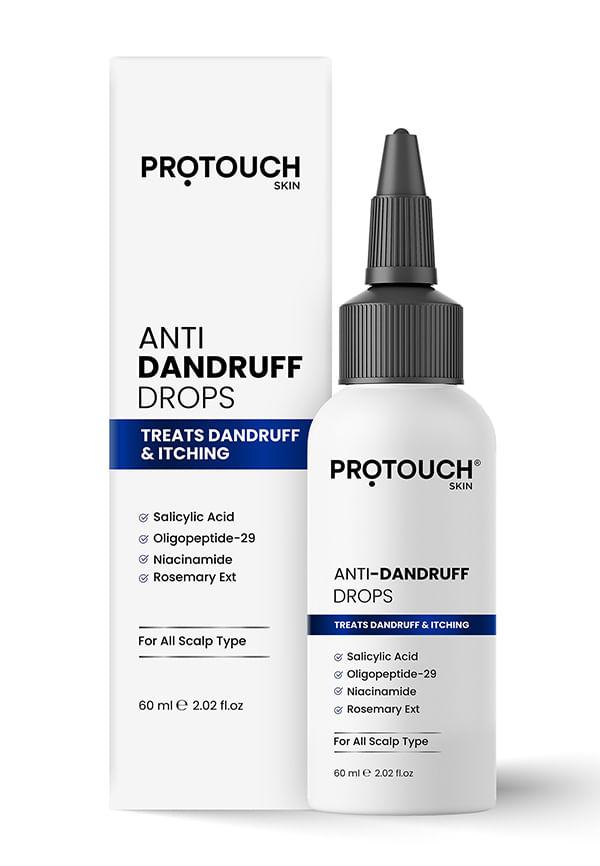
SKIN Anti Dandruff Drops Serum Soothes Itchy, Inflamed Scalp
Mix one part apple cider vinegar with three parts water and use it as a final rinse after shampooing. The acidity helps restore your scalp's natural pH balance and has antimicrobial properties that can tackle dandruff-causing yeast.
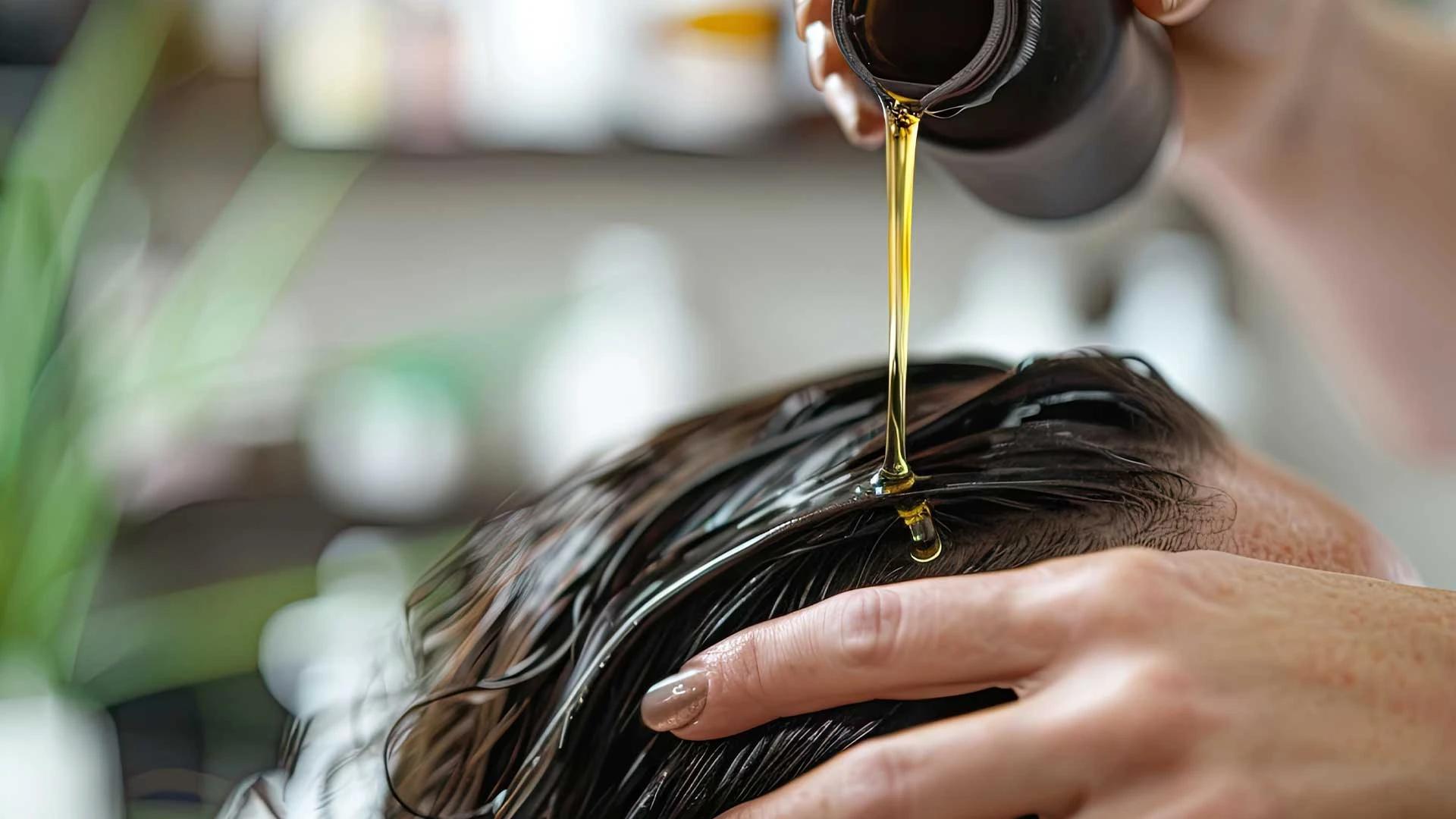
Warm up a tablespoon of coconut oil and massage it into your scalp before bed. Cover with a shower cap and wash out in the morning. Coconut oil has natural antifungal properties and provides deep moisturisation for dry, irritated scalps.
Add 5-10 drops of tea tree oil to your regular shampoo. This powerful antifungal and antibacterial oil can help with dandruff control and reduce scalp inflammation. Just remember – never use tea tree oil undiluted as it can be too harsh.
Blend oats into a fine powder, mix with water to form a paste, and apply to your scalp for 15 minutes. Oatmeal naturally soothes irritation and gently exfoliates dead skin cells without being abrasive.
Dry scalp treatment requires a two-pronged approach – adding moisture back and preventing further moisture loss. The key is consistency and patience, as it can take a few weeks to see real improvement.
Start with a gentle, moisturising shampoo that doesn't contain sulfates, which can strip your scalp's natural oils. Look for ingredients like hyaluronic acid, ceramides, or glycerin that help attract and retain moisture.
If natural remedies aren't cutting it, medicated shampoos with ingredients like ketoconazole, selenium sulfide, or zinc pyrithione can help. These target the underlying causes of scalp irritation and provide more intensive treatment.
Weekly overnight oil treatments can work wonders for severely dry scalps. Mix equal parts coconut oil and jojoba oil, massage into your scalp, and leave overnight. Wash out with a gentle shampoo in the morning.
Consider using a humidifier in your bedroom, especially during winter months when indoor air tends to be drier. Aim for humidity levels between 40-60% for optimal scalp health.
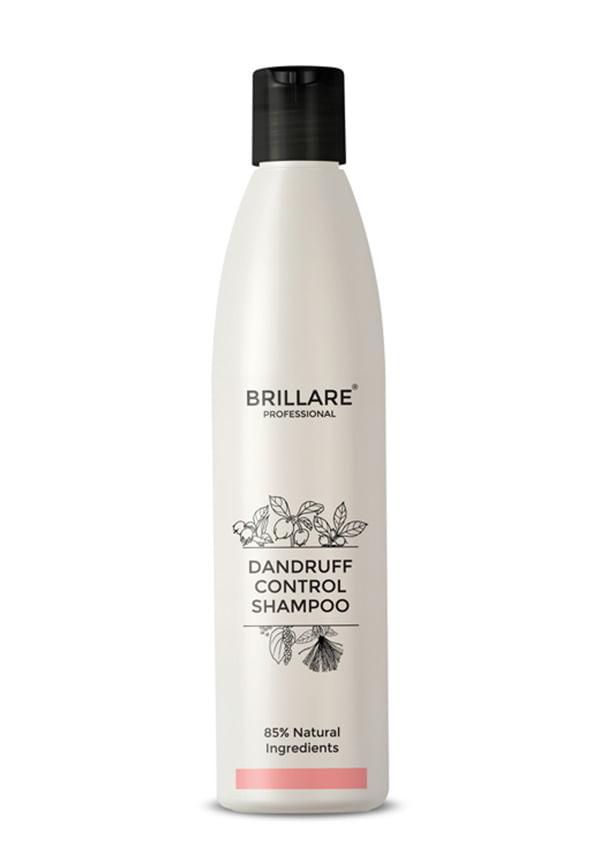
Dandruff Control Shampoo For Itchy, Flaky Scalp
Nourishing & Dandruff-Fighting Shampoo
5“This shampoo deeply nourishes the scalp and strengthens the hair from roots to tips. and removes all dandruff within 2..4 wash”
Love this product, order every time
5“love this product i ordered it every time”
Quick Results, Gentle & Amazing Quality
5“you will see results quickly rather than anything, very gentle small quantity enough , quality amazing”
Building an effective scalp care routine doesn't have to be complicated, but it does need to be consistent. Think of it like skincare for your scalp – gentle, regular care prevents most problems before they start.
Morning routine should focus on protection. If you're washing your hair, use lukewarm water and massage your scalp gently with your fingertips, not your nails. If it's a non-wash day, a light scalp massage with a few drops of jojoba oil can stimulate circulation and add moisture.
Daily scalp massage isn't just relaxing – it actually improves blood circulation, which helps deliver nutrients to hair follicles. Spend 2-3 minutes massaging your scalp with gentle circular motions using your fingertips.
How often you wash depends on your scalp type. Oily scalps might need daily washing, while dry scalps do better with 2-3 times per week. Listen to your scalp – if it feels tight or itchy, it might be time to adjust your routine.
Evenings are perfect for treatments. Apply a few drops of scalp oil or serum to problem areas, or use a scalp-specific treatment mask once or twice a week for deeper conditioning.
Dandruff control is all about consistency and finding what works for your specific type of dandruff. The key is rotating between different active ingredients to prevent your scalp from getting used to one treatment.
Start with an antifungal shampoo containing ketoconazole or selenium sulfide, using it 2-3 times per week. On alternate days, use a gentle, moisturising shampoo to prevent over-drying your scalp.
For immediate dandruff removal, try a pre-shampoo treatment with warm coconut oil mixed with a few drops of tea tree oil. Massage into your scalp, leave for 30 minutes, then shampoo as usual. This helps loosen flakes and provides antifungal benefits.
What you eat affects your scalp health. Zinc, B vitamins, and omega-3 fatty acids all support healthy scalp function. Consider adding foods like salmon, pumpkin seeds, and leafy greens to your diet.
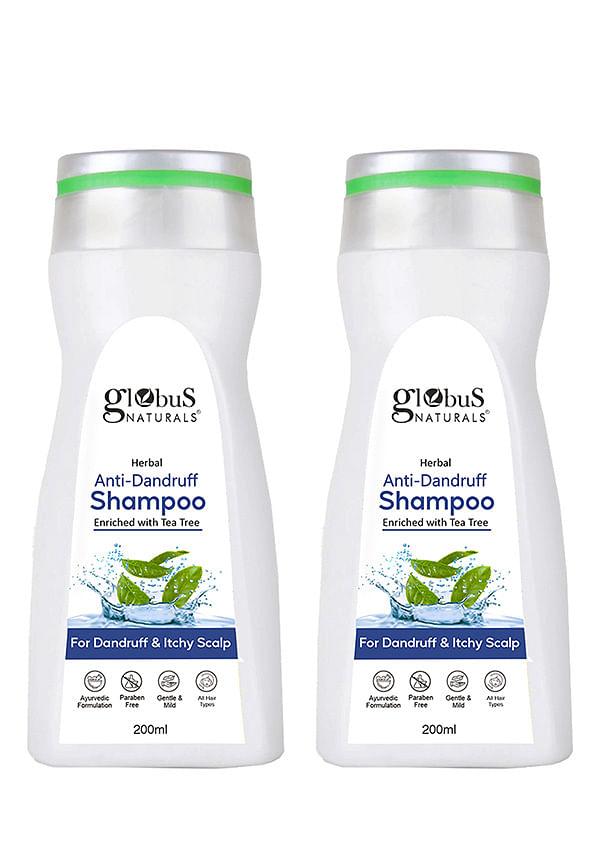
Anti Dandruff Shampoo, For Dandruff and Itchy Scalp
Nice and Beautiful Looking
5“very very nice and beautiful looking”
Nice and Beautiful Looking
5“very very nice and beautiful looking”
Nice and Beautiful Looking
5“very very nice and beautiful looking”
Stress can trigger dandruff flare-ups, so managing stress levels is part of long-term dandruff control. Regular exercise, adequate sleep, and stress-reduction techniques can all help keep your scalp calm.
For fast scalp healing, focus on reducing inflammation first. Use cool water rinses, apply aloe vera gel, and avoid harsh products. Most minor scalp irritation improves within 3-5 days with proper care, while more serious issues might take 2-3 weeks to fully heal.
Painful scalps often indicate inflammation or infection. Apply a cold compress for immediate relief, use anti-inflammatory ingredients like aloe vera or chamomile, and avoid tight hairstyles. If pain persists for more than a few days or worsens, see a dermatologist.
Yes, coconut oil can help with itchy scalp due to its moisturising and antimicrobial properties. Apply warm coconut oil to your scalp, massage gently, and leave for at least 30 minutes before washing out. However, if you have fungal acne or are sensitive to coconut oil, it might make things worse.
Nighttime scalp itching often happens because you're lying down longer, which can increase blood flow to your scalp. Dry indoor air, product buildup, or even your pillowcase material can contribute. Try using a silk pillowcase and applying a light scalp oil before bed.
It depends on your specific issue. Oily, dandruff-prone scalps often benefit from daily washing, while dry, irritated scalps do better with 2-3 times per week. The key is finding the balance between keeping your scalp clean and not over-stripping natural oils.
Absolutely. Foods rich in omega-3s (like salmon and walnuts), zinc (pumpkin seeds, chickpeas), and B vitamins (eggs, leafy greens) all support scalp health. Staying hydrated and limiting sugar can also help reduce inflammation.
Scalp relief isn't about finding one magic solution – it's about understanding what your scalp needs and being consistent with care. Whether you're dealing with dryness, dandruff, or general irritation, the right combination of gentle cleansing, targeted treatments, and healthy scalp tips can make all the difference.
Remember that scalp health is an ongoing process, not a quick fix. What works for your friend might not work for you, so don't be afraid to experiment with different natural scalp relief methods and products until you find your perfect routine.
If you're looking to try different scalp treatments without committing to full-size products, Smytten offers trial-size versions of many scalp care products from trusted brands. It's a smart way to test what works for your specific scalp needs before investing in larger bottles – because finding the right scalp care routine shouldn't break the bank.
