Scalp Mask FAQ: Your Questions Answered
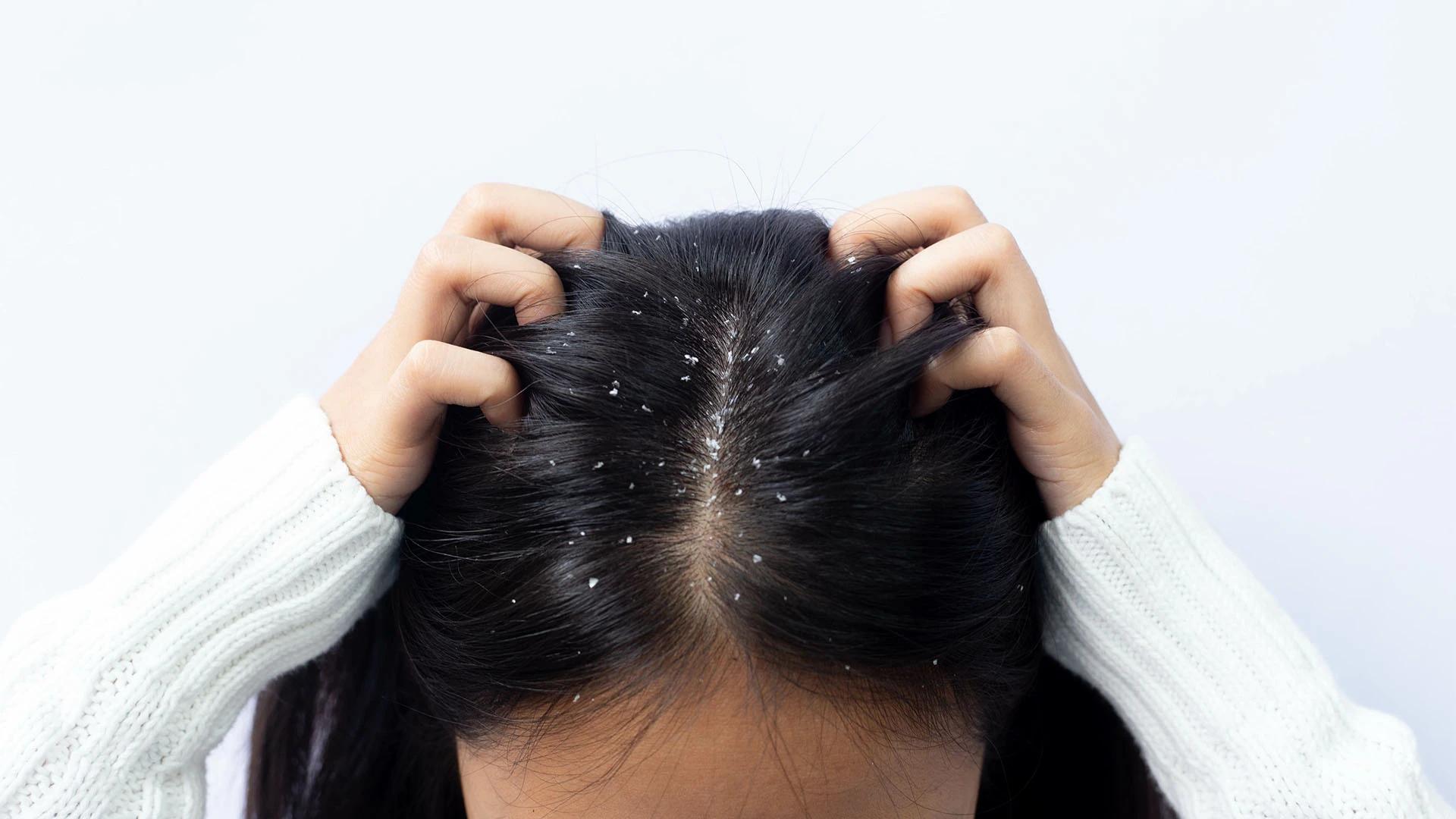

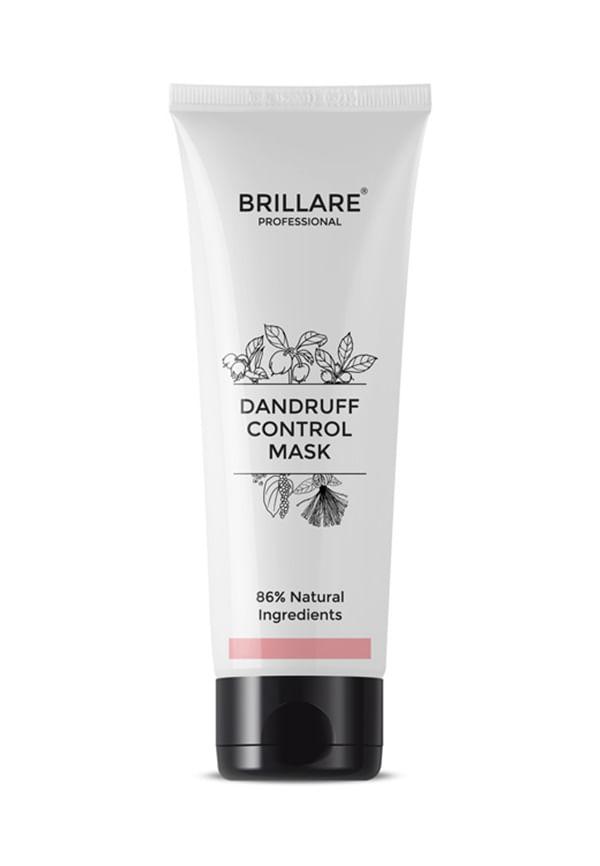
Dandruff Control Mask For Itchy, Flaky Scalp
Ever stared at your scalp in the mirror and wondered why it feels so different from your hair? You're massaging in that expensive hair mask, but your scalp still feels tight, itchy, or oily. Here's the thing—your scalp has completely different needs than your hair strands, and treating them the same way is like using body lotion on your face. Your scalp is skin, and it deserves its own targeted care routine. Whether you're dealing with flakiness, excess oil, or that annoying itch that won't quit, the right scalp mask can be a total game-changer. Let's dive into everything you need to know about finding the best mask for your scalp's specific needs.
Real talk—there's no one-size-fits-all answer here. The best mask for scalp health depends entirely on what your scalp is going through right now. Think of scalp masks as targeted treatments that work directly on your skin, not just your hair. Unlike regular hair masks that focus on smoothing and moisturising strands, scalp masks dive deeper to address issues like dryness, excess oil production, inflammation, or buildup.
A good scalp mask should feel like a mini spa treatment for your head. It might tingle slightly if it contains peppermint or tea tree, or feel cooling and soothing if it's packed with aloe vera. The key is choosing ingredients that match your scalp's current state, not what you think it should be.
For dry and sensitive scalps, look for hydrating formulas with ceramides, hyaluronic acid, or natural oils like jojoba. These ingredients help rebuild your scalp's moisture barrier without weighing down your hair. If you're dealing with an oily scalp, clay-based masks with charcoal or salicylic acid can help absorb excess sebum and clear out clogged follicles. Got an itchy, irritated scalp? Anti-inflammatory ingredients like witch hazel, peppermint, or chamomile can provide instant relief while addressing the root cause of the irritation.
The best part about scalp treatment options today is that many formulas are designed to work on multiple concerns at once. You might find a mask that hydrates whilst gently exfoliating, or one that soothes irritation whilst promoting healthy hair growth. The trick is reading ingredient lists carefully and starting with gentler formulations if you're new to scalp care.
Your scalp type determines everything about your haircare routine, including which masks will actually help versus potentially making things worse. Just like facial skin, scalps can be dry, oily, combination, or sensitive, and each type responds differently to various ingredients and treatment frequencies.
If your scalp feels tight, flaky, or itchy—especially after washing—you're likely dealing with dryness. A dry scalp mask should focus on deep hydration and barrier repair. Look for ingredients like ceramides, which help rebuild your scalp's protective layer, or hyaluronic acid, which can hold up to 1000 times its weight in water. Natural oils like argan, jojoba, or coconut can also provide immediate relief, but use them sparingly to avoid weighing down your hair.
An oily scalp produces excess sebum, leading to greasy roots, potential buildup, and sometimes even clogged follicles. Oily scalp masks typically contain clay, charcoal, or gentle acids like salicylic acid to absorb excess oil and clear out impurities. Tea tree oil is another powerhouse ingredient that can help regulate oil production whilst providing antimicrobial benefits. The key is finding the right balance—you want to control oil without completely stripping your scalp, which can actually trigger more oil production.
Scalp irritation can stem from various causes—product sensitivity, environmental factors, or underlying skin conditions. An itchy scalp mask should prioritise soothing and anti-inflammatory ingredients. Peppermint provides a cooling sensation that can temporarily relieve itching, whilst aloe vera offers gentle hydration and healing properties. Witch hazel acts as a natural astringent that can calm irritated skin without over-drying.
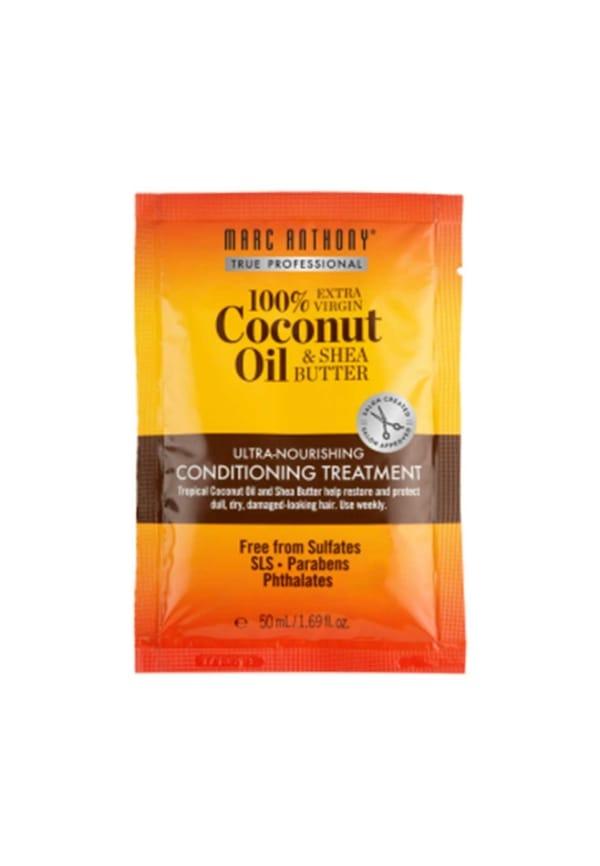
Hydrating Coconut Oil And Shea Butter Deep Nourishing Conditioning Treatment Mask
The DIY versus professional debate really comes down to your specific needs, budget, and how much time you want to invest in mixing ingredients. Both approaches have their place in a solid haircare routine, and many people find success combining both methods.
Natural scalp mask recipes can be incredibly effective, especially for basic concerns like dryness or mild irritation. A simple coconut oil and honey mask can provide deep hydration, whilst a bentonite clay and apple cider vinegar mixture creates an excellent detox treatment for oily scalps. Rosemary oil mixed with a carrier oil like jojoba can stimulate circulation and potentially support hair growth. The main advantages of DIY masks are cost-effectiveness and complete control over ingredients.
However, professional scalp detox mask formulations often contain higher concentrations of active ingredients and undergo stability testing that ensures consistent results. They're also more convenient—no measuring, mixing, or wondering if you've got the ratios right. Professional formulas can address multiple concerns simultaneously and often include ingredients that are difficult to source or work with at home.
The safety factor is worth considering too. When making DIY masks, always patch test new ingredients and research proper dilution ratios, especially for essential oils. Some natural ingredients can be surprisingly potent or cause unexpected reactions when combined.
Getting the most out of your scalp mask isn't just about choosing the right product—application technique matters just as much. Poor application can lead to uneven results, product waste, or even scalp irritation, whilst proper technique ensures every bit of your scalp gets the treatment it needs.
Start by determining your scalp type and current condition. Is it feeling particularly dry today? More oily than usual? Any areas of irritation or sensitivity? This assessment helps you choose both the right mask and the appropriate application method. Section your hair into manageable parts using clips—this ensures you can reach every area of your scalp without missing spots.
For detox masks containing clay or charcoal, apply to a dry scalp before shampooing. This allows the ingredients to work directly on buildup and excess oil without being diluted. Use your fingertips or a scalp brush to gently massage the product in, focusing on areas that tend to get oily or where you notice buildup. Leave on for the recommended time—usually 5-15 minutes—then rinse thoroughly before shampooing as usual.
Hydrating masks work best on clean, towel-dried hair. After shampooing, gently squeeze out excess water and apply the mask to your scalp, working in sections. These masks often benefit from gentle massage to stimulate circulation and help ingredients penetrate better. Some hydrating treatments can be left on longer—even overnight if the formula is designed for extended wear.
Always rinse thoroughly after treatment. Leftover product can cause buildup, irritation, or make your hair look greasy. Use lukewarm water rather than hot, which can strip natural oils and potentially irritate freshly treated skin.
The ingredient list is where the magic happens, but it can also be where marketing meets reality. Understanding which ingredients actually have research backing them versus which ones just sound impressive can save you time, money, and disappointment.
Biotin has solid research supporting its role in hair health, particularly for people with biotin deficiency. It helps strengthen hair follicles and can improve hair texture over time. Rosemary extract has shown promising results in studies comparing it to minoxidil for hair growth—it may help improve circulation to hair follicles and extend the growth phase of hair cycles.
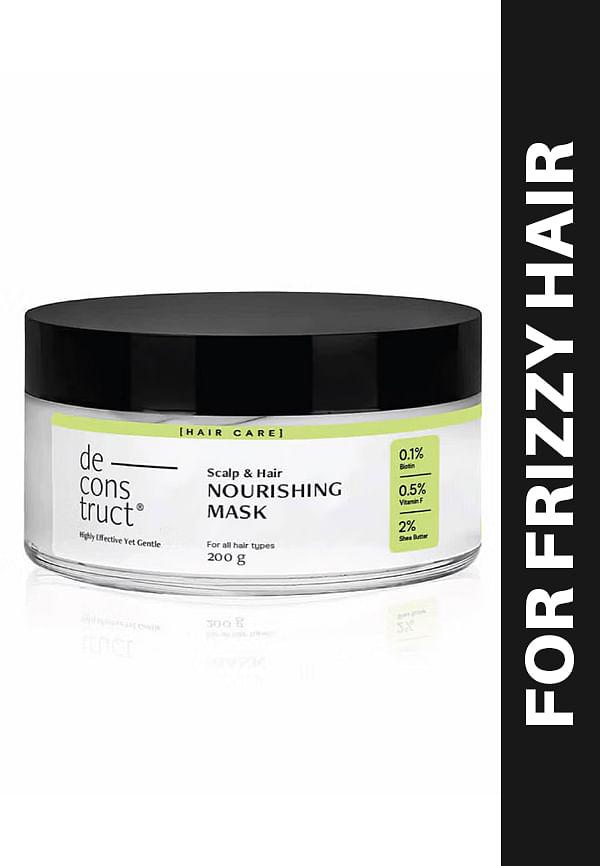
Scalp & Hair Nourishing Mask 0.1% Biotin + 0.5% Vitamin F + 2% Shea Butter
Peptides are smaller protein fragments that can potentially stimulate hair follicles and improve scalp health. Copper peptides, in particular, have shown promise in supporting hair growth and thickness. Niacinamide (vitamin B3) helps improve scalp barrier function and can regulate oil production whilst reducing inflammation.
On the flip side, some ingredients can actually work against your goals. Harsh sulfates can strip your scalp's natural oils, leading to overproduction of sebum or increased dryness. Heavy silicones can build up on your scalp over time, potentially clogging follicles and preventing other beneficial ingredients from penetrating. Synthetic fragrances and high concentrations of alcohol can cause irritation, especially on sensitive scalps.
The key to successful ingredient layering is understanding which actives play well together and which ones should be used separately. For example, using a salicylic acid mask followed immediately by a retinol treatment might be too much for your scalp to handle, whilst combining hydrating ingredients like hyaluronic acid with ceramides can boost effectiveness.
The best scalp mask depends on your specific concerns. For dry scalps, look for hydrating masks with ceramides, hyaluronic acid, or natural oils like argan or jojoba. Oily scalps benefit from clay-based masks with charcoal or tea tree oil that absorb excess sebum. If you're dealing with irritation, choose masks with soothing ingredients like aloe vera, peppermint, or witch hazel. Always patch test new products and start with gentler formulations if you're new to scalp treatments.
Regular hair masks aren't always ideal for scalp care because they're formulated for hair strands, not skin. Hair masks typically contain heavy moisturising ingredients that can clog pores or cause buildup on your scalp. However, some dual-purpose masks are specifically designed to benefit both hair and scalp. Look for products that explicitly mention scalp benefits and contain ingredients like tea tree oil, peppermint, or gentle exfoliating acids that work well on skin.
Yes, elevated cortisol levels from chronic stress can definitely impact your scalp health. Cortisol affects your skin's barrier function, potentially leading to increased water loss and dryness. Stress hormones can also disrupt your scalp's natural oil production and increase inflammation, making existing scalp conditions worse. Managing stress through lifestyle changes, alongside using gentle, hydrating scalp treatments, can help restore balance to both your cortisol levels and your scalp health.
The best scalp treatment varies by individual needs, but generally, gentle, pH-balanced products work well for most people. Natural oils like jojoba or argan can provide immediate hydration for dry scalps. Tea tree oil (properly diluted) offers antimicrobial benefits for oily or problematic scalps. Aloe vera gel provides soothing relief for irritated scalps. For ongoing maintenance, a gentle scalp serum with niacinamide or peptides can support overall scalp health without causing buildup.
Most scalp masks should be used once or twice per week, depending on your scalp type and the mask's intensity. Gentle, hydrating masks can typically be used more frequently, whilst detoxifying clay masks or those with active ingredients like salicylic acid should be limited to once weekly. Start with less frequent application and gradually increase if your scalp responds well. Overuse can lead to irritation or disrupt your scalp's natural balance.
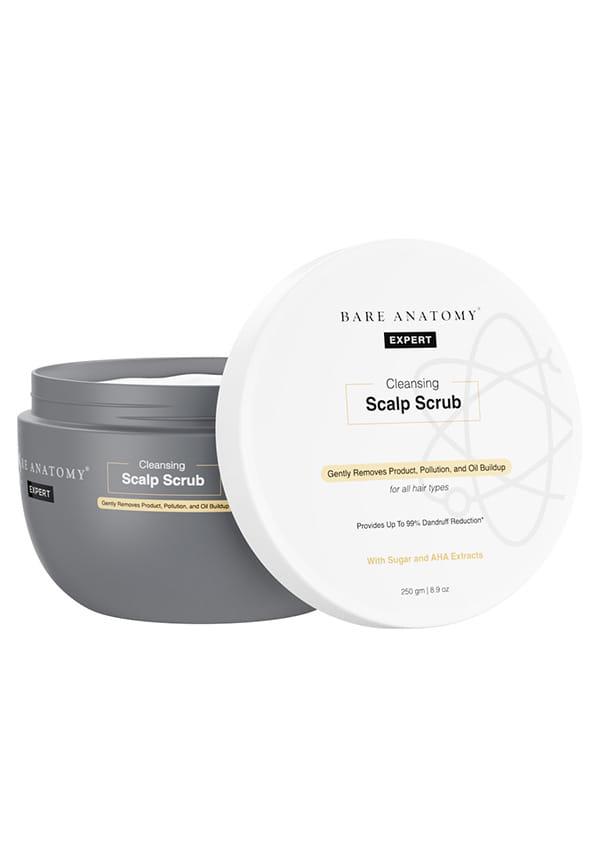
Scalp Scrub | Up To 99% Dandruff Reduction | Dandruff Remover
When used correctly, scalp masks shouldn't cause hair loss. However, harsh ingredients, over-application, or allergic reactions can potentially damage hair follicles or cause temporary hair shedding. Always patch test new products, follow application instructions, and avoid leaving masks on longer than recommended. If you notice increased hair loss after starting a new scalp treatment, discontinue use and consult a dermatologist or trichologist.
Overnight scalp treatments can be safe if they're specifically formulated for extended wear. Look for gentle, non-irritating ingredients like natural oils, aloe vera, or low-concentration peptides. Avoid overnight treatments with strong actives like high-concentration acids, essential oils, or clay-based formulas. Always test overnight treatments on a small area first, and protect your pillowcase with a towel or old pillowcase in case of transfer.
Choose cream-based masks if you have dry, sensitive, or normal scalp types. These provide hydration and gentle nourishment without stripping natural oils. Clay masks work better for oily scalps, as they absorb excess sebum and can help clear clogged follicles. If you have combination scalp concerns, you might benefit from alternating between both types or using different masks on different areas of your scalp based on specific needs.
Even with the best intentions, it's easy to make mistakes that can sabotage your scalp care routine. One of the biggest errors is over-application—using too much product or applying it too frequently. This can lead to buildup, clogged follicles, or even irritation from ingredient overload. Start with less product than you think you need and build up gradually.
Timing mistakes are incredibly common too. Applying hydrating masks to dirty hair means the ingredients can't penetrate properly, whilst putting detox masks on freshly washed hair might be unnecessarily harsh. Pay attention to whether your chosen mask should be applied to clean or dirty hair, and follow those guidelines for best results.
Inadequate rinsing is another frequent issue that can cause ongoing problems. Leftover product residue can make your hair look greasy, cause scalp irritation, or interfere with your regular haircare products. Take extra time to rinse thoroughly, especially around your hairline and the nape of your neck where product tends to accumulate.
Ingredient mismatches can also cause problems. Mixing active ingredients without understanding how they interact can lead to irritation or reduced effectiveness. For example, using a salicylic acid mask immediately followed by a retinol treatment might be too intense for your scalp. Similarly, layering multiple oil-based treatments can overwhelm oily scalps and cause breakouts along your hairline.
Finding the right scalp mask is all about understanding your scalp's unique needs and choosing ingredients that address those specific concerns. Whether you're dealing with dryness, excess oil, irritation, or just want to maintain healthy scalp function, there's likely a treatment that can help. Remember that consistency matters more than intensity—gentle, regular care typically produces better long-term results than harsh, sporadic treatments.
Start with patch testing any new products, especially if you have sensitive skin or known allergies. Pay attention to how your scalp responds and adjust your routine accordingly. What works for your friend might not work for you, and that's completely normal. Your scalp's needs can also change with seasons, stress levels, hormonal fluctuations, or lifestyle changes, so stay flexible with your approach.
The beauty of modern scalp care is the variety of options available, from simple DIY treatments to sophisticated professional formulations. Smytten's curated selection includes scalp treatments from trusted brands, making it easier to explore different options without committing to full-size products immediately. Not sure which approach works for your specific scalp type? Many of these scalp care products are available in trial sizes through Smytten, letting you test different formulations and find your perfect match before investing in larger quantities.
