Scalp Itching Causes FAQ: Understanding Your Itchy Scalp


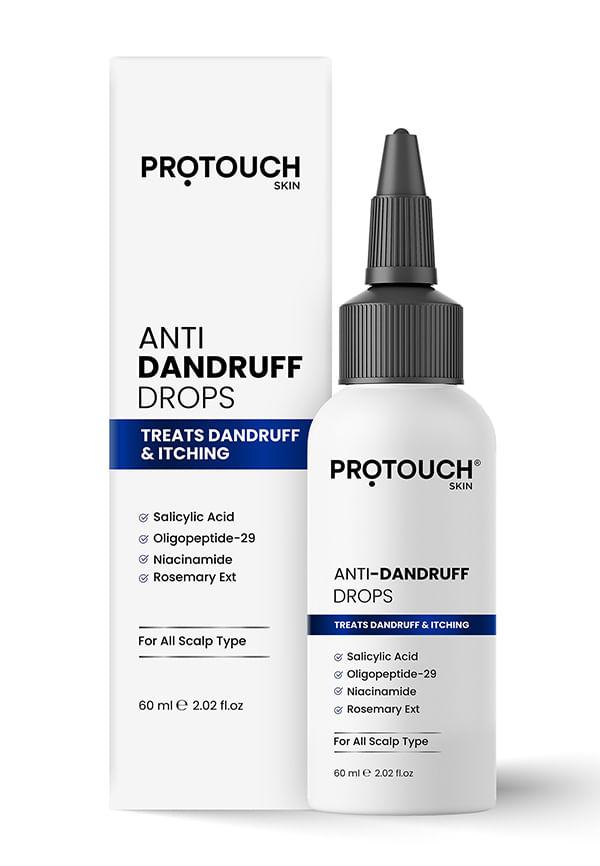
SKIN Anti Dandruff Drops Serum Soothes Itchy, Inflamed Scalp
That persistent scalp itch keeping you up at night isn't just annoying—it's your scalp sending you an important message. Whether it's a gentle tingle after trying a new shampoo or an intense urge to scratch that won't quit, scalp irritation affects nearly everyone at some point. Real talk: understanding what's behind that itch is the first step to getting lasting relief. From common culprits like dandruff to more complex scalp conditions, there's usually a clear reason why your scalp is acting up. Let's dive into the most common scalp itching causes and figure out what your scalp is really trying to tell you.
Your scalp is basically an extension of your facial skin, packed with hair follicles, oil glands, and nerve endings. When something disrupts this delicate ecosystem, itching is often the first sign. Scalp itching causes range from simple dryness to complex inflammatory conditions, and knowing the difference can save you weeks of frustration.
The most common triggers include seborrheic dermatitis (fancy name for stubborn dandruff), product buildup, scalp inflammation from environmental factors, and fungal overgrowth. Sometimes it's as simple as switching shampoos too quickly, other times it signals a deeper scalp condition that needs proper attention.
Immediate scalp irritation usually happens within hours or days of exposure to a trigger—think new hair products, harsh weather, or stress. Chronic itching that persists for weeks often points to underlying scalp conditions like scalp psoriasis or ongoing sensitivity issues. The key is recognising patterns and understanding when your itchy scalp needs more than just a gentle shampoo switch.
Let's break down the usual suspects behind that persistent itch. These scalp conditions account for most cases of chronic scalp irritation, and each has its own telltale signs.
This is the big one—dandruff affects nearly half the population at some point. It's caused by Malassezia, a yeast that naturally lives on your scalp but sometimes gets a bit too comfortable. When it overgrows, it feeds on your scalp's natural oils and creates irritating byproducts that trigger flaking and itching.
Seborrheic dermatitis is basically dandruff's more intense cousin. You'll notice yellowish, greasy flakes rather than the dry white ones typical of regular dandruff. Stress, hormonal changes, and even seasonal shifts can trigger flare-ups, making this one of the trickiest scalp conditions to manage.
Here's where things get confusing—dry scalp and dandruff look similar but need completely different approaches. Dry scalp happens when your scalp doesn't produce enough natural oils, often due to cold weather, over-washing, or using harsh products. The flakes are typically smaller and whiter than dandruff flakes.
Environmental factors play a huge role here. Central heating, air conditioning, and low humidity can all strip moisture from your scalp. If you're washing your hair daily with strong shampoos, you might be creating the very dryness that's causing your itch.
Scalp psoriasis is an autoimmune condition where your immune system mistakenly attacks healthy scalp cells, causing them to multiply too quickly. This creates thick, silvery scales that can be incredibly itchy and sometimes painful. Unlike dandruff, these scales are much thicker and often extend beyond your hairline onto your forehead or neck.
Genetics play a big role—if psoriasis runs in your family, you're more likely to develop it. Stress, infections, and certain medications can trigger flare-ups, making this a condition that often needs professional management.
Sometimes your scalp is just telling you it doesn't like what you're putting on it. Contact dermatitis happens when your sensitive scalp reacts to specific ingredients in shampoos, conditioners, or styling products. Common culprits include sulfates, artificial fragrances, and preservatives like parabens.
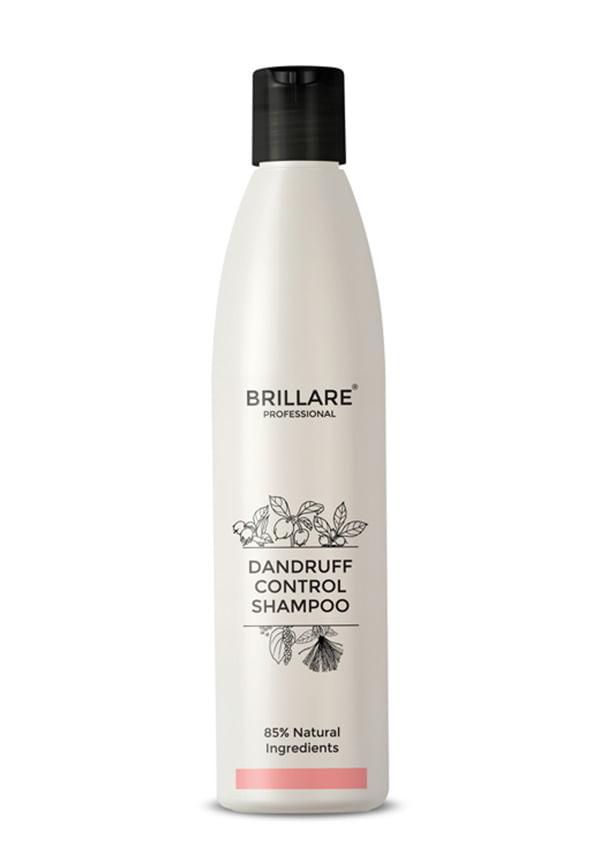
Dandruff Control Shampoo For Itchy, Flaky Scalp
Product buildup can also trigger scalp irritation even if you're not technically allergic to anything. When products don't rinse out properly, they can clog hair follicles and create an environment where bacteria and yeast thrive.
While most scalp itching is harmless, some causes require immediate professional treatment. These conditions can worsen quickly and sometimes spread to others, so early diagnosis is crucial.
Ringworm of the scalp is more common than you might think, especially in children. Despite the name, it's not caused by worms but by fungi that love warm, moist environments. You'll typically see circular patches of hair loss along with intense itching and sometimes inflammation.
This condition is highly contagious and spreads through direct contact or sharing items like combs, hats, or pillowcases. If you suspect ringworm, see a healthcare provider immediately—over-the-counter treatments won't cut it for scalp infections.
Let's clear up a major misconception: head lice have nothing to do with cleanliness. These tiny parasites actually prefer clean hair because it's easier to attach their eggs to. The intense itching comes from your scalp's reaction to lice saliva, not the bugs themselves.
Modern lice have developed resistance to many traditional treatments, so if you suspect lice, professional diagnosis and treatment are often necessary. The itching can persist for weeks even after successful treatment as your scalp heals.
When hair follicles become infected with bacteria, you get folliculitis—small, itchy bumps that can look like acne on your scalp. This often happens from trauma to the scalp, whether from tight hairstyles, aggressive brushing, or scratching existing irritation.
Poor hygiene, excessive sweating, and certain hair products can create the perfect environment for bacterial growth. If you notice pus-filled bumps or the area becomes increasingly red and tender, it's time for professional treatment.
Ever notice how scalp itching seems worse when you're trying to sleep? There's actually science behind this frustrating phenomenon. Your body temperature naturally rises at night, which can increase blood flow to your scalp and make existing inflammation more noticeable.
Histamine levels also fluctuate throughout the day, typically peaking in the evening. This natural chemical is involved in allergic reactions and inflammation, so higher levels can make any existing scalp irritation feel more intense. Stress hormones like cortisol follow their own daily rhythm too, and disruptions can affect your scalp's sensitivity.
Your bedding might be part of the problem as well. Fabric softeners, detergents, and even the material of your pillowcase can trigger contact dermatitis in people with sensitive scalp. Cotton and bamboo pillowcases are generally gentler than synthetic materials, and washing bedding in fragrance-free detergent can help reduce irritation.
Sometimes the root of scalp itching isn't what you're putting on your head, but what's missing from your diet. Your scalp, like the rest of your skin, needs specific nutrients to maintain its barrier function and stay healthy.
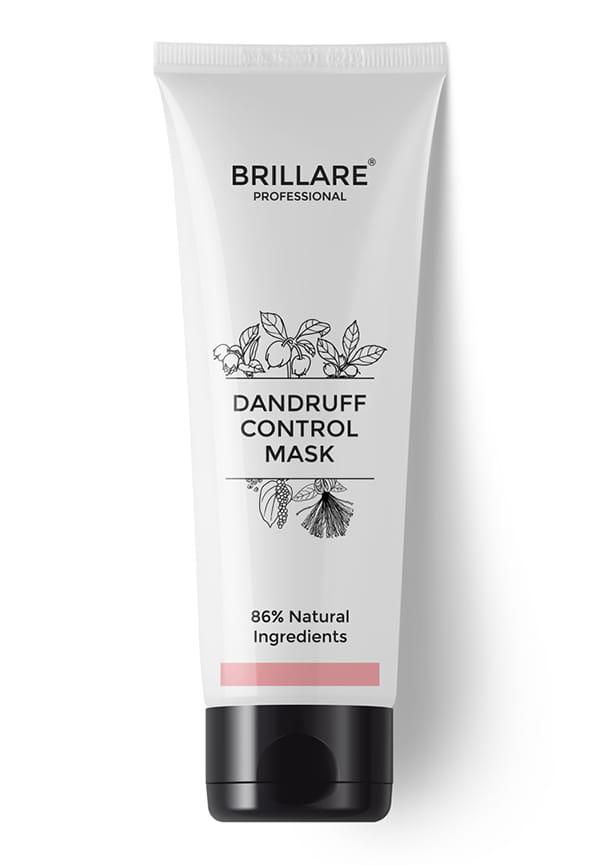
Conditioner For Itchy, Flaky Scalp
Zinc deficiency is surprisingly common and can lead to scalp inflammation, delayed wound healing, and increased sensitivity. This mineral is crucial for immune function and skin repair, so even mild deficiencies can show up as persistent scalp irritation.
B-vitamins, particularly B6, B12, and biotin, play essential roles in skin barrier function. Deficiencies can make your scalp more susceptible to irritation and slower to heal from minor damage. Omega-3 fatty acids provide anti-inflammatory effects that help calm reactive scalps and support overall skin health.
Internal hydration affects your scalp just like it affects the rest of your skin. When you're dehydrated, your scalp produces less natural oil and becomes more prone to dryness and irritation. Climate and seasonal changes can also disrupt your scalp's moisture balance, especially during winter months when indoor heating strips humidity from the air.
As we age, our scalp naturally produces less oil, making older adults more susceptible to dry scalp conditions. Hormonal changes during menopause can also affect oil production and scalp sensitivity.
When your scalp is driving you mad with itching, you need relief fast. But sustainable solutions require addressing the underlying scalp itching causes, not just masking symptoms.
Cool water rinses can provide instant relief by reducing inflammation and removing irritants. Avoid hot water, which can strip natural oils and worsen dryness. Gentle scalp massage with your fingertips (never nails) can improve circulation and provide temporary relief without causing damage.
When the urge to scratch hits, try applying gentle pressure with your palm instead. Scratching can create micro-wounds that become infected and make itching worse. Ice packs wrapped in a thin cloth can numb intense itching, but limit use to 10-15 minutes to avoid damaging your scalp.
The right shampoo can make or break your scalp health. For dandruff and seborrheic dermatitis, look for active ingredients like zinc pyrithione, selenium sulfide, or ketoconazole. These antifungal ingredients target the yeast overgrowth that causes flaking and itching.
If you have a sensitive scalp, choose sulfate-free formulas with gentle cleansing agents. Ingredients like tea tree oil, salicylic acid, and coal tar can be effective but may be too harsh for very sensitive scalps. Consider rotating between different medicated shampoos to prevent your scalp from becoming resistant to any one ingredient.
Tea tree oil has genuine antifungal and anti-inflammatory properties, but it must be diluted properly—never apply it directly to your scalp. Mix 2-3 drops with a carrier oil like coconut or jojoba oil before application.
Aloe vera gel can provide cooling relief and has mild anti-inflammatory effects. Look for pure aloe without added fragrances or alcohol. Apple cider vinegar, when diluted (1 part vinegar to 3 parts water), can help restore your scalp's natural pH balance, but avoid it if you have open wounds or severe irritation.
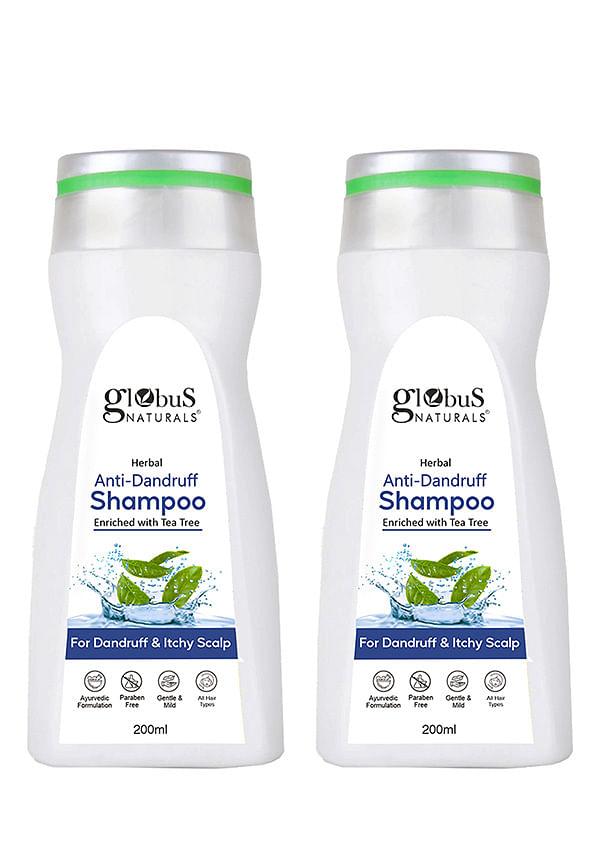
Anti Dandruff Shampoo, For Dandruff and Itchy Scalp
Most scalp itching resolves with gentle care and the right products, but some situations require professional intervention. Don't ignore persistent symptoms that could indicate a more serious scalp condition.
See a healthcare provider if itching persists beyond two weeks despite treatment, if you notice hair loss accompanying the irritation, or if you develop spreading rash or lesions. Signs of infection like pus, fever, or swollen lymph nodes need immediate attention. If scalp conditions are affecting your sleep, work, or quality of life, professional treatment can provide faster, more effective relief.
Dermatologists can prescribe stronger medicated shampoos, topical steroids for inflammation, or antifungal medications for persistent infections. For severe cases, systemic treatments might be necessary. A trichologist specialises specifically in hair and scalp conditions and can be particularly helpful for complex or chronic issues.
Stop scalp itching by first identifying the underlying cause. For immediate relief, rinse with cool water, apply gentle pressure instead of scratching, and use a medicated shampoo appropriate for your condition. Long-term solutions require addressing root causes like dandruff, dry scalp, or product sensitivities through proper haircare tips and sometimes professional treatment.
An itchy scalp can be a symptom of various scalp conditions including dandruff, seborrheic dermatitis, scalp psoriasis, fungal infections, head lice, contact dermatitis from hair products, dry scalp, stress, or nutritional deficiencies. Persistent scalp irritation may indicate an underlying condition requiring professional evaluation.
Several nutritional deficiencies can cause scalp itching, including zinc deficiency leading to scalp inflammation, B-vitamin deficiencies affecting skin barrier function, iron deficiency causing scalp sensitivity, and omega-3 fatty acid deficiency reducing anti-inflammatory protection. Proper nutrition supports overall scalp health.
Stop persistent head itching by using gentle, sulfate-free shampoos, maintaining proper scalp hygiene without over-washing, avoiding harsh hair products, managing stress levels, staying hydrated, and addressing any underlying scalp conditions with appropriate treatments. Consider seeing a dermatologist for persistent issues.
Yes, stress can definitely trigger scalp itching through multiple pathways. Stress hormones can increase scalp inflammation, disrupt your skin barrier function, and even trigger conditions like seborrheic dermatitis. Stress also tends to make existing scalp conditions worse and can lead to scratching behaviours that damage your scalp further.
Daily scalp itching isn't normal and usually indicates an underlying issue that needs attention. While occasional mild itching can happen to anyone, persistent daily symptoms suggest scalp conditions like dandruff, dry scalp, product sensitivity, or other scalp irritation that should be properly diagnosed and treated.
Understanding scalp itching causes is your first step toward lasting relief. Whether you're dealing with simple dryness, stubborn dandruff, or more complex scalp conditions, the right approach can make all the difference. Remember that your scalp is unique—what works for your friend might not work for you, and that's completely normal.
Start with gentle, consistent care and give treatments time to work. Most scalp conditions improve within 2-4 weeks with the right approach. If you're not seeing improvement or if symptoms worsen, don't hesitate to seek professional help. Your scalp health affects your overall confidence and comfort, so it's worth investing in proper care.
When you're ready to explore new haircare solutions, Smytten offers trial-size versions of many scalp-soothing products from trusted brands—a smart way to test what works for your sensitive scalp before committing to full-size bottles. After all, finding your perfect scalp care routine shouldn't involve guesswork or expensive mistakes.
