Scalp Irritation Causes FAQ: Understanding Itchy Scalp & Redness

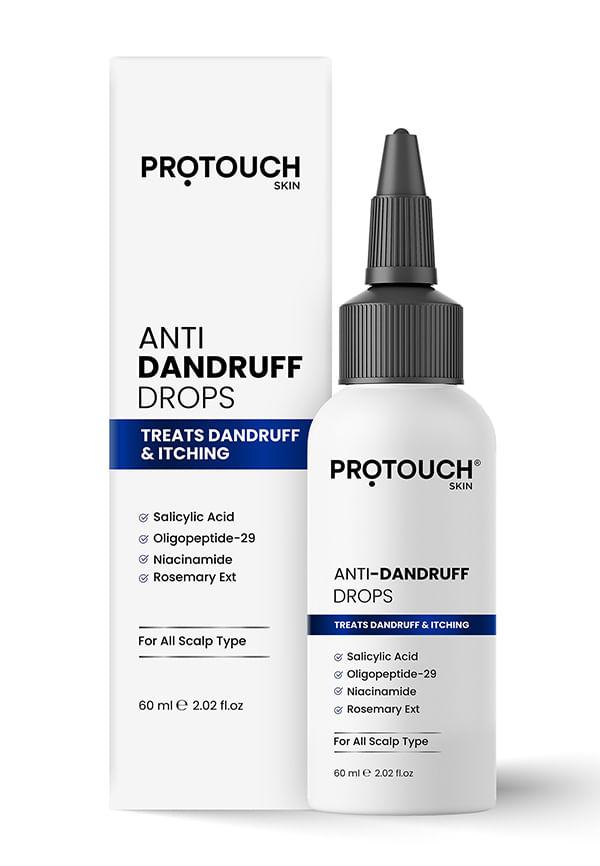
SKIN Anti Dandruff Drops Serum Soothes Itchy, Inflamed Scalp
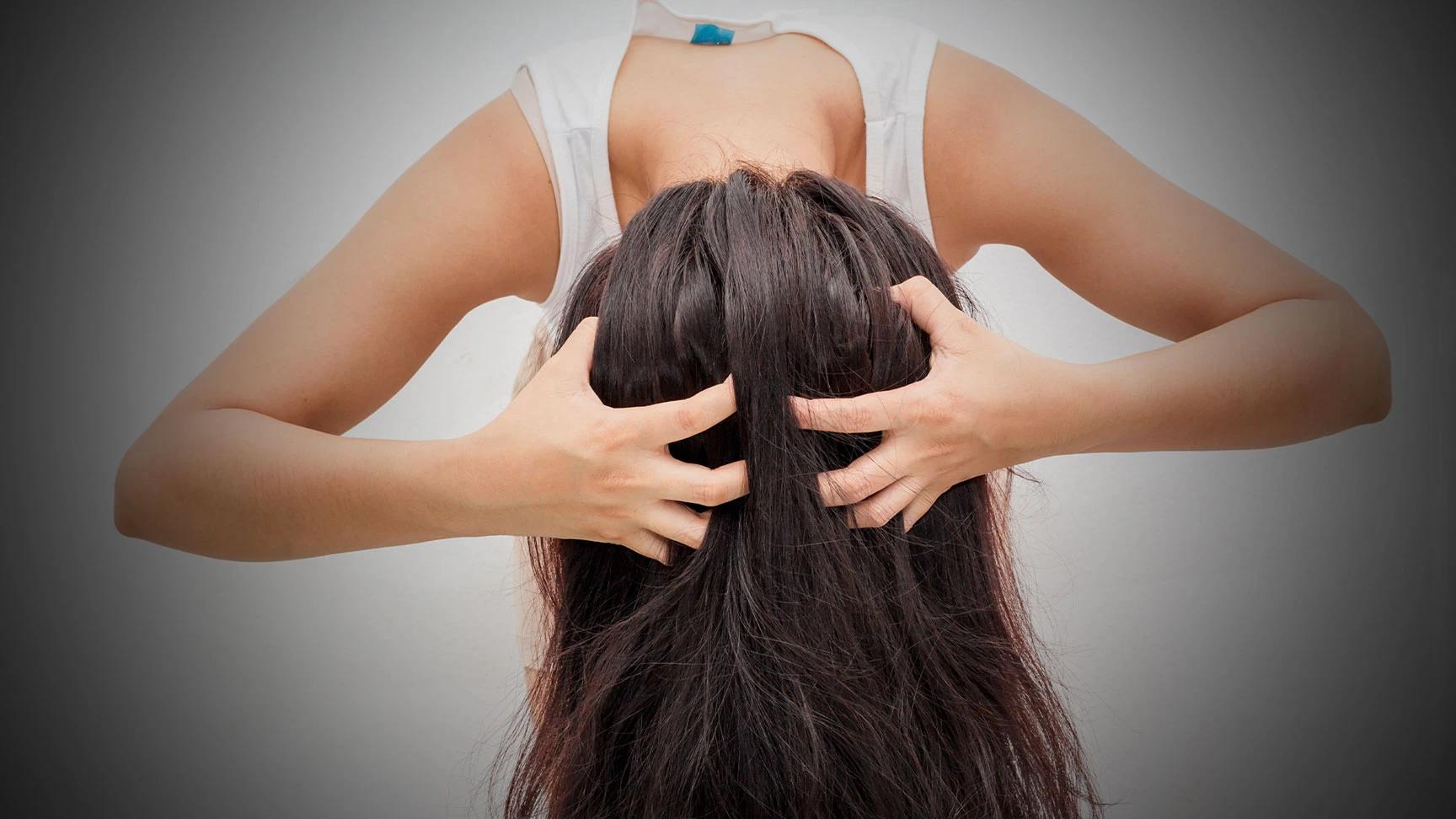
You know that moment when your scalp feels like it's staging a full-scale rebellion? The constant itching, the redness that makes you want to hide under a hat, and that nagging feeling that something's just not right up there. If you've been dealing with scalp irritation, you're definitely not alone. Let's be real — an itchy, irritated scalp can turn even the best hair day into a nightmare. But here's the thing: understanding what's causing all that drama is the first step to getting your scalp back to its happy place.
Real talk: scalp irritation causes can be surprisingly sneaky. What feels like one big problem might actually be several smaller issues working together to make your life miserable. The good news? Once you know what you're dealing with, you can tackle it head-on.
This is the big one — the most common culprit behind that itchy scalp situation. Dandruff happens when a yeast called Malassezia decides to throw a party on your scalp. These little troublemakers feed on the natural oils your scalp produces, and their waste products can trigger inflammation and those telltale white or yellowish flakes. Seborrheic dermatitis is basically dandruff's more intense cousin, often showing up as greasy, yellowish scales that can spread beyond your hairline.
Sometimes your scalp is literally trying to tell you that it's not vibing with your haircare routine. Contact dermatitis happens when your scalp has an allergic reaction to ingredients in shampoos, conditioners, hair dyes, or styling products. Para-phenylenediamine (PPD) in hair dyes is a particularly common trigger. If you've recently switched products and noticed increased scalp redness or itching, this might be your answer.
Here's where things get tricky — dry scalp and dandruff look similar but have different causes. Dry scalp happens when your scalp lacks moisture, often due to cold weather, low humidity, or overwashing with hot water. The flakes from dry scalp are typically smaller and whiter than dandruff flakes. Environmental factors like harsh winters or spending too much time in air-conditioned spaces can strip your scalp of its natural moisture barrier.
Fungal infections like tinea capitis (scalp ringworm) can cause serious scalp irritation. Despite the name, ringworm isn't actually caused by worms — it's a fungal infection that creates circular, scaly patches on the scalp. This condition is contagious and more common in children, but adults can get it too. If you notice hair loss in circular patterns along with scaling, it's time to see a dermatologist.
Scalp psoriasis is an autoimmune condition that causes thick, silvery-red plaques on the scalp. Unlike dandruff, psoriasis scales are typically thicker and more adherent to the scalp. There's often a genetic component to scalp psoriasis, and it can be triggered by stress, infections, or certain medications. The inflammation from psoriasis can extend beyond the hairline to the forehead, neck, and ears.
Nobody wants to think about this one, but head lice and scabies can definitely cause intense scalp itching. Head lice are more common in children but can affect anyone. The itching comes from an allergic reaction to lice saliva. Scabies mites can also affect the scalp, especially in infants and people with compromised immune systems.
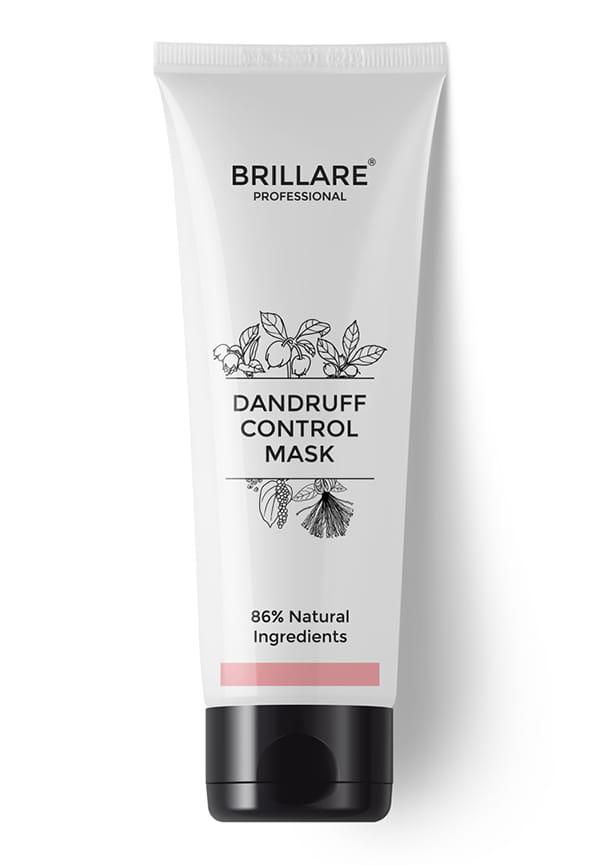
Conditioner For Itchy, Flaky Scalp
Sometimes the answer to your sensitive scalp woes isn't hiding in a medical textbook — it's right there in your daily routine. Environmental stressors and lifestyle habits can turn a perfectly happy scalp into an irritated, inflamed mess faster than you'd think.
Your scalp faces a daily assault from environmental factors. Pollution particles can build up on your scalp, clogging pores and triggering inflammation. UV exposure doesn't just damage your hair — it can also cause scalp sunburn and long-term irritation. Hard water with high mineral content can leave deposits on your scalp that cause dryness and itching. Even seasonal changes in humidity can throw your scalp's moisture balance completely off track.
Here's something that might surprise you: overwashing can actually make scalp problems worse. Washing your hair too frequently strips away natural oils, leading to dry scalp causes that trigger your oil glands to overcompensate. Heat styling tools can damage not just your hair but also your scalp tissue. Chemical processing like perms, relaxers, and frequent colouring can cause chemical burns and ongoing sensitivity.
Your mental state has a direct line to your scalp health. High cortisol levels from chronic stress can trigger scalp inflammation and worsen existing conditions like dandruff or seborrheic dermatitis. Hormonal fluctuations during pregnancy, menopause, or even your monthly cycle can affect oil production and scalp sensitivity. Poor sleep quality also impacts your body's ability to repair and maintain healthy scalp tissue.
Not all scalp redness is created equal. While some irritation is normal and temporary, persistent scalp inflammation could signal something that needs professional attention. Learning to distinguish between everyday irritation and more serious scalp conditions can save you a lot of discomfort down the road.
Temporary redness after washing, brushing, or styling is usually nothing to worry about. Your scalp might also look a bit pink after being in the sun or cold weather. However, persistent redness that lasts more than a few days, spreads beyond your hairline, or comes with other symptoms like swelling or discharge needs attention. Chronic inflammation can damage hair follicles and lead to permanent hair loss if left untreated.
Keep an eye out for warning signs that suggest your scalp irritation might be more than just a minor annoyance. Swelling, tenderness, or pain when touching your scalp could indicate infection. Unusual discharge, strong odours, or sudden hair loss in patches are all red flags. If you're experiencing fever along with scalp symptoms, that's definitely a sign to seek medical attention immediately.
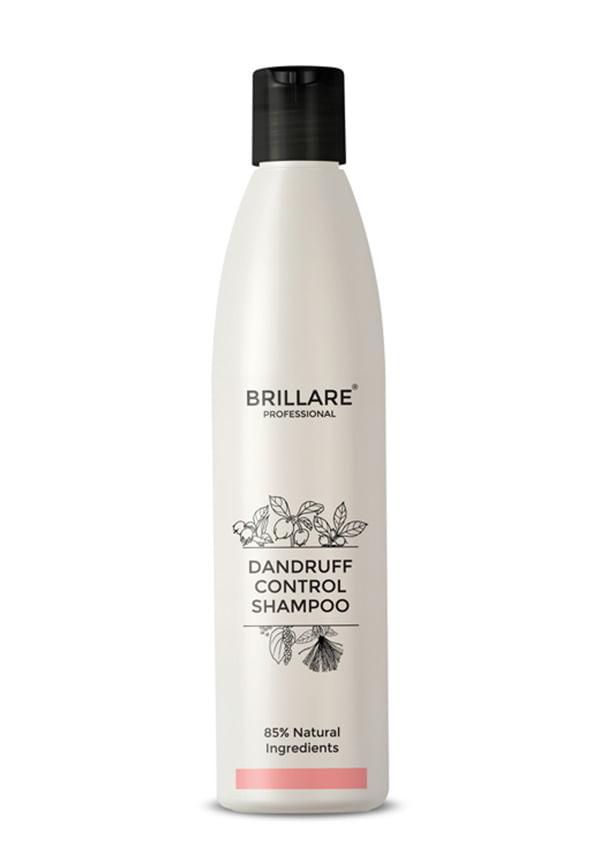
Dandruff Control Shampoo For Itchy, Flaky Scalp
If your scalp seems to get extra itchy right when you're trying to sleep, you're not imagining things. Nighttime scalp irritation is a real phenomenon with some interesting explanations behind it.
Your body's natural rhythms can actually make itching feel more intense at night. Body temperature fluctuations and changes in hormone levels during sleep can heighten your sensitivity to itch sensations. Additionally, when you're lying down, blood flow to your scalp increases, which can make inflammation feel more pronounced. Your pillow and bedding can also harbour allergens like dust mites that trigger reactions.
Dry indoor air from heating or air conditioning systems can worsen scalp dryness overnight. Hair product buildup that's been accumulating all day might start feeling more irritating when your head hits the pillow. There's also a psychological component — when you're not distracted by daily activities, you're more likely to notice and focus on scalp discomfort, creating a cycle where stress about itching makes the itching worse.
What you eat (or don't eat) has a bigger impact on your scalp health than you might realise. Certain nutritional deficiencies can directly contribute to scalp irritation and inflammation, making it harder for your scalp to maintain its natural protective barrier.
Zinc deficiency is particularly linked to scalp inflammation and dandruff. This mineral plays a crucial role in regulating oil production and maintaining healthy skin cell turnover. B-vitamins, especially biotin and niacin, are essential for scalp circulation and cell regeneration. Omega-3 fatty acids help maintain the scalp's moisture barrier and have anti-inflammatory properties that can reduce irritation.
Dehydration doesn't just affect your energy levels — it shows up on your scalp too. When you're not drinking enough water, your scalp can become dry and flaky. Your scalp also needs external moisture protection, especially in harsh weather conditions. Signs of a dehydrated scalp include tightness, excessive flaking, and increased sensitivity to products that normally don't bother you.
Now that we've covered what might be causing your scalp drama, let's talk solutions. The right haircare for irritated scalp focuses on gentle, targeted treatments that address the root cause rather than just masking symptoms.
Start with a pH-balanced shampoo that won't disrupt your scalp's natural acid mantle. Most healthy scalps have a pH between 4.5 and 6.5, so look for products in this range. Wash frequency depends on your specific condition — oily, dandruff-prone scalps might need daily washing, while dry, sensitive scalps do better with every other day or even less frequent washing. Always use lukewarm water instead of hot, which can strip natural oils and worsen irritation.
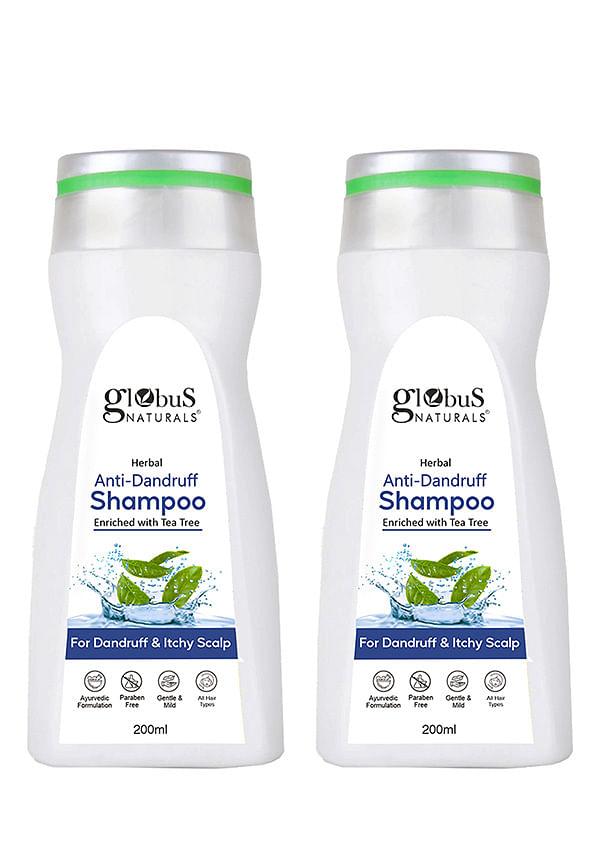
Anti Dandruff Shampoo, For Dandruff and Itchy Scalp
Beneficial ingredients for irritated scalps include tea tree oil for its antifungal properties, salicylic acid for gentle exfoliation, and zinc pyrithione for controlling yeast overgrowth. Ceramides and hyaluronic acid can help restore moisture barrier function. On the flip side, avoid harsh sulfates like sodium lauryl sulfate, drying alcohols like denatured alcohol, and artificial fragrances that can trigger allergic reactions. Natural remedies like aloe vera and oatmeal can provide soothing relief, but remember that natural doesn't always mean gentle for everyone.
If over-the-counter treatments aren't cutting it, it's time to consult a dermatologist. They can prescribe stronger antifungal medications, topical steroids for inflammation, or antibiotics if there's a bacterial component. In-office treatments like light therapy or prescription-strength chemical peels might be recommended for severe cases. Don't wait too long to seek professional help — early intervention often leads to better outcomes.
For quick relief, try applying a cool compress to your scalp for 10-15 minutes. Avoid scratching, which can worsen inflammation and potentially cause infection. Look for products containing menthol or peppermint oil for immediate cooling relief. Anti-itch ingredients like hydrocortisone (in low concentrations) can provide temporary relief, but they shouldn't be used long-term without medical supervision.
Permanent relief requires identifying and addressing the root cause of your scalp irritation. This might involve switching to gentler hair products, managing underlying conditions like seborrheic dermatitis, or making dietary changes to address nutritional deficiencies. Long-term management often includes establishing a consistent, gentle haircare routine and avoiding known triggers. Some conditions like psoriasis require ongoing medical management rather than a one-time cure.
Several nutritional deficiencies can contribute to scalp itching. Zinc deficiency is particularly common and directly linked to scalp inflammation and dandruff. B-vitamin deficiencies, especially biotin and niacin, can affect scalp health. Iron deficiency might also play a role, particularly in women. Essential fatty acid deficiencies can compromise the scalp's moisture barrier. If you suspect nutritional deficiencies, consider getting blood work done to identify specific gaps in your diet.
Yes, chronic scalp inflammation can definitely impact hair growth and lead to hair loss. Persistent scratching can damage hair follicles and cause breakage. Inflammatory conditions like seborrheic dermatitis and psoriasis can disrupt the normal hair growth cycle. The good news is that hair loss from scalp irritation is often reversible once the underlying inflammation is controlled. However, severe or long-term inflammation can sometimes cause permanent damage to follicles, which is why early treatment is so important.
Some home remedies can provide genuine relief for mild scalp irritation. Oatmeal masks can soothe inflammation, while diluted apple cider vinegar might help restore pH balance. Tea tree oil has proven antifungal properties, though it should always be diluted before use. Aloe vera gel can provide cooling, anti-inflammatory benefits. However, home remedies aren't a substitute for proper medical treatment for serious conditions. Always patch test any DIY treatment first, and discontinue use if irritation worsens.
Understanding scalp irritation causes is your first step toward finding real relief. Whether you're dealing with dandruff, contact dermatitis, or environmental stressors, the right approach combines gentle care with targeted treatment. Remember that what works for your friend might not work for you — scalp health is surprisingly individual. If over-the-counter solutions aren't helping after a few weeks, don't hesitate to consult a dermatologist. Your scalp deserves the same attention you give to the rest of your skincare routine. Not sure which scalp-soothing products might work for your specific concerns? Smytten offers trial-size versions of many scalp care products from trusted brands — a smart way to test what works before committing to full-size bottles.
