Scalp Health Tips FAQ: Your Questions Answered

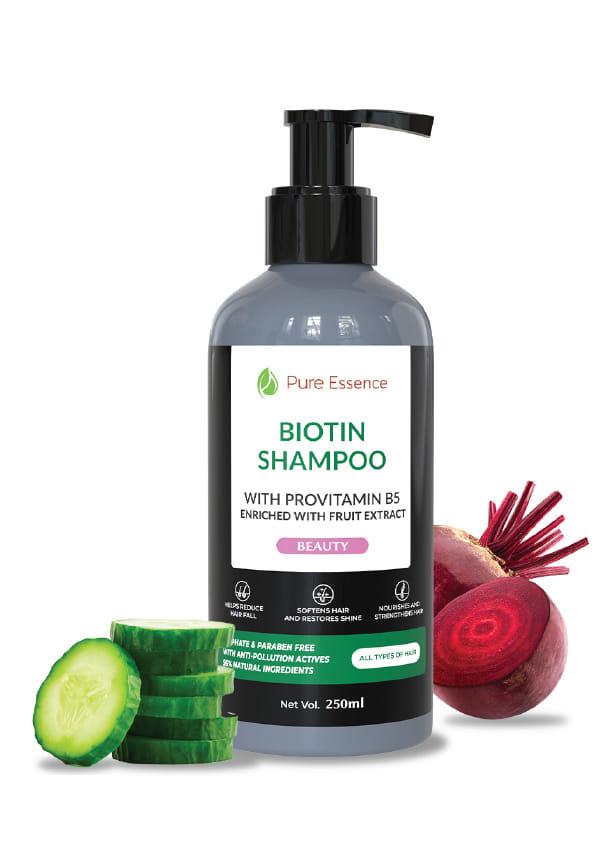
Biotin Shampoo | Softens Hair | Nourishes Scalp | Lowers Hairfall
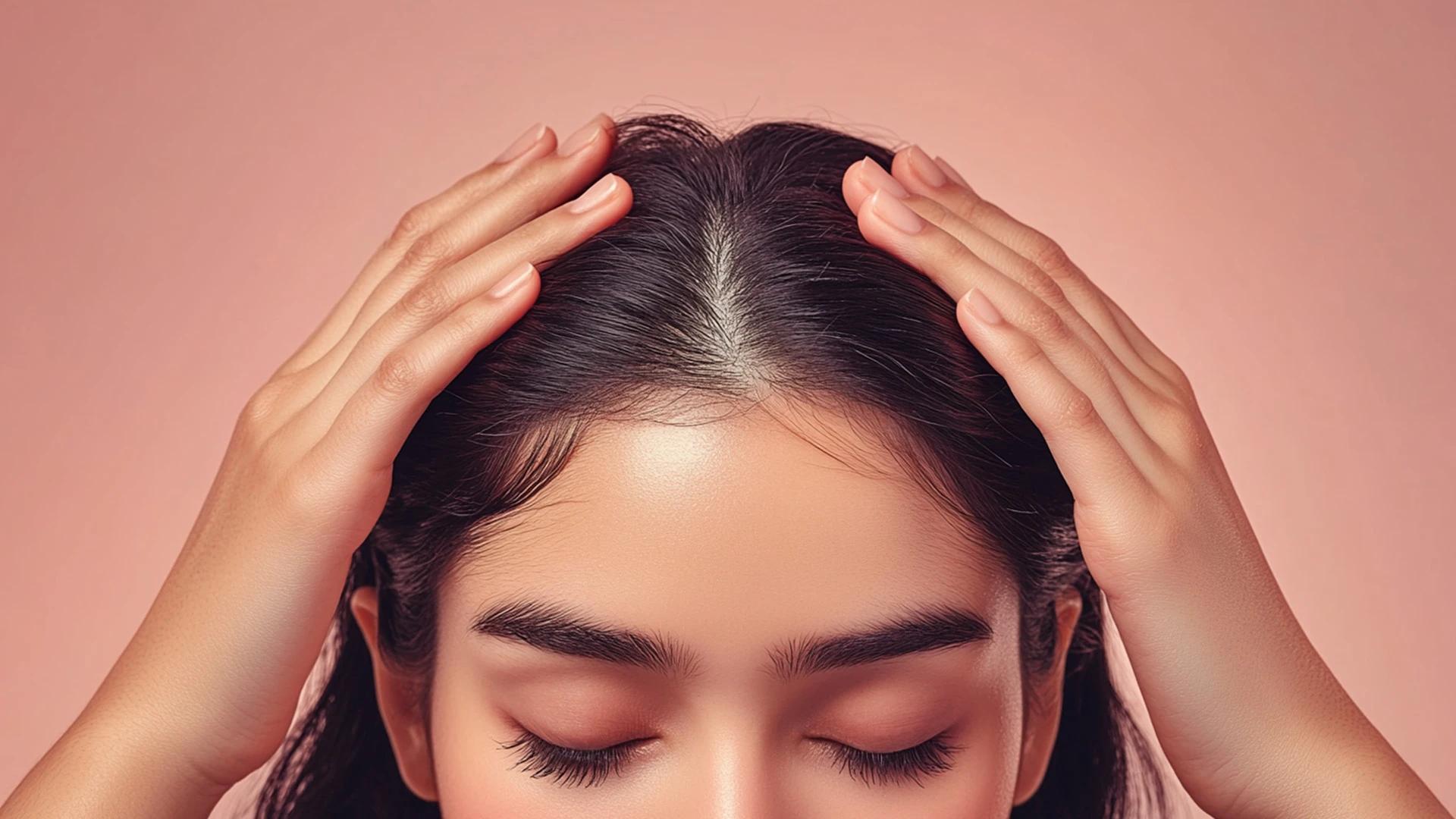
Ever caught yourself scratching your scalp during an important meeting or noticed those telltale white flakes on your favourite black top? You're definitely not alone. Your scalp is basically the foundation for everything happening up there, yet it's probably the most overlooked part of your haircare routine. Think about it — you wouldn't skip moisturising your face, so why treat your scalp any differently? Whether you're dealing with an itchy situation, dryness that just won't quit, or trying to figure out if those flakes are dandruff or something else entirely, getting your scalp health sorted is the real game-changer for your hair goals.
Real talk — a healthy scalp isn't rocket science, but it does need some consistent TLC. The foundation of good scalp care starts with how often you're washing your hair. Most people either overwash (stripping natural oils) or underwash (letting buildup take over). The sweet spot? Usually 2-4 times a week, depending on your hair type and lifestyle.
Your product choices matter more than you think. Sulfate-free shampoos are your scalp's best friend because they cleanse without being harsh. When you're shampooing, focus on massaging the product into your roots and scalp rather than working it through your entire hair length. Your ends don't need that level of cleansing, and this approach prevents unnecessary dryness.
Temperature control is another biggie. That steaming hot shower might feel amazing, but it's not doing your scalp any favours. Lukewarm water opens the hair cuticles just enough for effective cleansing without causing irritation. And here's something most people get wrong — how you dry your hair afterwards. Pat your scalp gently with a microfibre towel instead of aggressive rubbing, which can cause irritation and breakage.
The key to maintaining scalp health is consistency in your routine. Your scalp produces natural oils that need to be balanced, not completely stripped away. This means finding that perfect rhythm between cleansing and allowing your natural sebum to do its protective job.
Your scalp has its own way of telling you when something's not quite right. An itchy scalp that has you reaching up to scratch throughout the day is usually the first red flag. This could be anything from product sensitivity to dryness or even a fungal issue that needs attention.
Flaking is another major indicator, but here's where it gets tricky — not all flakes are created equal. Dry scalp flakes are usually small, white, and powdery, while dandruff flakes tend to be larger, yellowish, and oily. Knowing the difference helps you choose the right treatment approach.
If you're noticing red, scaly patches that might be itchy or sore, this could indicate scalp psoriasis. These patches often have a silvery scale and can appear anywhere on your scalp. Unlike regular dryness, psoriasis patches are usually well-defined and can be quite persistent.
Product buildup is another sneaky culprit that many people miss. If your hair feels heavy, looks dull, or your usual products aren't working as well, buildup from styling products, dry shampoo, or even hard water minerals could be the issue. Your scalp might feel congested, and you might notice your hair getting oily faster than usual.
When your scalp is crying out for relief, gentle exfoliation can work wonders. A weekly scalp scrub helps remove dead skin cells and product buildup without being too aggressive. You can use a store-bought scrub or make your own with brown sugar and your regular shampoo.
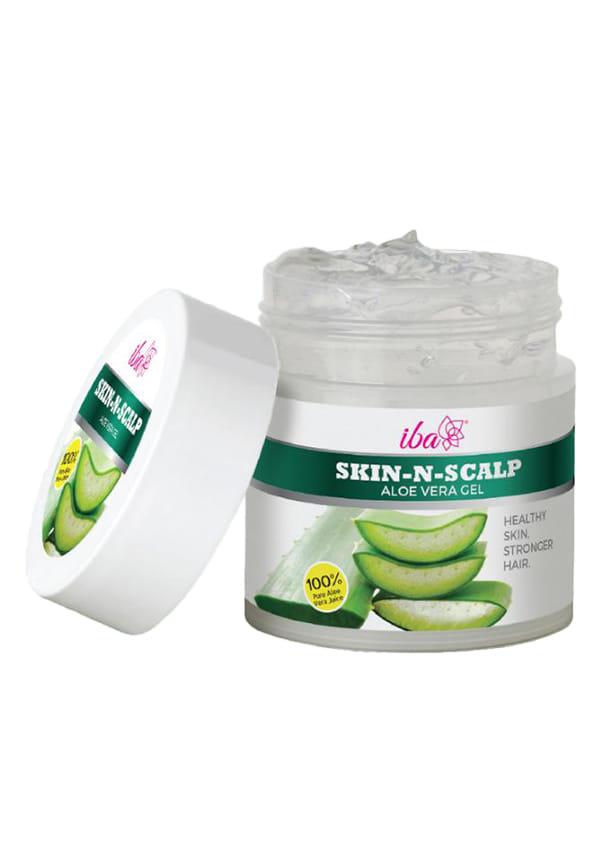
Skin - N - Scalp Aloe Vera Gel for Face, Skin & Hair
For immediate itchy scalp remedies, tea tree oil is a game-changer. Just a few drops mixed into your shampoo can provide anti-inflammatory and antimicrobial benefits. Aloe vera gel applied directly to the scalp can also soothe irritation and provide cooling relief.
Dry scalp treatment requires a different approach than treating dandruff. Look for ingredients like hyaluronic acid, glycerin, and ceramides that help attract and retain moisture. Overnight treatments with natural oils like jojoba or argan can provide deep hydration, but use them sparingly to avoid clogging hair follicles.
Sometimes the solution is about what you avoid rather than what you add. Harsh sulfates, alcohol-based products, and overwashing can all contribute to scalp dryness and irritation. If you're dealing with persistent issues, consider keeping a scalp diary to track what triggers flare-ups.
Here's something that costs nothing but delivers serious results — scalp massage. Just 5-10 minutes of gentle circular motions with your fingertips can boost blood circulation to your hair follicles. Better circulation means better nutrient delivery, which supports overall hair follicle health.
The scalp massage benefits go beyond just feeling good. Regular massage can help distribute your scalp's natural oils, reduce tension that might contribute to headaches, and even help with stress relief. Some studies suggest that consistent scalp massage might support hair thickness over time.
You don't need fancy tools, but they can add an extra dimension to your routine. Scalp massagers with silicone bristles can provide gentle exfoliation while stimulating circulation. If you're using your fingers, make sure your nails are short to avoid scratching or irritating your scalp.
The best time for scalp massage is during your shampoo routine or while applying treatments. This helps the products penetrate better while giving you that circulation boost. Aim for 2-3 times per week for optimal benefits without overdoing it.
Let's clear up the confusion between dandruff and dry scalp once and for all. Dandruff is caused by an overgrowth of yeast on the scalp, leading to larger, oily flakes that are often yellowish. Dry scalp, on the other hand, is simply a lack of moisture, resulting in smaller, white, powdery flakes.
For dandruff control, look for shampoos containing zinc pyrithione, ketoconazole, or selenium sulfide. These ingredients target the yeast overgrowth that causes dandruff. Use these medicated shampoos 2-3 times per week, alternating with a gentle, moisturising shampoo.
Scalp psoriasis requires a more targeted approach. This autoimmune condition causes rapid skin cell turnover, leading to thick, scaly patches. Coal tar shampoos can help slow down skin cell production, while salicylic acid helps remove the scales. However, psoriasis often requires professional medical guidance for proper management.
Lifestyle factors play a huge role in managing these scalp conditions. Stress, diet, and even weather changes can trigger flare-ups. Keeping a consistent routine, managing stress levels, and protecting your scalp from extreme temperatures can help maintain better control over these conditions.
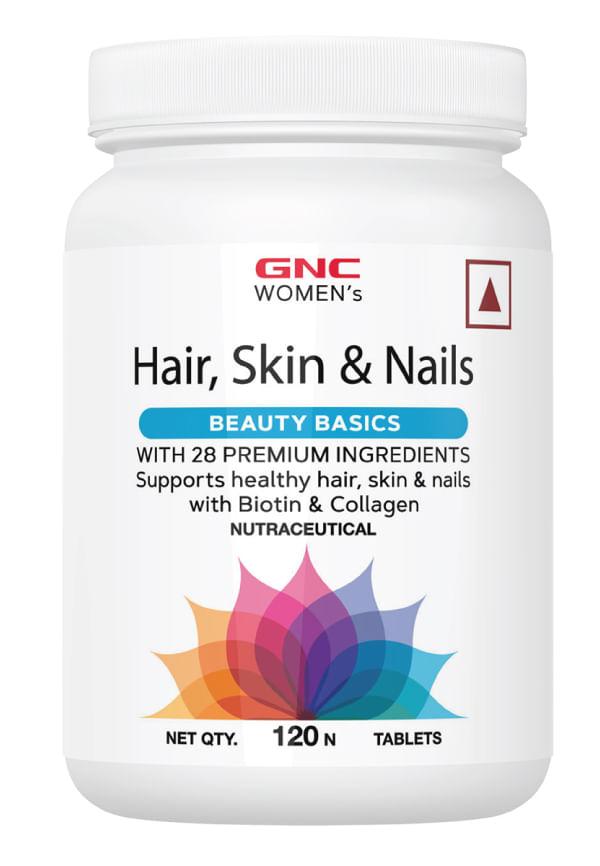
Women's Hair, Skin & Nails - For Stronger Hair, Clearer Skin, and Healthier Nails
Repairing a damaged scalp takes patience and the right approach. Start with gentle, healing ingredients like niacinamide, which helps reduce inflammation and supports the skin barrier. Centella asiatica is another powerhouse ingredient that promotes healing and soothes irritation.
Your diet plays a bigger role in scalp health than you might think. Omega-3 fatty acids from fish, walnuts, and flaxseeds help reduce inflammation. Protein is crucial for hair follicle health, while vitamins A, C, D, and E support overall scalp function. Zinc deficiency is often linked to scalp issues, so consider foods like pumpkin seeds and lean meats.
UV protection isn't just for your face — your scalp needs it too, especially if you have thinning hair or part your hair in the same spot regularly. Use a scalp-specific SPF or wear a hat when you're spending time outdoors. Sun damage can worsen existing scalp conditions and create new problems.
Recovery timelines vary depending on the issue and your consistency with treatment. Minor dryness might improve within a week or two, while more serious conditions like psoriasis or severe dandruff might take several weeks to months to see significant improvement. The key is sticking with your routine and being patient with the process.
A solid haircare routine for scalp health doesn't have to be complicated, but it does need to be consistent. Daily tasks should include gentle brushing to distribute oils and stimulate circulation, plus protecting your scalp from environmental damage.
Your weekly routine should include a thorough cleansing session, a scalp massage, and possibly a treatment mask or oil application depending on your specific needs. Monthly deep-cleansing with a clarifying shampoo helps remove any stubborn buildup that regular washing might miss.
Seasonal adjustments are crucial because your scalp's needs change with the weather. Winter might require more moisturising treatments, while summer could mean more frequent washing due to increased sweating and sun exposure. Pay attention to how your scalp responds to different seasons and adjust accordingly.
Common routine mistakes include using too many products at once, switching products too frequently, and expecting instant results. Your scalp needs time to adjust to new products, so introduce changes gradually and give each new addition at least 4-6 weeks to show results.
The big 3 for hair regrowth typically refer to minoxidil, finasteride, and ketoconazole shampoo. However, for general scalp health, focus on proper cleansing, scalp massage for circulation, and maintaining a balanced diet rich in hair-supporting nutrients.
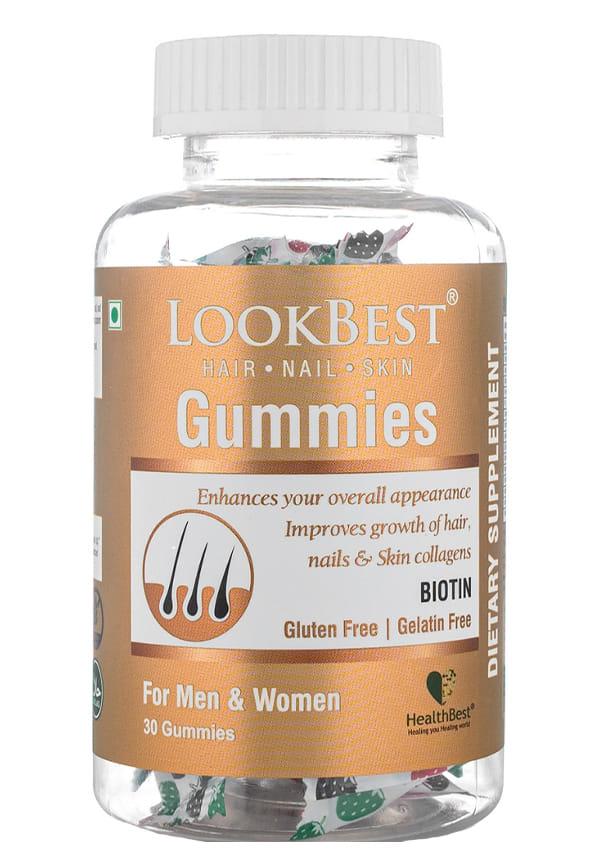
LookBest Hair, Nail & Skin Biotin Gummies
Most people benefit from washing 2-4 times per week. Oily scalps might need daily washing, while dry or chemically-treated hair can often go 3-4 days between washes. Listen to your scalp and adjust based on how it feels and looks.
Absolutely. Your scalp is skin, and like facial skin, it responds to nutrition. Omega-3s reduce inflammation, protein supports hair structure, and vitamins A, C, D, and E all play roles in scalp health. Deficiencies in these nutrients often show up as scalp problems first.
Dry scalp produces small, white, powdery flakes due to lack of moisture. Dandruff creates larger, yellowish, oily flakes caused by yeast overgrowth. The treatments are different, so proper identification is crucial for effective management.
Minor issues like dryness can improve within 1-2 weeks of consistent care. More complex conditions like dandruff or psoriasis typically take 4-8 weeks to show significant improvement. Consistency is more important than perfection in your routine.
Yes, different conditions require targeted approaches. Dry scalp needs moisturising ingredients, dandruff requires antifungal components, and sensitive scalps benefit from gentle, fragrance-free formulations. Using the wrong products can actually worsen your condition.
Scalp massage improves blood circulation to hair follicles, which can support healthy hair growth. While it won't cure genetic hair loss, regular massage can help optimise the health of existing follicles and may contribute to improved hair thickness over time.
Your scalp health journey doesn't have to be overwhelming. Start with the basics — gentle cleansing, proper hydration, and consistent care. Remember that your scalp is unique, and what works for your friend might not work for you. Pay attention to how your scalp responds to different products and adjust your routine accordingly.
The most important scalp health tips revolve around consistency rather than complexity. A simple routine followed regularly will always beat an elaborate one that you can't maintain. Whether you're dealing with dryness, dandruff, or just want to maintain healthy scalp conditions, the key is finding products and practices that work for your specific needs.
If you're ready to explore targeted scalp care solutions, Smytten's curated selection includes trusted brands that specialise in scalp health. From gentle cleansing options to targeted treatments for specific conditions, you'll find products designed to support your scalp health goals. Not sure which approach works best for your scalp type? Smytten also offers trial-size versions of many scalp care products — a smart way to test different formulations before committing to full-size purchases.
