Scalp Health Rainy Season FAQ: Common Questions Answered
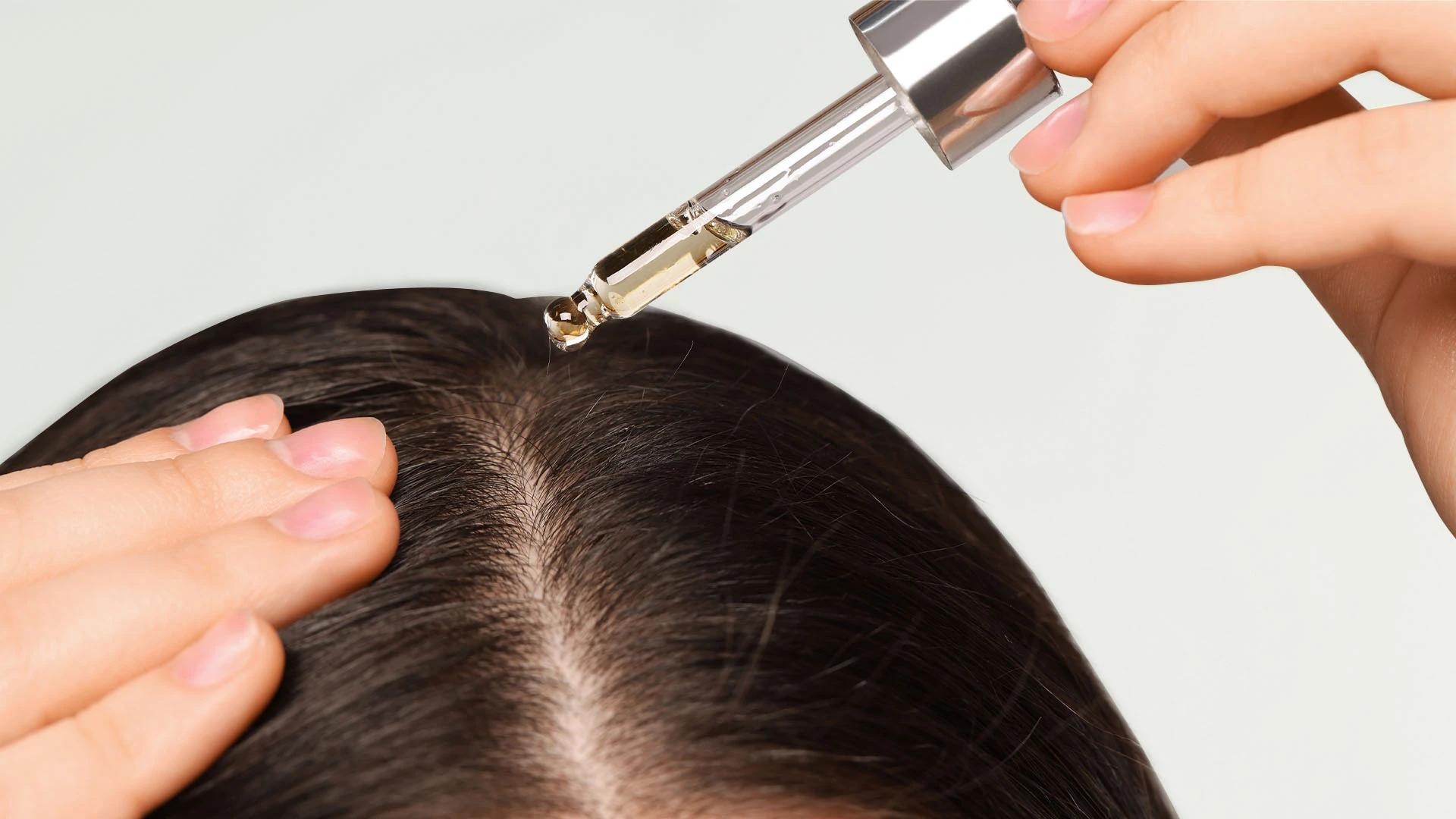

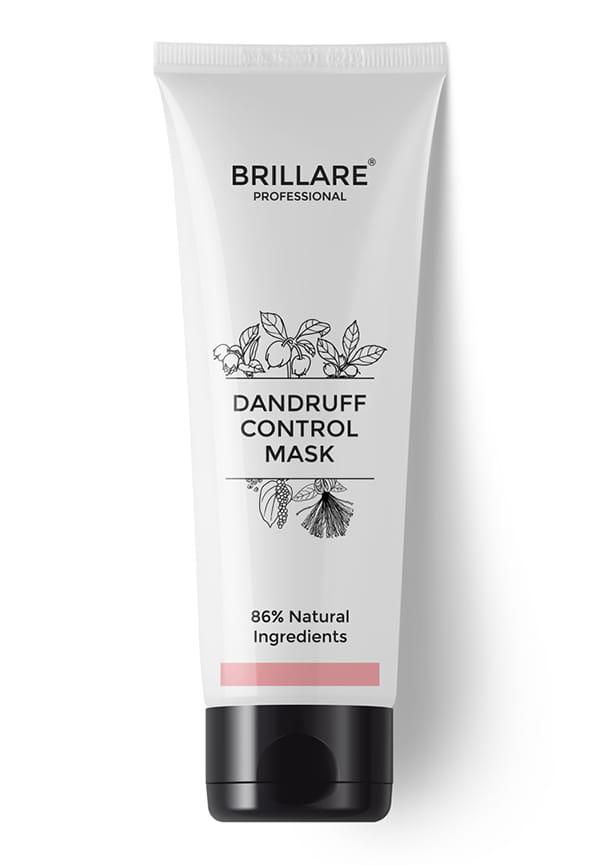
Conditioner For Itchy, Flaky Scalp
Ever noticed how your scalp seems to have a complete personality change the moment the first monsoon shower hits? One day you're dealing with perfectly manageable hair, and the next, your scalp feels like it's hosting its own little ecosystem of itchiness, oiliness, or flakiness. You're definitely not imagining it—rainy season genuinely throws your scalp health into chaos, and honestly, it's one of those things nobody really prepares you for until you're standing in front of the mirror wondering why your hair suddenly feels like it belongs to someone else.
Let's get real about what's actually happening up there when the humidity levels spike. Your scalp is basically dealing with a perfect storm of conditions that make it go a bit haywire. The increased moisture in the air doesn't just make your hair frizzy—it completely messes with your scalp's natural pH balance, creating an environment where bacteria and fungi absolutely thrive.
Think about it this way: your scalp normally maintains a slightly acidic pH of around 4.5 to 5.5, which keeps harmful microorganisms in check. But when humidity levels soar during monsoon season, this delicate balance gets disrupted. The excess moisture creates a breeding ground for fungal infections, whilst the combination of pollution and rainwater creates a cocktail of irritants that your hair follicles really don't appreciate.
What makes monsoon haircare even trickier is how the increased moisture affects your hair cuticles. They become more porous, which means they absorb more pollutants and chemicals from the environment. Plus, if you're someone who already deals with an oily scalp, the humidity can trigger your sebaceous glands to go into overdrive, producing even more oil than usual.
The reality is that scalp infections and irritations spike by nearly 40% during monsoon months in India, according to dermatological studies. Your scalp care routine that worked perfectly during drier months suddenly feels inadequate because the environmental conditions have completely changed the game.
Here's where things get interesting—and where a lot of people get confused. There's this persistent myth that rainwater is somehow "pure" and beneficial for your hair and scalp. Real talk: this couldn't be further from the truth, especially if you're living in any urban area in India.
Modern rainwater, particularly in cities, is loaded with pollutants, chemicals, and acidic compounds that can seriously damage your scalp health. As rainwater falls through polluted air, it picks up everything from industrial chemicals to vehicle emissions. By the time it reaches your head, it's essentially a diluted chemical soup that can strip your hair of its natural oils and irritate your scalp.
The pH of rainwater in urban areas often falls between 4.0 to 4.5, making it quite acidic. Whilst your scalp does prefer a slightly acidic environment, this level of acidity can be too harsh, leading to dryness, irritation, and even chemical burns in sensitive individuals. If you've ever felt your scalp tingling or burning after getting caught in the rain, this is likely why.
That said, if you do get caught in the rain, don't panic. A quick rinse with clean water and a gentle shampoo can help remove any pollutants. Some people swear by an apple cider vinegar rinse (one part vinegar to four parts water) to help neutralise any chemical residue and restore your scalp's natural pH balance.
Your scalp is surprisingly sensitive to seasonal changes, and understanding this can help you adjust your routine accordingly. During winter, you might deal with dryness and flakiness due to low humidity and indoor heating. Summer brings its own challenges with increased oil production and sweat buildup. But monsoon season? That's when scalp infections and fungal issues really peak because of the perfect storm of humidity, pollution, and temperature fluctuations.
Let's break down what you're actually dealing with when your scalp starts acting up during rainy season. The most common culprits include fungal infections like seborrheic dermatitis, which shows up as those annoying yellow, greasy flakes that seem impossible to get rid of. Then there's tinea capitis, a more serious fungal infection that can cause patches of hair loss if left untreated.
Oily scalp solutions become crucial during this time because your sebaceous glands are working overtime. The excess oil doesn't just make your hair look greasy—it clogs your hair follicles, leading to scalp acne and folliculitis. These little bumps on your scalp aren't just uncomfortable; they can actually interfere with healthy hair growth.
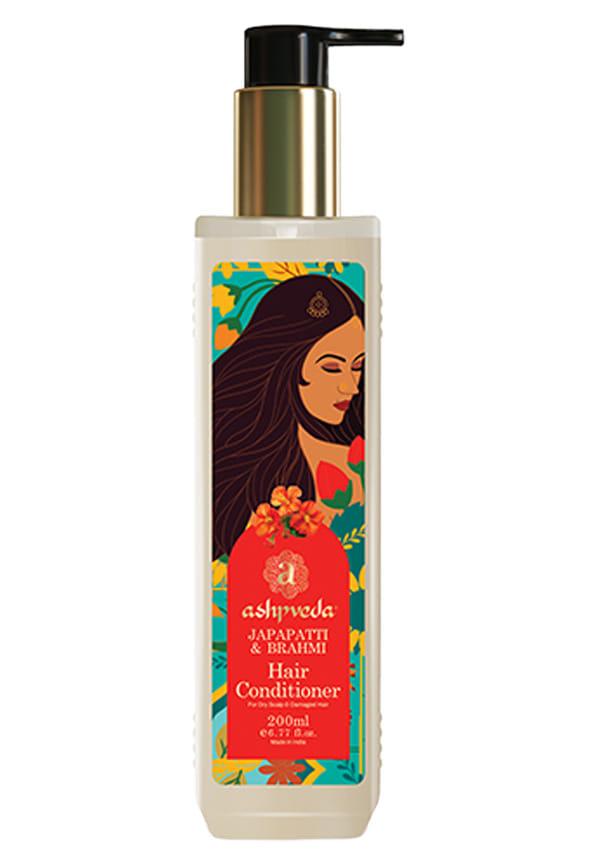
Japapatti & Brahmi Hair Conditioner for Dry Scalp, Damaged and Freezy Hair (200 ml)
Dandruff control becomes a major concern too, but here's the thing—monsoon dandruff is often different from the dry, white flakes you might see in winter. Rainy season dandruff tends to be more yellow and greasy, indicating a fungal component that requires specific treatment approaches.
Contact dermatitis is another sneaky problem that many people don't consider. Wet hair accessories, damp towels, and even sleeping on slightly moist pillowcases can trigger allergic reactions that manifest as itchy, red patches on your scalp.
Watch out for persistent itching that doesn't improve with regular shampooing, unusual odours coming from your scalp, or any patches where hair seems to be thinning or falling out in clumps. These could indicate a fungal or bacterial infection that needs professional attention.
If you're dealing with severe itching, visible patches of infection, or hair loss that seems excessive even for monsoon season, it's time to see a dermatologist. Don't try to tough it out with home remedies if symptoms persist for more than two weeks.
When your scalp feels like it's hosting its own little itch festival, you need solutions that actually work. Tea tree oil is genuinely one of the most effective itchy scalp remedies you can try. Its antifungal properties make it particularly useful during monsoon season, but always dilute it with a carrier oil like coconut or jojoba—pure tea tree oil can be too harsh for direct scalp application.
Neem leaves are another powerhouse ingredient that's been used in Indian households for generations. Boil a handful of fresh neem leaves in water, let it cool, and use it as a final rinse after shampooing. The antibacterial and antifungal properties help control infections whilst soothing irritated skin.
Green tea isn't just for drinking—it makes an excellent scalp treatment too. Brew a strong cup, let it cool completely, and use it as a scalp rinse. The antioxidants help reduce inflammation whilst the caffeine can actually stimulate blood circulation to your hair follicles.
Aloe vera gel provides instant cooling relief for irritated scalps. Apply fresh aloe vera gel directly to your scalp, leave it on for 20-30 minutes, then rinse with lukewarm water. It's particularly helpful if you're dealing with scalp sunburn or chemical irritation from polluted rainwater.
Here's a crucial tip that many people miss: proper scalp drying technique. After washing your hair, gently pat your scalp dry with a clean towel—don't rub vigorously. Then, use a blow dryer on the cool setting to ensure your scalp is completely dry. Leaving moisture trapped against your scalp is basically sending an invitation to fungi and bacteria.
Hair fall prevention during rainy season requires a completely different approach than what works during other times of the year. The key is finding the right balance between keeping your scalp clean and not over-washing, which can strip away protective natural oils.
Aim to wash your hair 2-3 times per week during monsoon season, unless you're someone who gets extremely oily or sweaty. Over-washing can actually trigger your scalp to produce more oil as a protective mechanism, creating a vicious cycle that's hard to break.
Your drying technique becomes absolutely crucial for hair fall prevention. Never, ever brush wet hair aggressively—your hair is at its most vulnerable when wet. Instead, gently squeeze out excess water with a microfibre towel, then use a wide-tooth comb to detangle, starting from the ends and working your way up.
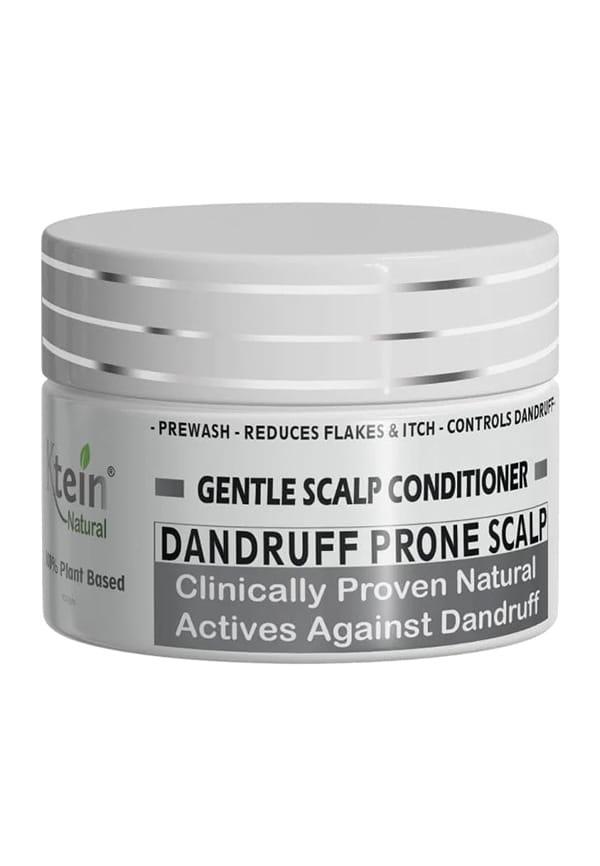
Natural 100% Plant Based Gentle Scalp Conditioner Dandruff Prone Scalp
Scalp massage isn't just relaxing—it's genuinely beneficial for circulation and can help prevent hair fall. Spend 5-10 minutes massaging your scalp with your fingertips (not nails) before washing. This stimulates blood flow to your hair follicles and helps distribute natural oils.
Diet plays a bigger role than most people realise. During monsoon season, focus on foods rich in protein, iron, and vitamins B and D. Your hair follicles need these nutrients to stay strong, especially when they're under environmental stress from humidity and pollution.
Look for shampoos containing ketoconazole, zinc pyrithione, or salicylic acid if you're dealing with fungal issues. For general hair fall prevention, ingredients like biotin, niacinamide, and caffeine can help strengthen hair follicles.
Contrary to popular belief, you don't need to oil your hair daily during monsoon. In fact, too much oil can trap moisture and create an even better environment for fungal growth. Stick to once or twice a week, and always wash it out thoroughly.
Building a solid monsoon haircare routine is all about adapting to the unique challenges that rainy season brings. Start with modifying your daily scalp care routine to account for increased humidity and pollution exposure. This means being more vigilant about cleansing whilst also being gentler with your hair when it's in its most vulnerable state.
Humidity-proof styling becomes essential during this time. Avoid tight hairstyles when your hair is even slightly damp, as this can lead to breakage and scalp irritation. Instead, opt for loose braids or buns that allow air circulation around your scalp.
Pay attention to your hair accessories too. Wet hair bands, clips, and scarves can harbour bacteria and fungi, so make sure everything is completely dry before use. Consider investing in accessories made from breathable materials like cotton or bamboo.
Indoor air quality matters more than you might think. If possible, use a dehumidifier in your bedroom to reduce moisture levels, especially if you live in a particularly humid area. This helps prevent your scalp from staying damp for extended periods, even when you're sleeping.
Nutritional support becomes even more important during monsoon season. Consider adding foods rich in antioxidants like berries, leafy greens, and nuts to help your body fight off the increased environmental stressors. Healthy scalp tips often focus on external care, but internal health is equally crucial.
Professional treatments can be particularly beneficial during monsoon season. Consider scheduling deep-cleansing treatments or antifungal scalp treatments with a professional, especially if you're prone to scalp issues during humid weather.
Focus on gentle cleansing 2-3 times per week, thorough drying after washing, and protecting your hair from direct rain exposure. Use antifungal ingredients like tea tree oil or neem in your routine, and avoid tight hairstyles when hair is damp. Most importantly, ensure your scalp stays dry and clean to prevent fungal infections.
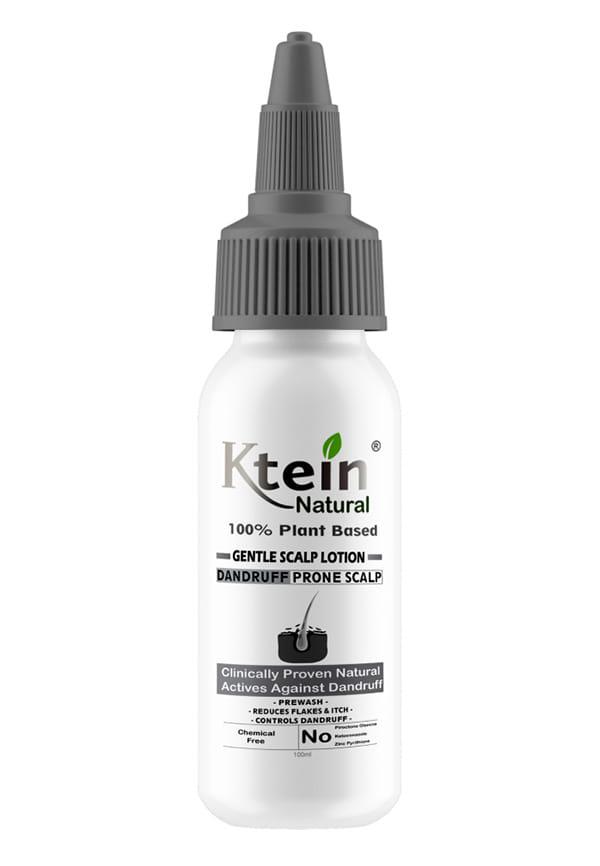
Natural 100% Plant Based Gentle Scalp Lotion Dandruff Prone Scalp
Yes, increased hair fall during monsoon is completely normal due to humidity, pollution, and fungal infections that can weaken hair follicles. However, if you're losing more than 100-150 strands per day or notice bald patches, it's worth consulting a dermatologist to rule out underlying scalp infections.
Monsoon season typically causes the most hair fall in India due to high humidity, increased pollution, and fungal infections. The combination of environmental stressors and scalp infections creates perfect conditions for temporary hair loss, though hair usually recovers once the season changes.
Daily oiling during monsoon isn't recommended as it can trap moisture and create an environment for fungal growth. Limit oiling to once or twice per week, and always wash it out thoroughly. Choose lighter oils like jojoba or argan instead of heavy coconut oil during humid weather.
Wash your hair 2-3 times per week during monsoon season, unless you have an extremely oily scalp or exercise frequently. Over-washing can strip natural oils and trigger increased oil production, whilst under-washing can lead to fungal infections and buildup.
Avoid heavy silicones, sulfates, and alcohol-based products that can either weigh down your hair or over-dry your scalp. Also steer clear of products with strong fragrances, as these can irritate sensitive scalps that are already dealing with environmental stressors.
Consult a dermatologist if you experience persistent itching for more than two weeks, visible patches of infection, unusual odours from your scalp, or excessive hair loss that doesn't improve with proper care. Early intervention can prevent minor issues from becoming serious infections.
Most herbal remedies like neem, tea tree oil, and aloe vera are safe when used properly, but they shouldn't replace medical treatment for serious infections. Always patch test new ingredients and consult a healthcare provider if symptoms worsen or don't improve within two weeks of home treatment.
Navigating scalp health during rainy season doesn't have to feel like an uphill battle. The key is understanding that your scalp's needs genuinely change with the weather, and adapting your routine accordingly can make all the difference. Focus on gentle cleansing, thorough drying, and incorporating antifungal ingredients when needed.
Remember that prevention is always easier than treatment when it comes to scalp issues. Small changes like using clean hair accessories, avoiding tight hairstyles on damp hair, and maintaining proper scalp hygiene can prevent most monsoon-related hair problems before they start.
If you're looking to experiment with new products or ingredients for your monsoon haircare routine, Smytten offers curated trial packs from trusted brands, letting you test what works for your specific scalp needs without committing to full-size products. With options for scalp treatments, gentle shampoos, and antifungal solutions, you can build the perfect rainy season routine through trial and discovery. Not sure which products might work for your scalp concerns? Trial-size versions of many scalp care products are available—a smart way to test before investing in full bottles.
