Scalp Buildup From Over-Oiling: Signs, Causes and How to Fix It


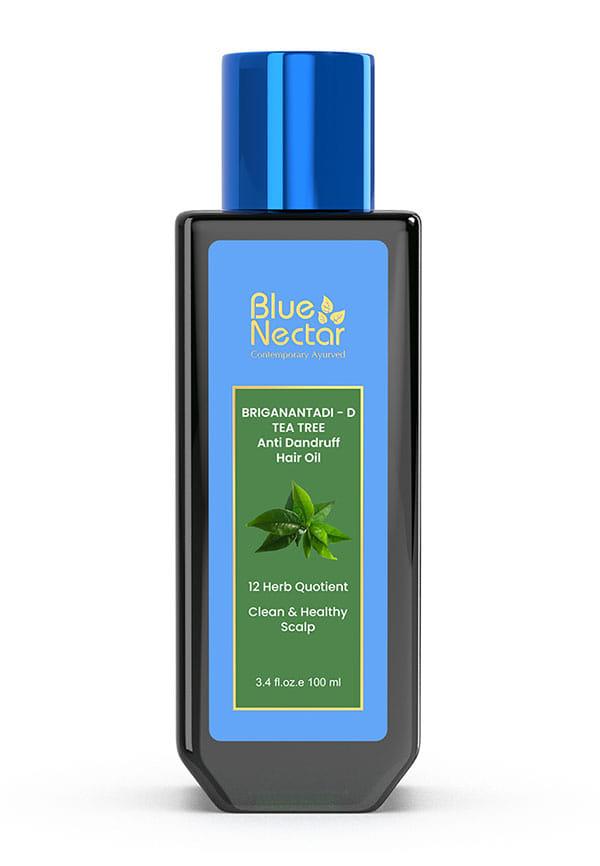
Tea Tree Anti Dandruff and Healthy Scalp Oil 12 Herbs
Oiling is practically a love language in most Indian homes. But if your scalp feels greasy a day after washing, looks flaky, or your hair goes limp fast, all that champi might be doing more harm than good. Here's what scalp buildup from over-oiling actually is, how to spot it, and how to clear it without giving up oiling completely.
Scalp buildup from over-oiling happens when oil, dead skin, sweat and product residue collect on your scalp faster than washing can clear them. It shows up as a greasy, itchy or flaky scalp, limp roots and a slightly waxy feel. The fix isn't to stop oiling, it's to oil less often, leave it on for less time, and wash it out properly with a clarifying or gently exfoliating cleanser.
It's a layer of oil and debris that sits on your scalp and clogs the follicle openings.
Your scalp naturally produces sebum. When you add heavy hair oil on top, especially too often or in large amounts, the excess mixes with sweat, dead skin cells, dust and leftover styling product. If your regular shampoo can't fully break it down, it starts to accumulate. Over time this film can leave the scalp feeling coated and can trap flakes close to the skin.
Common contributors include:
Oiling multiple times a week and leaving it on too long
Using too much oil in one go (a coated, dripping scalp rather than a light massage)
Not double cleansing heavy oils out properly
Layering oil over serums, creams or dry shampoo without a proper wash in between
Yes, over-oiling is one of the most common reasons for a congested, greasy scalp.
Oil itself isn't the villain, technique and frequency are. A light, occasional oil massage can support the scalp and condition the lengths. The problem starts when oil is applied heavily, kept on for a day or longer, or reapplied before the previous layer is fully washed out. That's when residue builds up and the scalp can't breathe easily.
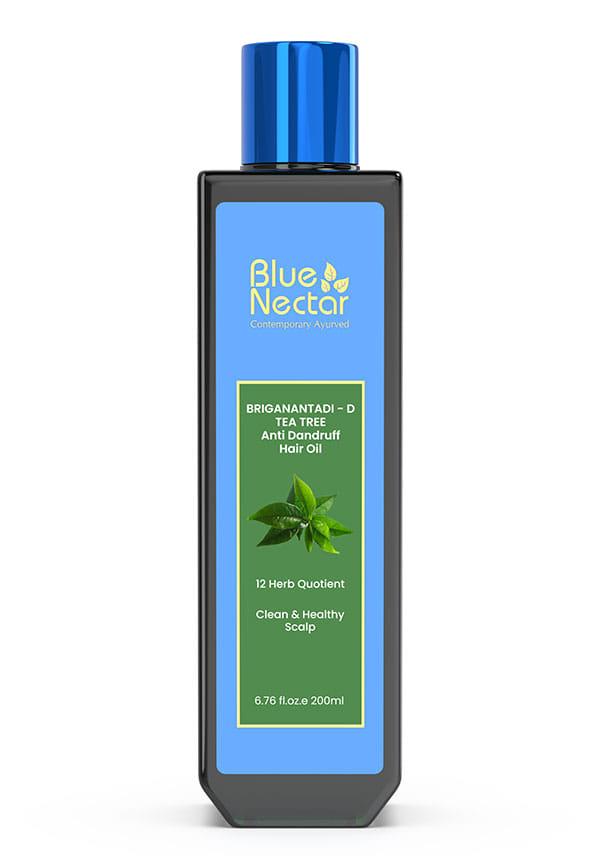
Tea Tree Anti Dandruff and Healthy Scalp Oil 12 Herbs
The clearest sign is a scalp that feels greasy or coated within a day of washing.
Other things to watch for:
Flakes that look waxy or yellowish rather than dry and white
An itchy or slightly tender scalp
Hair that looks flat at the roots and loses volume quickly
A dull film you can feel if you run a finger along the scalp
Shampoo that doesn't lather well the first time
If you're noticing several of these together, buildup is the likely culprit.
Wash it out properly with a clarifying cleanser, then reset your oiling routine so it doesn't return.
A simple reset that works for most people:
Double cleanse on wash day: one round to lift the oil, a second to actually clean the scalp
Use a clarifying shampoo once a week to cut through residue (not daily, it can over-strip)
Try a gentle scalp exfoliant or scrub once a week if flakes are stubborn
Focus your massage on the scalp skin, not just coating the hair
Rinse with lukewarm, not hot, water so you're not triggering more oiliness
Give it two to three wash cycles. Most scalps feel noticeably lighter within a couple of weeks.
Tea Tree Anti Dandruff Hair Oil
For most scalp types, once a week is plenty, and a few hours before washing is enough.
You don't need to leave oil on overnight to get the benefit. A light massage for 30 minutes to a couple of hours before you shampoo gives your scalp and lengths what they need without turning into a trap for dust and sweat. If your scalp is naturally oily, once every week to ten days, kept mostly on the mid-lengths and ends, is a safer rhythm.
Look for gentle exfoliating and clarifying ingredients rather than anything harsh.
Ingredients that tend to help:
Salicylic acid, a mild exfoliant that helps dissolve oil and lift flakes from the scalp
Tea tree, often used in scalp cleansers for its clarifying feel
Charcoal or kaolin clay in a scalp mask to absorb excess oil
Niacinamide or zinc formulas that help balance an oily scalp over time
Match the ingredient to how often you'll use it. Clarifying and exfoliating products are best kept to once or twice a week so you don't disturb your scalp barrier.
Humidity, heat and sweat make buildup worse, and hard water makes it harder to rinse out. In much of India, summer sweat and pollution settle onto an already oily scalp, and the minerals in hard water can leave a film even after washing, which can look and feel like product buildup. If you're in a hard water area, a weekly clarifying wash and thorough rinsing matter even more, and a shower filter can help if the problem is persistent.
Clearing scalp buildup can genuinely help your scalp feel cleaner, reduce that greasy, weighed-down feeling and let your roots look fuller. Consistency is what makes the difference, not a single wash.
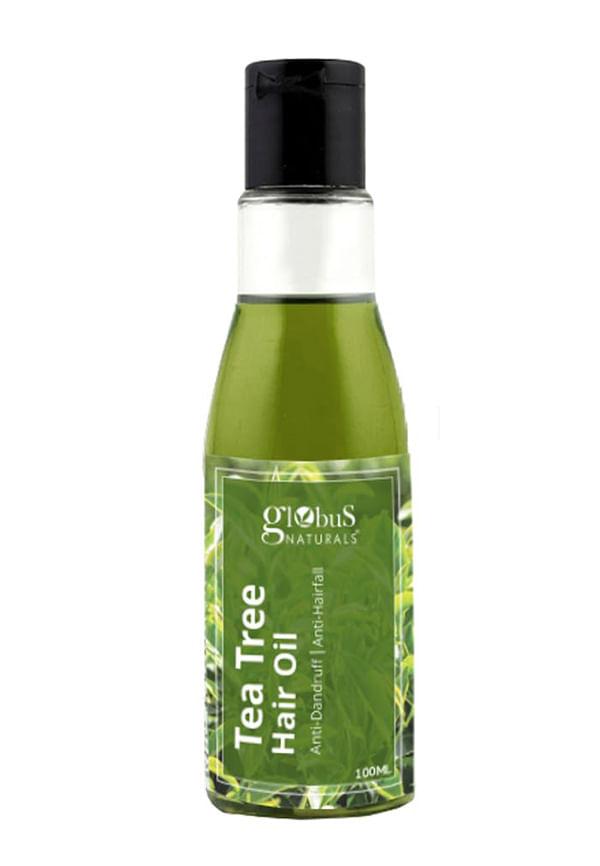
Tea Tree Hair Oil
What it can't do: it won't cure medical scalp conditions. If you have heavy, persistent flaking, redness, painful bumps, or ongoing hair fall, that could be dandruff, seborrhoeic dermatitis or another condition that needs a dermatologist, not just a routine tweak. Products manage the symptoms of buildup, they don't replace medical advice when something more is going on.
Is it bad to oil your hair every day?
For most people, yes, daily oiling is usually too much and a common cause of scalp buildup. Once a week suits most scalp types, and oily scalps may prefer every week to ten days, kept mainly on the lengths.
Should I stop oiling my hair completely?
No. Oiling still has benefits when done right. The goal is less oil, less often, and washed out properly, not quitting altogether.
How do I know if a clarifying shampoo will suit my scalp?
Since clarifying and scalp-care formulas can vary a lot in strength, it helps to try a smaller size before committing to a full bottle. You can try minis or trial packs on Smytten to see how your scalp responds first, then buy the full size once you know it works for you.
How often should I use a scalp scrub or exfoliant?
Once a week is enough for most people. Twice a week only if your scalp is very oily and tolerating it well. Over-exfoliating can irritate the scalp and make oiliness worse.
Can scalp buildup cause hair fall?
It can contribute to shedding and weaker-looking roots when follicles stay clogged, but it's rarely the only cause. If hair fall is significant or ongoing, check with a dermatologist rather than assuming it's just buildup.
What's the best way to pick a scalp serum without wasting money?
Scalp serums are easy to overspend on, so trying before buying is smart. Try minis or trial packs on Smytten to test how a serum feels and whether it suits your scalp, then invest in the full size if it earns a place in your routine.
Does hot oil treatment cause buildup too?
It can if done too often or not rinsed out well. Space hot oil treatments out and always double cleanse afterwards.
Scalp buildup from over-oiling is one of the easiest hair problems to fix once you know what's causing it. Oil less often, keep it on for less time, and wash it out properly with the right clarifying or exfoliating product for your scalp. If you're not sure which cleanser, scrub or serum suits you, you can try minis or trial packs on Smytten first, then buy the full size once you've found what genuinely works. Your scalp does the rest.
