Salicylic Acid for Scalp FAQ: Your Questions Answered

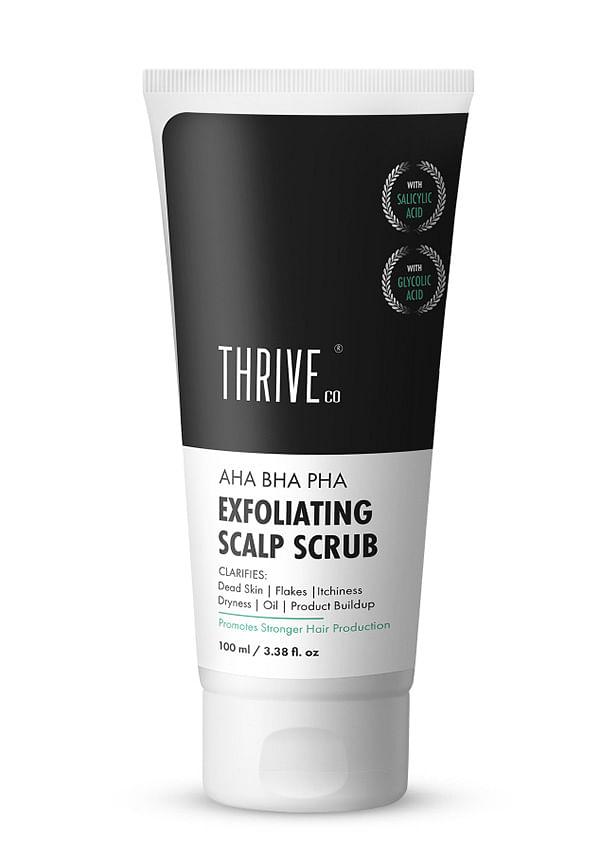
Aha Bha Pha Exfoliating Scalp Scrub
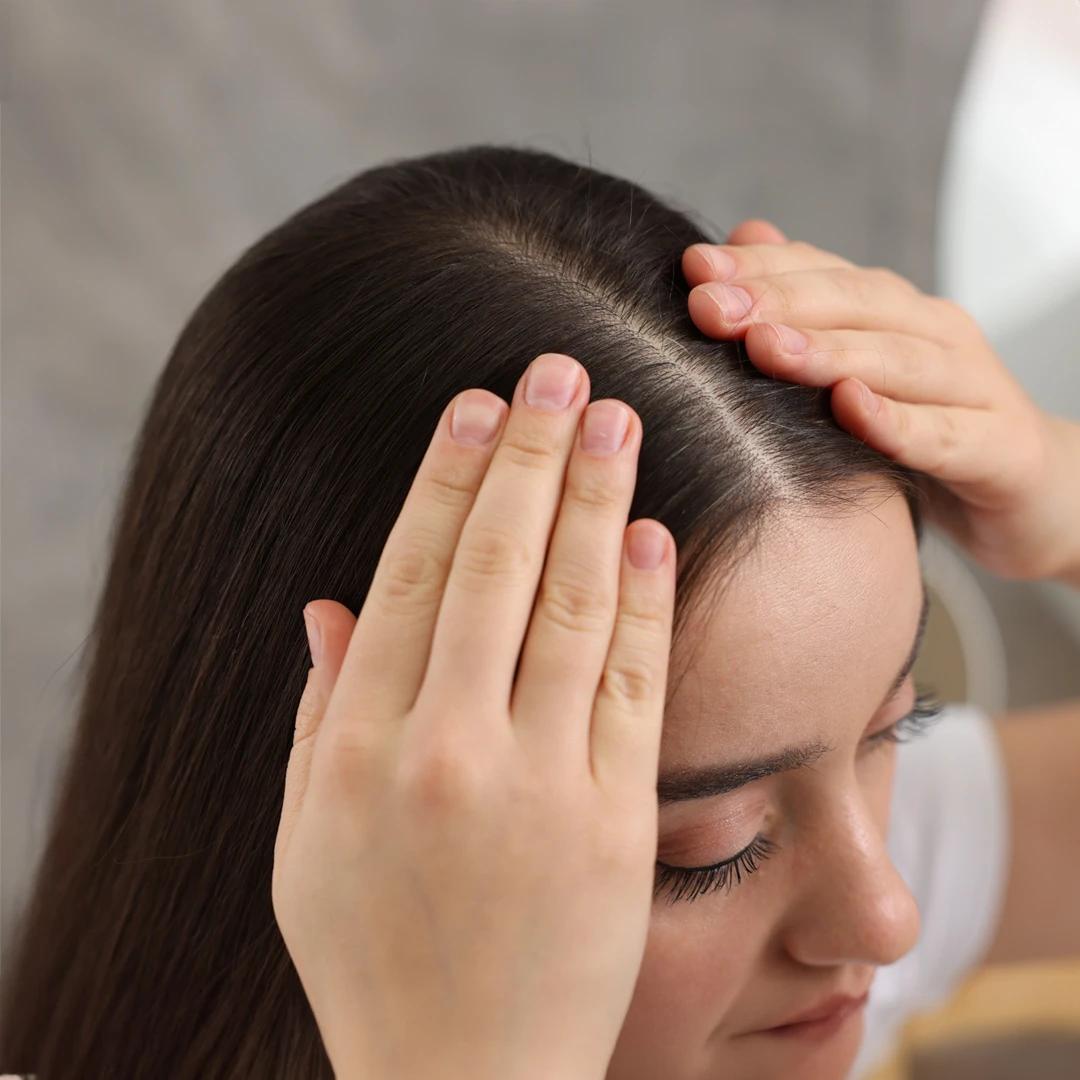
Ever found yourself scratching your scalp mid-meeting or brushing off flakes from your favourite black top? You're definitely not alone. Scalp issues like dandruff, oiliness, and that annoying itch can feel like they're taking over your life. Enter salicylic acid — the skincare hero that's been quietly working wonders for faces and is now making waves in haircare. But with all the buzz around this ingredient, you probably have questions. Let's dive into everything you need to know about using salicylic acid for scalp health, from the basics to the nitty-gritty details that actually matter.
Salicylic acid is a beta-hydroxy acid (BHA) that's basically your scalp's best friend when it comes to deep cleaning. Unlike other haircare ingredients that just sit on the surface, this clever little molecule is oil-soluble, which means it can dive deep into your hair follicles and really get to work.
Here's the science bit made simple: salicylic acid gently dissolves the bonds between dead skin cells on your scalp, making it easier for them to shed naturally. Think of it as a chemical exfoliant that's way more precise than scrubbing with your fingernails. It also helps clear out clogged pores and removes excess sebum — that oily stuff that can make your scalp feel greasy and attract dirt.
The beauty of scalp exfoliation with salicylic acid is that it's much gentler than physical scrubs. No harsh rubbing or irritation, just smooth, effective removal of buildup. This process creates a healthier environment for your hair follicles, which can lead to better overall scalp health. Plus, when your scalp is clean and balanced, your hair tends to look shinier and feel softer too.
Real talk — salicylic acid isn't just a trendy ingredient. It's actually proven to tackle some of the most common and frustrating scalp issues that many of us deal with daily.
For dandruff treatment, salicylic acid works by breaking down the flaky buildup that causes those embarrassing white specks on your shoulders. It's particularly effective for seborrheic dermatitis scalp conditions, where the scalp becomes inflamed and produces excess oil. The ingredient helps regulate oil production while gently removing the scales and flakes.
If you're dealing with scalp acne — yes, that's a real thing — salicylic acid can help clear those painful bumps around your hairline and crown. It works by unclogging hair follicles and reducing the bacteria that can cause breakouts. For psoriasis scalp treatment, while it won't cure the condition, salicylic acid can help manage the thick, scaly patches by softening and removing the buildup.
One of the most satisfying uses? Removing stubborn product buildup. If you're a fan of dry shampoos, styling gels, or leave-in treatments, salicylic acid can help reset your scalp by clearing away all that accumulated residue that regular shampoo might miss.
Using salicylic acid on your scalp isn't rocket science, but there's definitely a right way to do it. The key is being gentle and consistent rather than going overboard.
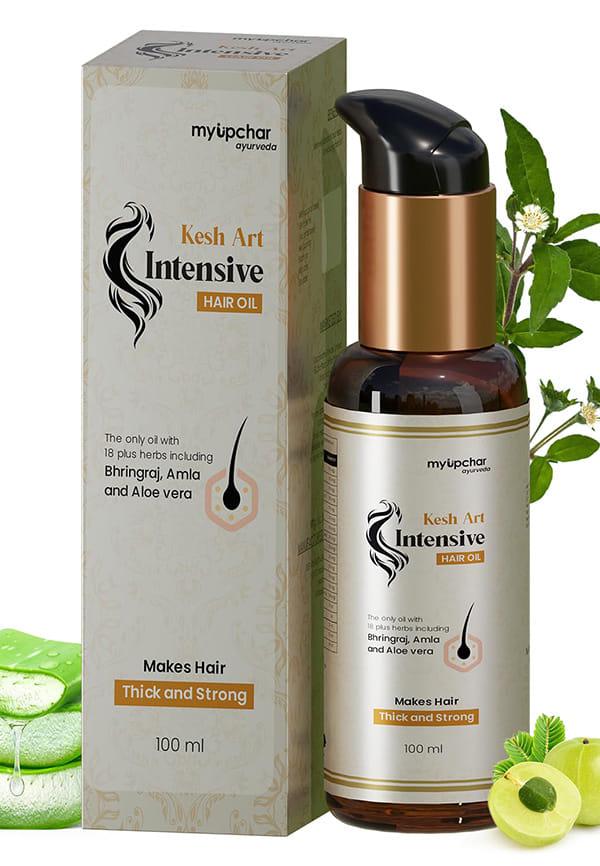
Ayurveda Kesh Art Bhringraj Hair Oil for Hair Growth | Control Hair Fall & Dandruff
Start by wetting your hair with lukewarm water — hot water can irritate an already sensitive scalp. Apply the exfoliating shampoo directly to your scalp, not your hair lengths. Use your fingertips (not nails) to massage it in with gentle circular motions. The magic happens during the contact time, so let it sit for 3-5 minutes while you do other shower tasks. Rinse thoroughly with cool water to close the hair cuticles and remove all traces of the product.
Some salicylic acid products come as serums or treatments that you apply before shampooing. These are typically more concentrated and should be applied to dry scalp, sectioned through your hair. Leave them on for the recommended time (usually 10-20 minutes) before washing out with your regular shampoo.
Frequency matters more than intensity. Start with once or twice a week and see how your scalp responds. Some people can handle daily use, while others find that too drying. Listen to your scalp — it'll tell you what works.
Different scalp issues need different approaches, even when you're using the same active ingredient. Let's break down how to tailor your salicylic acid routine to your specific concerns.
If your scalp gets greasy within a day of washing, oily scalp solutions with salicylic acid can be a game-changer. Look for concentrations around 1.5-2% and use them 2-3 times a week. The acid helps regulate oil production without completely stripping your scalp, which can actually make oiliness worse in the long run.
For itchy scalp relief, start with lower concentrations (around 1%) and combine with soothing ingredients like aloe vera or tea tree oil. The anti-inflammatory properties of salicylic acid can help calm irritation while addressing the underlying causes like buildup or fungal overgrowth.
Persistent flakes often need a more targeted approach. Look for products that combine salicylic acid with antifungal ingredients like ketoconazole or zinc pyrithione. Use these treatments consistently for at least 4-6 weeks to see real improvement — dandruff is stubborn and needs time to clear properly.
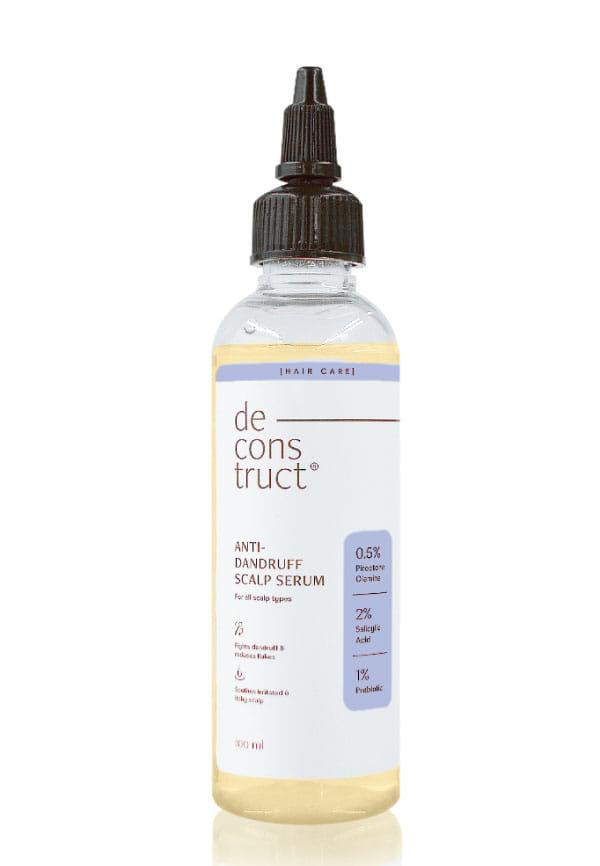
Anti-Dandruff Scalp Serum - 0.5% Piroctone Olamine + 2% Salicylic Acid + 1% Prebiotic
Let's be honest about the potential downsides. While salicylic acid is generally safe for most people, it can cause some issues if not used properly.
The most common side effect is dryness — both of your scalp and your hair strands. If you notice your hair feeling brittle or your scalp getting tight and flaky (the bad kind of flaky), you might be overdoing it. Scale back the frequency or switch to a lower concentration.
Some people experience initial irritation, especially if they have sensitive skin. This usually settles down after a few uses, but if it gets worse or doesn't improve after a week, stop using the product. Always do a patch test first — apply a small amount behind your ear and wait 24 hours to see if you react.
If you're pregnant, breastfeeding, or have any scalp conditions like eczema or open wounds, chat with a dermatologist before starting any new treatment. They can guide you on whether salicylic acid is right for your situation and what concentration would be safest.
Not all salicylic acid products are created equal, and the format you choose can make a big difference in your results.
Exfoliating shampoos are the easiest to incorporate into your routine and are great for maintenance. Serums and leave-in treatments are more intensive and better for targeting specific problem areas. If you're new to salicylic acid, start with a shampoo — it's harder to overdo it.
The best formulations combine salicylic acid with complementary ingredients. Look for climbazole or piroctone olamine for antifungal benefits, niacinamide for oil control, or panthenol for moisture. These combinations work better than salicylic acid alone.
If you're dealing with scalp sensitivity, sulfate-free formulas are gentler and less likely to cause irritation. Fragrance-free options are also worth considering, especially if you have reactive skin or are using other active ingredients.
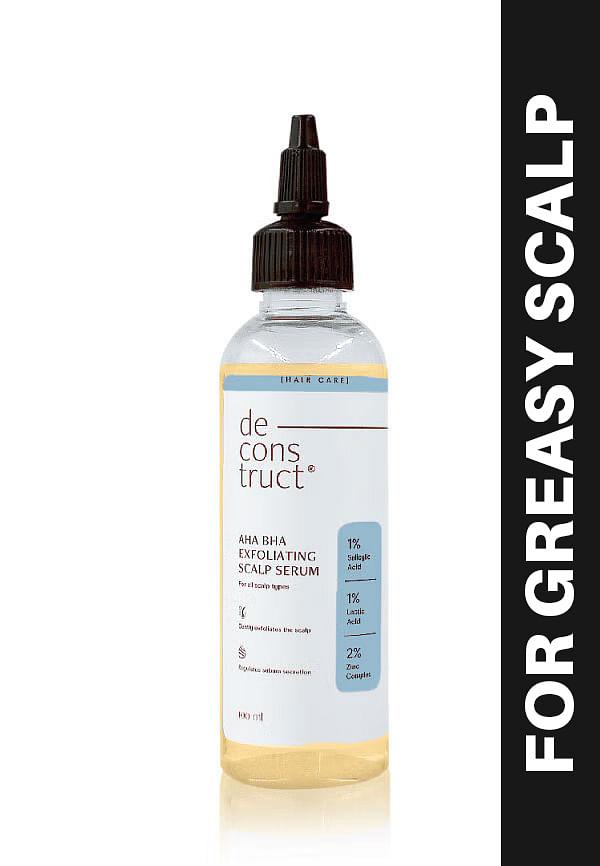
AHA BHA Exfoliating Scalp Serum - 1% Salicylic Acid + 1% Lactic Acid + 2% Zinc Complex
Absolutely. Salicylic acid is excellent for scalp health because it gently exfoliates dead skin cells, unclogs hair follicles, and helps control oil production. It's particularly beneficial for people dealing with dandruff, scalp acne, or product buildup. The key is using it correctly and not overdoing it.
For shampoos, 3-5 minutes is usually enough contact time to get the benefits without causing irritation. Pre-shampoo treatments can be left on for 10-20 minutes, depending on the product instructions. Some leave-in serums are designed for overnight use, but these are typically lower concentrations.
You can apply salicylic acid products directly to your scalp, but make sure they're specifically formulated for scalp use. Products designed for face or body might be too harsh or have the wrong pH for your scalp. Always follow the product instructions and start with less frequent use to see how your scalp responds.
While salicylic acid doesn't directly stimulate hair growth, it creates optimal conditions for healthy hair by keeping follicles clean and unclogged. A healthy scalp environment supports better hair growth. Use it 2-3 times a week as part of a comprehensive haircare routine that includes proper conditioning and scalp massage.
Some serums and treatments are designed for overnight use, but these typically contain lower concentrations (usually under 1%). Never leave a salicylic acid shampoo on overnight — these are meant to be rinsed out quickly. If you're considering overnight treatments, start with shorter contact times to test your tolerance.
The main side effects include dryness of both scalp and hair strands, potential irritation, and in rare cases, increased sensitivity to sun. To minimise these effects, use a good conditioner on your hair lengths (avoiding the scalp), don't overuse the product, and always follow up with moisturising treatments when needed.
Salicylic acid for scalp care isn't just another beauty trend — it's a proven solution for many common scalp concerns. Whether you're dealing with stubborn dandruff, oily buildup, or just want to maintain a healthier scalp environment, this ingredient can be a valuable addition to your routine.
The key to success is starting slowly, being consistent, and paying attention to how your scalp responds. Remember that everyone's scalp is different, so what works for your friend might need tweaking for you. Don't be afraid to experiment with different concentrations and frequencies until you find your sweet spot.
If you're curious about trying salicylic acid products but don't want to commit to full-size bottles right away, Smytten offers trial-size versions of many scalp treatments from trusted brands. It's a smart way to test different formulations and find what works for your specific scalp needs before investing in the full-size products. After all, your scalp deserves the same attention and care as the rest of your skincare routine.
