Rosemary Oil Benefits FAQ: Your Questions Answered


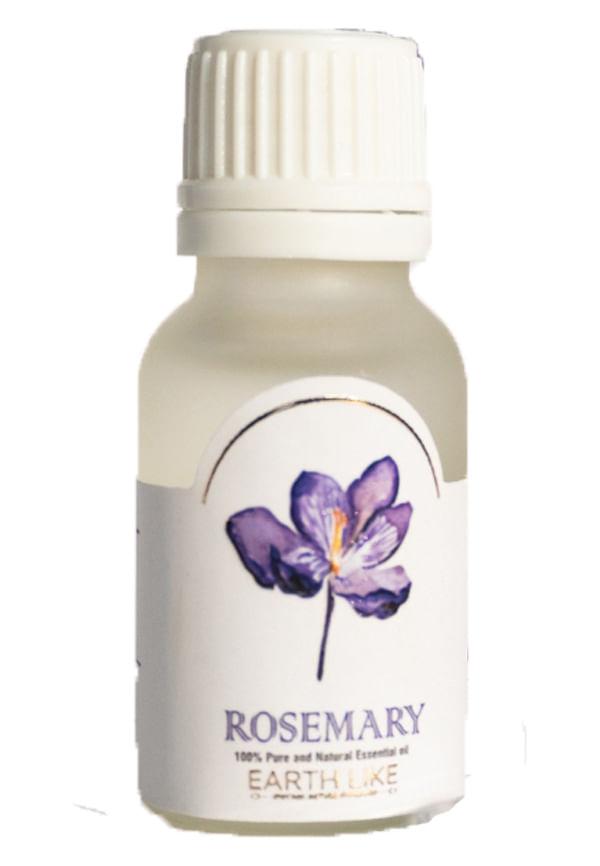
Rosemary Essential Oil for Hair, Scalp, Anti-Inflammatory & Aromatherapy
You've probably seen rosemary oil everywhere lately — from your favourite beauty influencer's morning routine to that friend who swears it transformed her hair. But with all the buzz comes a lot of questions. Does it actually work for hair growth? Is it safe for daily use? Can it really replace expensive treatments? Let's dive into everything you need to know about rosemary oil benefits, because honestly, the hype might just be worth it.
Real talk — rosemary oil isn't just another trendy ingredient that'll disappear next season. This herb-derived essential oil packs some serious benefits that science actually backs up. The main star here is rosmarinic acid, a powerful antioxidant that does the heavy lifting when it comes to most of rosemary oil's impressive effects.
For your hair, rosemary oil benefits include stimulating blood circulation to your scalp, which can encourage hair growth and strengthen existing strands. It's also brilliant at balancing sebum production, so whether you're dealing with an oily scalp or dryness, it might just become your new fave. The antimicrobial properties help tackle dandruff and scalp irritation too.
But rosemary oil uses extend way beyond haircare. For your skin, it works as an anti-inflammatory agent that can calm redness and irritation. The antioxidants help fight free radical damage, which is basically your skin's way of saying thanks for the anti-ageing support. Some people even use it in aromatherapy for mental clarity and focus, though we're keeping things beauty-focused here.
The antimicrobial and anti-inflammatory rosemary oil properties make it a multi-tasker worth trying. Whether you're targeting hair concerns, skin issues, or just want something natural in your routine, this oil covers quite a bit of ground.
Here's where things get interesting. A 2015 study compared rosemary oil for hair growth against minoxidil (that's the active ingredient in many hair loss treatments), and guess what? After six months, both groups saw similar improvements in hair count. Not bad for a natural alternative, right?
The way rosemary oil hair growth benefits work is pretty clever. It improves blood circulation to your scalp, which means your hair follicles get better nutrient delivery. Think of it like giving your scalp a mini workout every time you massage it in. This increased circulation can help wake up dormant follicles and strengthen the ones already working hard.
For androgenetic alopecia (that's pattern hair loss), rosemary oil shows promise in slowing down the process. It won't work overnight — most people start noticing changes around the 3-6 month mark with consistent use. The key word here is consistent. Using it once and expecting miracles isn't going to cut it.
What's particularly encouraging is that rosemary oil seems to work on hair thickness too, not just growth. Users often report their hair feeling fuller and looking denser over time. Just remember, if you're dealing with significant hair loss, it's worth chatting with a dermatologist about combining natural treatments with medical options.
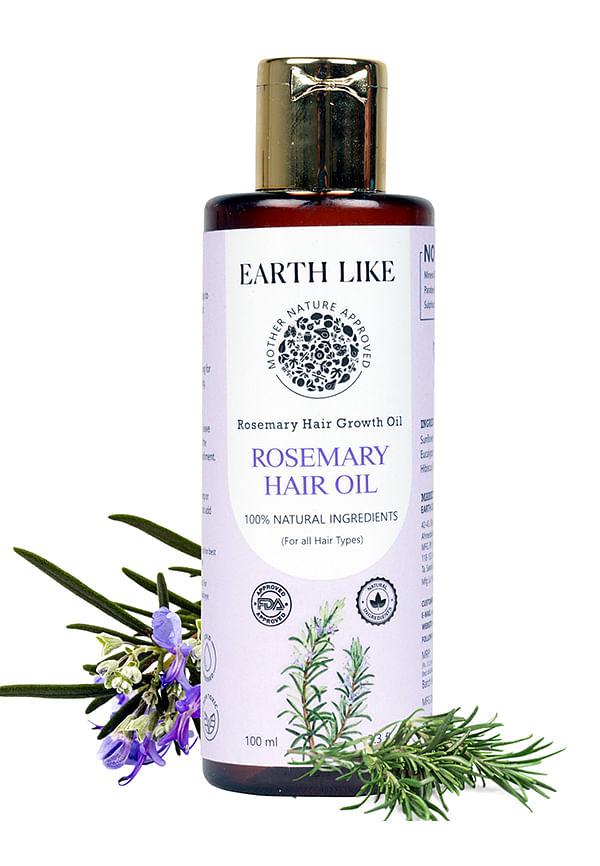
Rosemary Hair Growth Oil – Reduces Hair Fall & Strengthens Roots
Your scalp health is basically the foundation for everything else, and this is where rosemary oil really shines. The rosemary oil scalp benefits start with its ability to regulate sebum production. Too much oil? It helps balance things out. Scalp feeling tight and dry? It can help with that too.
Dandruff and itchy scalp issues often stem from fungal overgrowth or inflammation, and rosemary oil's antimicrobial properties tackle both. It's gentler than harsh anti-dandruff shampoos but still effective at keeping your scalp environment healthy. Many people find their scalp feels calmer and less irritated after regular use.
When it comes to rosemary oil hair loss prevention, think of it as creating the best possible environment for your hair to thrive. By improving circulation and reducing inflammation, you're giving your follicles the support they need to stay strong. It's not just about growing new hair — it's about keeping the hair you have healthy and preventing unnecessary shedding.
The massage action when applying rosemary oil is part of the magic too. That gentle stimulation helps boost blood flow and can be incredibly relaxing. Some people make it part of their weekly self-care routine, and honestly, your scalp will thank you for the attention.
While everyone's talking about rosemary oil for hair, the rosemary oil benefits for skin deserve some love too. The same rosmarinic acid that helps your scalp works wonders on your face and body. It's particularly good at neutralising free radicals — those unstable molecules that contribute to premature ageing and skin damage.
For acne-prone skin, rosemary oil's antimicrobial action can help reduce breakouts without being overly drying. It's not as harsh as some acne treatments, making it a good option for sensitive skin types. The anti-inflammatory properties also help calm existing blemishes and reduce redness.
The antioxidant benefits extend to protecting your skin from environmental stressors like pollution and UV damage. While it's not a replacement for proper sun protection, it adds an extra layer of defence against daily skin stressors. Some users notice improved skin texture and a more even tone with regular use.
Just remember that essential oils are potent, so proper dilution is crucial when using rosemary oil on your skin. A little goes a long way, and your skin will appreciate the gentle approach.
Let's get practical about how to use rosemary oil safely, because getting this right makes all the difference. First rule: never apply essential oils directly to your skin. Always dilute with a carrier oil like jojoba, coconut, or sweet almond oil.
For rosemary oil dilution, the sweet spot is usually 3-5 drops of rosemary oil per tablespoon of carrier oil. This gives you about a 2-3% dilution, which is effective but gentle enough for regular use. If you're new to essential oils or have sensitive skin, start with fewer drops and work your way up.
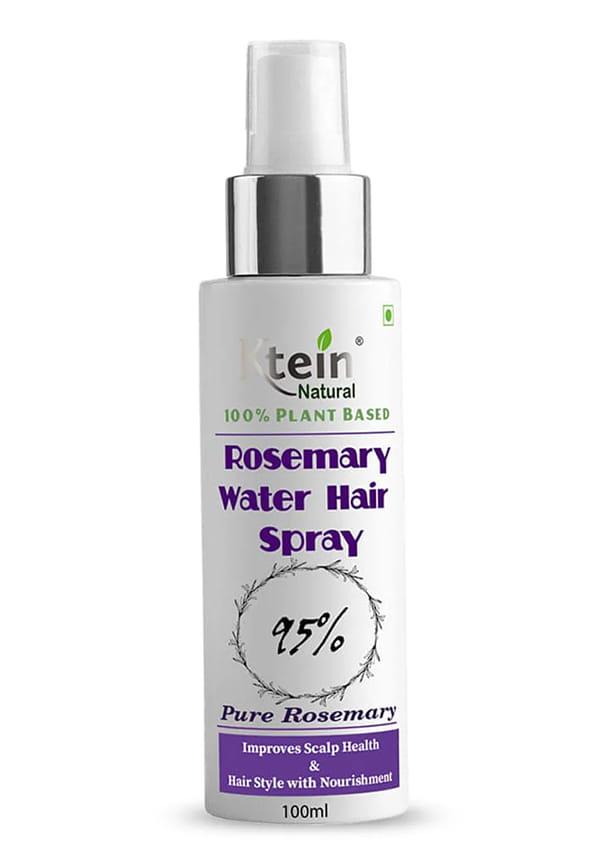
Rosemary Water Hair Spray : 95% Rosemary Infused with Nourishing Benefits Hair Spray
For hair and scalp application, mix your diluted oil and massage it into your scalp using circular motions. Leave it on for at least 30 minutes (some people prefer overnight treatments) before washing out with your regular shampoo. You might need to shampoo twice to remove all the oil.
When using rosemary oil on your skin, apply the diluted mixture to clean skin and gently massage in. Always do a patch test first — apply a small amount to your inner wrist and wait 24 hours to check for any reactions. If you experience irritation, discontinue use immediately.
For aromatherapy benefits, you can add a few drops to a diffuser or inhale directly from the bottle. This method lets you enjoy the mental clarity benefits without any skin contact concerns.
While rosemary oil is generally safe for most people, knowing about potential rosemary oil side effects helps you use it smartly. The most common issues are skin irritation or allergic reactions, especially if you skip the dilution step or use too much.
Never ingest rosemary oil or any essential oil. They're meant for external use only and can be toxic if swallowed. If you're pregnant or breastfeeding, it's best to avoid rosemary oil altogether, as it can potentially affect hormone levels.
People with epilepsy or high blood pressure should also be cautious, as rosemary oil might trigger seizures or affect blood pressure in some cases. When in doubt, check with your healthcare provider before adding it to your routine.
Some people experience headaches or dizziness from the strong scent, especially when first starting out. If this happens, use less oil or ensure you're in a well-ventilated area. Your nose will likely adjust over time.
Store your rosemary oil in a cool, dark place away from children and pets. Essential oils can degrade when exposed to light and heat, so proper storage keeps them effective longer.
The top five rosemary oil benefits include stimulating hair growth, improving scalp health, reducing inflammation, providing antioxidant protection for skin, and offering antimicrobial properties that help with dandruff and acne. These benefits come from compounds like rosmarinic acid and cineole found naturally in the oil.
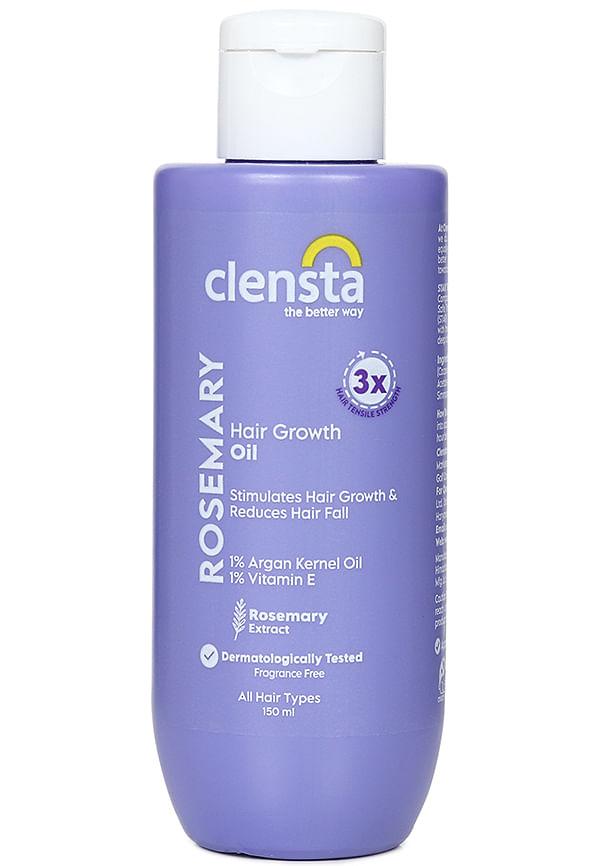
Rosemary Hair Growth Oil With Argan Oil & Vitamin E For Reducing Hair Fall, Strengthens Hair & Breakage
Most people start noticing improvements in scalp health within 2-4 weeks of regular use. For hair growth benefits, expect to wait 3-6 months with consistent application. Skin benefits like reduced inflammation or improved texture might be visible within a few weeks of regular use.
Absolutely. Rosemary oil works the same way for men and women, making it a great natural option for male pattern baldness. The study comparing it to minoxidil included both men and women, showing similar effectiveness across genders for androgenetic alopecia.
Rosemary essential oil is highly concentrated and steam-distilled from the plant, requiring dilution before use. Rosemary extract is typically water or alcohol-based and much milder, often found in ready-to-use hair products. Essential oil is more potent but needs careful handling.
For best results, use rosemary oil 2-3 times per week. Daily use isn't necessary and might irritate sensitive scalps. Consistency matters more than frequency — regular weekly treatments often work better than sporadic daily applications.
Yes, rosemary oil generally plays well with other hair treatments. However, if you're using medical treatments for hair loss, check with your dermatologist first. Avoid mixing it directly with chemical treatments like relaxers or strong clarifying shampoos on the same day.
Rosemary oil benefits are backed by actual science, not just social media hype. From supporting hair growth to improving scalp health and offering skin benefits, this natural ingredient deserves a spot in your routine. The key is using it safely with proper dilution and realistic expectations about timing.
Remember that consistency beats intensity when it comes to natural treatments. Regular use over months will give you better results than sporadic intensive treatments. And always prioritise safety — patch test, dilute properly, and listen to your body.
Whether you're dealing with hair concerns, scalp issues, or just want to try something natural, rosemary oil offers a gentle but effective option. Not sure which rosemary oil products work best for your specific needs? Smytten offers trial-size versions of many haircare products containing rosemary oil — a smart way to test different formulations before committing to full-size bottles.
