Rosemary Hair Oil for Men FAQ: Your Questions Answered

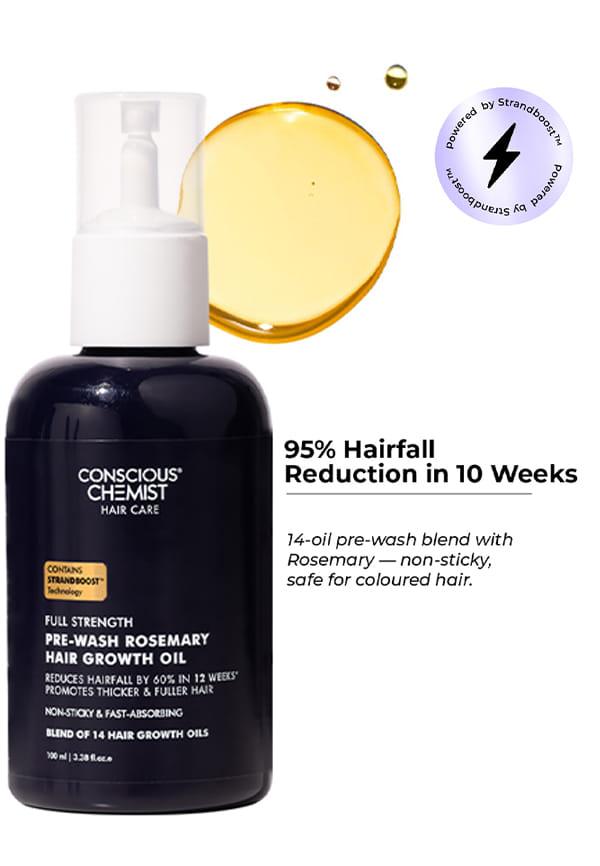
Full Strength Pre Wash Rosemary Hair Growth Oil
Let's be real—men's haircare has come a long way from the basic shampoo-and-go routine. These days, blokes are diving deep into natural solutions for hair growth, scalp health, and even beard care. One ingredient that's been making serious waves? Rosemary oil. This herb isn't just for your Sunday roast anymore—it's become a proper game-changer for men dealing with thinning hair, receding hairlines, or just wanting stronger, healthier locks. But with all the buzz around rosemary oil for male hair growth, you've probably got questions. Does it actually work? How do you use it without turning your scalp into an oil slick? Can it really compete with clinical treatments? Whether you're exploring natural hair growth oil for men or looking to level up your grooming routine, Smytten's got your back with trial-sized products that let you test the waters before diving in headfirst. Ready to get the lowdown on everything rosemary oil? Let's sort through the facts, bust some myths, and answer all those burning questions you've been googling at 2 AM.
Rosemary oil can genuinely boost hair growth in men by improving blood circulation and potentially blocking DHT
Clinical studies show it works as well as minoxidil for androgenetic alopecia, but results take 3-6 months
Always dilute rosemary oil with carrier oils—never apply it neat to avoid scalp irritation
It works for both scalp hair and beard growth, making it a versatile addition to your grooming routine
Consistency is key—daily application with proper technique gives the best results for stronger hair
Right, let's get into the science bit without making your eyes glaze over. Rosemary oil isn't just another trendy essential oil—there's actual research backing its benefits for men's hair. The magic happens at the follicle level, where this herb works its charm on your scalp's ecosystem.
The real MVP here is improved blood circulation. When you massage rosemary oil into your scalp, it gets the blood flowing to your hair follicles like a proper workout for your head. More blood flow means more nutrients reaching the roots, which translates to stronger, faster-growing hair. But here's where it gets interesting—rosemary oil might also block DHT (dihydrotestosterone), the hormone responsible for male pattern baldness. A 2015 study found that rosemary oil performed just as well as 2% minoxidil after six months of use. Not too shabby for a natural solution, right?
Your scalp is basically the soil for your hair garden, and rosemary oil helps keep it in top condition. Its anti-inflammatory properties calm down irritated scalps, whilst its antimicrobial effects tackle dandruff and fungal infections that can mess with hair growth. Plus, the antioxidants in rosemary oil protect your scalp from environmental damage—think pollution, UV rays, and all that urban nastiness that can weaken your hair over time.
This is the million-pound question, isn't it? Can a simple herb really stand up to genetic hair loss? The short answer is yes, but let's dig deeper into what the research actually shows.
Androgenetic alopecia—fancy term for male pattern baldness—affects about 50% of men over 50. The good news? Rosemary oil has shown real promise in clinical trials. That study we mentioned earlier compared rosemary oil to minoxidil, and both groups saw significant hair count increases after six months. The rosemary group actually reported less scalp itching too. However, let's keep expectations realistic—you're looking at a 3-6 month timeline for visible results, and it works best for early-stage hair loss rather than advanced balding.
Early intervention is your best mate when it comes to hair loss. Start using rosemary oil as soon as you notice thinning or a receding hairline. You can combine it with other treatments like scalp massage, proper nutrition, and stress management for better results. If you're dealing with rapid or severe hair loss, though, it's worth chatting with a dermatologist to rule out underlying conditions.
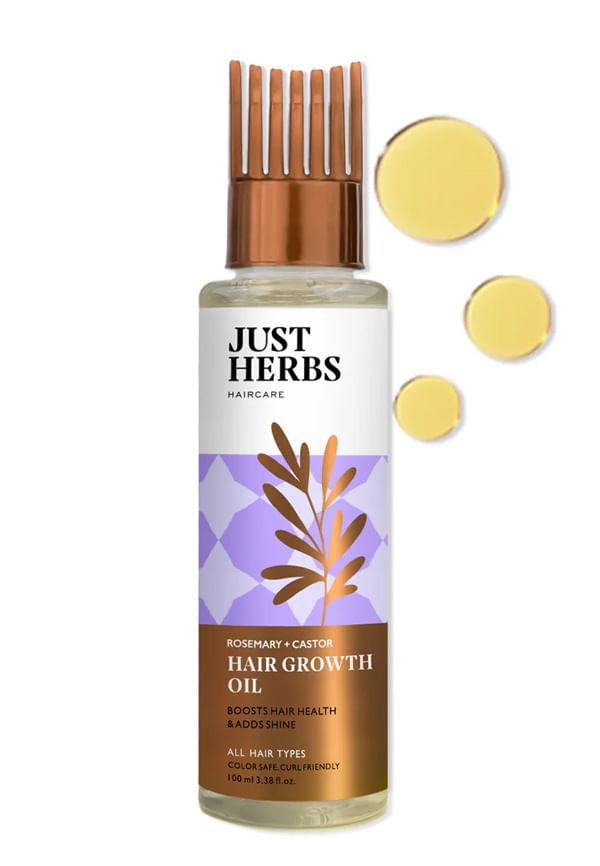
Hair Growth Oil with Rosemary and Castor
Alright, let's get practical. Using rosemary oil isn't rocket science, but there's definitely a right way and a wrong way to go about it. Get this bit wrong, and you might end up with an irritated scalp instead of luscious locks.
Never—and we mean never—apply pure rosemary oil directly to your scalp. It's way too concentrated and will likely cause irritation. Instead, mix 3-5 drops with a tablespoon of carrier oil like jojoba, coconut, or argan oil. Massage this mixture into your scalp using circular motions for about 5-10 minutes. Focus on areas where you're experiencing thinning or want to boost growth.
For pre-shampoo treatments, apply your diluted rosemary oil mixture 30 minutes before washing your hair. This gives it time to penetrate without leaving you looking like you've dunked your head in a chip shop. For leave-in applications, use an even lighter concentration—maybe 2-3 drops in a tablespoon of carrier oil. Weekly intensive treatments can handle slightly higher concentrations, but always patch test first.
Before you go all-in with rosemary oil, do a patch test on your inner arm. Apply a small amount of your diluted mixture and wait 24 hours to check for reactions. Signs to watch out for include redness, itching, burning, or swelling. If you experience any of these, rosemary oil might not be your cup of tea.
Here's where rosemary oil really shines—it's not just about growing more hair, but growing better hair. Whether you're working on your scalp situation or trying to achieve that perfect beard, this natural powerhouse has got you covered.
Rosemary oil helps boost protein synthesis in hair follicles, which basically means stronger, thicker strands from the root up. It reduces breakage and split ends by improving the overall structure of your hair shaft. Many blokes notice their hair feels thicker and looks shinier after consistent use. The key is patience—hair grows about half an inch per month, so you're looking at several months to see the full benefits.
Your facial hair follicles respond to rosemary oil just like the ones on your scalp. The improved circulation helps stimulate dormant follicles, potentially filling in patchy areas over time. Apply a lighter concentration to your beard area—facial skin is more sensitive than your scalp. Massage gently and avoid getting too close to your eyes. Results for beard growth typically take 2-4 months to become noticeable.
Let's keep it real—even natural doesn't always mean risk-free. Rosemary oil is generally safe for most people, but there are a few things to watch out for.
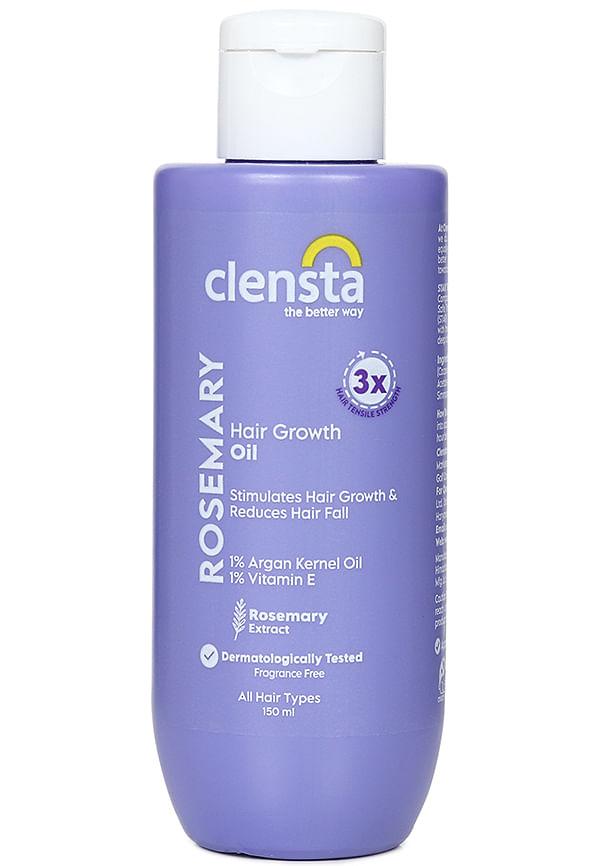
Rosemary Hair Growth Oil With Argan Oil & Vitamin E For Reducing Hair Fall, Strengthens Hair & Breakage
The most common issue is scalp sensitivity, especially if you use too high a concentration or have naturally sensitive skin. Some people experience mild irritation, redness, or itching. Allergic reactions are rare but possible—symptoms include severe itching, swelling, or rash. If you're using other active hair products like retinoids or strong shampoos, introduce rosemary oil gradually to avoid overwhelming your scalp.
People with epilepsy should avoid rosemary oil, as it can potentially trigger seizures in high concentrations. If you're pregnant or breastfeeding, it's best to skip it or consult your doctor first. Those with high blood pressure should also be cautious, as rosemary can affect circulation. Kids under 12 shouldn't use essential oils without proper medical guidance.
No, never apply pure rosemary oil directly to your hair or scalp. Always dilute it with a carrier oil first. Daily use is fine with proper dilution—aim for 3-5 drops in a tablespoon of carrier oil.
Overnight treatments are brilliant, but use a lighter concentration than your regular applications. Mix 2-3 drops with a tablespoon of carrier oil, apply to your scalp, and wash out in the morning. Cover your pillow with an old towel to avoid staining.
Evening applications work well because you can leave the oil in longer without worrying about looking greasy during the day. If you prefer morning use, apply it 30 minutes before showering so you can wash out any excess.
Patience is key here. Most people start noticing improvements in hair texture and scalp health within 4-6 weeks. Visible hair growth typically takes 3-6 months of consistent use. Remember, hair grows slowly, so stick with it.
Clinical studies show similar effectiveness after six months, but rosemary oil tends to cause less scalp irritation. However, minoxidil has more extensive research backing it. The choice often comes down to personal preference and how your scalp reacts to each treatment.
Rosemary oil can slow down hair loss and potentially stimulate some regrowth, especially in early stages of male pattern baldness. However, it's not a miracle cure for advanced balding. It works best as a preventative measure or for mild to moderate thinning.
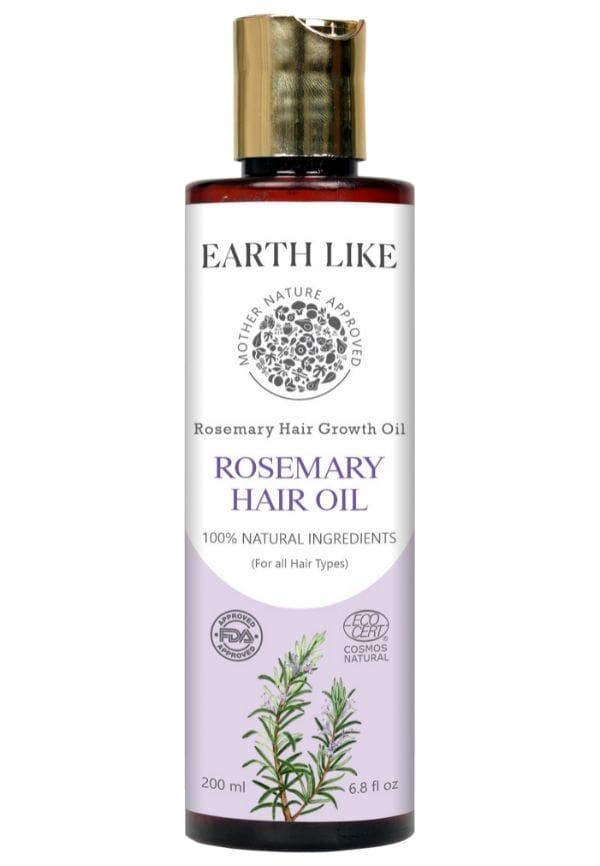
Rosemary Essential Oil for Hair, Scalp, Anti-Inflammatory & Aromatherapy
Look for pure, organic rosemary essential oil from reputable brands. The oil should be steam-distilled and come in a dark glass bottle to preserve its potency. Avoid products with added synthetic fragrances or fillers. When exploring options, Smytten's trial packs let you test different rosemary oil products before committing to full sizes.
Pure rosemary essential oil gives you more control over dilution and tends to be more cost-effective. Pre-mixed products are convenient but often contain lower concentrations of the active ingredient. If you're new to essential oils, starting with a pre-mixed product might be easier.
Quality rosemary oil should list 'Rosmarinus officinalis' as the botanical name, be steam-distilled, and come from a reputable supplier. It should smell fresh and herbaceous, not musty or off. Check for third-party testing certificates if available.
Using rosemary oil is just one piece of the hair health puzzle. To really maximise your results, you need to think about the bigger picture—your overall lifestyle and how it affects your hair.
Your diet plays a massive role in hair health. Focus on protein-rich foods, iron, zinc, and vitamins B and D. Chronic stress can wreck your hair growth cycle, so find ways to manage it—whether that's exercise, meditation, or just getting enough sleep. Speaking of sleep, aim for 7-9 hours per night. Your hair does most of its growing whilst you're kipping, so don't shortchange yourself.
Rosemary plays well with other essential oils like peppermint, lavender, and cedarwood. Each brings its own benefits—peppermint for circulation, lavender for scalp health, and cedarwood for DHT blocking. Regular scalp massage, even without oils, can boost circulation and help with stress relief. Some blokes also find success combining rosemary oil with hair-healthy supplements like biotin, saw palmetto, or omega-3s.
Rosemary oil genuinely works for men's hair growth and scalp health, with clinical studies backing its effectiveness. The key is consistency, proper dilution, and realistic expectations—you're looking at 3-6 months for visible results. It's particularly effective for early-stage hair loss and works brilliantly as a preventative measure. Always dilute with carrier oils, patch test first, and be patient with the process. Combine it with a healthy lifestyle for the best results, and remember that it's just one tool in your hair health toolkit.
Finding the right hair growth solution can feel like a proper minefield, especially with so many products promising overnight miracles. That's where Smytten comes in handy—as India's largest product discovery and trial platform, you can explore different rosemary oil products and natural hair treatments through curated trial packs before committing to full sizes. With over 2,400 trusted brands available, including natural haircare options, you can test what works for your specific hair type and concerns. The platform's trial system means you get up to 10 Trial Points for just ₹279, plus 100% cashback on trials that's redeemable for future purchases. Whether you're exploring rosemary oil for the first time or looking to find your perfect natural hair growth routine, why settle for guesswork when you can #TryItAll and discover what actually works for your hair?
