Rosemary Hair Growth Tips FAQ: Your Questions Answered


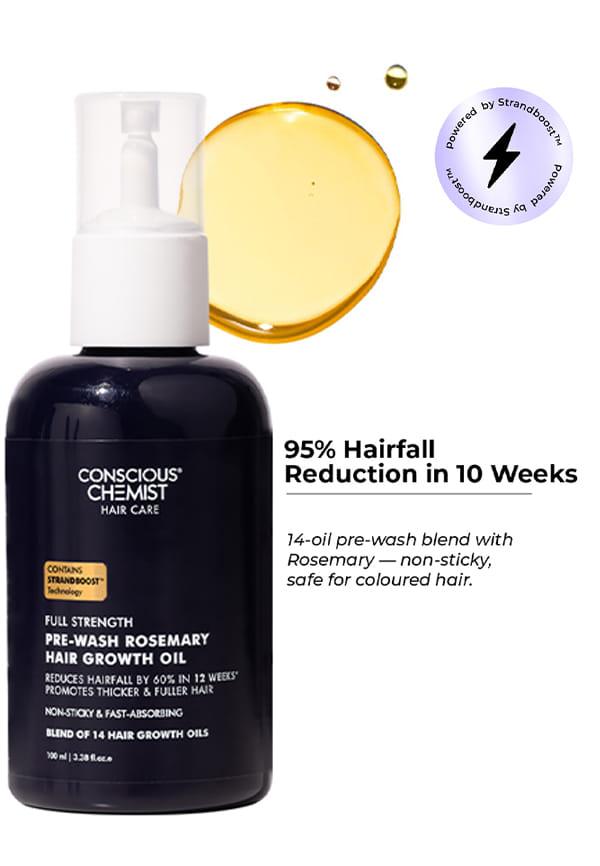
Full Strength Pre Wash Rosemary Hair Growth Oil
Oil-based, lightweight, may feel greasy
 4
4“it's oil based so may be u feel ur hair greasy but it's not thick so light weight feel not thick and heavy on ur scalp currently using it bought two bottle it's first time let's see how's the result is”
Good Product, Observing Changes
5“Good product atill using need to look for changes”
Good Product, Observing Changes
5“Good product atill using need to look for changes”
You've probably been scrolling through endless hair growth tips, wondering if that bottle of rosemary oil sitting in your kitchen cabinet could actually be the answer to your hair woes. Let's be real—with so much conflicting advice out there, it's hard to know what actually works. The good news? Rosemary oil has some serious science backing its hair growth claims, but like any natural remedy, there's a right way and a wrong way to use it. Whether you're dealing with thinning hair, slow growth, or just want thicker strands, we've got the answers to all your burning rosemary questions.
Here's where things get interesting—rosemary oil isn't just another trendy ingredient your favourite influencer is pushing. Research shows it works by boosting blood circulation to your scalp, which means more nutrients reach your hair follicles. Think of it like giving your scalp a proper wake-up call. The active compounds, particularly rosmarinic acid and carnosic acid, also help block DHT (dihydrotestosterone), the hormone responsible for shrinking hair follicles in androgenic alopecia. A 2015 study published in SKINmed journal found that rosemary oil performed just as well as 2% minoxidil after six months of use. Participants using rosemary oil experienced significant hair count increases, and here's the kicker—they had less scalp itching than the minoxidil group. The study followed people for 24 weeks, with noticeable improvements starting around the 12-week mark. The timeline is crucial to understand. Most people expect overnight miracles, but hair growth is a slow game. Your hair grows about half an inch per month on average, so even if rosemary oil kickstarts dormant follicles, you're looking at a minimum three to six months before seeing real results. The people who benefit most tend to have androgenic alopecia, diffuse thinning, or hair loss related to poor scalp circulation rather than genetic baldness or medical conditions.
Let's get into the practical stuff—how to actually use rosemary oil without turning your scalp into an irritated mess. These methods are ranked by effectiveness based on research and user feedback.
This is your gold standard approach. Mix 3-5 drops of pure rosemary essential oil with one tablespoon of carrier oil. Jojoba oil is brilliant because it mimics your scalp's natural sebum, whilst coconut oil has antimicrobial properties that keep your scalp healthy. Sweet almond oil works well for sensitive scalps. Section your hair into parts and apply the mixture directly to your scalp—not your hair lengths. Use your fingertips to massage in circular motions for 5-10 minutes. This isn't just about the oil; the massage itself stimulates blood flow. Leave it on for at least 30 minutes, though overnight treatments work even better if your skin tolerates it.
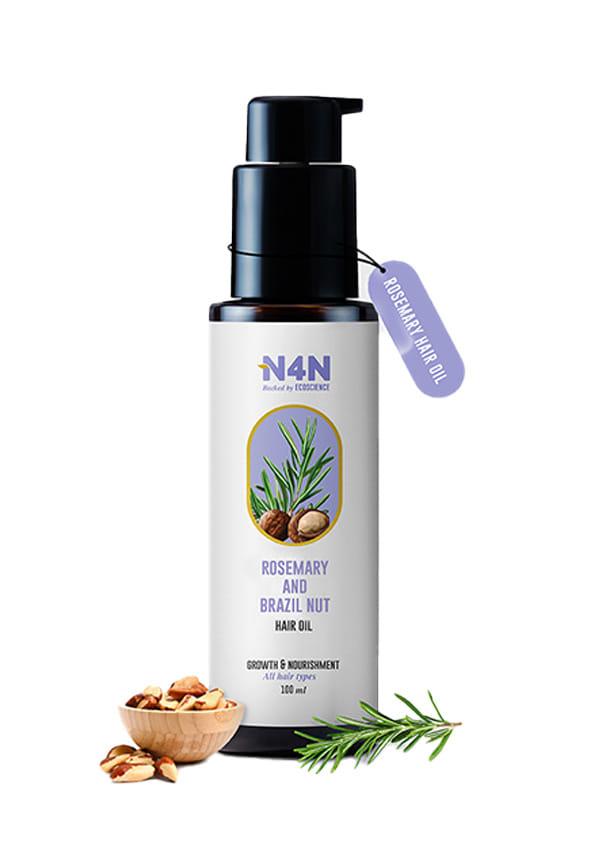
Rosemary Hair Oil | Rosemary And Brazil Nut | Growth & Strengthen
For daily use without the oily aftermath, rosemary water is your friend. Bring two cups of water to a boil, add a handful of fresh rosemary sprigs (or two tablespoons dried), then simmer for 20 minutes. Let it cool completely, strain out the plant matter, and pour into a spray bottle. This keeps in the fridge for up to a week. Spray it onto your scalp daily, focusing on areas where you want more growth. It's gentle enough for everyday use and won't weigh down fine hair. Plus, it smells incredible and gives you that spa-like feeling without the spa prices.
Add 2-3 drops of rosemary oil to your regular shampoo portion each time you wash. Let it sit on your scalp for 2-3 minutes before rinsing—this gives the oil time to work its magic. Don't do this more than 2-3 times per week, as over-washing can actually hinder hair growth by stripping natural oils.
Rosemary oil sits in excellent company among natural hair growth remedies, but it's not the only player worth considering. Peppermint oil showed even more impressive results in animal studies, increasing hair growth by 92% compared to minoxidil's 55%. However, peppermint can be more irritating, so rosemary wins for sensitive scalps. Cedarwood, lavender, and thyme oils also show promise, and many people combine them with rosemary for a more comprehensive approach. The key is understanding that these essential oils for hair growth work differently—some focus on circulation, others on hormone regulation or antimicrobial action. Cost-wise, a good quality rosemary essential oil runs about ₹500-800 for a 15ml bottle that'll last months. Compare that to prescription treatments or salon procedures, and you're looking at significant savings. Just remember that natural doesn't automatically mean risk-free, and results vary wildly between individuals.
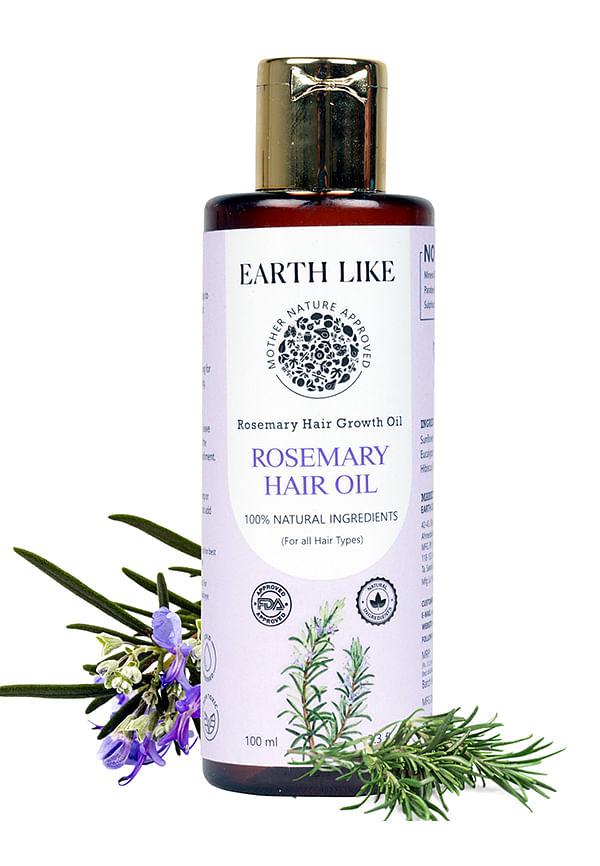
Rosemary Hair Growth Oil – Reduces Hair Fall & Strengthens Roots
Best Product from Smytten
5“cost is the best and best product from smytten application”
Strong Scent with Dropper
4“The smell is very powerful and also comes with a dropper”
Heavy Smell, Cooling Effect
4“heavy smell,but cooling effect”
Consistency beats intensity when it comes to hair growth. Start with twice-weekly oil treatments, gradually increasing if your scalp tolerates it well. Monday and Thursday work well for most people—far enough apart to avoid irritation but frequent enough to maintain benefits. Your scalp stimulation technique matters more than you'd think. Use the pads of your fingers, not your nails, and work in small circular motions from your hairline back to the crown. Spend extra time on areas where you've noticed thinning. Some people swear by using a scalp massager tool, but your fingers work just fine. Track your progress with monthly photos taken in the same lighting and from the same angles. Measure your hairline or part width if you're dealing with specific thinning areas. Hair growth is so gradual that you might not notice changes day-to-day, but photos don't lie. Integrate rosemary treatments with your existing routine rather than overhauling everything. If you're already using hair growth supplements or other treatments, rosemary can complement them nicely. Just introduce one new thing at a time so you can pinpoint what's actually working.
Before you dive headfirst into rosemary treatments, let's talk safety. Essential oils are potent, and rosemary can cause allergic reactions in some people. Always do a patch test—mix a tiny amount with carrier oil and apply to your inner wrist. Wait 24 hours to see if any redness, itching, or irritation develops. Pregnant women should avoid rosemary oil, as it can stimulate menstruation and potentially affect pregnancy. If you have epilepsy, high blood pressure, or are taking blood-thinning medications, check with your doctor first. Rosemary oil can interact with certain medications and medical conditions. Signs you're overdoing it include scalp redness, excessive dryness, or increased hair shedding. If this happens, take a break for a week and reduce your frequency when you restart. Quality matters enormously—look for organic, pure rosemary essential oil from reputable brands. Avoid anything with added fragrances or synthetic ingredients.
Most research suggests a minimum six-month commitment before seeing significant results. The study comparing rosemary to minoxidil showed improvements starting around 12 weeks, with more dramatic changes by 24 weeks. Your individual timeline depends on factors like the cause of your hair loss, your age, overall health, and how consistently you use treatments. Some people notice improved scalp health and reduced shedding within the first month, which is often a good sign that it's working.
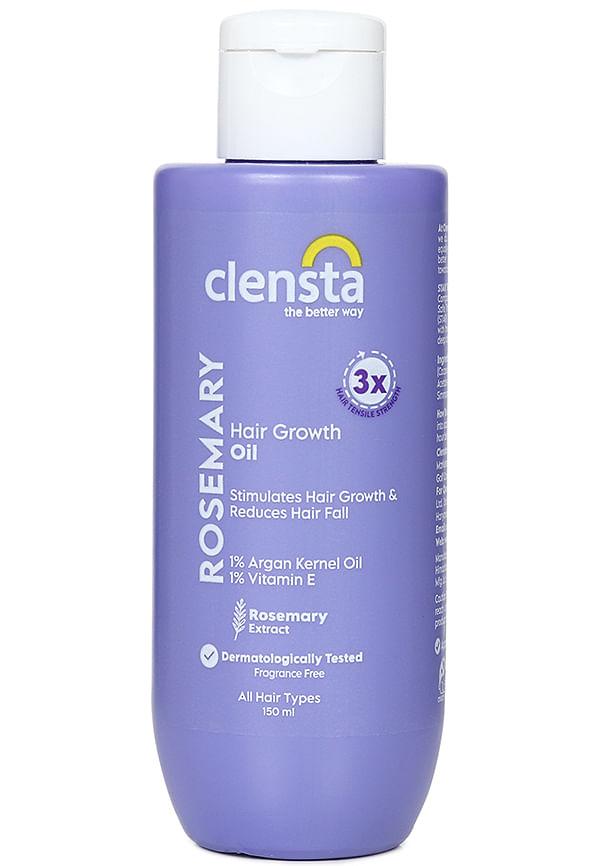
Rosemary Hair Growth Oil With Argan Oil & Vitamin E For Reducing Hair Fall, Strengthens Hair & Breakage
Amazing wellness product!
5“Here's the revised 25-word review: "Life-changing product! Reduced inflammation, improved sleep, and increased energy. Easy to use and backed by science. Highly recommend for natural wellness seekers!"”
Lightweight and good for hair
4“light weight good for notmel hairs”
Positive Product Review
5“Good results fast delivery nice 6Good results fast delivery nice product”
Rosemary can help with certain types of hair loss, particularly androgenic alopecia and diffuse thinning caused by poor circulation or inflammation. It's most effective for hair follicles that are dormant but not completely dead. If you have completely bald patches or advanced male pattern baldness, rosemary alone probably won't regrow hair in those areas. It works best for early-stage hair loss, thinning, or maintaining existing hair health.
Combine scalp massage with rosemary oil 2-3 times weekly, use rosemary water spray daily, and maintain a healthy diet rich in protein and vitamins. Some people see better results when they combine rosemary with other proven ingredients like caffeine or niacinamide. Consistency is more important than frequency—it's better to use it twice weekly for months than daily for a few weeks.
The traditional "big 3" refers to finasteride, minoxidil, and ketoconazole shampoo for treating male pattern baldness. In the natural remedy world, rosemary oil, scalp massage, and proper nutrition form a powerful trio. Some practitioners also include dermarolling or microneedling as part of a comprehensive natural approach to hair growth.
Trichologists recommend warming your oil mixture slightly before application—not hot, just body temperature. This helps with absorption and feels more comfortable. Apply treatments to slightly damp hair rather than bone-dry strands, as this helps distribute the oil more evenly. Seasonal adjustments matter too. Your scalp might be more sensitive in winter due to dry air and heating, so you might need to reduce frequency or use more carrier oil. Summer heat can make oils feel heavier, so rosemary water spray might work better during warmer months. Common mistakes include using too much oil (which can clog follicles), applying it to hair lengths instead of the scalp, or giving up too soon. Remember, even prescription hair loss treatments take months to show results, so patience is crucial with natural remedies too. When shopping for rosemary oil, look for dark glass bottles that protect from light degradation. Store your oils in a cool, dark place, and replace them every 1-2 years. If you're on a budget, buying larger quantities often works out cheaper, but make sure you'll use it before it expires.
Rosemary oil offers a science-backed, natural approach to supporting hair growth, but it requires patience and consistency. The research is promising, particularly for androgenic alopecia, but realistic expectations are crucial. Most people see initial improvements around the three-month mark, with more significant changes by six months. Start with diluted oil treatments twice weekly, add daily rosemary water spray if you want, and always prioritise scalp health over aggressive treatment. Quality ingredients matter, safety testing is non-negotiable, and tracking your progress helps maintain motivation during the slower phases. Whether you're exploring natural hair growth remedies for the first time or adding rosemary to an existing routine, remember that hair health is a marathon, not a sprint. Not sure which rosemary-infused products might work for your hair type? Smytten offers trial-size versions of many haircare products—a smart way to test different formulations before committing to full bottles.
