Repair Hair Damage Without Salon Visits: Your FAQ

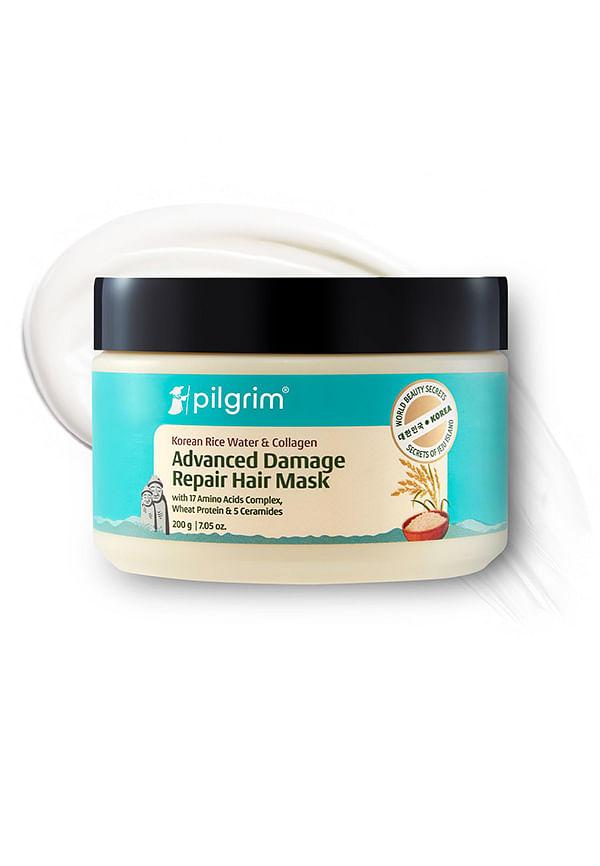
Korean Rice Water & Collagen Advanced Damage Repair Hair Mask
Good Service and Quality
 5
5“the service and quality are very good”
Good Quality, Easy to Use
5“Product is very good quality and easy to use”
Good Product, Highly Recommended
5“the product is good, you can buy it, very nice product”
Let's be real—damaged hair can feel like a never-ending nightmare. Split ends, breakage, dryness, and that straw-like texture that makes you want to hide under a hat forever. But here's the thing: you don't need to blow your budget on expensive salon treatments to get your hair back to its former glory. With the right knowledge and some kitchen staples, you can repair hair damage without salon visits and restore your locks to health. Whether you're dealing with heat damage from your styling tools, chemical damage from colouring, or just general wear and tear, there are proven at-home methods that actually work. Smytten users have discovered countless haircare solutions through trial packs, making it easier than ever to find what works for your specific hair concerns without the guesswork or hefty price tags.
Hair damage can be effectively repaired at home using natural ingredients like eggs, avocado, and rice water
A combination of protein and moisture treatments is key to restoring damaged hair naturally
DIY hair masks, proper handling techniques, and lifestyle changes can strengthen brittle hair at home
Prevention through heat protection and gentle care is just as important as active repair treatments
Severe damage may require professional intervention, but most common issues respond well to consistent at-home care
Before diving into hair damage solutions at home, you need to understand what you're dealing with. Hair damage isn't just one thing—it's a spectrum of issues that can range from mild dryness to severe breakage.
The good news is that most hair damage responds well to DIY treatments. Split ends are probably the most obvious sign—those frayed, fork-like ends that make your hair look messy no matter how you style it. Then there's breakage, which shows up as shorter pieces sticking out from your main length. Dryness and brittleness make your hair feel rough and look dull, whilst chemical damage from colouring or relaxing can leave your strands feeling like elastic bands. Heat damage from straighteners and blow dryers creates a crispy texture that's unmistakable once you know what to look for.
Here's how to figure out exactly what your hair needs. Start with a visual inspection—look for split ends, uneven texture, and colour changes. The touch test is equally important: healthy hair should feel smooth and slightly elastic. Try the elasticity test by gently stretching a wet strand—if it snaps immediately, you need protein. If it stretches too much without bouncing back, you need moisture. The porosity test involves dropping a clean strand in water; if it sinks quickly, your hair is highly porous and needs intensive moisture treatments.
The beauty of DIY hair repair lies in using ingredients you probably already have. Your kitchen is basically a hair salon waiting to happen, and the best part is knowing exactly what you're putting on your hair.
Protein treatments are your best friend for strengthening brittle hair at home. Eggs are the ultimate protein powerhouse—the whites provide structure whilst the yolks add moisture. Yogurt contains lactic acid that gently exfoliates whilst delivering protein. For moisture-rich treatments, honey is a humectant that draws moisture from the air, avocado provides healthy fats, and coconut oil penetrates the hair shaft better than most oils. Apple cider vinegar balances pH and smooths the cuticle, whilst aloe vera soothes and moisturises. Rice water has been used for centuries in Asia and contains amino acids that strengthen hair.
Your tools matter just as much as your ingredients. A wide-tooth comb prevents breakage when detangling wet hair. Microfiber towels or even cotton t-shirts reduce friction compared to regular towels. A shower cap or plastic wrap helps treatments penetrate better by trapping heat. And never underestimate the power of a good heat protectant—it's prevention and repair rolled into one.
Now for the fun part—actually making these hair mask for damaged hair DIY treatments. These recipes have been tested by countless people dealing with various types of damage, and they deliver real results when used consistently.
The protein-rich repair mask combines 2 eggs with 2 tablespoons of olive oil and 1 tablespoon of honey. Whisk everything together until smooth, apply to damp hair from mid-length to ends, and leave for 20-30 minutes before rinsing with cool water. This treatment works brilliantly for hair that's lost its elasticity and strength. For moisture-intensive treatment, mash half an avocado with 2 tablespoons of coconut oil and half a banana. This creamy mixture should be applied generously and left for 45 minutes. The natural oils and vitamins penetrate deeply to restore damaged hair naturally.
Leave-in treatments don't have to be complicated. Mix a few drops of argan oil with water in a spray bottle for daily moisture. Protective styling like loose braids or buns prevents further damage. The key is being gentle—wet hair is at its most vulnerable, so always detangle from the ends up and never brush aggressively.
Repairing hair damage is a marathon, not a sprint. The 30-day approach gives your hair time to respond and rebuild without overwhelming it with too many treatments at once.
Weeks 1-2 focus on damage control. Stop using heat tools or use them on the lowest setting with protection. Switch to sulfate-free shampoos and deep condition weekly. Your hair needs time to stabilise before you can start intensive repair. Weeks 3-4 introduce active repair treatments. This is when you bring in the protein masks, rice water rinses, and intensive moisture treatments. The key is alternating between protein and moisture—too much of either can cause problems.
Scalp massage improves blood circulation, which means better nutrient delivery to your hair follicles. Spend 5 minutes massaging with your fingertips (not nails) before washing. Cold water rinses seal the hair cuticle, making your hair shinier and less prone to damage. A silk pillowcase reduces friction whilst you sleep, preventing breakage and frizz.
Here's the truth about split ends—once they're there, they can't be permanently repaired. But you can prevent them from getting worse and temporarily seal them for better-looking hair.
Heat styling alternatives like air-drying, plopping for curly hair, or using foam rollers can give you the styles you want without the damage. Protective hairstyles for sleep include loose braids, silk scrunchies, or the pineapple method for curly hair. Regular trims every 6-8 weeks prevent splits from travelling up the hair shaft.
Hair serums and oils can temporarily seal split ends by smoothing the cuticle. Apply a tiny amount to damp ends before styling. Braiding and twisting techniques can hide damage whilst protecting your hair from further breakage. When the damage is extensive, strategic cutting becomes necessary—but you can often get away with micro-trims rather than major chops.
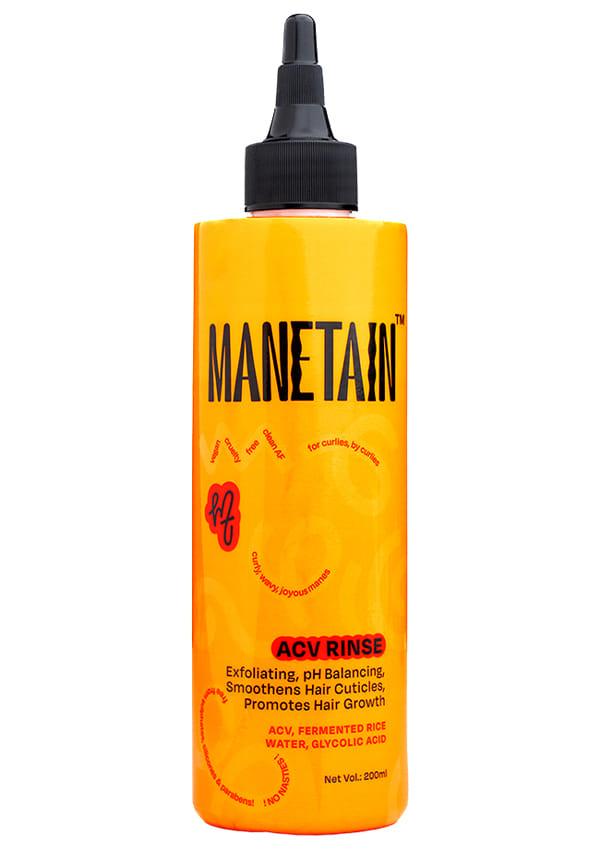
Apple Cider Vinegar Hair Rinse
Effective for Dandruff
5“it helped with my dandruff so much”
Once you've mastered the basics, these advanced techniques can take your hair recovery to the next level. They require a bit more effort but deliver impressive results.
Rice water contains amino acids, vitamins, and minerals that strengthen hair. For plain rice water, rinse 1 cup of rice, then soak it in 2 cups of water for 30 minutes. Strain and use as a final rinse. Fermented rice water is more potent—let the mixture sit at room temperature for 24-48 hours until it smells slightly sour. The fermentation process increases the nutrient content and makes it more effective for damaged hair.
Mix 1 part apple cider vinegar with 3 parts water for normal hair, or 1:4 for sensitive scalps. Apply after shampooing, leave for 2-3 minutes, then rinse thoroughly. This treatment removes product buildup, balances pH, and smooths the hair cuticle for better shine and manageability.
Brew 2-3 green tea bags in 2 cups of hot water, then let it cool completely. Use as a final rinse after conditioning. The antioxidants in green tea protect against environmental damage and can help strengthen hair follicles. This treatment is particularly beneficial for hair exposed to pollution or UV damage.
Prevention is always better than cure, and maintaining healthy hair habits will keep your newly repaired hair looking its best. It's about creating sustainable routines that protect your investment in hair health.
Your morning routine should focus on protection. Apply a leave-in conditioner or hair oil to damp hair, use heat protectant if styling, and opt for gentle styling methods. Evening routines are about repair—brush gently with a boar bristle brush, apply a small amount of hair oil to ends, and sleep on silk or satin pillowcases.
Nutrition plays a huge role in hair health. Protein-rich foods, omega-3 fatty acids, and vitamins A, C, and E all contribute to stronger hair. Stay hydrated—dehydration shows up in your hair just like it does in your skin. Manage stress through exercise, meditation, or whatever works for you, as chronic stress can cause hair loss and damage.
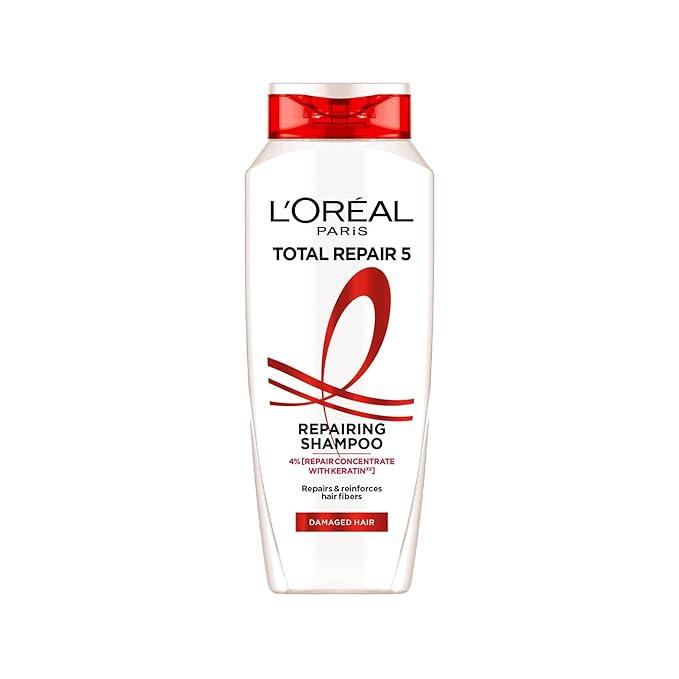
When it comes to finding the right products for your hair recovery journey, the L'Oréal Paris Shampoo For Damaged And Weak Hair offers professional-grade repair technology that complements your at-home treatments. This shampoo combines pro-keratin and ceramides to rebuild hair structure from within, making it an excellent foundation for your DIY repair routine. The gentle formula cleanses without stripping, whilst the rebuilding ingredients work to restore strength and elasticity to damaged strands.
Sometimes home treatments aren't enough. If your hair continues breaking despite consistent care, if you have severe chemical damage, or if you're experiencing unusual hair loss, it's time to consult a professional. Preparing for salon visits by documenting your current routine and concerns helps stylists provide better treatment recommendations.
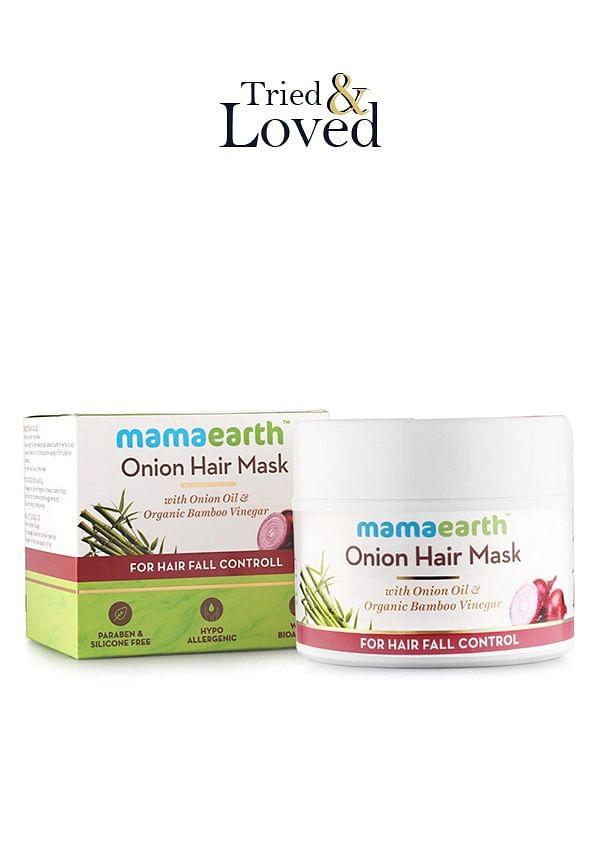
Onion Hair Mask With Onion & Organic Bamboo Vinegar
Most people see initial improvements within 2-4 weeks of consistent treatment, but significant repair can take 2-3 months. Hair grows about half an inch per month, so you're essentially growing out the damage whilst treating what's already there.
Mild to moderate damage responds well to at-home care, but severely damaged hair—especially from chemical processing—may need professional intervention. If your hair feels like elastic or breaks with minimal manipulation, consider seeing a professional first.
Protein treatments rebuild hair structure and are needed when hair feels mushy or stretches too much when wet. Moisture treatments add hydration and are needed when hair feels dry, brittle, or snaps easily. Most damaged hair needs both, alternated based on your hair's response.
Deep conditioning treatments can be done weekly, whilst intensive protein treatments should be limited to once or twice monthly. Daily leave-in treatments and gentle oils can be used as needed. Listen to your hair—over-treatment can cause more problems.
Natural ingredients can be very effective, especially for mild to moderate damage. They're gentler and often more affordable, but commercial products may offer more concentrated active ingredients for severe damage. Many people find success combining both approaches.
Chemical damage can often be improved with consistent protein and moisture treatments, but severe chemical damage may require professional assessment. The key is patience and gentle handling whilst the hair rebuilds its structure.
Avoid over-washing, using too much protein (which can make hair brittle), applying treatments to your scalp unless specified, and expecting overnight results. Also, don't neglect heat protection even when air-drying in sunny weather.
Wet a strand of clean hair and gently stretch it. If it snaps immediately, you need protein. If it stretches significantly without bouncing back, you need moisture. Healthy hair should stretch slightly and return to its original length. You can discover the perfect balance for your hair type through Smytten's trial packs, allowing you to test different protein and moisture treatments before committing to full-size products.
Repairing hair damage at home is absolutely possible with the right approach and realistic expectations. The key is understanding your specific type of damage and addressing it with appropriate treatments—whether that's protein for structural repair or moisture for hydration. Consistency matters more than expensive products, and prevention through gentle handling and heat protection is just as important as active repair treatments. Remember that hair recovery is a gradual process, but with patience and the right techniques, you can restore your hair's health and strength without expensive salon visits.
Your hair damage repair journey doesn't have to be overwhelming or expensive. With the right knowledge and consistent care, you can achieve salon-quality results from the comfort of your home. Smytten is India's largest product discovery and trial platform, connecting consumers with top lifestyle, beauty, wellness, and grooming brands. At its core, Smytten offers curated trial packs - mini-sized products from over 2,400 trusted brands such as Cetaphil, Dot & Key, True Elements, Oziva, Renee, Swiss Beauty Love, Beauty & Planet, WishCare, Carlton London and Bella Vita. This lets users explore and experience products before committing to full-size purchases, making it easier to find the perfect haircare solutions for your specific damage concerns. Each mini is linked with Trial Points, and users can get up to 10 Trial Points for just ₹279. Plus, Smytten offers 100% cashback on the purchase of these minis, redeemable in the shop section for future orders, making product discovery both affordable and rewarding. Whether you're looking for protein treatments, moisture masks, or gentle cleansing options, you can try before you buy and discover what truly works for your hair. After all, why settle for 'maybe' when you can #TryItAll!
