Reduce Hair Frizz Naturally FAQ: Your Questions Answered


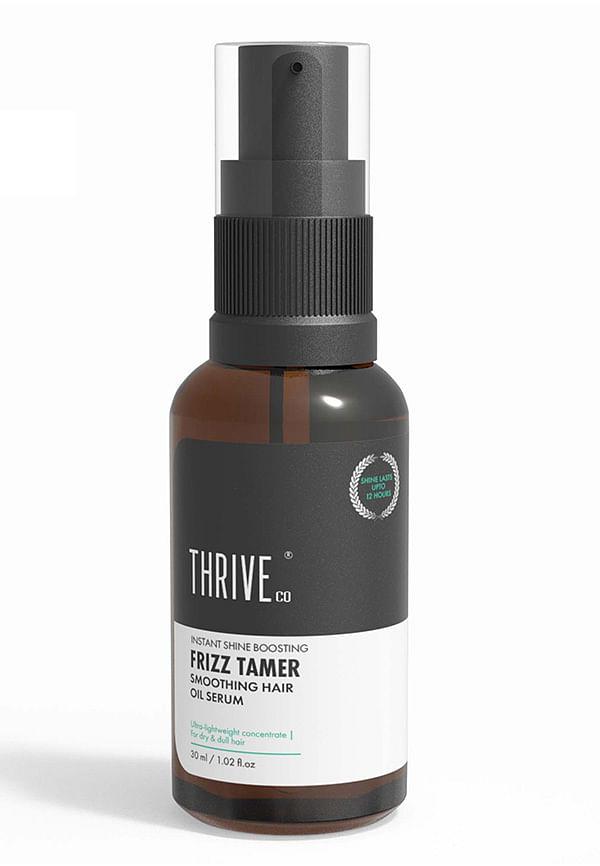
Frizz Tamer Smoothening Hair Oil
You know that feeling when you step outside and your hair instantly transforms into a frizzy mess? Or when you spend ages styling your hair, only to have humidity turn it into something that looks like you stuck your finger in an electrical socket? Real talk — frizzy hair is one of those universal struggles that can make even the most confident person feel a bit defeated. But here's the thing: you don't need expensive salon treatments or a cupboard full of chemical-laden products to get smooth, manageable hair. Sometimes the best frizzy hair solutions are sitting right in your kitchen, and the most effective anti-frizz remedies are the ones your grandmother probably swore by.
Let's start with the science bit, but keep it simple. Frizz happens when your hair cuticles — those tiny overlapping scales on each strand — lift up instead of lying flat. Think of it like roof tiles that aren't properly aligned. When they're smooth and flat, light reflects beautifully and your hair looks shiny. When they're raised and rough, you get that dreaded frizzy texture.
Several things can cause this cuticle chaos. Humidity is the obvious culprit — moisture in the air gets absorbed by your hair, causing it to swell and the cuticles to lift. But damage from heat styling, harsh chemicals, over-washing, and even aggressive towel-drying can permanently roughen your cuticles. Some people are also genetically predisposed to having more porous hair, which means their strands naturally absorb moisture more easily.
Your hair's natural texture plays a role too. Curly and wavy hair tends to be more prone to frizz because the curved shape of the strand makes it harder for natural oils to travel down from your scalp. This leaves the mid-lengths and ends drier and more vulnerable to environmental damage.
The good news? You can manage frizzy hair without reaching for products packed with silicones and sulfates. These natural methods focus on working with your hair's structure rather than against it.
Start with your washing routine. Cold water rinses are your new best friend — they help seal those lifted cuticles back down, creating a smoother surface. It might feel a bit shocking at first, but your hair will thank you. When you're washing, focus the shampoo on your scalp only. The length of your hair gets clean enough from the suds running down as you rinse.
How you dry your hair matters more than you might think. Ditch the rough towel rubbing and try the t-shirt method instead. An old cotton t-shirt is much gentler on your cuticles and absorbs water without creating friction. Gently press and squeeze — never rub or twist.
Only detangle when your hair is wet and has conditioner in it. Start from the ends and work your way up, using a wide-tooth comb or your fingers. This prevents unnecessary breakage and keeps your cuticles from getting roughed up.
Your kitchen is basically a natural hair spa waiting to happen. These DIY hair masks for frizz use ingredients that actually penetrate the hair shaft and provide lasting moisture, not just temporary smoothness.
The coconut oil deep treatment is probably the most effective natural remedy you can try. Warm up two tablespoons of virgin coconut oil until it's liquid but not hot. Work it through damp hair from mid-length to ends, avoiding your roots unless your scalp is very dry. Pop on a shower cap and leave it for 30 minutes to an hour. The molecular structure of coconut oil is small enough to actually get inside your hair shaft, providing deep hydration.
For a lighter option, try the avocado and honey mask. Mash half a ripe avocado with two tablespoons of raw honey. The avocado provides natural oils and vitamins, whilst the honey acts as a humectant, drawing moisture from the air into your hair. Apply to damp hair and leave for 20 minutes before rinsing thoroughly.
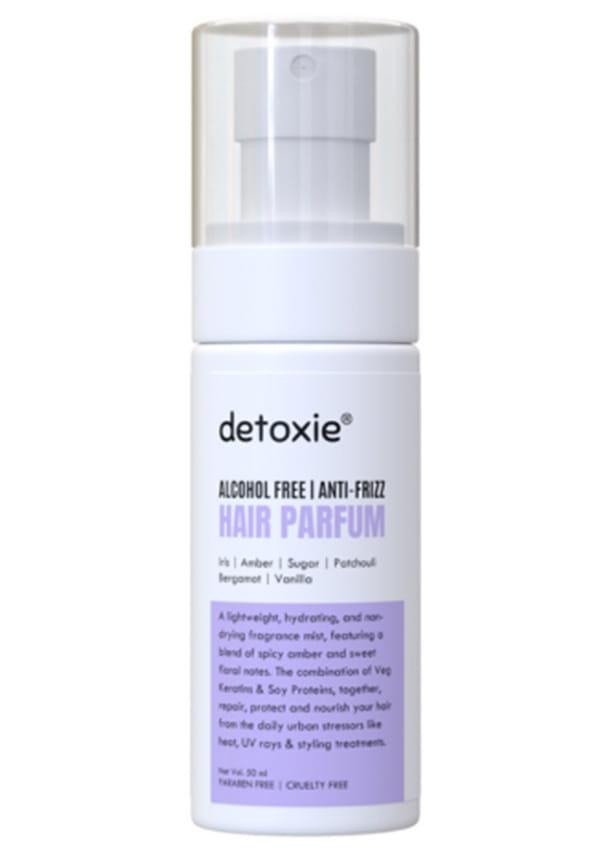
Alcohol Free Anti-Frizz Hair Parfum
Blend one ripe banana with a tablespoon of olive oil until completely smooth. This vitamin-packed mixture helps smooth the hair cuticle naturally. Leave on for 15 minutes, then rinse with cool water.
Not all oils are created equal when it comes to taming frizz. The best oils for frizzy hair are those that can either penetrate the hair shaft or create a protective seal without weighing your hair down.
Argan oil is brilliant for damaged hair because it's rich in vitamin E and fatty acids that help repair the cuticle. Use just a few drops on damp hair — a little goes a long way. Jojoba oil is technically a wax, not an oil, which means it closely mimics your hair's natural sebum. It's perfect if you have fine hair that gets weighed down easily.
Sweet almond oil is gentle enough for sensitive scalps and provides excellent moisture without being too heavy. For a warm oil treatment, gently heat any of these oils and apply to damp hair before shampooing. The warmth helps the oil penetrate better.
Always apply oils to damp hair, not dry. The water helps distribute the oil more evenly and prevents that greasy look. Start with less than you think you need — you can always add more.
Consistency is key when it comes to hair hydration tips. Your hair needs regular moisture to stay smooth, and these daily habits can make a massive difference.
Switch to sulfate-free shampoos if you haven't already. Sulfates strip your hair of natural oils, leaving it dry and more prone to frizz. Wash your hair less frequently — every other day or even every third day if your hair type allows it. On non-wash days, refresh with a light mist of water mixed with a tiny bit of leave-in conditioner.
Weekly deep conditioning should be non-negotiable. Even if you're using natural masks, your hair needs that extra boost of moisture. Apply your conditioner or mask to damp hair, comb it through with a wide-tooth comb, and leave it on whilst you do other things in the shower.
Apple cider vinegar rinses once a month can help balance your hair's pH and smooth the cuticles. Mix one part ACV with three parts water and pour it through your hair after shampooing. The smell disappears once your hair dries, promise.
Invest in a silk or satin pillowcase. Cotton can create friction that roughens your cuticles whilst you sleep. If you can't switch pillowcases, try a silk scarf or bonnet instead.
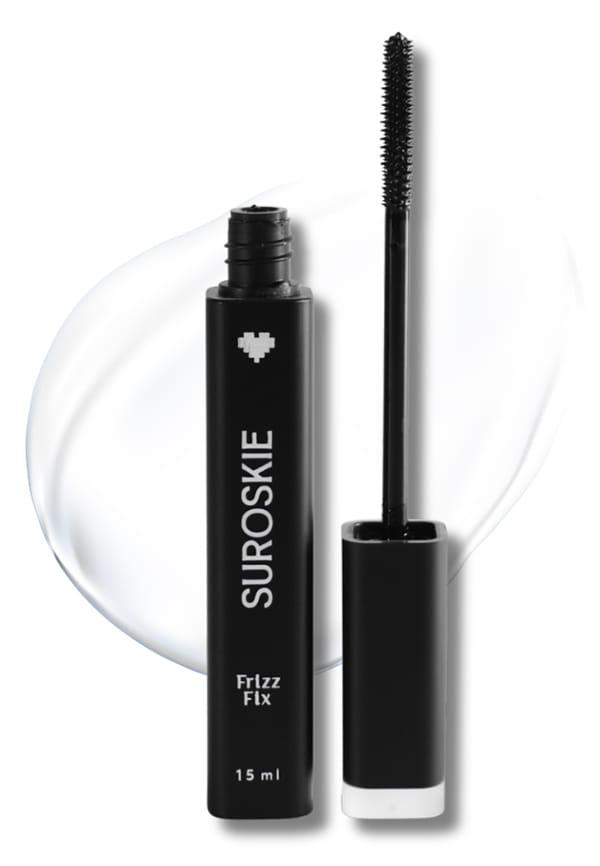
Anti Frizz Hair Stick
Sometimes you need to tame unruly hair fast. These quick frizzy hair solutions can save the day when you're running late or dealing with unexpected humidity.
Keep a small bottle of diluted aloe vera gel in your bag. Mix pure aloe gel with water in a 1:3 ratio and spritz it on frizzy areas. Gently scrunch and let it air dry for instant smoothness without stiffness.
The cold water splash technique works wonders for emergency touch-ups. Wet your hands with cold water and gently smooth them over frizzy areas. The cold water helps seal the cuticles temporarily.
If you have any natural oil with you, warm a tiny amount between your palms and gently press it over the frizzy sections. Don't rub — just press and smooth. This creates an instant moisture barrier.
Never use a brush on dry, frizzy hair. Instead, use your fingers to gently separate and smooth sections. Work from the bottom up to avoid creating more tangles.
Managing frizzy hair in humid weather requires a strategic approach. You can't control the weather, but you can build your hair's resistance to it.
Focus on building moisture barriers in your hair through regular deep conditioning and protective styling. When your hair is properly hydrated from within, it's less likely to absorb moisture from the environment that causes frizz.
Adjust your routine seasonally. In humid months, you might need lighter products and more frequent trims to remove damaged ends. In dry months, amp up the moisture with heavier oils and longer conditioning treatments.
Heat styling alternatives become crucial for long-term frizz prevention. Try braiding damp hair for natural waves, or use foam rollers instead of hot tools. When you do use heat, always use a heat protectant — even a light oil can provide some protection.
Get trims every 6-8 weeks to prevent split ends from travelling up the hair shaft. Damaged ends are frizz magnets and can make your whole head look unruly.
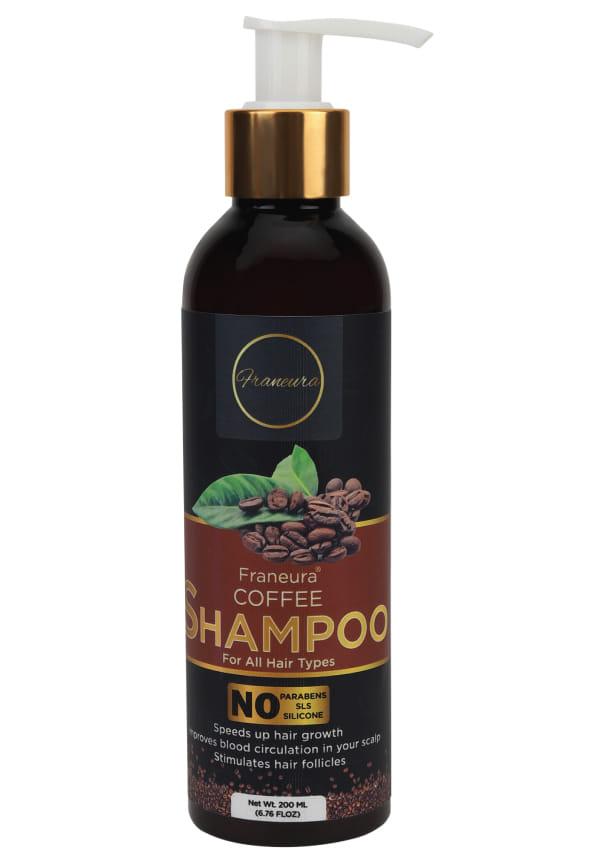
Daily Use Natural Coffee Shampoo - Revitalize and Strengthen Hair
Wavy hair needs special care because its natural texture makes it more prone to frizz. Focus on enhancing your natural wave pattern rather than fighting it. Apply leave-in conditioner to soaking wet hair, then scrunch gently with a microfiber towel or cotton t-shirt. Avoid touching your hair whilst it dries — this is crucial for wavy hair. Use the "plopping" method: wrap your hair in a t-shirt for 10-15 minutes to absorb excess water without disturbing your wave pattern. Natural gels like flaxseed gel or aloe vera can provide hold without the crunch.
Whilst you can't permanently change your hair's natural texture, you can significantly improve its condition and manageability. Consistent care with natural methods can repair damage and strengthen your hair's structure over time. The key is patience and consistency — natural remedies work gradually but provide lasting results. Focus on repairing existing damage whilst preventing new damage through gentle handling and regular moisture treatments. Most people see noticeable improvements within 4-6 weeks of consistent natural care.
Chronic dryness and frizz usually indicate damaged cuticles or underlying moisture issues. Common causes include over-washing, using harsh products, heat damage, chemical processing, or simply having naturally porous hair. Environmental factors like hard water, pollution, and UV exposure can also contribute. Start by eliminating potential damage sources: reduce washing frequency, switch to gentler products, and protect your hair from heat and sun. Increase your deep conditioning frequency and consider whether your diet includes enough healthy fats and water.
For immediate results, try the cold water method: wet your hands with cold water and smooth them over frizzy sections, then gently scrunch. A tiny amount of natural oil (like argan or jojoba) warmed between your palms and pressed onto frizzy areas can provide instant smoothness. Aloe vera gel mixed with water in a spray bottle offers quick frizz control without weighing hair down. These methods work in under two minutes and can get you through until you can do a proper treatment.
The frequency depends on your hair's condition and type. For severely damaged or very dry hair, start with twice weekly treatments for the first month, then reduce to once weekly for maintenance. Normal to slightly dry hair benefits from weekly treatments. Fine hair might only need bi-weekly masks to avoid weighing it down. Pay attention to how your hair responds — if it starts feeling heavy or greasy, reduce frequency. Protein-rich masks (like egg treatments) should be used less frequently than moisturising masks to avoid protein overload.
Natural remedies often work better in the long term because they address the root cause of frizz rather than just masking it temporarily. Commercial products might give faster initial results due to silicones and other synthetic ingredients, but these can build up over time and actually make frizz worse. Natural ingredients like oils and plant-based treatments penetrate the hair shaft and provide lasting moisture and repair. The trade-off is that natural methods require more patience and consistency, but the results are typically more sustainable and healthier for your hair overall.
Reducing hair frizz naturally isn't about finding one magic solution — it's about understanding your hair and giving it what it needs consistently. The most effective approach combines proper hydration, gentle handling, and protective techniques that work with your hair's natural structure rather than against it.
Remember that natural methods take time to show their full benefits, but the results are worth the patience. Your hair will become stronger, healthier, and more manageable with consistent care. Start with the basics: gentle washing, proper drying techniques, and regular moisture treatments. Build from there based on what your hair responds to best.
The beauty of natural frizz control is that you're not just temporarily smoothing your hair — you're actually improving its health and resilience. With the right approach, you can transform even the most unruly hair into smooth, manageable locks that look good in any weather. If you're looking to explore different natural haircare options, Smytten offers trial-size versions of many gentle, natural hair products — a good way to test what works for your specific hair type before committing to full-size bottles.
