Reduce Hair Fall in Rain: Your FAQ Guide

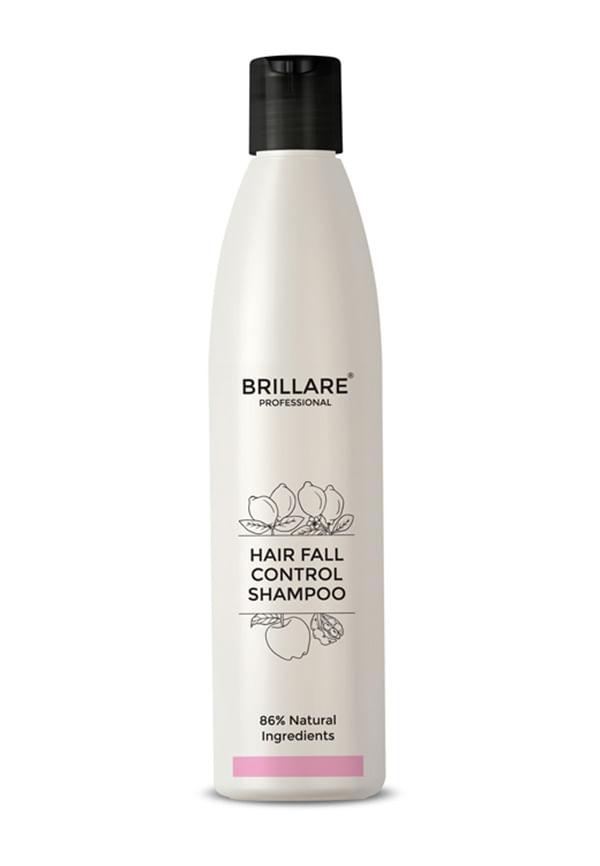
Shampoo To Reduce Seasonal Hair Fall
Helps in Hairfall Control
 5
5“it actually helps in controlling hairfall”
Brillare products are very good
4“brillare all products are very good.i like it”
Nice Product, Must Try
5“nice product everyone must try once”
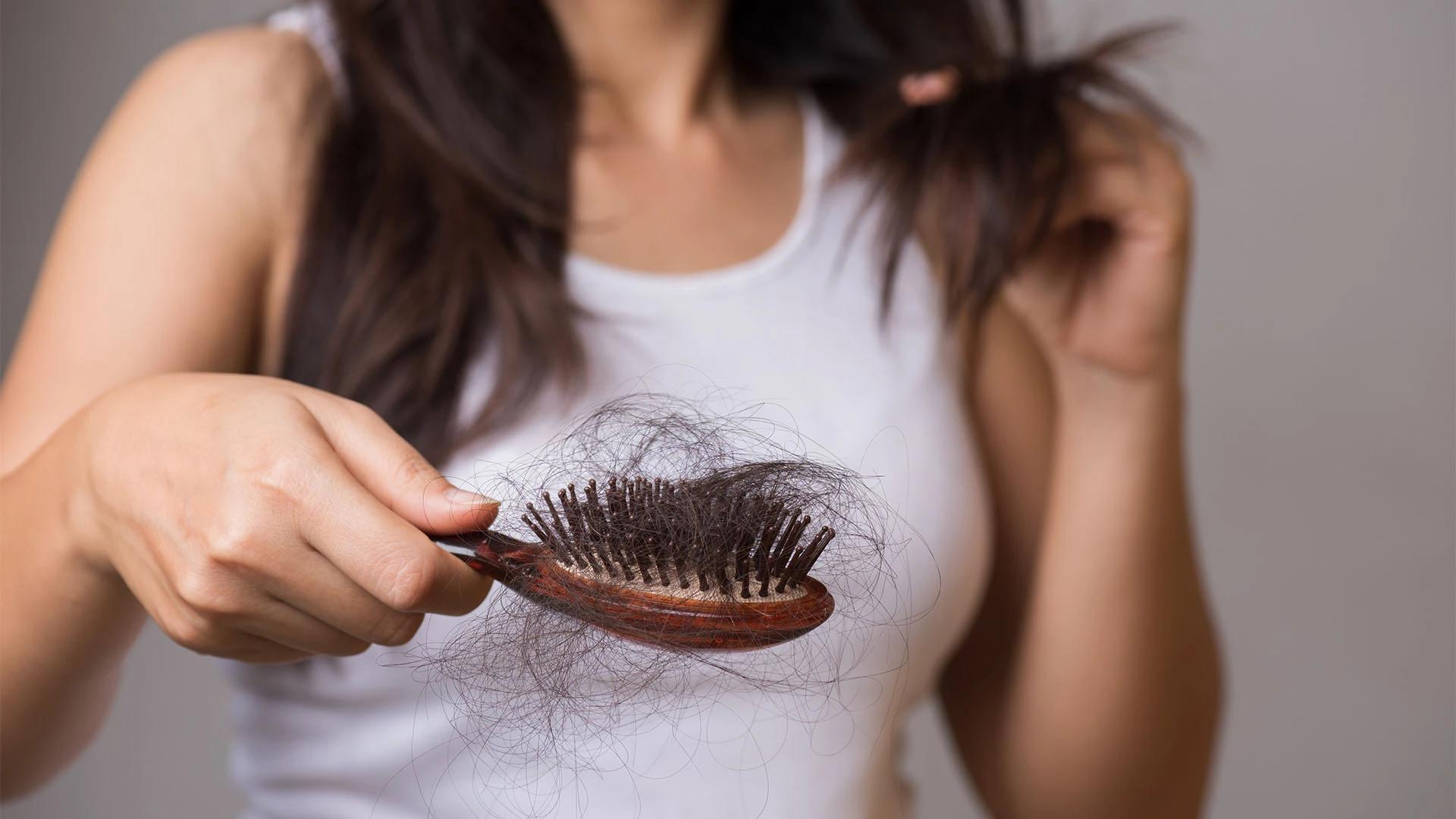
Picture this: you step out feeling like your hair's finally cooperating, and then the rain hits. Within minutes, you're dealing with limp strands, frizz that seems to multiply, and by evening, you're finding way more hair in your brush than usual. If this sounds familiar, you're not alone. Monsoon hair fall is real, and it's frustrating. But here's the thing—understanding why it happens and having the right game plan can make all the difference. Let's dive into everything you need to know about keeping your hair strong and healthy when the weather's working against you.
Real talk: your hair doesn't just randomly decide to abandon ship when it rains. There's actual science behind why seasonal hair fall becomes such a thing during monsoons. The combination of humidity, pollution, and changing weather patterns creates the perfect storm for hair troubles.
When humidity levels spike, your hair cuticles swell and become more porous. This makes each strand weaker and more prone to breakage. Add to that the fact that rainwater often carries pollutants and sometimes even traces of acid from urban environments, and you've got a recipe for damaged hair follicles. While losing 50-100 hairs daily is completely normal, many people notice they're shedding closer to 150-200 strands during monsoon season.
The humid air doesn't just affect your hair's texture—it also makes your scalp produce more oil. This excess sebum, combined with dirt and pollution that gets trapped when you're caught in the rain, creates buildup that can clog hair follicles. When your hair gets wet repeatedly and doesn't dry properly, the constant moisture weakens the hair shaft. Plus, seasonal changes often mess with our nutrition and sleep patterns, which directly impacts hair health.
Sometimes you need quick fixes that work right now. Whether you're dealing with unexpected downpours or trying to minimise damage after getting caught in the rain, these strategies can help you take control immediately.
Before stepping out during monsoon season, try protective hairstyles like loose braids or low buns that keep your hair contained without pulling too tightly. A lightweight leave-in conditioner or hair serum can create a barrier against moisture and pollution. And yes, carrying an umbrella or wearing a scarf isn't just about staying dry—it's about protecting your hair from direct contact with rainwater that might contain pollutants.
Got caught in the rain? Don't panic. As soon as you get home, rinse your hair with lukewarm water to remove any pollutants or excess moisture. Skip the rough towel rubbing—instead, gently squeeze out water with a microfiber towel or even a cotton t-shirt. If you need to dry your hair quickly, use the cool setting on your blow dryer and keep it moving to avoid heat damage.
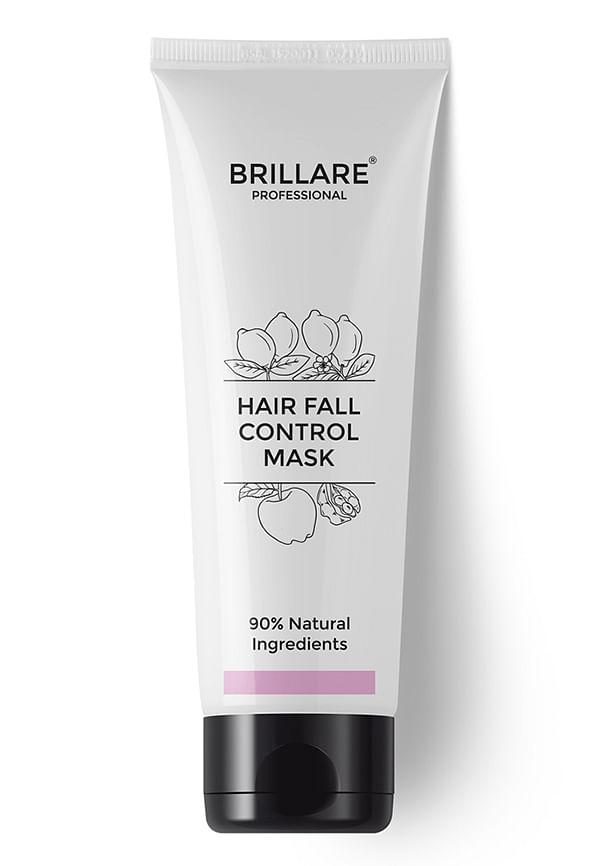
Conditioner To Reduce Seasonal Hair Fall
Good Hair Mask
5“over all good hair mask , must buy”
Great smell and conditioning
5“smells soo good and good conditioner”
Nourishing and repairs split ends
5“it's get nourishing and remove split end”
Building a solid routine during rainy season isn't about completely overhauling your hair care—it's about making smart adjustments that address the specific challenges humidity and moisture bring. Your hair needs different care when the weather's constantly changing.
During monsoons, washing your hair 2-3 times per week usually hits the sweet spot. Too frequent washing strips natural oils, but not washing enough lets buildup accumulate. Use lukewarm water instead of hot—it's gentler on your scalp and won't further dry out your hair. Focus on massaging your scalp gently with your fingertips to remove dirt and excess oil without being too aggressive.
This is when your hair needs extra support. Deep conditioning once a week helps restore moisture and strength to hair that's been battling humidity. If your hair feels particularly weak or brittle, protein treatments can help rebuild the hair structure. Look for ingredients like keratin, biotin, or even simple egg masks that provide the building blocks your hair needs to stay strong.
Sometimes the best hair fall treatment comes from your kitchen or simple, natural ingredients. These remedies have been used for generations, and there's good reason they've stood the test of time—they work, and they're gentle on your hair and scalp.
Warm coconut oil massaged into your scalp improves blood circulation and provides deep nourishment. The key is warming it just enough to make it comfortable—not hot enough to burn. Massage it in for 5-10 minutes, then leave it on for at least 30 minutes before washing. You can also mix in a few drops of rosemary or peppermint essential oil, which studies suggest may help stimulate natural hair growth.
Aloe vera gel isn't just for sunburns—it's brilliant for soothing an irritated scalp and providing moisture without weighing hair down. Fresh onion juice might smell strong, but it contains sulfur compounds that can help strengthen hair follicles. Apply it to your scalp, leave for 15-20 minutes, then wash thoroughly. Egg masks provide protein that helps repair damaged hair—just make sure to rinse with cool water so the egg doesn't cook in your hair.
While natural remedies work well for many people, sometimes you need to know when it's time to seek professional help. Understanding the difference between normal seasonal hair fall and something that needs medical attention can save you a lot of worry—and potentially your hair.
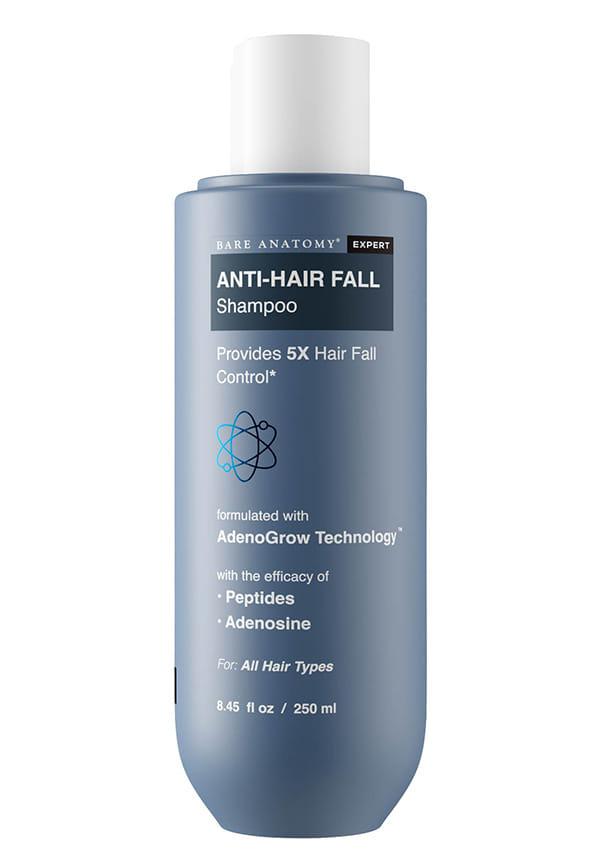
Anti-Hair Fall Shampoo | Provides 5X Hair Fall Control
Good Product for the Price
5“good product with this price 🙂”
Good Product for the Price
5“good product with this price 🙂”
Good Product for the Price
5“good product with this price 🙂”
If you're losing more than 200 hairs daily for several weeks, or if you notice bald patches or significant thinning, it's worth consulting a dermatologist. These could be signs of telogen effluvium or other conditions that need proper medical treatment. Don't wait if you're also experiencing scalp pain, excessive itching, or any unusual changes in your scalp's appearance.
Natural remedies work well for mild to moderate hair fall and are great for prevention. They're cost-effective and have minimal side effects. Professional treatments like minoxidil or prescription medications are more effective for severe hair loss but come with higher costs and potential side effects. The best approach often combines both—using natural methods for daily care and professional treatments when needed.
Real hair health isn't just about what you put on your hair—it's about supporting your body's ability to grow strong, healthy hair from the inside out. This means looking at your overall lifestyle and making changes that benefit not just your hair, but your general wellbeing too.
Your hair needs specific nutrients to grow strong: iron, zinc, biotin, vitamin D, and protein are all crucial. During monsoon season, make sure you're getting enough of these through your diet or supplements. Stay hydrated—dehydration affects hair just like it affects your skin. Consider adding foods rich in omega-3 fatty acids, like walnuts or fish, which help keep hair shiny and strong.
Poor sleep directly impacts hair growth cycles, so aim for 7-8 hours of quality sleep. Stress is a major contributor to hair fall, so find healthy ways to manage it—whether that's exercise, meditation, or just taking time for hobbies you enjoy. Regular exercise improves blood circulation to your scalp, which helps deliver nutrients to hair follicles.
Start with gentle, regular cleansing using lukewarm water, followed by a weekly oil massage with coconut or olive oil. Keep your hair protected from direct rainwater, eat a balanced diet rich in proteins and vitamins, and avoid tight hairstyles that pull on your roots. Consistency with these natural methods typically shows results within 4-6 weeks.
Yes, some increase in hair fall during monsoons is completely normal due to humidity, seasonal changes, and environmental factors. However, if you're losing significantly more than 100-150 hairs daily or notice bald patches, it's worth consulting a professional to rule out underlying issues.
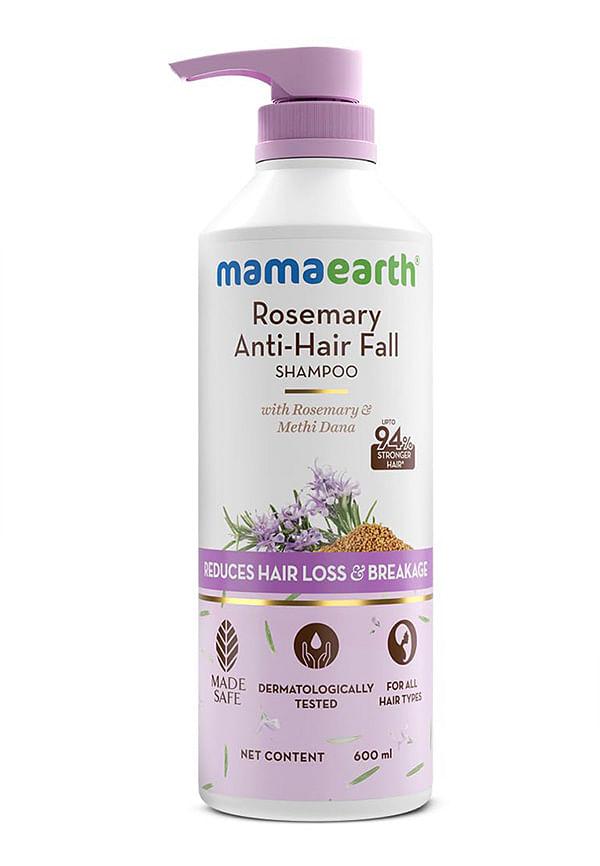
Rosemary Anti-Hair Fall Shampoo with Rosemary & Methi Dana for Reducing Hair Loss & Breakage
Transition gradually by reducing wash frequency as humidity drops, switch to more moisturising products, and continue with regular oil treatments. Winter air is drier, so focus on keeping your hair and scalp hydrated. Don't forget to protect your hair from cold winds with scarves or hats.
Increased stress levels, poor sleep patterns, frequent heat styling, chemical treatments, and dietary changes all contribute to hair issues in younger people. Environmental pollution and lifestyle factors like excessive screen time (which can affect sleep and stress levels) also play a role.
Use natural protective barriers like coconut oil or aloe vera gel before going out. Opt for physical protection with umbrellas or scarves, choose gentle, sulfate-free shampoos, and rely on natural conditioning treatments like yogurt or egg masks instead of chemical-heavy products.
Normal shedding involves 50-100 hairs daily that come out gradually throughout the day. Concerning hair fall involves losing clumps of hair, seeing significantly more hair in your brush or shower drain, or noticing visible thinning or bald spots. If you're unsure, collect the hair you lose in one day—if it's more than what fits in your palm, consider seeking advice.
Absolutely. Hair follicles are among the most active cells in your body and need proper nutrition to function well. Increasing protein intake, ensuring adequate iron and vitamin D levels, and staying well-hydrated can significantly improve hair strength and reduce seasonal hair fall within a few months.
Dealing with monsoon hair fall doesn't have to be a losing battle. The key is understanding that your hair needs different care during rainy season and being proactive about protection and treatment. Whether you're trying natural remedies, adjusting your routine, or seeking professional help, consistency is what makes the difference.
Remember, healthy hair starts from within—good nutrition, adequate sleep, and stress management are just as important as the products you use. Most people see improvement within 6-8 weeks of following a consistent hair care routine that addresses their specific concerns.
If you're looking to try new hair care products without committing to full sizes, Smytten offers trial-size versions of many hair strengthening and growth products from trusted brands. It's a practical way to find what works for your hair type before investing in larger bottles, especially when you're dealing with seasonal changes that might require different approaches.
