Reasons for Hair Fall FAQ: All Your Questions Answered

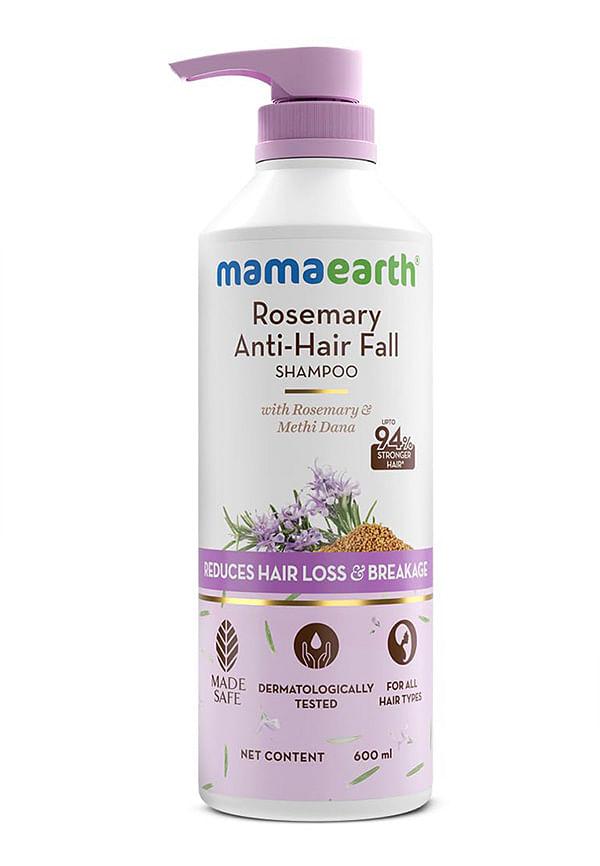
Rosemary Anti-Hair Fall Shampoo with Rosemary & Methi Dana for Reducing Hair Loss & Breakage
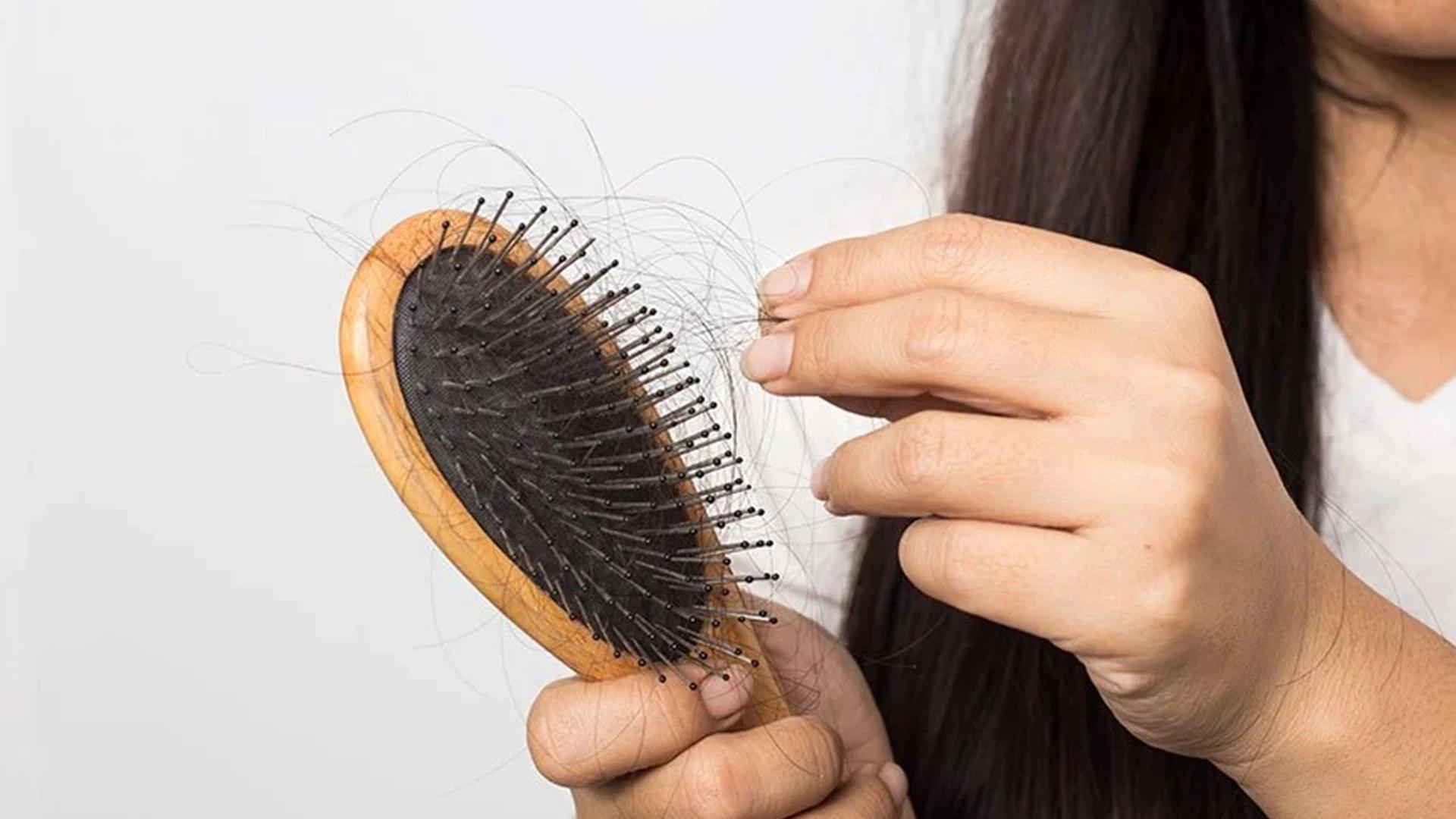
You know that sinking feeling when you run your fingers through your hair and come away with way more strands than usual? Or when you notice your ponytail feeling thinner by the day? Hair fall can be genuinely stressful, especially when you're not sure what's causing it or how to make it stop. The good news is that understanding the reasons for hair fall is the first step towards getting your hair health back on track. Let's dive into everything you need to know about why hair falls out and what you can actually do about it.
Before we get into panic mode, let's talk about what's actually normal. Your hair naturally goes through a growth cycle, and some daily hair shedding is completely expected. Most people lose between 50 to 100 hairs every day without even noticing it. This happens because your hair follicles are constantly cycling through three phases: anagen (growth), catagen (transition), and telogen (resting). During the telogen phase, older hairs naturally shed to make room for new growth.
The problem starts when you're losing significantly more than this daily average. If you're finding clumps of hair on your pillow, in the shower drain, or scattered around your living space, that's when hair shedding becomes a concern. Some people experience what's called telogen effluvium, where they might lose 300 to 700 hairs daily. This level of hair fall definitely warrants attention and often indicates an underlying issue that needs addressing.
Pay attention to other signs too: if your parting looks wider, your ponytail feels noticeably thinner, or you can see more of your scalp than usual, these are indicators that you might be dealing with excessive hair loss rather than normal shedding. The key is recognising when your hair fall pattern changes from your personal normal.
When it comes to hair loss causes, there are several medical factors that can trigger excessive hair fall. Understanding these can help you identify whether you need professional help or if lifestyle changes might be enough to address the issue.
This is probably the most common reason for hair fall, affecting both men and women but in different patterns. In men, androgenetic alopecia typically shows up as a receding hairline or crown thinning. For women, it usually presents as overall thinning across the top of the head rather than complete baldness. The culprit here is dihydrotestosterone (DHT), a hormone that causes hair follicles to shrink over time, producing thinner and shorter hairs until they eventually stop growing altogether.
Hormones play a massive role in hair health, particularly for women. Conditions like PCOS can cause elevated androgen levels, leading to hair thinning similar to male-pattern baldness. Thyroid disorders, whether hyperthyroidism or hypothyroidism, can also disrupt the hair growth cycle. Pregnancy, childbirth, and menopause bring their own set of hormonal changes that can trigger temporary or permanent hair loss. If you've noticed hair fall coinciding with any major hormonal shifts in your life, this could be the connection you're looking for.
Several medical conditions can directly impact hair growth. Alopecia areata is an autoimmune condition where your immune system attacks hair follicles, causing patchy hair loss. Scalp infections like ringworm or conditions like psoriasis can also lead to hair fall in affected areas. Telogen effluvium, often triggered by illness, surgery, or severe stress, causes a large number of hair follicles to enter the resting phase simultaneously, leading to widespread thinning a few months later.
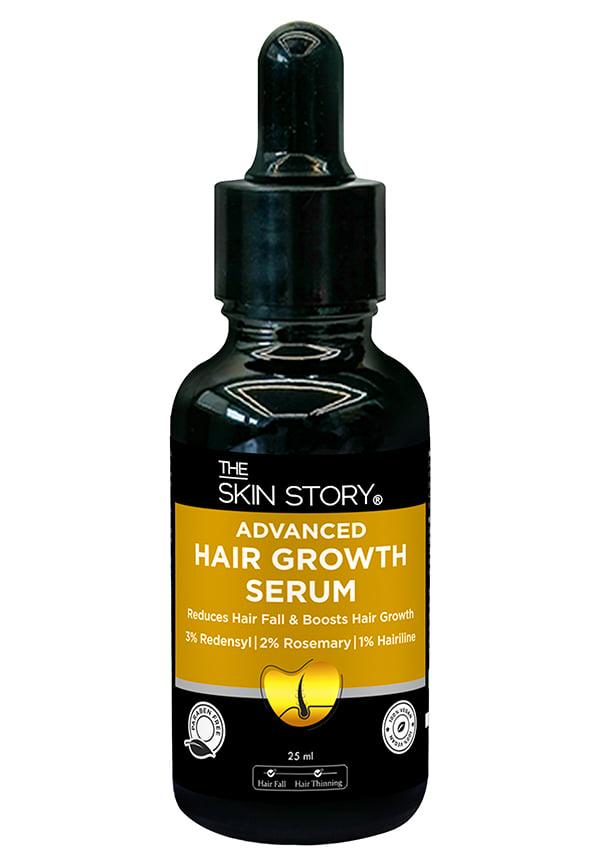
Hair Growth Serum With Redensyl For Hair Fall & Hair Thinning | Voluminous Hair & Reduced Hair Fall
Your hair is essentially a reflection of your overall health, and nutritional deficiencies can quickly show up as hair problems. If you're wondering which vitamin deficiency causes hair loss, there are several key nutrients your hair needs to stay healthy and strong.
Iron deficiency is one of the most common causes of hair thinning, especially in women. Your hair follicles need adequate iron to produce healthy hair, and when iron stores are low, your body prioritises more essential functions over hair growth. Vitamin D also plays a crucial role in hair follicle health and the creation of new follicles. Low vitamin D levels have been linked to alopecia and other forms of hair loss.
B-complex vitamins, particularly biotin, are essential for hair structure and strength. While biotin deficiency is relatively rare, ensuring adequate intake can support healthy hair growth. Vitamin C helps with iron absorption and collagen production, both important for hair health.
Zinc deficiency can cause hair to become brittle and fall out more easily. This mineral is crucial for hair tissue growth and repair. Protein is another non-negotiable for healthy hair since hair is primarily made of keratin, a protein. If you're not getting enough protein in your diet, your body might shut down hair production to conserve protein for more vital functions. Including foods rich in these nutrients can naturally support hair growth and reduce excessive shedding.
Sometimes the reasons for hair fall aren't medical at all but related to how we treat our hair and manage our daily stress levels. These factors are often easier to control once you know what to look for.
Both physical and emotional stress can trigger hair fall, though the timeline might surprise you. Stress-induced hair loss typically shows up 2-3 months after the stressful event, which can make it tricky to connect the dots. Physical stress from surgery, illness, or extreme weight loss can push hair follicles into the resting phase prematurely. Emotional stress from work, relationships, or major life changes can have the same effect. The good news is that stress-related hair loss is usually temporary and resolves once stress levels return to normal.
Traction alopecia occurs when hair is repeatedly pulled tight through hairstyles like tight ponytails, braids, or buns. Over time, this constant tension can damage hair follicles permanently. Heat damage from frequent use of blow dryers, straighteners, or curling irons can weaken hair shafts, leading to breakage that mimics hair fall. Chemical treatments like bleaching, perming, or frequent colouring can also compromise hair structure and scalp health, resulting in increased hair breakage and shedding.
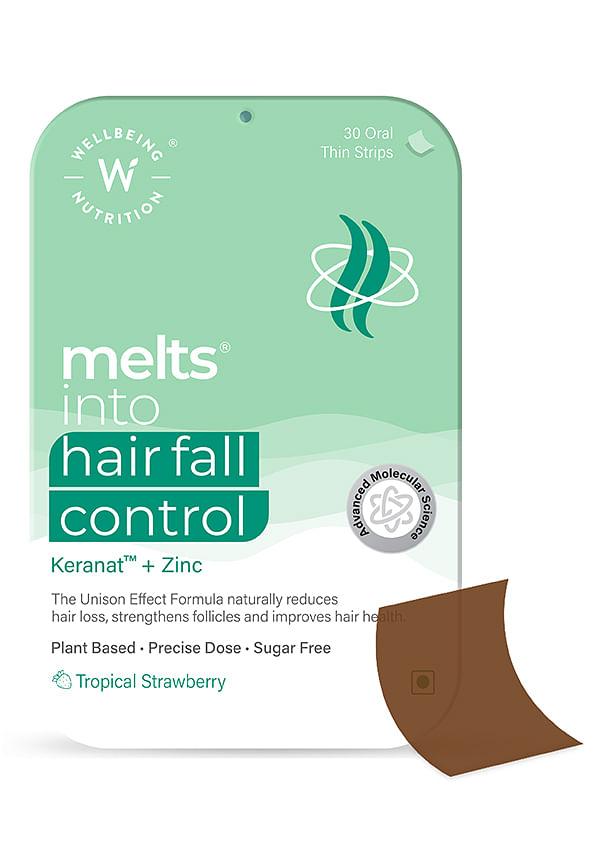
Melts Hair Fall Control Keranat & Zinc, Hair Loss Support to Improve Hair Anchoring (30 Oral Strips)
While there's no magic overnight solution, there are definitely steps you can take to prevent hair fall and support your scalp health. The key is consistency and patience, as hair growth cycles take time to respond to changes.
Start with gentle hair handling techniques. Use a wide-tooth comb on wet hair, avoid aggressive towel drying, and opt for loose hairstyles that don't pull on your scalp. Choose hair products that are sulphate-free and suited to your hair type. A daily scalp massage can improve blood circulation to hair follicles, potentially supporting healthy hair growth. Even just a few minutes of gentle massage while shampooing can make a difference.
If your hair fall persists despite lifestyle changes, it might be time to consult a dermatologist or trichologist. They can perform diagnostic tests like a pull test, blood work to check for nutritional deficiencies or hormonal imbalances, or even a scalp biopsy if needed. Professional hair fall treatment options range from topical medications to oral supplements, depending on the underlying cause. Early intervention often leads to better outcomes, so don't wait too long if you're concerned.
Building a solid haircare routine is fundamental to maintaining scalp health and supporting natural hair growth. The right approach depends on your hair type, but some principles apply to everyone looking to minimise hair fall and maximise hair health.
Wash your hair regularly but not excessively. Over-washing can strip natural oils and irritate your scalp, while under-washing can lead to buildup that clogs follicles. Most people benefit from washing 2-3 times per week, though this varies based on hair type and lifestyle. Always use lukewarm water rather than hot, as excessive heat can damage both hair and scalp.
Choose the right products for your specific needs. If you have a dry scalp, look for moisturising shampoos. For oily scalps, clarifying formulas work better. Always follow up with a conditioner, focusing on the mid-lengths and ends rather than the roots. Deep conditioning treatments once a week can provide extra nourishment for damaged or chemically treated hair.
Protect your hair from environmental damage by wearing a hat in strong sun, using heat protectant products before styling, and sleeping on silk or satin pillowcases to reduce friction. Regular trims every 6-8 weeks help prevent split ends from travelling up the hair shaft and causing more breakage.
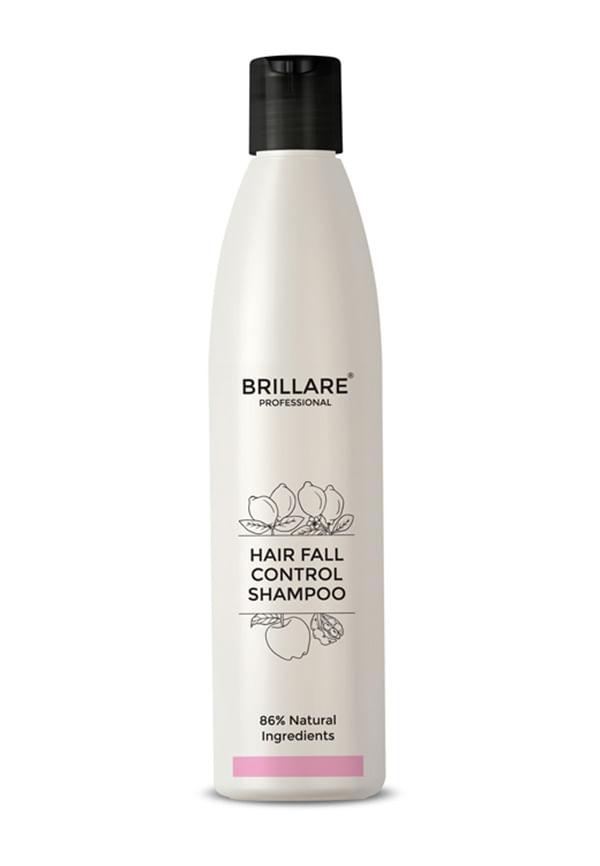
Shampoo To Reduce Seasonal Hair Fall
Helps in Hairfall Control
 5
5“it actually helps in controlling hairfall”
Brillare products are very good
4“brillare all products are very good.i like it”
Nice Product, Must Try
5“nice product everyone must try once”
To stop hair fall, start by identifying the underlying cause through proper assessment of your diet, stress levels, and hair care routine. Maintain a balanced diet rich in iron, vitamins, and protein. Use gentle hair care products and avoid tight hairstyles that pull on your scalp. Manage stress through exercise, meditation, or other relaxation techniques. If hair fall persists for more than a few months, consult a dermatologist to rule out medical causes and explore treatment options.
No, losing 700 hairs daily is definitely not normal and indicates a condition called telogen effluvium or another underlying issue. Normal daily hair shedding ranges from 50-100 hairs. Losing 700+ hairs suggests that a significant number of your hair follicles have entered the resting phase simultaneously, often due to stress, illness, hormonal changes, or nutritional deficiencies. This level of hair loss requires medical evaluation to determine the cause and appropriate treatment.
Foods that help control hair fall include iron-rich options like spinach, lean red meat, and lentils to prevent anaemia-related hair loss. Protein sources such as eggs, fish, chicken, and beans provide the building blocks for strong hair. Nuts and seeds offer zinc and healthy fats essential for scalp health. Fatty fish like salmon provide vitamin D and omega-3 fatty acids. Sweet potatoes, avocados, and eggs are excellent sources of biotin, while citrus fruits provide vitamin C to aid iron absorption.
Several vitamins work together to reduce hair fall. Vitamin D supports hair follicle health and the creation of new follicles. Iron prevents anaemia-related hair loss, which is particularly common in women. Biotin strengthens hair structure and reduces breakage. Vitamin C aids iron absorption and supports collagen production for healthy hair growth. B-complex vitamins, especially B12 and folate, support the overall hair growth cycle. A balanced approach with multiple vitamins typically works better than focusing on just one.
The main reasons for hair fall in women include hormonal changes during pregnancy, postpartum, menopause, or due to conditions like PCOS. Iron deficiency anaemia is particularly common in women and can cause significant hair thinning. Thyroid disorders, both hyperthyroidism and hypothyroidism, frequently affect women and can disrupt hair growth cycles. Stress, whether physical or emotional, can trigger telogen effluvium. Tight hairstyles and excessive heat styling can cause traction alopecia and breakage. Genetic predisposition to female-pattern hair loss also plays a role, though it typically presents differently than male-pattern baldness.
Dihydrotestosterone (DHT) is the primary hormone responsible for hair loss in females, just as it is in males. DHT causes hair follicles to shrink over time, producing progressively thinner and shorter hairs until they eventually stop growing. In women, fluctuations in oestrogen and progesterone during menopause, pregnancy, or due to conditions like PCOS can also trigger hair loss. When oestrogen levels drop, the protective effect against DHT diminishes, making hair follicles more susceptible to hormone-related damage. Thyroid hormones also play a role, with both overactive and underactive thyroid conditions potentially causing hair loss.
Understanding the reasons for hair fall is your first step towards healthier hair. Whether it's addressing nutritional deficiencies, managing stress, updating your haircare routine, or seeking professional help for underlying medical conditions, there are always options available. Remember that hair growth takes time, so be patient with whatever approach you choose.
The most important thing is not to ignore persistent hair fall. While some shedding is normal, significant changes in your hair density or shedding patterns deserve attention. Early intervention often leads to better outcomes, whether that's through lifestyle changes or professional treatment.
If you're looking to experiment with new haircare products to support your hair health journey, Smytten offers trial-size versions of many hair care products from trusted brands. This way, you can test what works for your specific hair type and concerns before committing to full-size purchases, making your path to healthier hair both affordable and risk-free.
