Reasons for Anti Frizz FAQ: Your Questions Answered

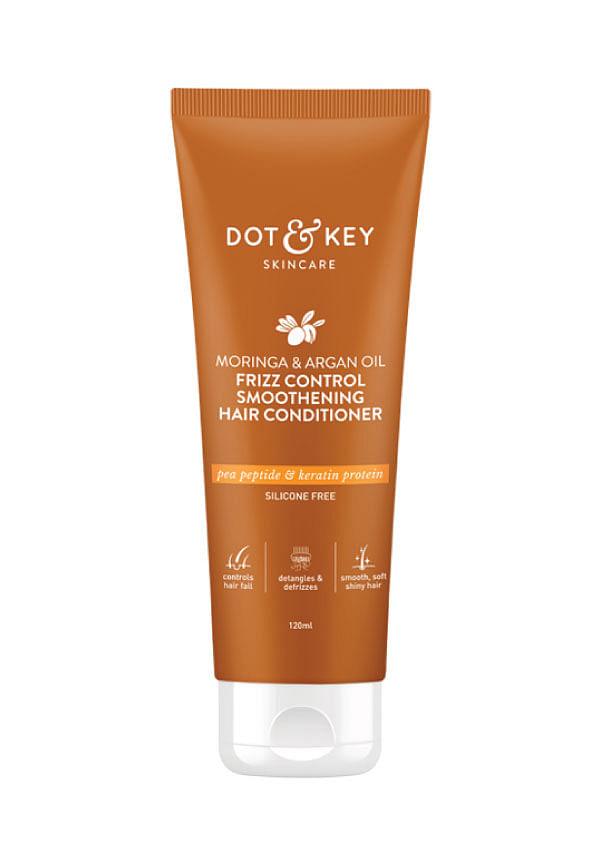
Moringa & Argan Frizz Control Smoothing Hair Conditioner
You know that moment when you catch your reflection and your hair looks like you've been wrestling with a hairdryer? We've all been there. One minute your hair's behaving perfectly, and the next it's doing its own thing with a mind of its own. Frizz doesn't discriminate—it shows up uninvited whether you've got straight, wavy, or curly hair. The good news? Understanding the reasons for anti frizz treatments can help you tackle this hair challenge head-on. Let's dive into the most common questions about frizz and discover what actually works.
Real talk—frizz happens when your hair's outer layer (the cuticle) gets damaged or lifted. Think of your hair cuticle like roof tiles. When they're lying flat, your hair looks smooth and shiny. When they're raised or damaged, moisture sneaks in and causes that familiar puffed-up, unruly texture we call frizz.
The science behind it is pretty straightforward. Your hair naturally seeks moisture balance. When the cuticle is compromised, it becomes like a sponge, absorbing moisture from the air and swelling up. This creates the rough, tangled appearance that makes styling feel impossible.
Your hair cuticle has multiple layers that protect the inner cortex. When these layers are damaged through heat styling, chemical treatments, or even aggressive brushing, they create tiny gaps. These gaps allow moisture to enter and exit unpredictably, leading to inconsistent hair texture and that dreaded frizzy appearance.
First up is genetics—some people are simply born with hair that's more prone to frizz due to its natural structure and porosity. Then there's environmental damage from sun exposure, pollution, and humidity. Finally, chemical and heat damage from colouring, perming, or excessive hot tool use can seriously compromise your hair's protective barrier.
If your hair feels rough to the touch, tangles easily, or looks dull despite regular washing and conditioning, it's probably time to introduce some frizz control into your routine. Severe frizz might require professional treatments, while mild frizz can often be managed with the right products and techniques.
Humidity is basically frizz's best friend, and here's why. When there's moisture in the air, porous or damaged hair acts like a magnet for that extra water. Your hair absorbs the atmospheric moisture, swells up, and breaks the hydrogen bonds that keep your style in place. The result? Instant frizz that seems to appear out of nowhere.
Different hair types react differently to humidity. Fine hair might become limp and lose volume, while thick or curly hair tends to expand and become unmanageable. Understanding your hair's specific reaction to humidity helps you choose the right protective strategies.
Porous hair has tiny holes in the cuticle that allow moisture to enter and exit freely. When humidity levels rise, this porous hair drinks up the atmospheric moisture, causing the hair shaft to swell and distort your carefully styled look.
Summer brings high humidity that can turn even the sleekest blowout into a frizzy mess within minutes. Winter's dry air might seem like a relief, but it can actually make hair brittle and more prone to static and flyaways—a different type of frizz altogether.
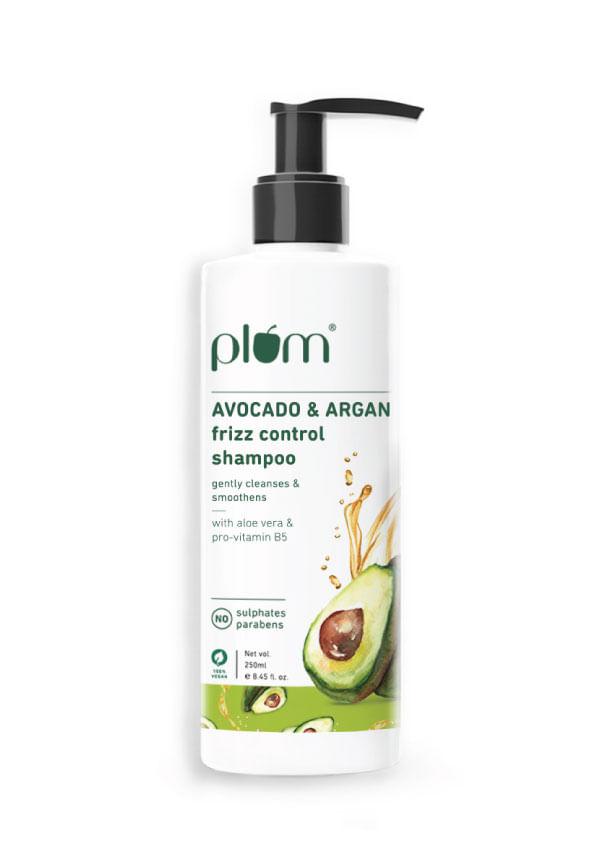
Avocado & Argan Frizz Control Shampoo For Curly, Wavy, Frizzy Hair
In high-humidity environments, focus on creating a barrier between your hair and the moisture in the air. Use anti-humidity serums, avoid touching your hair throughout the day, and consider protective styles that keep your hair contained. For dry climates, prioritise moisture-rich products that prevent your hair from seeking hydration elsewhere.
Dry hair frizz is like your hair's cry for help. When your hair lacks proper moisture, it becomes brittle, rough, and desperate for hydration. This desperation leads to that characteristic frizzy texture as your hair tries to grab moisture from wherever it can find it—including the air around you.
The tricky part about dry hair is that it can look and feel different from damaged hair, even though both can cause frizz. Dry hair typically feels rough and looks dull, while damaged hair might have visible split ends or breakage along with the frizz.
Some people naturally produce less sebum (natural oil) than others, leading to chronically dry hair. Over-washing can strip away these natural oils, while product buildup can prevent moisture from penetrating the hair shaft. As we age, our scalp's oil production also tends to decrease.
When hair lacks moisture, the cuticle becomes rough and lifted, creating that familiar frizzy texture. Dry hair also becomes more porous, meaning it absorbs and releases moisture unpredictably, leading to inconsistent texture and styling challenges.
Dry hair usually feels rough but doesn't necessarily break easily, while damaged hair might snap when stretched or show visible split ends. A simple test: wet a strand of your hair—if it absorbs water quickly, you've got porous, possibly damaged hair. If it repels water initially, your hair might just be dry and in need of moisture.
Let's get practical about managing frizzy hair. The key is understanding that frizz control isn't about completely eliminating texture—it's about working with your hair's natural tendencies while smoothing out the rough edges. Effective hair frizz solutions combine the right products with proper techniques and realistic expectations.
The most successful approach involves both immediate fixes for when frizz strikes and long-term strategies that address the root causes. Think of it like skincare—you need both a good daily routine and occasional targeted treatments to see real improvement.
When frizz hits mid-day, try dampening your hands slightly and gently smoothing over your hair, then applying a tiny amount of hair oil or serum to the most problematic areas. Avoid touching or manipulating your hair too much, as this can make frizz worse.
Consistent use of moisturising shampoos and conditioners, weekly deep conditioning treatments, and protective styling can gradually improve your hair's texture and manageability. Professional treatments like keratin smoothing or protein treatments might be worth considering for severely damaged or frizzy hair.
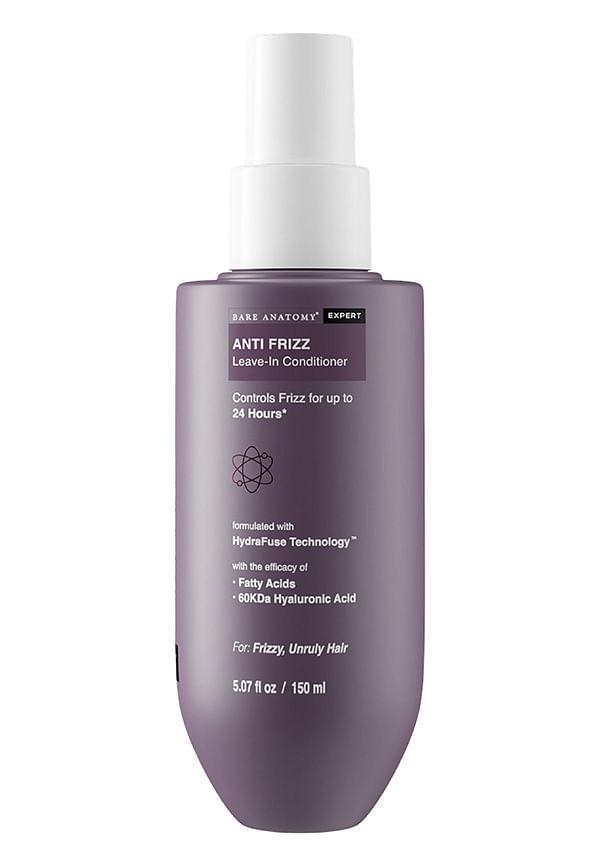
Expert Anti-Frizz Leave-In Conditioner For Smooth, Shiny & Great-Smelling Hair
Natural ingredients like coconut oil, argan oil, and shea butter can provide excellent moisture and frizz control for many hair types. However, chemically formulated anti frizz products often provide more consistent and longer-lasting results, especially for stubborn frizz.
Prevention really is better than cure when it comes to frizz. The goal is to maintain your hair's health and moisture balance so frizz doesn't have a chance to develop in the first place. This means being gentle with your hair, protecting it from damage, and giving it the nutrients it needs to stay smooth and manageable.
Building a solid haircare for frizzy hair routine doesn't have to be complicated. It's about consistency and choosing the right products for your specific hair type and concerns. Small daily habits can make a huge difference in your hair's overall texture and behaviour.
Start with a sulphate-free shampoo that won't strip your hair's natural oils. Follow with a moisturising conditioner, focusing on the mid-lengths and ends. When towel-drying, gently squeeze or pat your hair instead of rubbing vigorously, which can rough up the cuticle and create frizz.
Always use a heat protectant before styling, and keep your tools below 180°C when possible. Consider air-drying or using lower heat settings to minimise damage. When blow-drying, use a round brush to smooth the cuticle and direct airflow down the hair shaft.
Silk or satin pillowcases reduce friction that can cause frizz overnight. If you live in a particularly humid area, consider using a dehumidifier in your bedroom. When travelling, pack travel-sized anti-frizz products to maintain your routine.
The world of anti frizz products can feel overwhelming, but understanding the different types and their specific benefits helps you make smarter choices. Not every frizz-fighting product works the same way, and what works brilliantly for your friend might not be your hair's cup of tea.
The key is matching the product type to your specific frizz concerns and hair characteristics. Fine hair needs lightweight formulas that won't weigh it down, while thick, coarse hair can handle richer, more intensive treatments.
Serums and oils create a protective barrier on the hair shaft, while leave-in conditioners provide ongoing moisture throughout the day. Styling creams offer hold and frizz control simultaneously, making them perfect for those who want to style and smooth in one step.
Silicones like dimethicone create a smooth coating that repels humidity and adds shine. Natural oils such as argan and jojoba penetrate the hair shaft to provide deep moisture. Protein treatments can help rebuild damaged hair structure, reducing porosity and frizz.
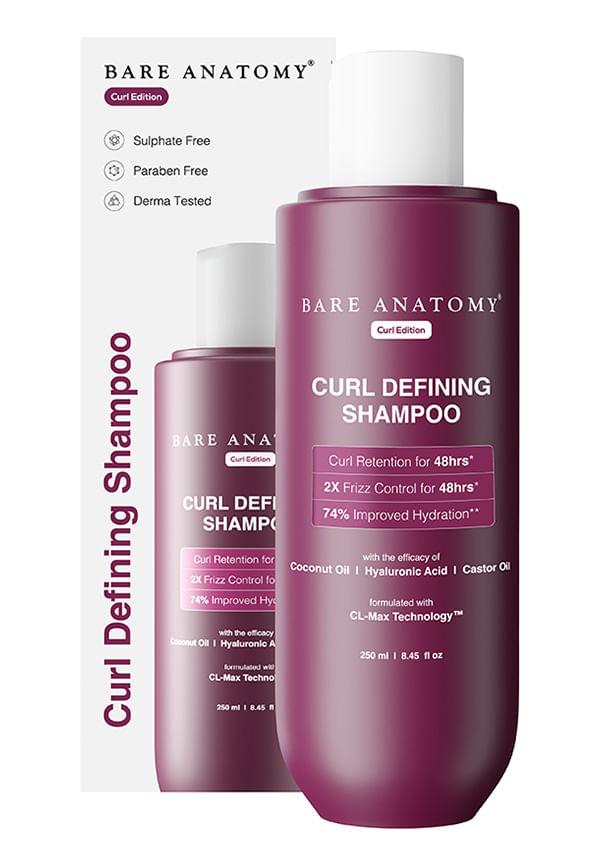
Curl Defining Shampoo | Curl Retention & 2X Frizz Protection For 48 Hours
Fine hair benefits from lightweight serums and volumising mousses that smooth without weighing hair down. Thick hair can handle heavier creams and oils that provide intense moisture and control. Curly hair often needs products that define curls while controlling frizz, such as curl creams or gels.
The most effective approach combines proper moisture balance with protective styling. Use a moisturising shampoo and conditioner suited to your hair type, apply a heat protectant before styling, and avoid over-washing which can strip natural oils. Sleep on silk pillowcases and avoid touching your hair throughout the day. Consistent use of frizz control tips like these typically shows results within 2-4 weeks.
Damaged or lifted hair cuticles are the primary culprit behind frizzy hair. This damage can result from heat styling, chemical treatments, environmental factors, or genetics. When the cuticle is compromised, hair becomes porous and absorbs moisture from the air, causing it to swell and appear frizzy. Understanding your specific frizzy hair causes helps you choose the most effective treatment approach.
Deficiencies in biotin (B7), vitamin D, and iron can contribute to hair texture problems including frizz. Biotin supports keratin production, which is essential for smooth hair structure. Vitamin D helps with hair follicle health, while iron deficiency can make hair weak and prone to damage. A balanced diet with adequate protein, healthy fats, and these key nutrients supports overall hair health and can help reduce frizz over time.
While you can't permanently change your hair's natural texture, you can significantly reduce frizz through consistent care and professional treatments. Keratin treatments can smooth hair for 3-6 months, while regular deep conditioning and proper styling techniques provide ongoing improvement. The key is managing frizzy hair rather than expecting to eliminate it completely—embrace your hair's natural texture while keeping it healthy and controlled.
Absolutely. Humidity and hair have a complicated relationship because damaged or porous hair absorbs moisture from humid air, causing the hair shaft to swell and break styling bonds. This is why your perfectly styled hair can turn frizzy within minutes of stepping outside on a humid day. Using anti-humidity products and protective styles can help create a barrier against moisture absorption.
Yes, dry hair frizz is incredibly common because dehydrated hair seeks moisture from any available source, including humid air. This makes the hair swell unevenly and appear frizzy. Regular deep conditioning treatments, leave-in conditioners, and hair oils can help restore moisture balance and reduce this type of frizz. The key is finding the right level of hydration for your specific hair type.
Understanding the reasons for anti frizz treatments empowers you to make better choices for your hair. Whether you're dealing with humidity-induced frizz, dryness, or damage-related texture issues, the right combination of products and techniques can make a real difference. Remember that managing frizzy hair is about working with your natural texture, not fighting against it.
The most effective smooth hair secrets aren't really secrets at all—they're consistent habits like using the right products for your hair type, protecting your hair from heat and environmental damage, and maintaining proper moisture balance. Small changes in your routine can lead to significant improvements in how your hair looks and feels.
If you're curious about trying new anti frizz products but hesitant to commit to full-size purchases, Smytten offers trial-size versions of many frizz-fighting products from trusted brands. This way, you can test what works for your specific hair concerns before investing in larger sizes—because finding your perfect frizz solution shouldn't involve guesswork.
