Rainy Season Hair Fall Effects FAQ: Understanding Monsoon Hair Problems

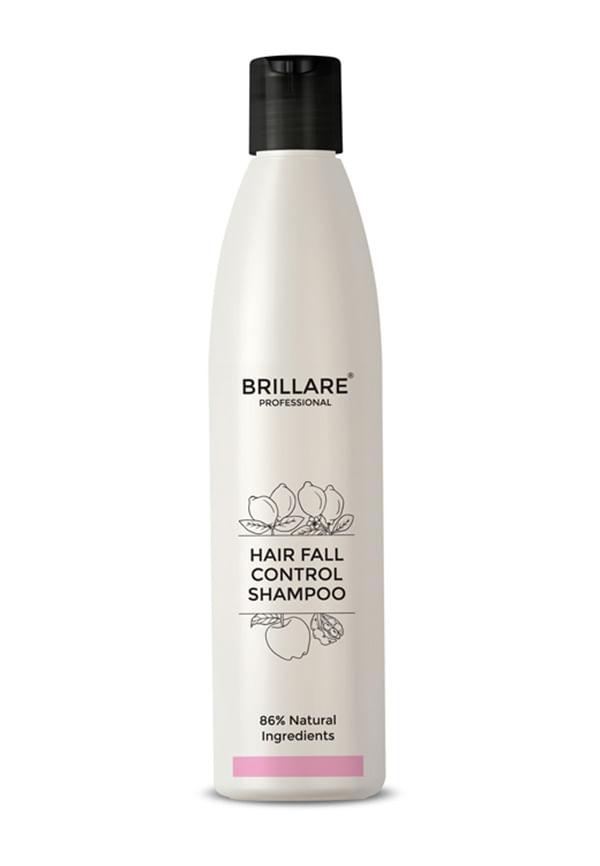
Shampoo To Reduce Seasonal Hair Fall
Ever noticed how your hairbrush seems to collect more strands during monsoon? You're not imagining it. That humid, sticky weather doesn't just make your clothes cling—it's also wreaking havoc on your hair. From sudden dandruff flare-ups to that greasy-yet-dry scalp situation that makes zero sense, rainy season hair fall effects are real and frustrating. Let's break down what's actually happening up there and how to keep your hair game strong when the weather's working against you.
Real talk—your hair follicles aren't built for this level of humidity chaos. When moisture levels spike to 70-90% during monsoon, your scalp goes into overdrive trying to balance things out. Think of it like your skin getting confused about whether it's dry or oily, except this confusion is happening right at your hair roots.
The science bit is actually quite straightforward. High humidity makes your scalp produce more oil to protect itself, but all that extra moisture in the air also creates the perfect breeding ground for bacteria and fungi. Your poor hair follicles are basically trying to function in a tropical greenhouse, and they're not having a good time.
When humidity levels shoot up, your hair shaft absorbs moisture from the air and swells. This constant swelling and shrinking weakens the protein structure of your hair, making it more prone to breakage. Meanwhile, your scalp's natural oil production goes haywire, creating an environment where your hair roots struggle to stay anchored.
Studies show that hair fall in monsoon increases by about 30% compared to drier months. Normal daily hair loss ranges from 50-100 strands, but during rainy season, you might notice 150+ strands coming away. The peak months in India—June through September—coincide perfectly with when humidity levels are at their highest.
Let's get into the nitty-gritty of what's actually going wrong with your hair during these soggy months. Spoiler alert: it's not just one thing—it's like your scalp is dealing with multiple issues at once.
Your sebaceous glands go into panic mode during humid weather, pumping out excess oil to protect your scalp. But here's the catch—too much oil clogs your hair follicles, creating a suffocating environment for your hair roots. This leads to hair thinning monsoon effects that can be quite noticeable, especially around your hairline and crown area.
That white, flaky situation on your shoulders isn't just embarrassing—it's actively contributing to your hair loss rainy season woes. The fungus Malassezia loves humid conditions and feeds on the excess oil your scalp is producing. As it multiplies, it causes inflammation that weakens hair follicles and accelerates hair fall.
Imagine your hair constantly expanding and contracting like a sponge—that's what happens when humidity levels keep fluctuating. This repetitive stress damages the hair's protein structure, leading to breakage that looks like hair fall but is actually your strands snapping mid-length.
Wet scalp conditions during monsoon create the perfect environment for bacterial growth. Folliculitis—inflammation of hair follicles—becomes more common, directly impacting your hair's ability to grow strong and healthy. If you're noticing tender, bumpy areas on your scalp along with increased hair fall, this might be the culprit.
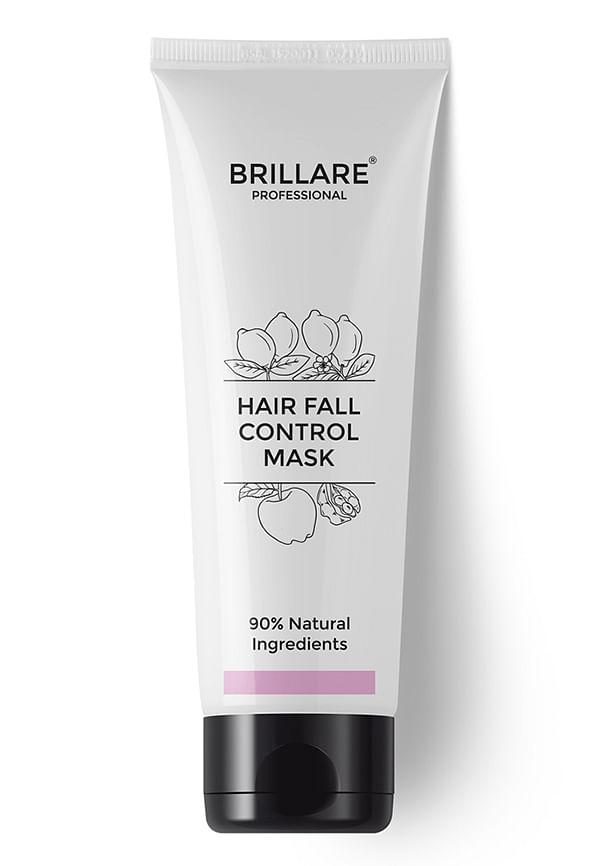
Conditioner To Reduce Seasonal Hair Fall
Short answer: yes, some increase in hair fall during monsoon is totally normal. Your hair growth cycle naturally fluctuates with seasons, and the environmental stress of high humidity does trigger more shedding. But there's a difference between normal seasonal adjustment and something that needs attention.
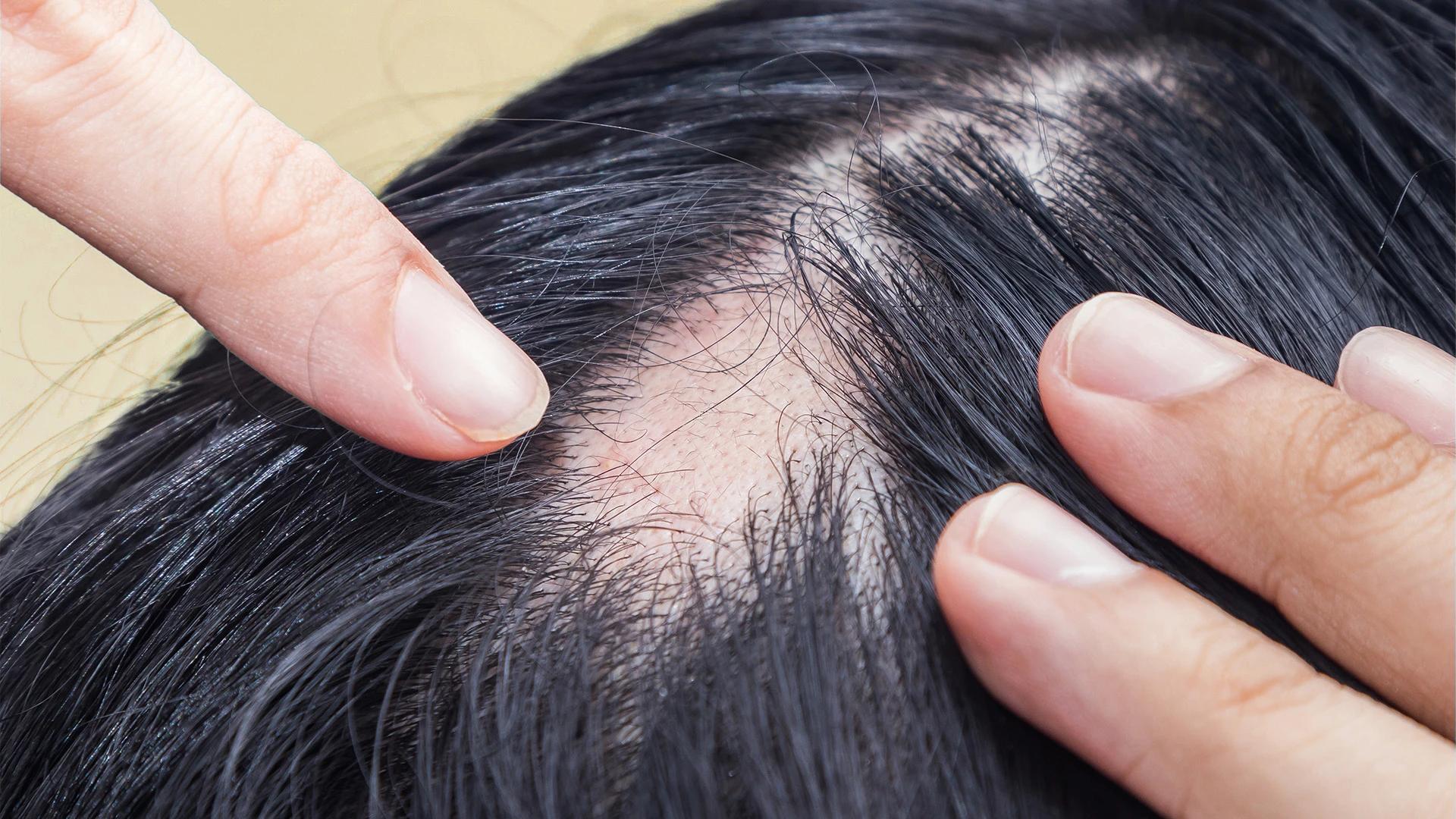
If you're losing more than 150 strands daily for several weeks, or if you notice bald patches, significant thinning, or scalp irritation, that's when normal becomes concerning. Temporary seasonal hair fall usually resolves itself once humidity levels drop, but persistent issues might indicate underlying problems that need addressing.
Normal seasonal hair fall feels gradual and affects your entire scalp evenly. Pathological hair loss tends to be more dramatic, localised, or accompanied by other symptoms like severe itching, burning, or visible scalp inflammation. Trust your instincts—if something feels off, it probably is.
Coastal areas with consistently high humidity tend to see more prolonged hair fall issues compared to inland regions where monsoon is more seasonal. Age and gender also play roles—women often experience more noticeable changes due to hormonal fluctuations, while men might see accelerated pattern baldness during humid months.
Now for the good stuff—what actually works to combat rainy season hair fall effects. The key is addressing both the immediate symptoms and the underlying causes. Think of it as damage control plus prevention.
Start with gentle, frequent cleansing—but not too frequent. Washing your hair 2-3 times a week with a mild, sulfate-free shampoo helps remove excess oil and prevents fungal buildup without stripping your scalp completely. Always follow up with a lightweight conditioner applied only to the lengths of your hair, never the roots.
Proper drying is crucial. Never go to bed with damp hair—it's like creating a petri dish for bacteria on your pillow. Use a microfibre towel to gently squeeze out excess water, then let your hair air dry as much as possible before using any heat styling tools.
Morning routine should focus on protection. Apply a lightweight, humidity-resistant serum to damp hair before styling. Evening routine is about cleansing and nourishment—this is when you want to do any oil treatments or deep conditioning masks.
Protective styling becomes your best friend during monsoon. Loose braids, low buns, and styles that keep hair off your neck and shoulders help minimise humidity exposure and reduce friction-related breakage.
Neem oil mixed with a carrier oil like coconut or jojoba makes an excellent antifungal treatment. Apply it to your scalp once a week, leave for 30 minutes, then shampoo out. Tea tree oil works similarly—just remember to dilute it properly to avoid scalp irritation.
Apple cider vinegar rinses help balance scalp pH and remove product buildup. Mix one part ACV with three parts water, pour over clean hair, massage gently, then rinse thoroughly. The smell disappears once your hair dries, promise.
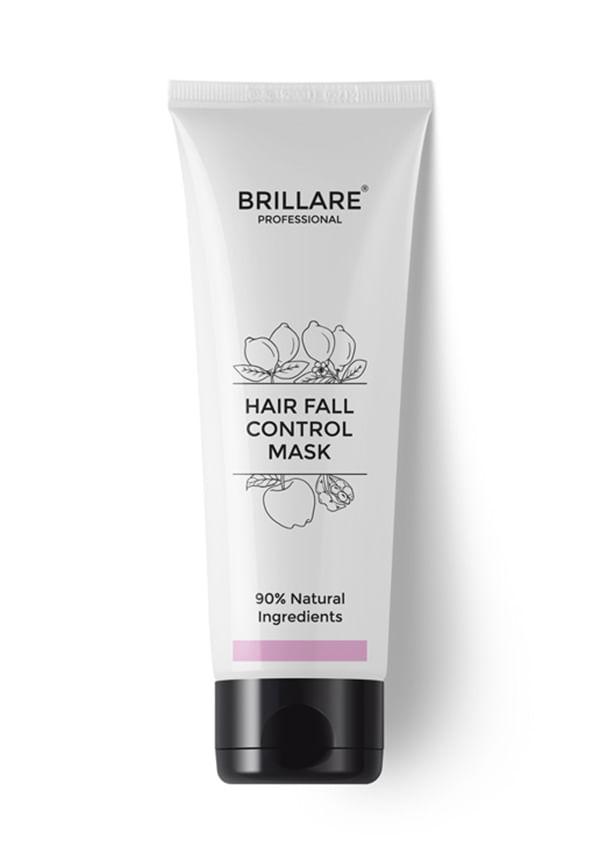
Hair Fall Control Mask To Reduce Seasonal Hair Fall
Sometimes DIY isn't enough, and that's completely okay. Knowing when to seek professional help can save you months of frustration and prevent long-term damage to your hair.
If you're experiencing sudden, severe hair loss (more than 200 strands daily), visible bald patches, or persistent scalp issues like burning, severe itching, or unusual odour, it's time for professional intervention. These symptoms often indicate conditions that need targeted treatment beyond basic haircare adjustments.
Look for shampoos containing ketoconazole or zinc pyrithione for antifungal action. Salicylic acid-based products help with scalp exfoliation and oil control. For conditioning, lightweight, protein-free formulas work best in humid conditions—heavy products just weigh your hair down and attract more moisture.
Leave-in treatments with ingredients like panthenol, niacinamide, or lightweight silicones can provide humidity protection without making your hair greasy. Scalp serums containing caffeine, peptides, or botanical extracts can help strengthen follicles and improve circulation.
The best defence against rainy season hair fall effects is preparation. Think of it like weatherproofing your hair before the storm hits.
Start strengthening treatments about a month before monsoon season begins. Protein treatments, deep conditioning masks, and scalp massages with nourishing oils help build resilience. Consider trimming split ends—damaged hair is more susceptible to humidity-related breakage.
Nutritional support matters too. Increase your intake of biotin, iron, and omega-3 fatty acids through diet or supplements. Well-nourished hair follicles cope better with environmental stress.
Building a humidity-resistant routine means finding products and techniques that work year-round, not just quick fixes for monsoon season. This might involve switching to different product formulations, adjusting your washing frequency, or incorporating regular scalp treatments into your routine.
Maintaining consistent sleep, stress management, and hydration levels also impacts how your hair responds to environmental changes. Your hair health reflects your overall health, so taking care of yourself holistically shows up in stronger, more resilient hair.
Yes, experiencing increased hair fall during monsoon is normal due to high humidity levels affecting scalp oil production and creating conditions for fungal growth. A 30% increase in daily hair fall is typical, but losing more than 150 strands daily for extended periods warrants attention.
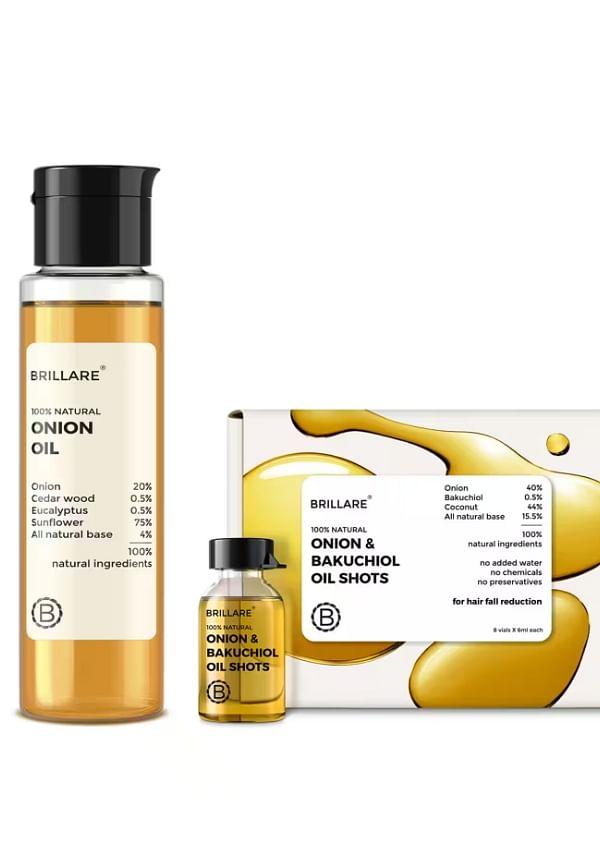
Hair & Scalp Treatment Duo for Dry, Frizzy & Hair Fall-Prone Hair
Use gentle, sulfate-free shampoos 2-3 times weekly, apply neem or tea tree oil treatments to combat fungal growth, maintain proper scalp hygiene, eat protein-rich foods, and avoid tight hairstyles that stress hair follicles during humid weather.
Monsoon season (June-September) typically sees the highest hair fall rates in India due to humidity levels reaching 70-90%. The combination of excess moisture, scalp infections, and oil imbalance creates peak conditions for hair loss.
Losing 200 hairs daily exceeds normal seasonal hair fall and indicates a problem requiring attention. Normal hair fall ranges from 50-100 strands daily, with monsoon increases typically reaching 120-150 strands maximum.
High humidity triggers overactive sebaceous glands, producing excess oil that clogs hair follicles. This creates an oxygen-poor environment around hair roots, weakening follicles and leading to increased hair fall and potential scalp infections.
Yes, dandruff significantly contributes to monsoon hair fall. The fungus Malassezia thrives in humid conditions, feeding on excess scalp oil and causing inflammation that weakens hair follicles and accelerates hair loss.
Seasonal hair fall typically resolves within 2-3 months after humidity levels drop. However, if proper care isn't maintained during monsoon, effects can persist longer or lead to chronic scalp issues requiring extended treatment.
Light oils like jojoba or argan oil can be beneficial when used sparingly, but heavy oils like coconut oil may worsen humidity-related problems by attracting more moisture and clogging follicles. Choose oils based on your scalp's current condition.
Understanding rainy season hair fall effects helps you tackle the problem strategically rather than panicking every time you see extra strands in your brush. The key is recognising that some increase in hair fall is normal during monsoon, but persistent or severe hair loss needs attention.
Focus on maintaining scalp health through gentle cleansing, antifungal treatments, and proper drying techniques. Protect your hair from humidity damage with lightweight products and protective styling. Most importantly, be patient—seasonal hair changes take time to resolve, but consistent care makes a real difference.
If you're looking to experiment with different hair care products to find what works best for your monsoon routine, Smytten offers trial-size versions of many popular haircare brands. It's a practical way to test products without committing to full bottles, especially when you're trying to figure out what your hair needs during these tricky humid months.
