Rainy Season Hair Fall Causes FAQ: Your Monsoon Hair Problems Answered

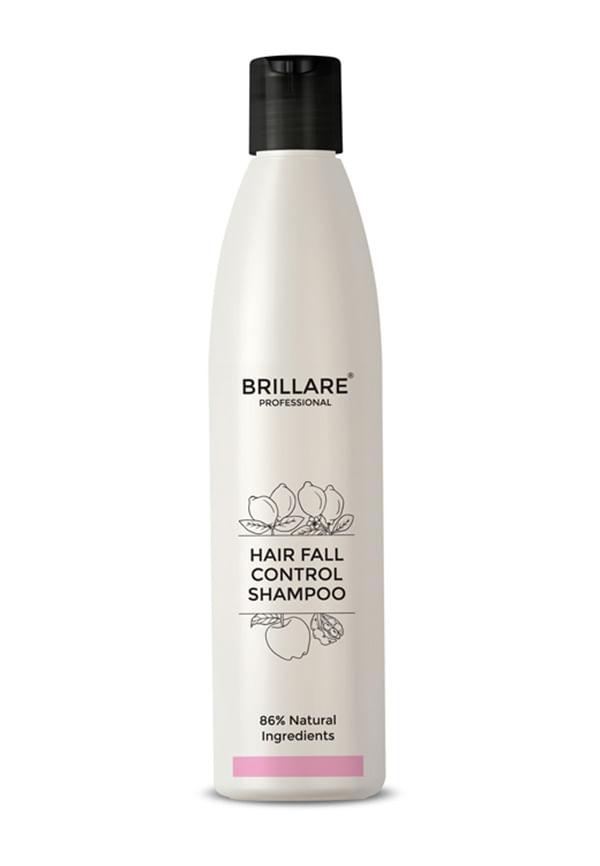
Shampoo To Reduce Seasonal Hair Fall
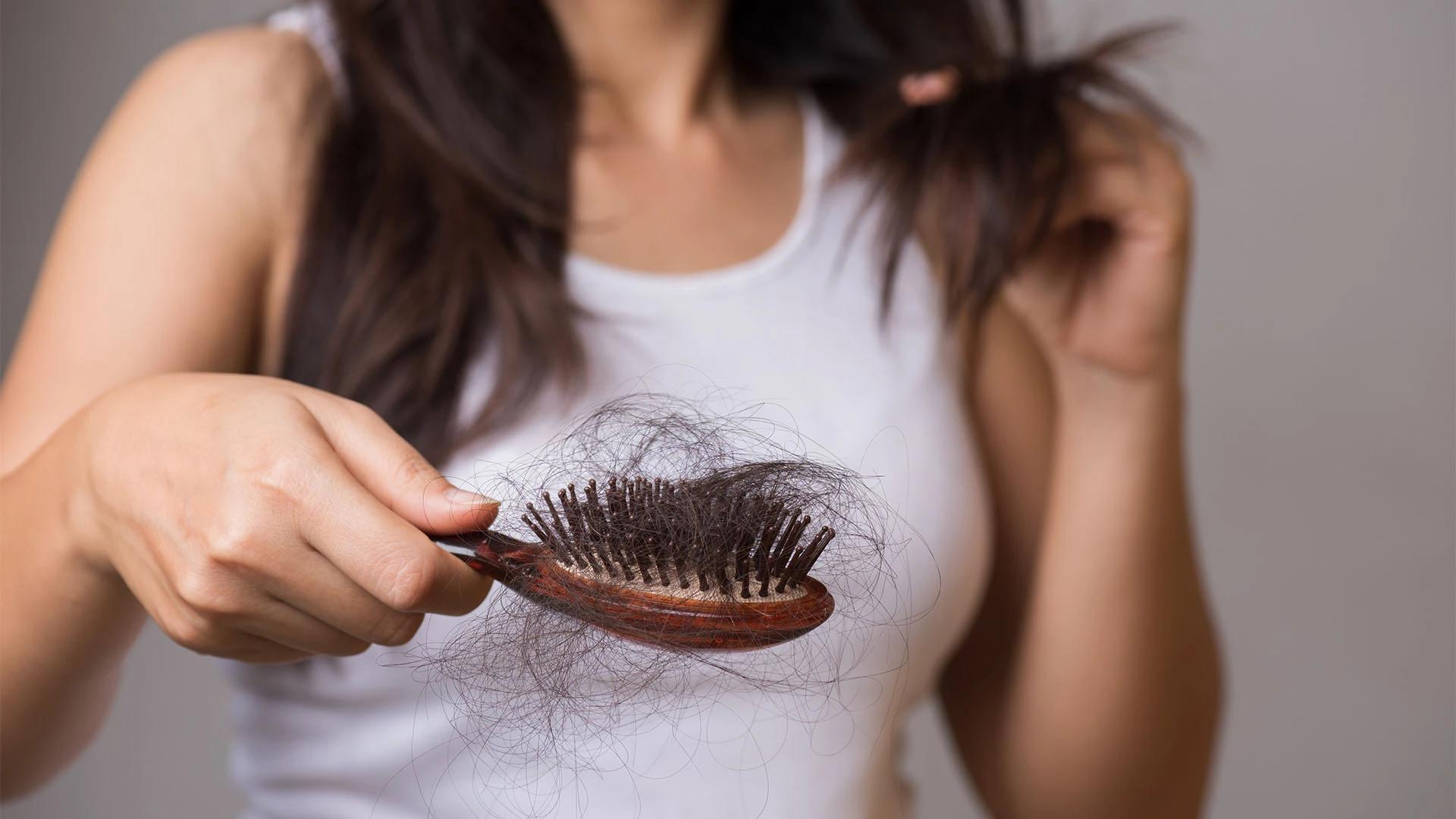
Picture this: you wake up after a particularly humid monsoon night, and your pillow looks like a crime scene of fallen hair strands. Your shower drain is clogged again, and you're starting to wonder if this rainy season is plotting against your hairline. If this sounds familiar, you're definitely not alone. Monsoon brings relief from the scorching heat, but it also brings a whole host of hair problems that can leave you feeling frustrated and worried about your locks.
Let's start with the question that's probably keeping you up at night: is losing more hair during the rainy season actually normal? The short answer is yes, but there's a bit more to it than that. Your hair naturally goes through cycles, and environmental changes can definitely influence these patterns.
During monsoon, it's completely normal to notice an increase in hair fall compared to other seasons. The average person loses about 50-100 strands daily, but during rainy season, this number can bump up to 150-200 strands without being cause for alarm. The key is understanding what crosses the line from normal seasonal shedding to something that needs attention.
Hair fall in monsoon typically peaks during the first few weeks of the season as your scalp adjusts to the sudden change in humidity and temperature. Your hair follicles are basically trying to adapt to a completely different environment, and some temporary shedding is part of that adjustment process. Think of it as your scalp's way of making room for healthier strands that are better suited to the humid conditions.
However, if you're losing clumps of hair or noticing bald patches, that's when seasonal hair fall crosses into territory worth discussing with a dermatologist. Hair thinning during rainy season should be gradual and relatively even across your scalp, not concentrated in specific areas.
Understanding the root causes of rainy season hair fall can help you tackle the problem more effectively. Here's what's really happening to your hair when the monsoons hit.
Humidity hair fall is probably the most common culprit during monsoon. When the air is saturated with moisture, your hair absorbs excess water, causing the hair shaft to swell and weaken. This makes your strands more prone to breakage and can disrupt the natural oil balance on your scalp.
That refreshing monsoon shower might feel amazing, but rainwater in urban areas often carries pollutants and chemicals that can damage your hair and scalp. These contaminants can build up over time, leading to scalp irritation and weakened hair follicles.
The warm, moist conditions during rainy season create the perfect breeding ground for fungi and bacteria on your scalp. These microorganisms can cause infections that directly contribute to hair loss and scalp problems.
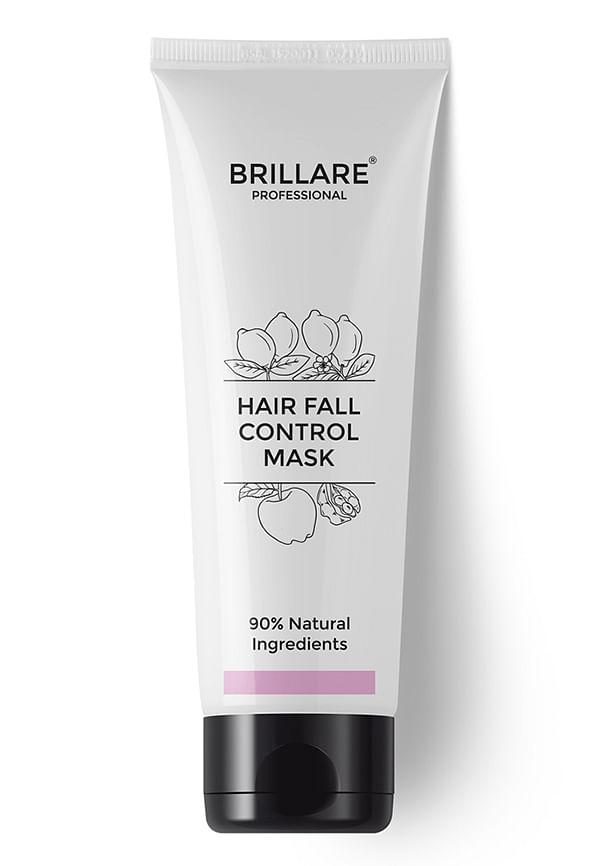
Conditioner To Reduce Seasonal Hair Fall
Your scalp tends to produce more sebum during humid weather, which can clog hair follicles and create an environment where hair fall thrives. This excess oil also attracts dirt and pollution, making the problem worse.
Even though it's cooler during monsoon, the humidity can make you sweat more than usual. Combined with increased dirt and pollution in the air, this creates a cocktail of grime that can suffocate your hair follicles.
Monsoon often brings changes in diet and lifestyle. Reduced sunlight can affect vitamin D synthesis, while changes in food habits might impact the nutrients your hair needs to stay healthy.
The seasonal shift can affect your mood and routine, potentially increasing stress levels. Chronic stress is a well-known contributor to hair loss, and seasonal changes can sometimes trigger this response.
If you've noticed white flakes appearing on your shoulders along with increased hair fall, you're dealing with a classic monsoon combo. Dandruff and hair fall often go hand in hand during rainy season, and understanding this connection is crucial for effective treatment.
The humid conditions during monsoon create an ideal environment for Malassezia, a yeast that naturally lives on your scalp but can overgrow when conditions are right. This overgrowth leads to dandruff, scalp irritation, and inflammation that can weaken hair follicles and contribute to hair breakage during monsoon.
Oily scalp hair fall is particularly common during this time. The excess sebum production combines with dead skin cells and environmental pollutants to create a thick, sticky layer on your scalp. This buildup can clog follicles and create an inflammatory environment that makes hair fall worse.
Seborrheic dermatitis, a more severe form of dandruff, can also flare up during monsoon. This condition causes red, scaly patches on the scalp and can lead to significant hair breakage if left untreated. The key is distinguishing between normal dandruff and signs of a more serious scalp infection that might need medical attention.
Living in India means dealing with diverse climatic conditions during monsoon, and each region brings its own set of hair challenges. Coastal areas like Mumbai and Chennai experience intense humidity that can make hair fall more severe, while cities like Delhi deal with polluted rainwater that adds another layer of complexity to monsoon hair problems.
In northern India, the sudden transition from dry heat to humid conditions can shock your scalp into increased shedding. The pollution levels in major cities also mean that rainwater carries more harmful chemicals that can damage your hair and scalp over time.
Southern and western coastal regions face prolonged exposure to high humidity, which can lead to persistent scalp issues throughout the monsoon season. The salt in the air near coastal areas can also contribute to hair dryness and breakage, creating a unique set of challenges.
Water quality during rainy season varies significantly across different regions. Some areas experience water contamination during heavy rains, which can affect the health of your scalp and hair when you wash or get caught in the rain.
Now that you understand what's causing your monsoon hair woes, let's talk about what you can actually do about it. Effective hair care during rainy season requires a slightly different approach than your regular routine.
Start by adjusting your washing frequency. While you might be tempted to wash your hair more often due to increased oiliness and humidity, over-washing can strip your scalp of natural oils and make the problem worse. Aim for washing every other day or every two days, depending on your hair type and how oily your scalp gets.
Choose a gentle, clarifying shampoo that can remove buildup without being too harsh. Look for ingredients like tea tree oil or salicylic acid that can help combat fungal growth and keep your scalp clean. Follow up with a lightweight conditioner that won't weigh your hair down in the humidity.
Scalp care becomes extra important during monsoon. Consider incorporating a weekly scalp treatment using ingredients like neem oil, which has antifungal properties, or apple cider vinegar, which can help balance your scalp's pH and reduce buildup.
Drying your hair properly is crucial during rainy season. Avoid going to bed with wet hair, as this creates the perfect environment for fungal growth. If you must air-dry, make sure your hair is at least 80% dry before hitting the pillow.
Yes, increased hair fall during monsoon is completely normal for most people. The sudden change in humidity, temperature, and environmental conditions can cause your hair to shed more than usual as it adjusts to the new season. However, if you're losing more than 200 strands daily or noticing bald patches, it's worth consulting a dermatologist.
Direct exposure to rain occasionally won't cause permanent hair loss, but frequent exposure to polluted rainwater can damage your hair and scalp over time. The bigger issue is the overall environmental changes during monsoon season that affect your scalp's health and hair growth cycle.
No, losing 700 hairs daily is definitely not normal and indicates a serious hair loss condition that needs medical attention. Normal hair fall ranges from 50-100 strands daily, with up to 150-200 being acceptable during seasonal transitions. If you're consistently losing this much hair, see a dermatologist immediately.
Absolutely. Monsoon season often brings reduced sunlight exposure, which can affect vitamin D levels. Changes in diet and lifestyle during rainy season can also impact your intake of essential nutrients like iron, zinc, and B vitamins that are crucial for healthy hair growth.
Hair fall patterns vary by region, but many people in India experience increased shedding during the transition from summer to monsoon and again from monsoon to winter. The sudden environmental changes during these periods can trigger temporary hair loss as your scalp adjusts to new conditions.
Natural remedies include regular scalp massage with oils like coconut or neem, using aloe vera gel to soothe scalp irritation, maintaining a balanced diet rich in proteins and vitamins, and keeping your scalp clean and dry. Avoid harsh chemical treatments during this sensitive time.
Monsoon-related hair fall usually begins 2-3 weeks after the season starts and can continue for 4-6 weeks as your scalp adjusts. Most people notice improvement by the end of the monsoon season, though it may take a few additional weeks for hair growth to normalise completely.
Dealing with rainy season hair fall causes can feel overwhelming, but remember that most monsoon-related hair issues are temporary and manageable with the right approach. The key is understanding that your hair needs extra care during this season, not panic.
Focus on maintaining a clean, healthy scalp environment, protecting your hair from excessive moisture and pollution, and being patient as your hair adjusts to the seasonal changes. If your hair fall seems excessive or doesn't improve after the monsoon season ends, don't hesitate to consult a dermatologist for personalised advice.
Not sure which hair care products might work best for your specific concerns? Smytten offers trial-size versions of many hair care products from trusted brands — a smart way to test different solutions before committing to full-size bottles, especially when you're trying to figure out what works for your hair during monsoon season.
