Rainy Season Hair Care Guide: Your Questions Answered
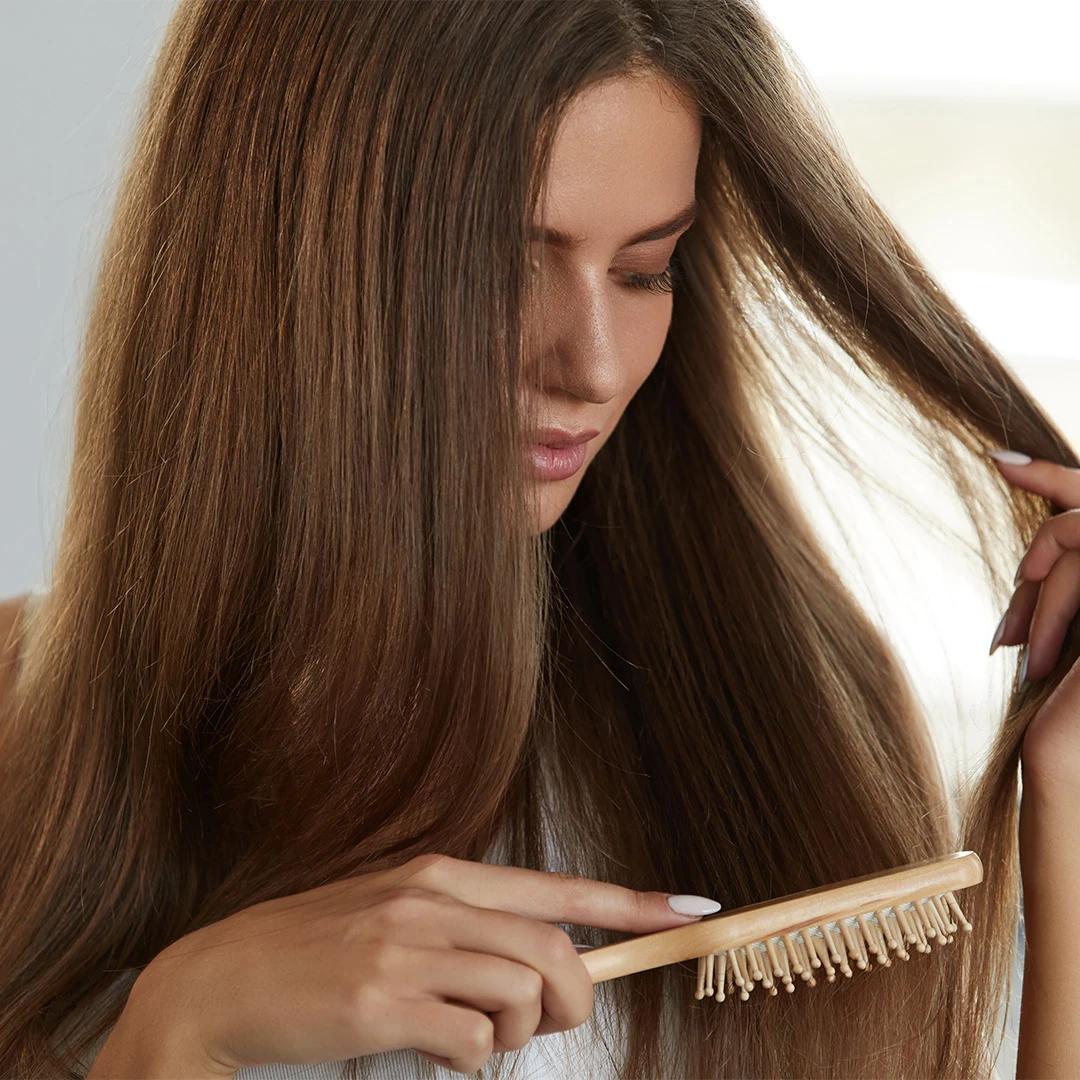

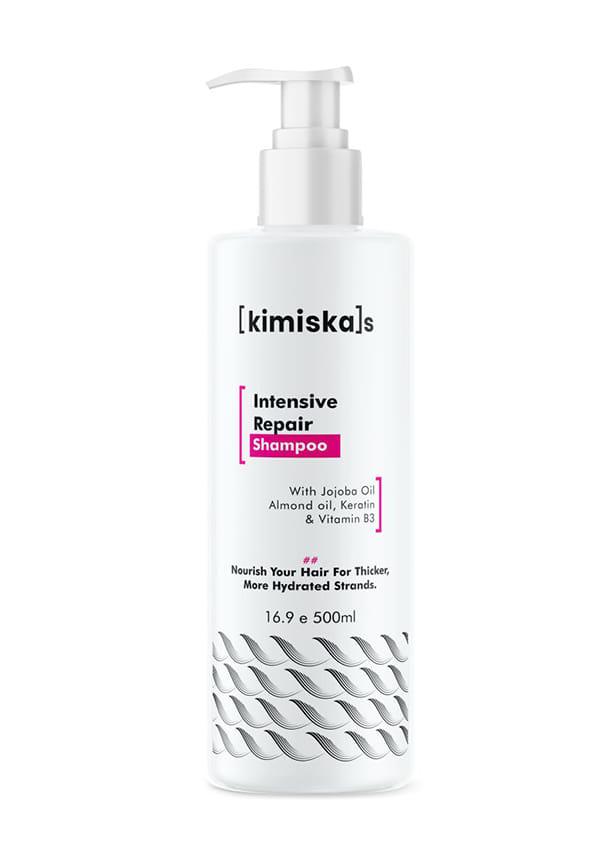
Intensive Hair Repair Shampoo for Dry and Frizzy Hair
Picture this: you wake up, style your hair to perfection, step outside, and within minutes the humidity has turned your sleek locks into a frizzy mess. Sound familiar? The rainy season brings its own set of hair challenges that can leave even the most dedicated haircare enthusiasts feeling defeated. From unexpected downpours that drench your carefully crafted hairstyle to the constant battle against humidity-induced frizz, monsoon months test your hair's resilience like no other time of year. But here's the thing—with the right approach and a few tweaks to your routine, you can actually have your best hair days during the rainiest months.
Let's get real about what's actually happening to your hair when the humidity levels spike. During monsoon season, the moisture in the air doesn't just make you feel sticky—it fundamentally changes how your hair behaves. Hair is naturally porous, which means it absorbs moisture from the environment. When humidity levels soar above 60%, your hair cuticles lift to let in all that extra moisture, causing the hair shaft to swell and creating that dreaded frizz.
The science behind monsoon hair problems is pretty straightforward. Your hair contains hydrogen bonds that break and reform based on moisture levels. In humid conditions, these bonds constantly shift, making your hair unpredictable and unmanageable. This is why your perfectly straight hair might suddenly develop waves, or your naturally curly hair becomes an uncontrollable mass of frizz.
Beyond frizz, the rainy season brings other challenges too. Increased scalp oiliness happens because your sebaceous glands go into overdrive trying to balance the moisture levels. Hair breakage becomes more common as wet hair is significantly weaker than dry hair. Plus, the combination of moisture and warmth creates the perfect breeding ground for scalp infections and dandruff.
What makes it worse is that your regular haircare routine—the one that works perfectly during dry months—suddenly stops delivering results. Products that usually tame your hair might feel too heavy, whilst others might not provide enough moisture protection. This is why you need a completely different approach during rainy days.
Creating a monsoon-specific haircare routine for rainy days isn't about completely overhauling what you do—it's about making smart adjustments that work with the weather, not against it. Your morning routine becomes crucial because it sets the foundation for how your hair will handle humidity throughout the day.
Start with a lightweight, hydrating shampoo that cleanses without stripping your hair's natural oils. During monsoon, you might need to wash your hair more frequently—every other day instead of twice a week—to prevent scalp buildup and maintain freshness. Follow with a moisture-balancing conditioner, focusing on mid-lengths and ends whilst avoiding the roots to prevent excess oiliness.
The drying process becomes absolutely critical during rainy season. Never rush this step, even if you're running late. Gently squeeze out excess water with a microfibre towel—regular towels create too much friction and lead to breakage. If you're using a blow dryer, keep it on a cool setting and always use a heat protectant. The goal is to remove moisture without damaging your hair's structure.
Your evening routine should focus on repair and protection. If you've been caught in the rain, don't just let your hair air dry. Gently cleanse if needed, apply a leave-in treatment, and ensure your hair is completely dry before sleeping. Wet hair on pillows creates friction and leads to breakage and tangles.
Before shampooing, spend a few minutes massaging your scalp with your fingertips. This stimulates blood circulation and helps loosen any buildup from humidity and increased oil production. If you're dealing with particularly oily roots, a gentle clarifying treatment once a week can help reset your scalp's balance.
Hair breakage prevention starts with how you handle wet hair. Never brush wet hair aggressively—use a wide-tooth comb and start from the ends, working your way up. If you're air drying, scrunch your hair gently with a cotton t-shirt to encourage natural texture without creating frizz.
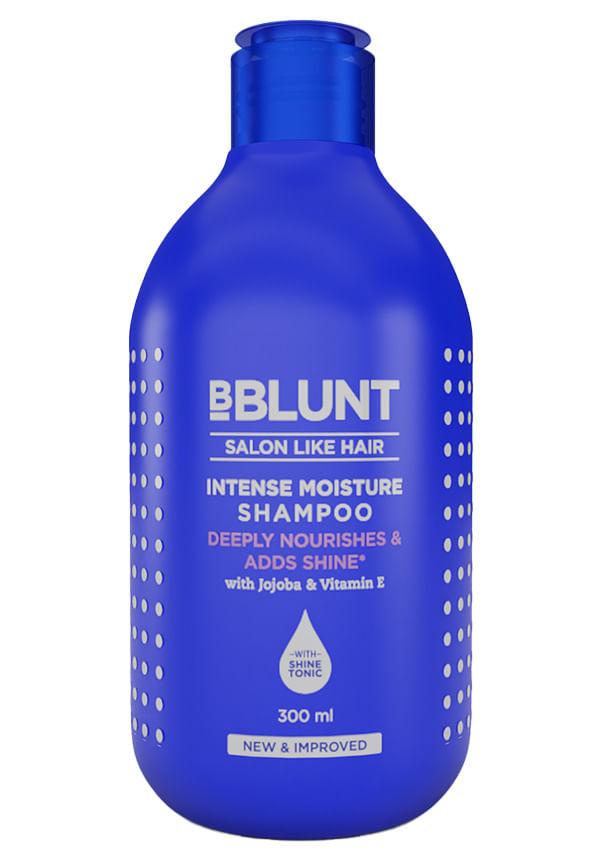
Intense Moisture Shampoo with Jojoba and Vitamin E for Dry & Frizzy Hair
Managing hair in humid weather requires a completely different mindset. Instead of fighting the humidity, you need to work with it. Professional stylists swear by the "less is more" approach during monsoon—using fewer products but choosing the right ones makes all the difference.
Temperature control is your secret weapon. Cool water rinses seal the hair cuticles and reduce frizz, whilst hot water opens them up and invites more humidity in. When blow-drying, use the cool shot button at the end to lock in your style. Even your styling tools should be on lower heat settings—high heat plus humidity equals disaster.
Strategic hair oiling becomes crucial, but the technique changes completely. Instead of heavy oils that might weigh your hair down, opt for lighter formulations applied to damp hair. This creates a protective barrier without making your hair look greasy. Focus on the lengths and ends rather than the roots.
Indoor humidity management is often overlooked but equally important. If you're spending time in air-conditioned spaces, your hair faces constant moisture level changes. Keep a small bottle of leave-in conditioner handy for quick touch-ups when moving between different environments.
Protective styling becomes your best friend during high humidity days. Loose braids, low buns, and twisted styles keep your hair contained whilst allowing it to maintain its natural texture. Tight styles can cause breakage, especially when your hair is more fragile from constant moisture exposure.
Choosing the right humidity hair products can make or break your monsoon hair game. The key is understanding that different products work better at different times and for different hair types. Your product arsenal needs to be more strategic during rainy season.
Hydrating shampoos work better than clarifying ones for most people during monsoon, unless you're dealing with excessive oiliness. Look for formulations that contain humectants like glycerin, which help your hair maintain optimal moisture levels without becoming oversaturated. Avoid sulphates if possible—they can strip your hair and make it more susceptible to humidity damage.
Leave-in conditioners become non-negotiable during rainy season. They create a protective film around each hair strand, helping to regulate moisture absorption. Apply them to damp hair for best results, and don't be afraid to reapply throughout the day if needed.
Heat protectants serve double duty during monsoon—they protect against styling damage and create an additional barrier against humidity. Even if you're air-drying, a light heat protectant can help smooth the hair cuticle and reduce frizz formation.
Anti-frizz serum works best when applied to damp hair before styling. Use it sparingly—a few drops distributed through your palms and then worked through your hair from mid-lengths to ends. Applying too much can weigh your hair down and make it look greasy.
Fine hair needs lightweight hydration—think water-based leave-in treatments rather than heavy creams. Thick, coarse hair can handle richer formulations and might even benefit from oil-based treatments. Curly hair requires extra moisture to maintain definition, whilst straight hair needs just enough hydration to prevent frizz without losing volume.
Your scalp faces unique challenges during monsoon that go beyond just managing oily roots. The combination of increased humidity, frequent washing, and potential exposure to rainwater creates conditions that can lead to scalp problems if not properly managed.
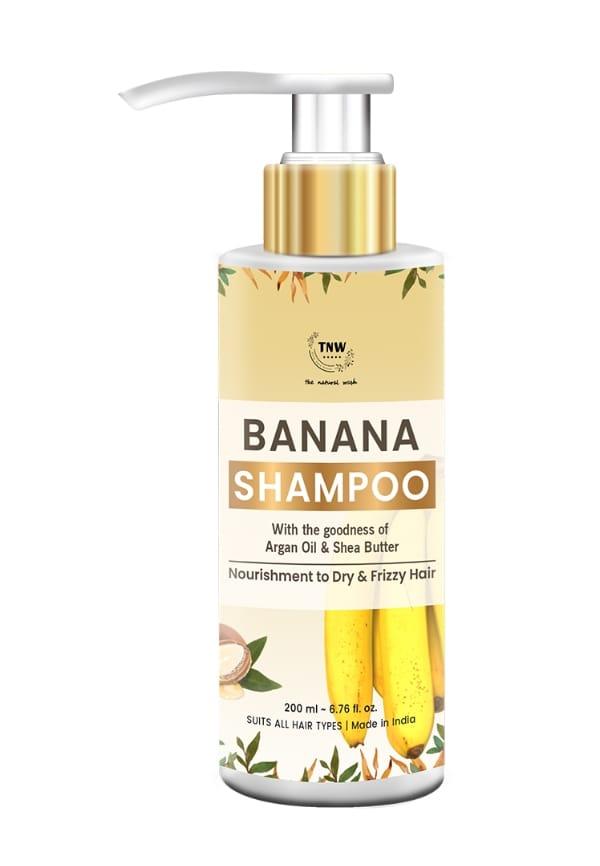
Banana Shampoo for Frizz | AntiFrizz Shampoo for All Hair Types | Banana Shampoo for Manageable Hair200ml
Scalp care during monsoon starts with understanding that your sebaceous glands are working overtime. This increased oil production isn't necessarily bad—it's your scalp's way of protecting itself. However, when combined with humidity and potential bacterial growth, it can lead to issues like dandruff, itching, and even fungal infections.
Gentle cleansing becomes crucial. You might need to wash your hair more frequently, but use a mild shampoo that won't over-strip your scalp. Focus the shampoo on your roots and scalp, letting the suds cleanse the lengths as you rinse. This prevents unnecessary drying of your hair whilst ensuring your scalp stays clean.
Oily scalp remedies during monsoon should focus on balance rather than aggressive oil removal. Tea tree oil, diluted properly, can help manage bacterial growth without over-drying. Zinc-based shampoos can help control excess oil production whilst maintaining scalp health.
Pay attention to warning signs like persistent itching, unusual flaking, or any tender spots on your scalp. These could indicate the beginning of a fungal infection, which is more common during humid months. If you notice these symptoms, consider switching to an antifungal shampoo temporarily.
Frizzy hair solutions during monsoon require a multi-pronged approach because humidity-induced frizz is different from regular frizz. It's more unpredictable, appears suddenly, and can affect even naturally straight hair. Understanding this helps you choose the right strategies.
The formation of frizz in humid conditions happens when moisture enters the hair shaft unevenly. Some parts of your hair absorb more moisture than others, causing irregular swelling and that characteristic fuzzy appearance. This is why frizz often appears worse in some sections of your hair than others.
Immediate frizz-control techniques focus on smoothing the hair cuticle and preventing further moisture absorption. A small amount of hair oil or serum can help seal the cuticle temporarily. For emergency situations, even a tiny bit of hand cream can work—just make sure it's silicone-free and apply it very sparingly.
Long-term strategies involve strengthening your hair's structure so it's less susceptible to humidity damage. Regular protein treatments can help fill in gaps in damaged hair cuticles, making them less likely to lift and absorb excess moisture. However, balance is key—too much protein can make hair brittle.
DIY hair masks using ingredients like yoghurt, honey, and aloe vera can provide gentle hydration whilst smoothing the hair cuticle. These natural ingredients help balance moisture levels without the heavy feeling that some commercial products can leave.
Hair breakage prevention becomes critical during monsoon because wet hair is up to 30% weaker than dry hair. Avoid aggressive brushing, tight hairstyles, and excessive heat styling. When detangling, always start from the ends and work your way up to the roots.
Keep a small spray bottle with diluted leave-in conditioner for quick touch-ups. A light misting followed by scrunching can help redefine your hair's natural texture. For severe frizz, slightly damp hands smoothed over your hair can help redistribute natural oils and calm flyaways.
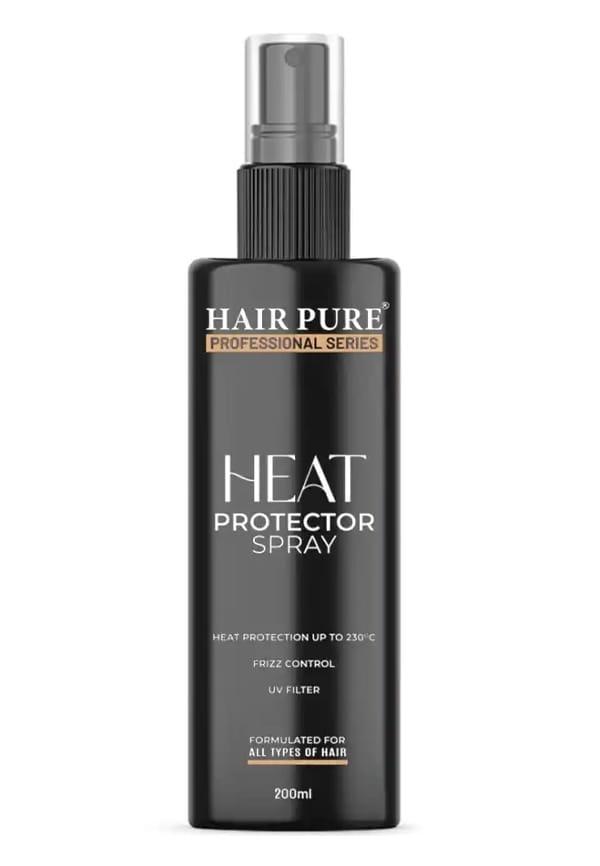
Heat Protector Spray Heat Protection Up to 230ºC, Controls Frizz
During monsoon, you might need to wash your hair every 2-3 days instead of your usual routine. This helps manage increased oil production and removes any buildup from humidity and environmental pollutants. However, listen to your hair—if it feels clean and manageable, don't overwash just because it's rainy season.
Yes, but choose lighter oils and apply them differently. Coconut oil might be too heavy, but argan oil or jojoba oil work well when applied to damp hair in small amounts. Focus on the lengths and ends rather than the roots to avoid looking greasy.
Don't panic! Gently squeeze out excess water with a clean cloth or tissue. Avoid rubbing your hair vigorously. If possible, rinse with clean water when you get home to remove any pollutants from rainwater, then follow your usual conditioning routine.
Use volumising products at the roots before styling, and avoid applying heavy conditioners or oils near your scalp. Dry shampoo can also help absorb excess oil and add texture. Consider protective styles that work with your hair's natural volume rather than fighting it.
Gentle scalp massages with diluted essential oils like rosemary or peppermint can improve circulation. Aloe vera gel applied to the scalp can soothe irritation and provide moisture without heaviness. However, if hair fall is excessive, consult a dermatologist as it might indicate an underlying scalp condition.
First, gently squeeze out excess water—never wring or twist your hair. Use a microfibre towel or cotton t-shirt to blot moisture. If blow-drying, use a heat protectant and keep the dryer on a cool setting. Make sure your hair is completely dry before styling or sleeping.
Embrace your natural texture! Use curl-defining creams on damp hair and scrunch gently. Avoid brushing curly hair when dry, as this creates frizz. Consider protective styles like loose braids or pineapple updos that keep curls contained whilst maintaining their shape.
Managing your hair during rainy season doesn't have to be a constant battle against the elements. With the right understanding of how humidity affects your hair and a few strategic adjustments to your routine, you can actually enjoy healthy, manageable hair throughout monsoon months. Remember, the key is working with your hair's natural tendencies rather than fighting them.
The most important thing to remember is that every hair type responds differently to humidity. What works for your friend might not work for you, and that's perfectly normal. Pay attention to how your hair behaves in different conditions and adjust your routine accordingly. Some days you might need extra moisture, whilst others might require more oil control.
Building a solid rainy season hair care guide isn't just about having the right products—it's about understanding your hair's needs and being flexible with your approach. The brands available on Smytten offer a curated selection of haircare products specifically chosen for their effectiveness across different hair types and concerns. From lightweight serums to intensive treatments, you'll find options that work for your specific monsoon hair challenges. Not sure which format works for your hair? Smytten also offers trial-size versions of many of these products—a good way to check before committing to a full bottle.
