Rainy Hair FAQ: Your Questions Answered

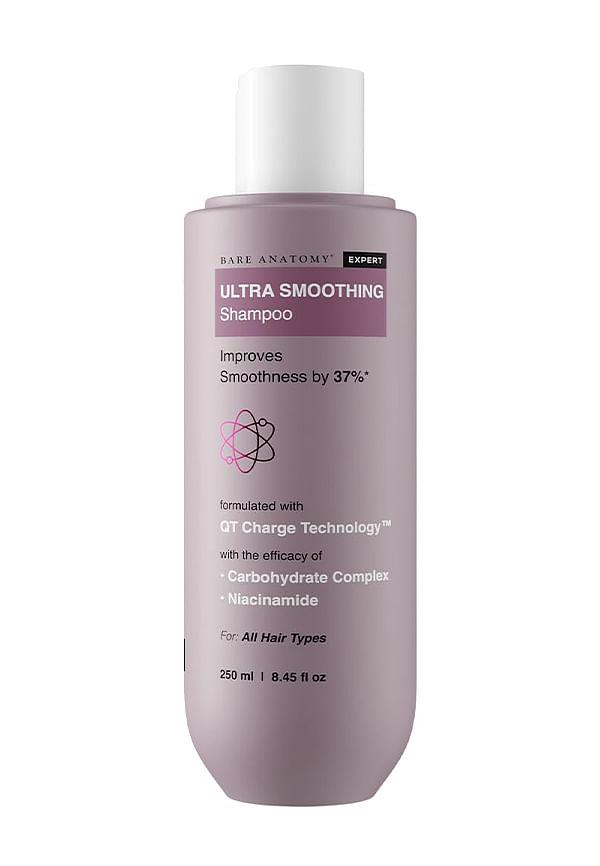
Ultra Smoothing Shampoo for Dry and Frizzy Hair
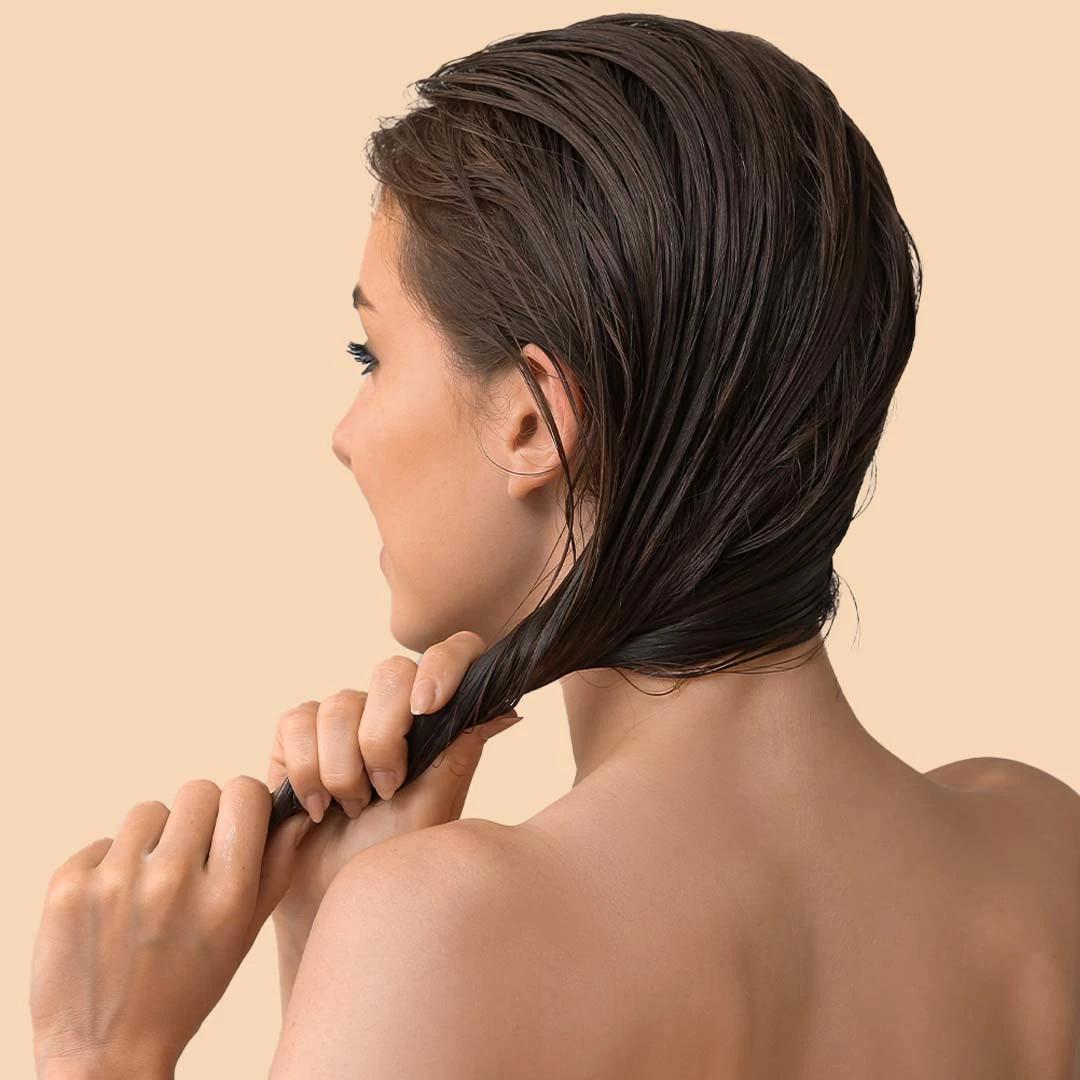
Picture this: you've just spent twenty minutes perfecting your hair, stepped outside feeling confident, and then—surprise!—the sky opens up. Within minutes, your sleek blowout has transformed into a frizzy mess that looks like you've been wrestling with a hairdryer. Sound familiar? You're definitely not alone in this struggle. Rainy weather and humidity can turn even the most well-behaved hair into an unruly situation, leaving you wondering if there's any hope for good hair days during monsoon season. The good news? With the right best practices for rainy hair, you can actually win this battle against the elements.
Let's get real about what's happening up there when the weather gets moody. Your hair is basically a sponge—some more absorbent than others—and when humidity levels spike, things get interesting. The outer layer of your hair, called the cuticle, starts lifting and allowing moisture to seep in. This is where the drama begins.
Think of your hair cuticle like roof tiles. When it's smooth and flat, your hair looks shiny and behaves nicely. But when humidity hits, those "tiles" start lifting up, creating a rough surface that catches light differently and allows moisture to penetrate the hair shaft. This is why your hair suddenly looks dull and feels rough on humid days.
The porosity of your hair plays a massive role here too. High-porosity hair (often damaged or chemically treated) drinks up moisture like it's been wandering in a desert. Low-porosity hair, on the other hand, repels moisture initially but once it gets wet, it takes forever to dry. Understanding your hair's porosity level is crucial for effective haircare in humidity.
Frizz happens when different sections of your hair absorb moisture at different rates, causing some strands to swell more than others. It's like having a group project where everyone's working at different speeds—chaos ensues. Curly and textured hair types are particularly vulnerable because their structure naturally has more gaps where moisture can sneak in.
Not all hair is created equal when it comes to weather resistance. Fine, straight hair might go limp and lose volume, while thick, curly hair might expand into a triangle shape. Chemically treated hair—think bleached, coloured, or permed—has compromised cuticles that make it extra vulnerable to humidity's effects.
The secret to conquering rainy day hair isn't just about what you do when it's already pouring—it's about being strategic before you even step outside. Think of it as weather-proofing your hair the same way you'd waterproof your jacket.
Start with clean, properly conditioned hair. This might sound obvious, but hear us out. When your hair is well-moisturised from the inside, it's less likely to desperately grab moisture from the air. Use a hydrating conditioner and follow up with a leave-in treatment that creates a protective barrier. This is your first line of defence in rainy weather haircare tips.
Product layering is where the magic happens. Apply a heat protectant first (even if you're not using heat tools), followed by a humidity-blocking serum or cream. The key is working with damp—not soaking wet—hair so products can penetrate properly. Think thin layers rather than one heavy application that might weigh your hair down.
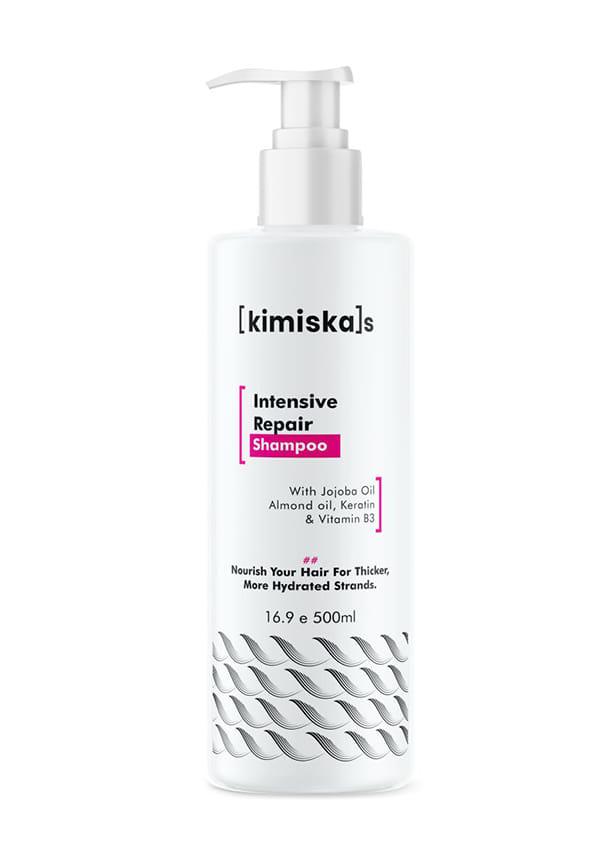
Intensive Hair Repair Shampoo for Dry and Frizzy Hair
Sometimes the weather forecast lies, and you get caught in unexpected downpours. Don't panic. Gently squeeze excess water from your hair using a microfibre towel or even a clean cotton t-shirt. Avoid the aggressive towel-rubbing that your mum probably taught you—it just creates more frizz and damage.
If you're dealing with managing wet hair on the go, finger-comb through a small amount of leave-in conditioner or hair oil. This helps smooth the cuticle and prevents further moisture absorption. Sometimes embracing the wet look is your best bet—slick it back into a low bun or ponytail and own it.
Not all anti-frizz products are created equal, and finding the right ones can feel like searching for a needle in a haystack. The key is understanding what ingredients actually block humidity versus what just makes marketing claims sound good.
Look for products containing silicones like dimethicone or cyclomethicone—these create a protective film around your hair shaft that repels moisture. Natural oils like argan, coconut, or jojoba can also provide protection, though they work differently by filling in gaps in damaged cuticles. Polymers and film-forming ingredients in styling products create an invisible shield that humidity can't penetrate easily.
Anti-humidity serums should be your best friend during monsoon season. These lightweight formulas don't weigh hair down but create a barrier against moisture. Apply them to damp hair, focusing on the mid-lengths and ends where damage typically occurs first. Remember, a little goes a long way—start with a pea-sized amount and add more if needed.
How you apply products matters just as much as what you're using. Work products through your hair using a wide-tooth comb or your fingers, ensuring even distribution. Pay extra attention to areas that tend to frizz first—usually around your hairline and the ends of your hair.
Timing is everything too. Apply leave-in treatments to damp hair, then add styling products, and finish with any oils or serums. This layering technique ensures each product can do its job without interfering with the others.
Sometimes the best defence is a good offence, and that means choosing hairstyles that work with humidity rather than against it. Hair styling for rainy days is all about embracing textures and styles that look intentional, even when the weather has other plans.
Sleek, low ponytails and buns are your friends because they keep most of your hair contained and protected. Use a strong-hold gel or pomade to smooth down any flyaways, and don't forget to secure everything with bobby pins that match your hair colour. The key is making sure your style looks polished, not like you're trying to hide from the weather.
Braids are another excellent option for rainy day hair because they actually look better with a bit of texture and movement. Try a loose side braid or multiple small braids that you can pin up into a more complex style. The beauty of braids is that even if they get a bit messy from humidity, they still look intentional and put-together.
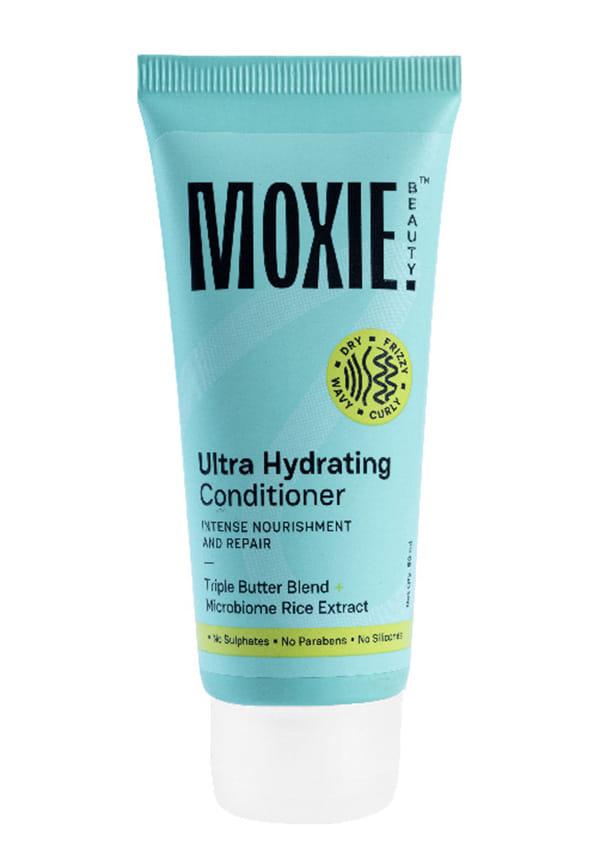
Ultra Hydrating Conditioner for Dry and Frizzy Hair
If you've got naturally curly or wavy hair, rainy days might actually be your time to shine. Instead of fighting your texture, enhance it with curl-defining products and let humidity work in your favour. Scrunch in a curl cream or mousse while your hair is damp, then either air-dry or diffuse on low heat.
For those with straight hair that goes limp in humidity, try creating texture with sea salt spray or texturising products. This gives your hair some grip and prevents it from falling completely flat when moisture hits.
Here's where most people go wrong: they treat wet hair like it's made of steel when it's actually at its most vulnerable state. When hair is wet, the hydrogen bonds that give it structure are temporarily broken, making it stretchy and prone to damage.
Never brush wet hair with a regular brush—this is a one-way ticket to breakage city. Instead, use a wide-tooth comb or a wet brush specifically designed for detangling. Start from the ends and work your way up, being patient with any knots you encounter. If you hit resistance, add a bit more leave-in conditioner rather than forcing the comb through.
When it comes to drying, air-drying is gentlest, but it's not always practical. If you must use a blow dryer, use the lowest heat setting possible and always use a heat protectant. The cool shot button on your dryer is perfect for sealing the cuticle and adding shine once your hair is mostly dry.
Overwashing is a huge mistake during rainy season. When your hair gets wet from rain, resist the urge to immediately shampoo it. Unless it's actually dirty, just rinse with water and apply conditioner to the ends. Washing too frequently strips your hair of natural oils, making it more vulnerable to humidity damage.
Another mistake? Using too much product in an attempt to control frizz. This usually backfires, leaving your hair looking greasy and weighed down. It's better to use smaller amounts of the right products than to pile on everything in your bathroom cabinet.
Start with clean, well-conditioned hair and apply a leave-in treatment while it's still damp. Use anti-humidity products focusing on the mid-lengths and ends, then style your hair in a way that works with moisture rather than against it. Low ponytails, braids, and textured styles tend to hold up better than sleek, straight styles. Always finish with a light mist of hairspray or anti-humidity spray for extra protection.
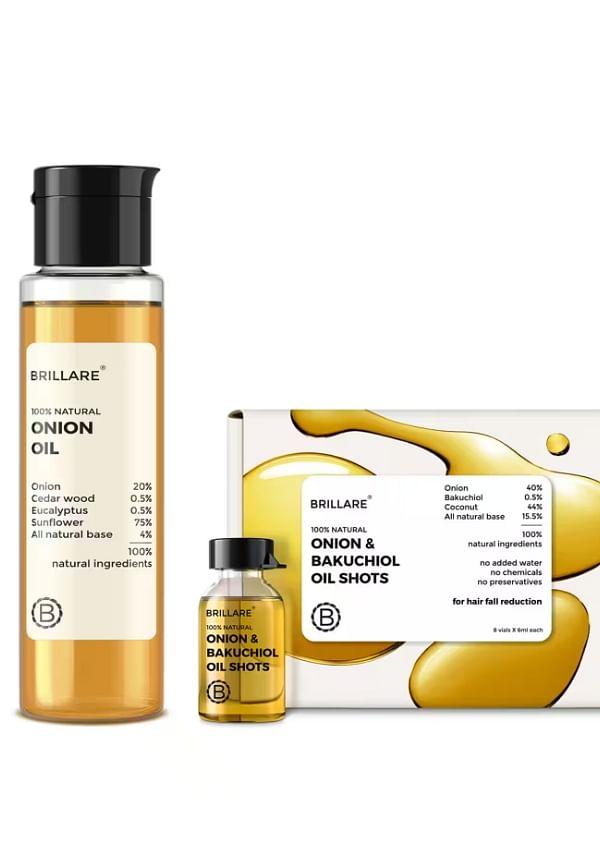
Hair & Scalp Treatment Duo for Dry, Frizzy & Hair Fall-Prone Hair
Adjust your routine to focus on moisture balance and protection. Use a hydrating shampoo and conditioner, but don't overwash—2-3 times per week is usually enough. Incorporate weekly deep conditioning treatments to keep your hair well-moisturised from within. Switch to humidity-blocking styling products and consider protective hairstyles on particularly humid days. Also, invest in a silk or satin pillowcase to reduce friction while you sleep.
Prevention is key. Apply anti-humidity products before leaving the house, carry a compact umbrella, and consider wearing a silk scarf or hat that won't damage your hair. If you do get caught in the rain, gently squeeze out excess water and avoid touching your hair too much. Keep a small bottle of leave-in conditioner or hair oil in your bag for emergency touch-ups.
Look for products containing silicones, natural oils, or humidity-blocking polymers. Serums and creams tend to work better than sprays for frizz control. Some effective ingredients include dimethicone, argan oil, and glycerin (in the right concentrations). Professional treatments like keratin or smoothing treatments can also provide longer-term frizz control, though they require maintenance every few months.
Less is often more during humid weather. Most hair types benefit from washing 2-3 times per week during rainy season, focusing on cleansing the scalp rather than the lengths. If your hair gets wet from rain, you can rinse with water and apply conditioner without using shampoo. Dry shampoo can be helpful for extending time between washes and absorbing excess oil that humidity might bring out.
Yes, but with precautions. Always use a heat protectant and consider using lower temperatures than usual. Finish with a cool shot to seal the cuticle, and use anti-humidity products before and after styling. Keep in mind that heat-styled hair might not last as long in humid conditions, so have a backup plan like bobby pins or hair ties for quick touch-ups.
Humidity causes gradual swelling and frizz as moisture slowly penetrates the hair shaft. Rain damage is more immediate—your hair gets saturated quickly, potentially washing away styling products and causing immediate texture changes. Both can be managed with the right products and techniques, but rain requires more immediate damage control while humidity needs ongoing prevention strategies.
Mastering the best practices for rainy hair isn't about fighting against nature—it's about working with it strategically. The key is preparation, the right products, and realistic expectations about what your hair can and can't do in challenging weather conditions.
Remember that consistency matters more than perfection. Building a routine that includes proper hydration, protective products, and humidity-friendly styling techniques will give you better results than trying to fix everything after the damage is done. Your hair will thank you for the extra care, and you'll feel more confident stepping out regardless of what the weather forecast says.
Not sure which anti-frizz products will work best for your specific hair type and concerns? Smytten offers trial-size versions of many humidity-fighting haircare products from trusted brands—a smart way to test what works for your hair before investing in full-size bottles. After all, finding your perfect rainy day routine shouldn't require guesswork or expensive mistakes.
