Rainy Hair Care Routine Tips: Your FAQ Answered

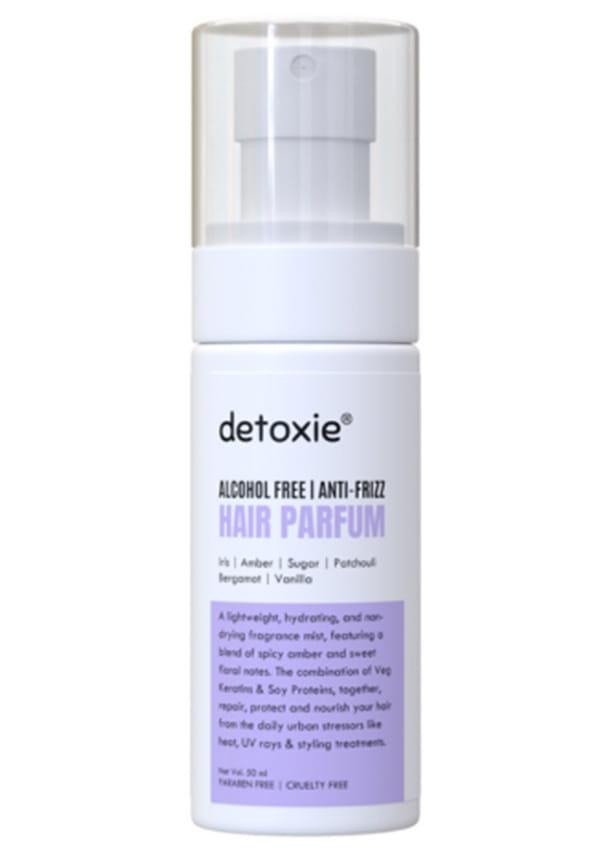
Alcohol Free Anti-Frizz Hair Parfum
Picture this: you've just stepped out with perfectly styled hair, and then the sky opens up. Within minutes, your sleek blowout has transformed into a frizzy mess that seems to have a mind of its own. Sound familiar? If you're nodding along, you're definitely not alone. Rainy season hair struggles are real, and they affect millions of us across India. The good news? With the right rainy hair care routine tips, you can actually make peace with humidity and keep your hair looking fab, no matter what the weather throws at you.
Let's get real about what's actually happening to your hair when humidity levels spike. Your hair shaft is made up of overlapping cuticles, kind of like roof tiles. When the air gets humid, these cuticles lift up to absorb moisture from the environment. This is where the drama begins – lifted cuticles mean frizz, tangles, and that general "my hair has given up on life" vibe we all know too well.
The science bit is actually pretty fascinating. Hair is naturally porous, but during damp weather, it becomes even more so. Think of it like a sponge that's already wet trying to absorb more water. Your hair literally swells as it takes in moisture, which disrupts your carefully crafted style and creates that unpredictable texture that seems impossible to tame.
Monsoon hair care isn't just about frizz, though. The increased moisture in the air creates the perfect breeding ground for scalp issues. Fungal infections, dandruff flare-ups, and excessive oiliness all become more common during rainy months. Your scalp's natural oil production can go into overdrive as it tries to cope with the humidity, leading to that greasy-roots-but-dry-ends situation that's particularly annoying.
Here's what makes rainy season different from your regular haircare routine: you're not just maintaining your hair's health, you're actively fighting against environmental factors that want to undo all your hard work. It's like the difference between keeping a tidy room and trying to keep it tidy while someone's constantly messing it up. You need stronger strategies, better products, and a completely different approach to win this battle.
The best defence against humidity is a good offence, and that starts with proper hair hydration tips. When your hair is already well-moisturised from the inside, it's less likely to desperately grab moisture from the humid air around it. Think of it as giving your hair a drink before it gets thirsty enough to raid the atmospheric water supply.
Deep conditioning treatments become your best friend during monsoon season. Aim for once a week, focusing on the mid-lengths and ends of your hair where damage typically shows up first. Look for treatments with ingredients like hyaluronic acid, glycerin, and natural oils that can penetrate the hair shaft and create a moisture barrier.
Anti-frizz products that actually work are worth their weight in gold during rainy months. Hair serum for humidity should be lightweight but effective – you want something that creates a protective film without weighing your hair down. Apply it to damp hair, focusing on the areas that tend to frizz up first. The key is finding that sweet spot where your hair feels protected but not greasy.
Humidity proof hairstyles are your secret weapon when you know rain is coming. Braids, low buns, and twisted updos work because they keep your hair contained and reduce the surface area exposed to humid air. Plus, these styles often look even better with a bit of texture, so if some frizz does sneak in, it just adds to the intentionally tousled vibe.
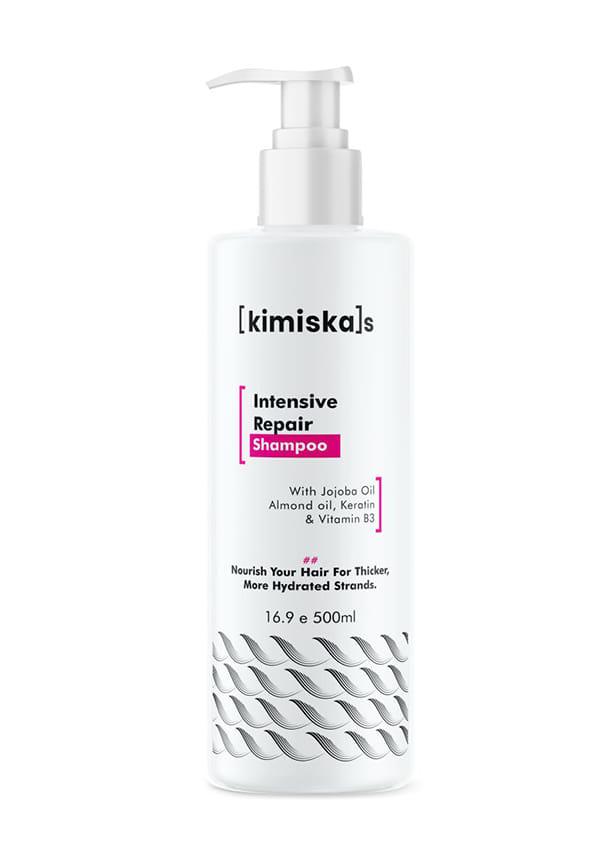
Intensive Hair Repair Shampoo for Dry and Frizzy Hair
Your daily routine during rainy season needs to be like a well-choreographed dance – every step matters, and timing is everything. Start your morning with damp (not soaking wet) hair, apply a leave-in conditioner from mid-length to ends, followed by a humidity-blocking serum. The order matters here because you want the conditioner to penetrate first, then the serum to seal everything in.
Evening care becomes crucial during monsoon months. If your hair got caught in the rain, resist the urge to brush it while it's wet – this is when hair is most vulnerable to breakage. Instead, gently squeeze out excess water with a microfibre towel, apply a leave-in treatment, and let it air dry as much as possible before using any heat styling tools.
Weekly intensive treatments should focus on both moisture and protein balance. Damp weather hair tends to become over-moisturised and under-strengthened, leading to limp, lifeless locks. Alternate between deep conditioning masks and protein treatments to keep your hair strong enough to handle the humidity without becoming brittle.
Scalp care in monsoon deserves special attention because a healthy scalp is the foundation of healthy hair. Use a clarifying shampoo once a week to remove product buildup and excess oils, but don't overdo it – stripping your scalp completely will just trigger more oil production. On other days, opt for a gentle, pH-balanced shampoo that cleanses without being harsh.
Sometimes, despite all your planning, you get caught in an unexpected downpour. When this happens, your immediate response can make the difference between a minor hair hiccup and a full-blown bad hair day. First things first: don't panic and definitely don't start aggressively towel-drying your hair.
If you're somewhere with access to a bathroom, gently squeeze out excess water and apply whatever leave-in product you have on hand. Even hand cream can work in a pinch – just use a tiny amount on the ends to seal the cuticles. Twist your hair into a loose bun and let it start air-drying while you figure out your next move.
For those times when you need to look presentable quickly, embrace the wet look. Apply a small amount of gel or strong-hold styling cream to damp hair and slick it back into a low ponytail or bun. This intentional style works with the moisture instead of fighting against it, and it can actually look quite chic.
Your scalp health during rainy months is like the foundation of a house – if it's not solid, everything else falls apart. The combination of humidity, increased sweating, and trapped moisture under umbrellas or hoods creates the perfect storm for scalp issues. Fungal infections, in particular, love warm, moist environments, so prevention becomes key.
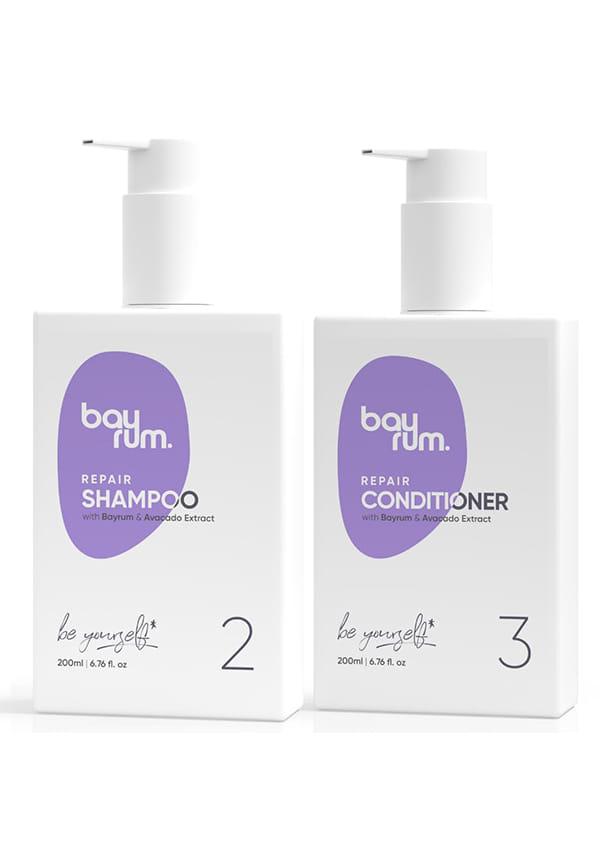
Hair Repair Shampoo & Conditioner Combo For Dry, Frizzy And Curly Hair
Anti-fungal ingredients like tea tree oil, ketoconazole, and zinc pyrithione become your allies during monsoon season. Look for shampoos that contain these ingredients, but use them strategically – too much can be drying, which then triggers your scalp to produce more oil to compensate.
Managing oily scalp in humidity requires a delicate balance. You want to keep your scalp clean without over-washing, which can strip natural oils and cause rebound oiliness. Dry shampoo becomes particularly useful during rainy months, but choose powder-based formulas over aerosols, which can feel heavy in humid air.
Watch for early warning signs of scalp problems: increased itching, flaking, unusual odours, or tender spots. These issues are much easier to address when caught early, so don't ignore minor symptoms hoping they'll resolve on their own.
This depends on your hair type and scalp condition, but most people benefit from washing every 2-3 days during humid months. If you have an oily scalp, you might need daily washing, while dry or chemically treated hair can often go longer between washes. The key is keeping your scalp clean without over-stripping your hair's natural oils.
Air drying is ideal when possible, but if you must use heat, apply a heat protectant first and use the lowest effective temperature. Consider investing in a microfibre towel or cotton t-shirt for initial drying – these materials are gentler on wet hair than regular towels. If humidity is very high, a blow dryer on cool setting can help prevent your hair from staying damp too long, which can lead to scalp issues.
Your hair's needs change with the seasons, so adjusting your product lineup makes sense. During monsoon, you might need lighter leave-in conditioners, stronger anti-frizz serums, and more frequent clarifying treatments. However, if your current routine is working well, small tweaks are often better than complete overhauls.
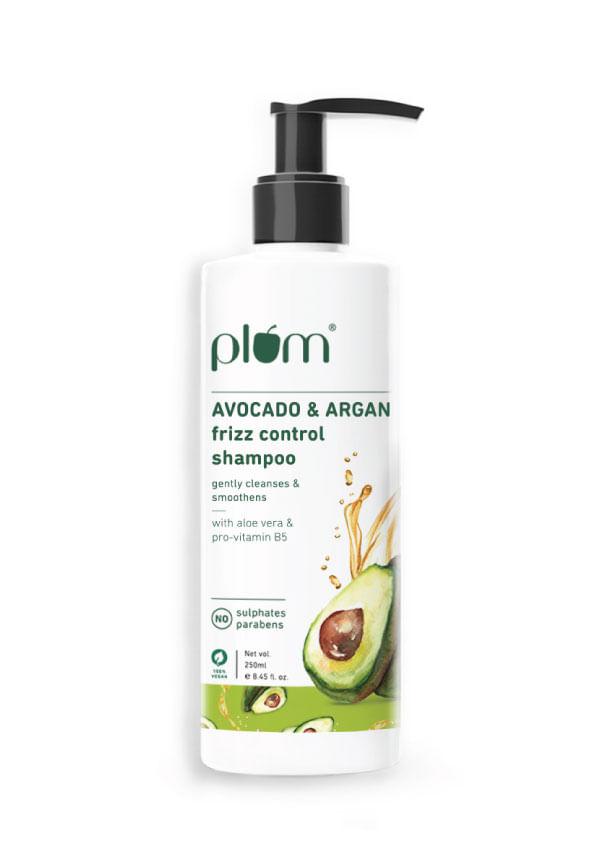
Avocado & Argan Frizz Control Shampoo For Curly, Wavy, Frizzy Hair
Musty hair odours during monsoon usually come from hair staying damp too long, which allows bacteria and fungi to grow. Make sure your hair is completely dry before going to bed, use a clarifying shampoo weekly to remove buildup, and consider adding a few drops of essential oil to your leave-in conditioner for a fresh scent.
For frizzy hair solutions, look for ingredients like hyaluronic acid, glycerin, and natural oils for moisture, plus silicones for humidity protection. Anti-fungal ingredients like tea tree oil and zinc pyrithione help with scalp health. Avoid heavy butters and oils that might feel too rich in humid weather.
Regular trims do help because split ends and damaged hair are more susceptible to humidity-induced frizz. Aim for a trim every 6-8 weeks during monsoon season to keep your hair healthy and more manageable. Fresh cuts also tend to hold styles better in humid conditions.
Silk or satin pillowcases reduce friction and help maintain moisture balance. Consider loosely braiding your hair or using a silk scrunchie to keep it contained without creating dents. A small amount of leave-in conditioner on the ends before bed can help prevent overnight dryness and morning frizz.
Humidity-proof products create a barrier against moisture in the air, helping prevent frizz and maintaining your style. Waterproof products are designed to withstand direct water contact, like swimming or heavy rain. For daily monsoon care, you want humidity-proof formulas that allow your hair to breathe while providing protection.
Mastering rainy hair care routine tips is all about working with your hair's natural tendencies rather than fighting against them. The combination of proper hydration, protective styling, and targeted products can transform your relationship with humid weather from frustration to confidence. Remember that consistency matters more than perfection – small daily efforts add up to significant improvements over time.
Your scalp health forms the foundation of great hair, especially during challenging weather conditions. Keep it clean but not stripped, moisturised but not greasy, and watch for early signs of issues that humidity can exacerbate. Prevention is always easier than treatment when it comes to monsoon hair problems.
The beauty of developing a solid rainy season routine is that it often improves your hair's overall health and manageability year-round. Many of these techniques – proper hydration, gentle handling, protective styling – benefit your hair regardless of the weather. Think of monsoon season as an opportunity to level up your haircare game rather than just surviving until drier months return.
If you're looking to experiment with new products for your monsoon routine, Smytten's curated selection includes anti-frizz serums, humidity-blocking treatments, and scalp care solutions from trusted brands. Not sure which formulation works best for your hair type? Trial-size versions of many of these products are available – a smart way to test before investing in full bottles, especially when you're building a weather-specific routine.
