Rainwater Damage Prevention FAQ: Common Questions Answered

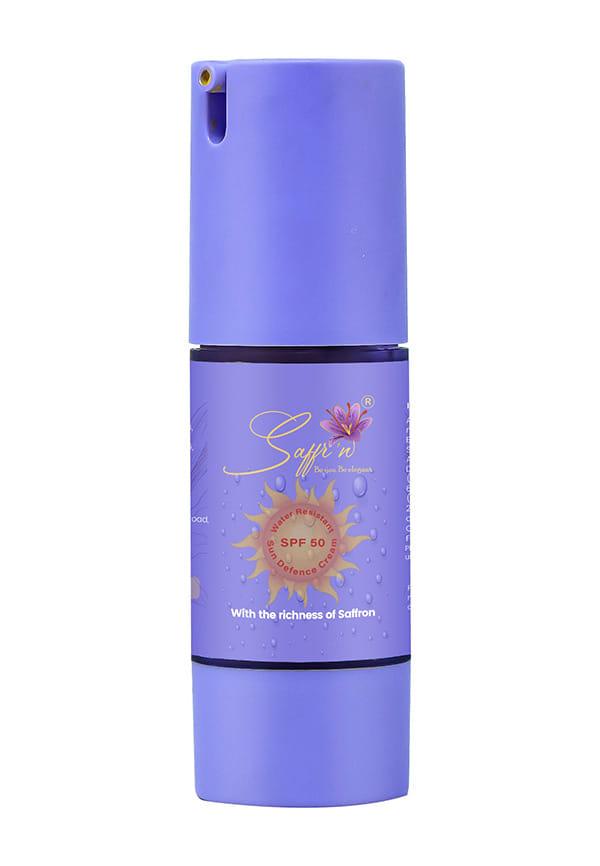
Water Resistant SPF 50 Sun Defence Sunscreen
Great Product, Best Value
 4
4“nice product best rate we loved it”
Picture this: you're caught in an unexpected downpour, and by the time you reach shelter, your hair feels like it's been through a washing machine. Sound familiar? If you've ever wondered why your hair feels different after getting soaked in the rain, you're not alone. Rainwater damage is more common than you'd think, especially in urban areas where pollution mixes with precipitation. Let's dive into everything you need to know about protecting your hair from rainwater damage and keeping your locks healthy, no matter what the weather throws at you.
Real talk—not all rainwater is created equal. While the idea of natural rainwater sounds pure and refreshing, the reality is quite different, especially in cities. As rainwater falls through the atmosphere, it picks up pollutants, chemicals, and debris that can seriously mess with your hair's health.
The main culprit behind rainwater damage prevention concerns is the pH level of urban rainwater. Clean rainwater typically has a slightly acidic pH of around 5.6, but in polluted areas, this can drop to as low as 4.0—that's pretty acidic. When your hair comes into contact with acidic rainwater, the cuticles (the outer protective layer of your hair) start to swell and lift. This makes your hair more porous and vulnerable to damage.
Your hair's natural porosity also plays a huge role in how susceptible it is to rainwater damage. High-porosity hair absorbs moisture quickly but also loses it just as fast, making it more prone to damage from environmental factors. Low-porosity hair might seem more protected, but when the cuticles do lift from acidic rainwater, the damage can be more severe.
Signs that your hair has been affected by rainwater exposure include increased frizz, dullness, tangles that seem impossible to work through, and that rough, straw-like texture that no amount of brushing seems to fix. If you notice your hair feeling different after getting caught in the rain, it's not just in your head—it's likely experiencing some level of environmental damage.
The science behind hair breakage from rainwater is actually pretty fascinating, if you're into that sort of thing. When your hair gets wet from rainwater, the hair shaft swells as water penetrates the cuticle layer. This swelling weakens the structural integrity of your hair, making it more susceptible to mechanical damage from brushing, styling, or even just moving around.
Here's where it gets really problematic: the repeated wet-dry cycles that happen when you're frequently exposed to rain create a constant state of swelling and shrinking in your hair shaft. Think of it like repeatedly inflating and deflating a balloon—eventually, the material becomes weak and prone to tearing. The same thing happens to your hair, leading to hair breakage and those dreaded split ends.
Pollutants in rainwater also strip away your hair's natural oils and proteins, which are essential for maintaining hair strength and elasticity. Without these protective elements, your hair becomes brittle and more likely to snap under pressure. The damaged cuticles create rough spots along the hair shaft, which can catch on each other and cause tangles that lead to breakage when you try to detangle.
Split ends treatment becomes necessary because once the cuticle is damaged, the inner cortex of your hair is exposed to further environmental damage. This creates a domino effect where damage spreads up the hair shaft, making those splits longer and more noticeable over time.
Prevention is always better than cure, especially when it comes to hair protection. Before stepping out into potentially rainy weather, there are several strategies you can use to create a barrier between your hair and the elements.
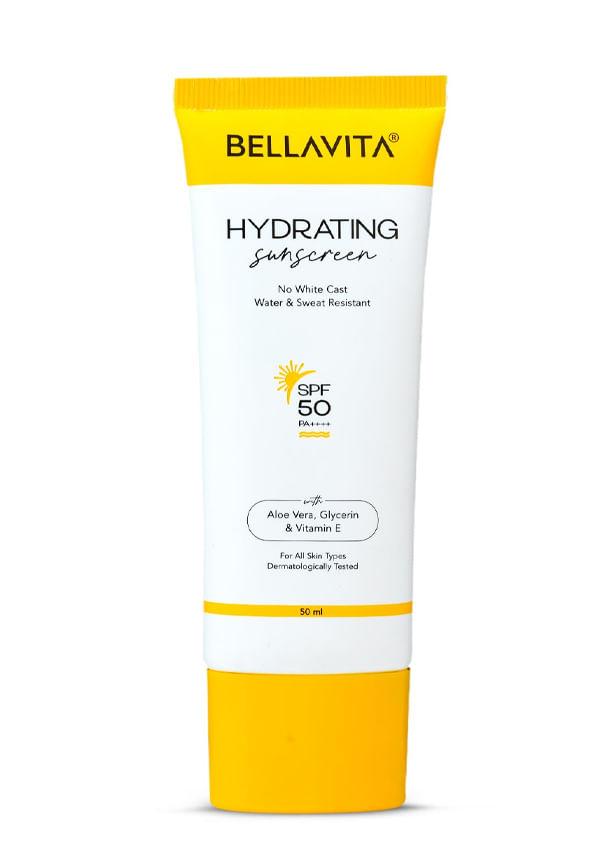
Water based Hydrating SPF 50 PA+++ UV Protection Sun Block Sunscreen
Amazing, must buy product
5“amazing ♥️ must buy. really good”
Amazing, must buy product
5“amazing ♥️ must buy. really good”
अच्छी क्रीम दोस्त के लिए
5“इस प्रोडक्ट को मैने अपने दोस्त के लिए मंगाया था उसने बताया कि बहुत अच्छी क्रीम है”
Start with a good leave-in conditioner or hair serum that contains silicones or natural oils. These ingredients create a protective film over your hair shaft, helping to repel water and prevent it from penetrating too deeply into the cuticle. Apply the product evenly from mid-length to ends, avoiding the roots to prevent your hair from looking greasy.
Your hairstyle choice can make a huge difference in hair strengthening and protection. Loose braids, low buns, or twisted updos keep your hair contained and reduce the surface area exposed to rainwater. Avoid tight styles that can cause additional stress to already vulnerable wet hair. If you have long hair, consider tucking it into your jacket or using a silk scarf as an extra layer of protection.
Don't underestimate the power of a good umbrella or hood. While it might seem obvious, many people forget that the best protection is simply keeping your hair dry in the first place. Invest in a compact umbrella that you can easily carry, or choose outerwear with a hood that provides adequate coverage without flattening your hairstyle.
Once your hair has been exposed to rainwater, the focus shifts to damage control and restoration. The key is to address both immediate concerns and long-term hair hydration needs.
As soon as you get home, gently squeeze out excess water with a microfibre towel or cotton t-shirt. Avoid rubbing or rough towel-drying, as wet hair is extremely fragile and prone to breakage. Apply a leave-in treatment or hair oil to damp hair to help seal the cuticles and lock in moisture.
Deep conditioning treatments become your best friend for restoring hair moisture after rainwater exposure. Look for products containing ingredients like hyaluronic acid, glycerin, or natural oils that can penetrate the hair shaft and provide lasting hydration. Use these treatments 1-2 times per week, depending on how frequently you're exposed to rain.
The protein-moisture balance is crucial for effective dry hair remedies. If your hair feels mushy or overly soft after rain exposure, it might need protein to rebuild its structure. If it feels dry and brittle, focus on moisture-rich treatments. Many people find alternating between protein and moisture treatments gives the best results.
DIY hair masks can be surprisingly effective for hydration recovery. A simple mixture of honey, coconut oil, and aloe vera gel can provide both moisture and gentle cleansing properties to remove any pollutant residue from rainwater exposure.
When it comes to hair repair after significant rainwater damage, you have both professional and at-home options to consider. The choice depends on the severity of the damage and your budget.
Professional keratin treatments can be incredibly effective for repairing damaged cuticles and creating a protective barrier against future environmental damage. These treatments work by filling in the gaps in damaged cuticles with keratin proteins, smoothing the hair shaft and reducing frizz. The effects typically last 3-6 months, making them a worthwhile investment if you're frequently exposed to harsh weather conditions.
At-home protein treatments offer a more budget-friendly approach to hair repair. Look for products containing hydrolysed proteins, which are small enough to penetrate the hair shaft and help rebuild damaged areas. Use these treatments weekly until you notice improvement, then reduce frequency to maintain results.
For split ends treatment, the harsh reality is that once the hair is split, the only permanent solution is trimming. However, you can temporarily seal split ends with targeted serums and prevent new ones from forming with proper care. Regular trims every 6-8 weeks help prevent splits from travelling up the hair shaft.
Be realistic about repair timelines—severely damaged hair can take 3-6 months to show significant improvement, as you need to grow out the damaged portions and replace them with healthier hair. Consistency with your repair routine is key to seeing results.
Frizzy hair solutions become essential when dealing with the aftermath of rainwater exposure, especially in humid climates where the effects can be amplified.
Understanding why humidity affects damaged hair helps you choose the right products and techniques. When hair cuticles are damaged from rainwater exposure, they can't regulate moisture absorption properly. In humid conditions, damaged hair absorbs excess moisture from the air, causing the hair shaft to swell unevenly and create that dreaded frizzy texture.
Anti-frizz products containing ingredients like silicones, natural oils, or humidity-blocking polymers can help create a barrier against environmental moisture. Apply these products to damp hair before styling, focusing on the mid-lengths and ends where damage is typically most severe.
Styling techniques matter just as much as products. Use a wide-tooth comb on wet hair to prevent breakage, and consider air-drying or using a diffuser on low heat rather than blow-drying with high heat, which can further damage already compromised cuticles.
Humidity-resistant hairstyles like loose braids, twisted buns, or sleek ponytails can help manage frizz while protecting your hair from additional environmental damage. The key is choosing styles that work with your hair's natural texture rather than fighting against it.
You don't need to wash your hair every time it gets wet from rain, but you should rinse it with clean water to remove any pollutants or debris. If your hair feels particularly dirty or sticky after rain exposure, a gentle cleansing shampoo followed by a moisturising conditioner is recommended. Over-washing can strip natural oils and worsen damage, so aim for 2-3 times per week maximum.
Pure rainwater in unpolluted areas can be softer than hard tap water and may cause less mineral buildup on your hair. However, in urban environments, the pollutants and acidic pH of rainwater typically outweigh any potential benefits. The key is understanding your local environment and adjusting your hair care routine accordingly.
Avoid products with high alcohol content, as these can further dry out hair that's already compromised by environmental damage. Also, be cautious with products containing sulfates, which can strip natural oils that your hair needs for protection. Instead, look for gentle, moisturising formulas with natural oils and proteins.
The timeline for hair repair depends on the severity of damage and your hair's natural growth rate. Minor damage might improve within 4-6 weeks with proper care, while severely damaged hair can take 3-6 months to show significant improvement. Remember, you're essentially growing out the damaged portions and replacing them with healthier hair.
High-porosity hair, chemically treated hair, and fine hair textures are generally more susceptible to rainwater damage. Curly and coily hair types can also be more vulnerable due to their natural structure, which makes the cuticles more prone to lifting. However, any hair type can be affected by polluted rainwater exposure.
The main difference lies in the additional pollutants and acidic pH found in rainwater, especially in urban areas. Regular tap water might cause some swelling and temporary frizz, but rainwater can contain chemicals and debris that cause more lasting damage to the hair cuticle and overall hair structure.
While you can't completely eliminate all risk, you can significantly reduce rainwater damage through proper protection methods, immediate post-rain care, and maintaining healthy hair that's more resilient to environmental stressors. The key is being proactive rather than reactive in your approach to hair protection.
Absolutely. During rainy seasons, focus on protective products with silicones or oils that repel water, and increase your use of deep conditioning treatments. In dry seasons, you might prioritise lighter moisturising products and focus more on UV protection. Adapting your routine to seasonal changes helps maintain optimal hair health year-round.
Protecting your hair from rainwater damage doesn't have to be complicated, but it does require some planning and the right products. The key is understanding that prevention is always easier than repair, so investing in good protective products and techniques will save you time and frustration in the long run.
Remember that healthy hair is more resilient to environmental damage, so maintaining a consistent hair care routine with quality products is your first line of defence. Whether you're dealing with occasional rain exposure or live in a climate where wet weather is the norm, having a solid strategy for hair protection and repair will keep your locks looking their best.
If you're looking to experiment with different hair protection and repair products, Smytten's curated selection includes trial-size versions of many professional-grade treatments from trusted brands. This way, you can find what works best for your hair type and damage concerns before committing to full-size products—because finding your perfect hair care routine shouldn't be a guessing game.
