Rain Hair Damage FAQ: Everything About Effects of Rain on Hair

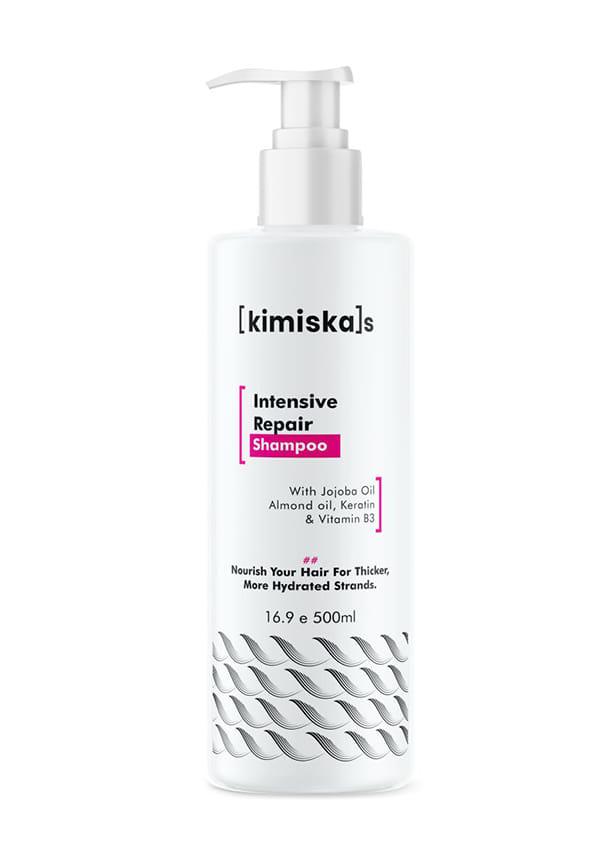
Intensive Hair Repair Shampoo for Dry and Frizzy Hair
Picture this: you're caught in an unexpected downpour, and by the time you reach shelter, your carefully styled hair has transformed into a frizzy, tangled mess. Sound familiar? You're not alone in wondering how rain damages hair and why that quick dash through the drizzle leaves your locks looking like they've been through a blender. The truth is, rainwater isn't as innocent as it seems—it carries pollutants, has an acidic pH, and creates the perfect storm for hair havoc. Let's dive into the science behind rain hair damage and, more importantly, how you can protect your precious strands from Mother Nature's mood swings.
Real talk—rainwater might look pure, but it's actually a cocktail of atmospheric pollutants that can wreak havoc on your hair's delicate structure. When rain forms in the atmosphere, it picks up everything from dust particles to chemical pollutants, creating what scientists call "acid rain" with a pH level between 5.0 and 5.5. Your hair's optimal pH sits around 4.5 to 5.5, so whilst this might seem close, even slight variations can disrupt your hair's protective cuticle layer.
Here's where things get interesting: your hair shaft is made up of overlapping cuticle scales, kind of like roof tiles. When rainwater hits these scales, the pH imbalance causes them to lift and swell, making your hair more porous and vulnerable. This process breaks down the keratin proteins that give your hair its strength and elasticity. Think of it like opening an umbrella in reverse—instead of protection, you're exposing the inner cortex to damage.
The mineral buildup from rainwater is another sneaky culprit. If you're already dealing with hard water at home, the additional minerals from rain create a double whammy effect. These deposits coat your hair shaft, making it feel rough, look dull, and become increasingly difficult to manage. Over time, this buildup can actually change your hair's porosity levels, affecting how it absorbs and retains moisture.
Understanding how rain affects your hair helps you spot the warning signs early. Rain hair damage doesn't just happen overnight—it's a gradual process that shows up in different ways depending on your hair type and how often you're exposed to the elements.
The immediate effects hit you first and hardest. Within minutes of rain exposure, you'll notice frizz taking over your style, tangles forming seemingly out of nowhere, and your carefully crafted look falling flat. This happens because humidity causes your hair cuticles to absorb moisture unevenly, leading to swelling and that dreaded frizzy hair rain effect that no amount of smoothing seems to fix.
Short-term issues develop over days and weeks of repeated exposure. You might start noticing increased breakage when brushing, more split ends appearing between trims, and an overall dullness that even your favourite shine serum can't combat. The weakened cuticle layer from pH disruption makes your hair more fragile and prone to mechanical damage from styling tools and even gentle brushing.
Humidity is like that friend who means well but always makes things more complicated. During monsoon season, the air becomes saturated with moisture, and your hair acts like a sponge, absorbing water molecules through its cuticle layer. Damaged hair with lifted cuticles absorbs moisture faster than healthy hair, leading to uneven swelling and that unpredictable frizz pattern that changes throughout the day.
Long-term damage is where things get serious. Months of exposure to acidic rainwater can permanently alter your hair's texture, cause significant colour fading in treated hair, and weaken the hair shaft to the point where it becomes chronically brittle. This is particularly problematic for chemically treated hair—perms, relaxers, and colour treatments create additional porosity that makes your strands even more vulnerable to environmental damage.
Scalp problems often get overlooked, but they're equally important. The combination of moisture and pollutants creates an ideal breeding ground for fungal growth, leading to dandruff, itching, and irritation. Your scalp's natural pH balance gets disrupted, affecting oil production and potentially leading to both dryness and excessive oiliness in different areas.
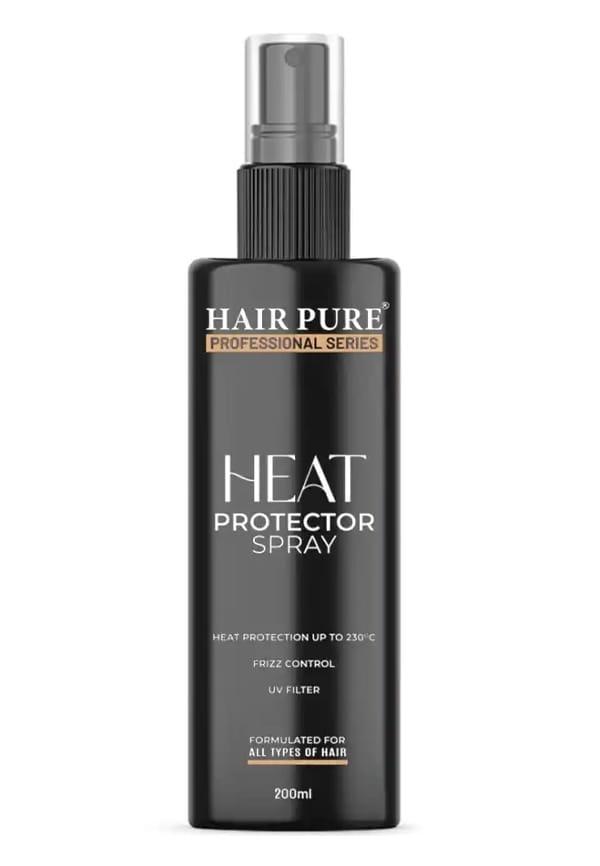
Heat Protector Spray Heat Protection Up to 230ºC, Controls Frizz
Let's be real about what's actually in that rainwater hitting your hair. Modern rainwater is far from the pure H2O you might imagine—it's more like a delivery system for atmospheric pollutants that have been hanging around in the air, waiting for a ride down to your scalp.
Urban areas are particularly problematic for rainy weather haircare because the concentration of pollutants is significantly higher. Sulfur dioxide from vehicle emissions, nitrogen oxides from industrial processes, and particulate matter from construction and traffic all dissolve into raindrops as they fall. These chemicals don't just wash away after the rain stops—they can bind to your hair's protein structure, causing cumulative damage over time.
Acid rain formation happens when these pollutants react with water vapour in the atmosphere, creating weak acids that lower the pH of rainwater. In heavily polluted cities, this can drop the pH to as low as 4.0, which is acidic enough to cause immediate cuticle damage and protein degradation. The scary part? You can't see or smell these contaminants, so you might not realise the damage happening until it's already done.
Heavy metals like lead, mercury, and cadmium can also hitchhike in rainwater, particularly in industrial areas. These metals accumulate in your hair shaft over time, making it brittle and affecting its ability to hold moisture. Unlike other types of damage that can be repaired with treatments, heavy metal accumulation often requires cutting off the affected hair to fully resolve the problem.
Prevention is always better than damage control, and when it comes to protecting your hair from rain, timing and technique make all the difference. The key is creating a protective barrier before you step outside, not scrambling for solutions after you're already soaked.
Pre-rain preparation should start about 30 minutes before you head out. Apply a leave-in conditioner or hair oil to damp (not wet) hair, focusing on the mid-lengths and ends where damage typically occurs first. Look for products containing silicones like dimethicone or cyclomethicone—whilst these ingredients get a bad rap sometimes, they're actually brilliant at creating a water-repelling barrier that prevents rain from penetrating your hair shaft.
Physical barriers are your first line of defence for hair protection from rain. A good umbrella is obvious, but the technique matters—hold it at an angle to prevent rain from bouncing off surfaces and hitting your hair from unexpected directions. Silk or satin scarves work better than cotton because they don't absorb moisture and cause less friction against your hair cuticles.
Start with clean, conditioned hair as your base. Apply a pH-balancing leave-in treatment, followed by a lightweight oil or serum. Loosely braid or twist your hair to minimise surface area exposed to rain. Use proper covering techniques—scarves should be tied securely but not tightly enough to cause tension headaches. If you get caught without protection, gently squeeze out excess water with a microfibre towel rather than rubbing, which can cause cuticle damage.
Chemical protection involves using products specifically formulated to combat humidity and environmental damage. Anti-humidity formulas work by creating a flexible film over your hair that moves with your strands whilst blocking moisture absorption. These products often contain polymers that shrink when exposed to humidity, actually tightening their protective grip as conditions worsen.
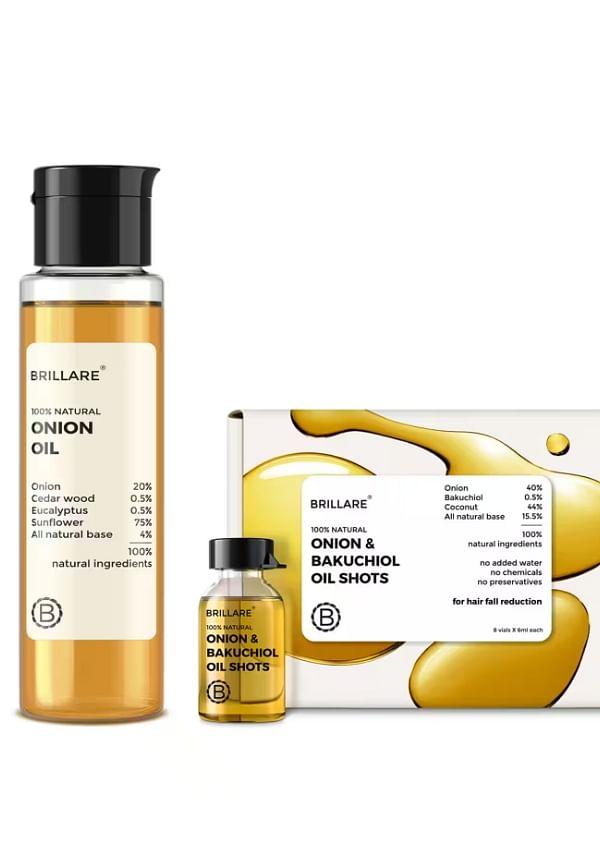
Hair & Scalp Treatment Duo for Dry, Frizzy & Hair Fall-Prone Hair
Monsoon season calls for a complete overhaul of your haircare routine, not just a few tweaks here and there. The increased humidity, frequent rain exposure, and longer periods of dampness require a strategic approach that addresses both immediate protection and long-term hair health.
Daily routine adjustments should focus on moisture balance rather than moisture loading. During humid weather, your hair is already absorbing water from the air, so heavy, creamy products can actually weigh it down and make frizz worse. Switch to lightweight, water-based formulas that provide protection without adding bulk. Your washing frequency might need to increase if you're getting caught in rain regularly, but balance this with gentle, sulfate-free shampoos that won't strip your hair's natural oils.
Weekly deep treatments become non-negotiable during rainy season. Protein masks help strengthen hair that's been weakened by pH fluctuations, whilst moisture-balancing treatments ensure your hair maintains optimal hydration levels despite environmental stress. The key is alternating between protein and moisture treatments based on what your hair needs most that week.
The golden rule for haircare rainy season washing is to cleanse when necessary, not on a rigid schedule. If you've been caught in heavy rain, wash your hair within 24 hours to remove pollutants and restore pH balance. Use a clarifying shampoo once a week to remove mineral buildup, but follow it with a deep conditioning treatment to prevent over-drying. Proper drying technique is crucial—squeeze out excess water gently, apply a heat protectant, and use the lowest heat setting on your dryer to prevent additional damage to already stressed hair.
Monthly maintenance should include professional treatments if possible, or at-home intensive repair masks. Schedule trims every 6-8 weeks during monsoon season, as damaged ends are more susceptible to further deterioration in humid conditions. This proactive approach prevents small problems from becoming major hair disasters.
Sometimes, despite your best efforts, you get caught in a downpour without protection. When this happens, your response in the first few hours can make the difference between minor inconvenience and lasting damage. The goal is to neutralise the effects of rain exposure and restore your hair's natural balance as quickly as possible.
Immediate actions within the first two hours are critical. Gently rinse your hair with clean water to dilute any pollutants or acidic residue from rainwater. Follow with a pH-balancing shampoo—look for products with a pH between 4.5 and 5.5 to restore your hair's natural acidity levels. Avoid hot water, which can further lift the cuticles and increase damage. Instead, use lukewarm water and finish with a cool rinse to help seal the cuticles back down.
The 24-48 hour recovery window is when you can really make a difference in preventing long-term damage. Apply a deep conditioning treatment focusing on the areas that got the most rain exposure. Look for ingredients like keratin, amino acids, or hydrolysed proteins that can temporarily fill in gaps in damaged cuticles. If your hair feels particularly rough or tangled, a protein treatment can help restore strength and elasticity.
Weekly repair protocols should become part of your routine if you're frequently exposed to rain. Intensive masks containing ceramides help rebuild the hair's protective barrier, whilst scalp treatments with antifungal ingredients prevent the buildup of bacteria and yeast that thrive in damp conditions. Remember, consistency is key—sporadic intensive treatments are less effective than regular, moderate care.
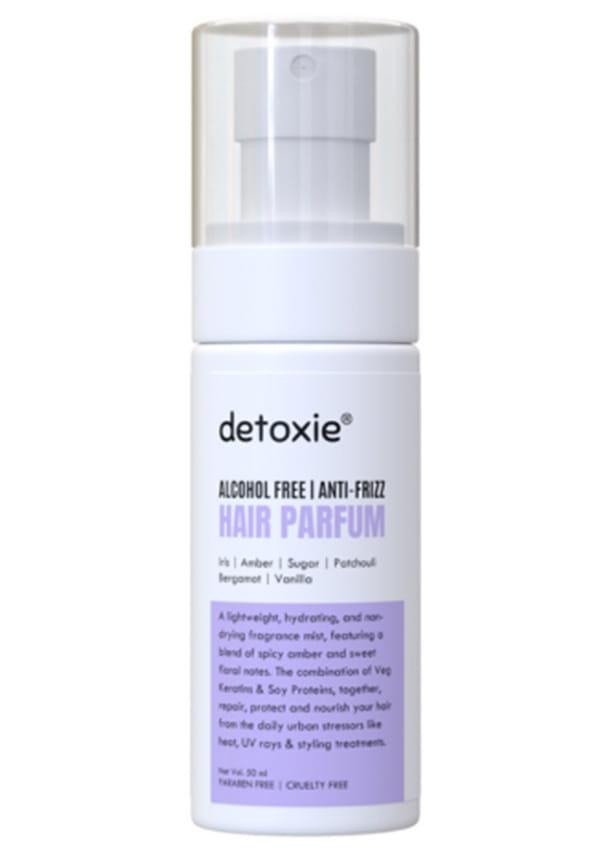
Alcohol Free Anti-Frizz Hair Parfum
Rainwater itself doesn't directly cause permanent hair loss, but it can contribute to temporary hair fall through several mechanisms. The acidic pH and pollutants in rainwater can weaken hair shafts, making them more prone to breakage during brushing or styling. Additionally, if rainwater leads to scalp irritation or fungal infections, this can disrupt the hair growth cycle and cause temporary shedding. However, this type of hair loss is usually reversible with proper care and treatment.
This is a common myth that needs debunking. Whilst pure rainwater is soft and free of the minerals found in hard tap water, modern rainwater contains pollutants and has an acidic pH that can actually inhibit healthy hair growth. The idea that rainwater promotes growth likely comes from older generations who experienced less polluted rainfall. Today's rainwater can disrupt scalp pH balance and create conditions that are counterproductive to optimal hair health.
Yes, you should wash your hair within 24 hours of significant rain exposure, especially in urban areas where pollution levels are high. Use a gentle, pH-balanced shampoo to remove pollutants and restore your hair's natural acidity. If you were only lightly sprinkled and your hair doesn't feel different, a thorough rinse with clean water might be sufficient. However, if you were soaked or the rain felt particularly acidic, a proper wash is definitely recommended.
No, rainwater does not cause lice. This is a misconception—lice are parasites that spread through direct contact with infected individuals or contaminated objects like combs, hats, or pillows. However, the damp conditions that follow rain exposure can create an environment where existing scalp issues become more noticeable or problematic. If you're experiencing scalp itching after rain exposure, it's more likely due to irritation from pollutants or pH imbalance rather than lice.
Absolutely. Chemically treated hair has increased porosity due to the processing, which means it absorbs rainwater and its contaminants more readily than virgin hair. Colour-treated hair is particularly vulnerable because the acidic pH of rainwater can cause colour molecules to fade or shift. Permed or relaxed hair faces additional risks because the chemical bonds that create these treatments can be further weakened by environmental stressors, leading to breakage and texture changes.
Recovery time depends on the extent of damage and your hair's natural growth rate. Surface damage like frizz and dullness can often be improved within a few weeks with proper treatment. However, structural damage to the hair shaft may require growing out the affected hair, which can take several months. The key is starting treatment immediately and maintaining consistent care to prevent further damage whilst new, healthy hair grows in.
Understanding how rain damages hair is the first step towards protecting your precious strands from environmental stressors. From pH imbalance to pollutant exposure, rainwater presents multiple challenges that require a proactive approach rather than reactive damage control. The good news? With the right knowledge and products, you can maintain healthy, beautiful hair regardless of what the weather throws at you.
Remember, prevention will always be more effective than treatment when it comes to rain hair damage. Invest in quality protective products, develop a solid pre-rain routine, and don't underestimate the power of physical barriers like umbrellas and scarves. Your hair will thank you for the extra effort, especially during those unpredictable monsoon months.
Building an effective rain-proof haircare arsenal doesn't have to break the bank or overwhelm your routine. Focus on pH-balancing products, lightweight protective serums, and gentle clarifying treatments that address the specific challenges of rainy weather. Not sure which products might work best for your hair type? Smytten offers trial-size versions of many protective haircare products—a smart way to test different formulas before committing to full-size bottles, especially when you're building a weather-specific routine that needs to work perfectly for your unique hair needs.
