Rain Effects on Scalp FAQ: Your Questions Answered

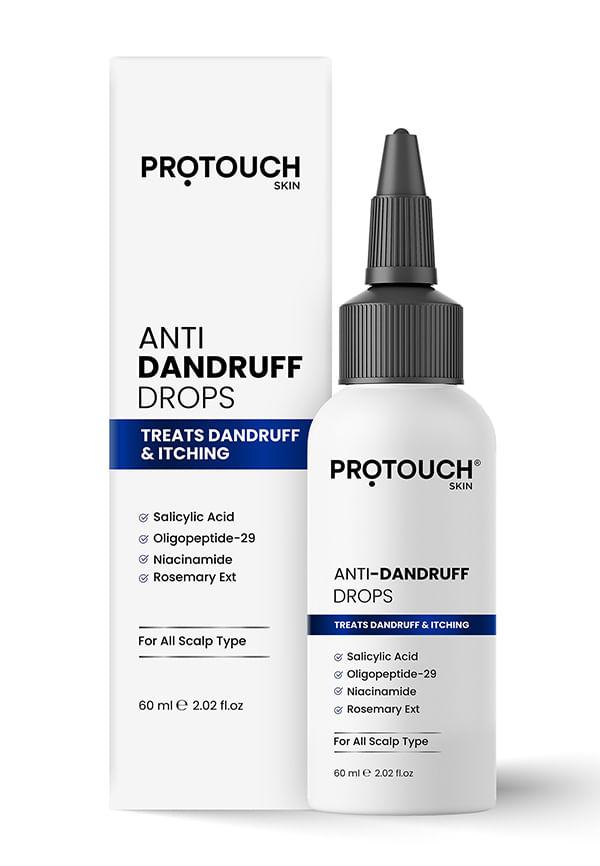
SKIN Anti Dandruff Drops Serum Soothes Itchy, Inflamed Scalp
You know that feeling when you get caught in the rain and your scalp starts acting up the next day? Maybe it's itchier than usual, or you notice more flakes than normal. You're not imagining things—rain can genuinely mess with your scalp health in ways you might not expect. From the pH levels in rainwater to the humidity that follows, your scalp faces a proper challenge during monsoon season. Let's break down what's actually happening up there and how to keep your scalp happy when the weather gets moody.
Real talk—rain isn't just water falling from the sky. By the time it reaches your head, it's picked up all sorts of stuff from the atmosphere. In urban areas, rainwater can have a pH level anywhere from 4.2 to 5.6, making it more acidic than your scalp's natural pH of around 5.5. This slight acidity difference might seem small, but your scalp notices.
When rain hits your scalp, it can disrupt your natural oil balance. Your scalp produces sebum to protect itself, but acidic rainwater can strip away this protective layer. The result? Your scalp might overcompensate by producing more oil, or it could become dry and irritated. Either way, you're looking at potential scalp drama.
Humidity is another major player in this whole rain and hair situation. When the air gets heavy with moisture, your scalp's ability to breathe properly gets compromised. This creates the perfect environment for bacteria and fungi to throw a party on your head—definitely not the kind of party you want to host.
Studies show that scalp issues spike by about 40% during monsoon season. That's not a coincidence. The combination of direct rain exposure and increased humidity creates a perfect storm for scalp problems. Your hair follicles can become clogged more easily, and the excess moisture can lead to inflammation.
Let's get into the nitty-gritty of what actually goes wrong when your scalp meets rainy weather. The most common issues aren't just annoying—they can genuinely affect your hair health if left unchecked.
Humidity is basically a VIP invitation for fungi and bacteria to set up camp on your scalp. When your scalp stays damp for extended periods, it becomes a breeding ground for these unwanted guests. You might notice increased itching, small bumps, or even a musty smell—all signs that your scalp's microbiome is out of balance.
If you're prone to dandruff, rainy weather can make it go absolutely wild. The combination of humidity and temperature changes can trigger Malassezia, the fungus responsible for dandruff, to multiply faster. You'll see more flakes, and they might be larger and more stubborn than usual. This dandruff from rain isn't just cosmetic—it can lead to serious scalp irritation.
That itchy scalp rain brings isn't just in your head. The pH imbalance from acidic rainwater can cause genuine inflammation. Your scalp might feel tender, look red, or develop small bumps. This inflammation can also make your hair follicles weaker, leading to increased hair fall.
Polluted rainwater doesn't just sit on your scalp—it can penetrate into your hair follicles. Urban rainwater often contains sulfur compounds, nitrogen oxides, and other pollutants that can damage the delicate environment around your hair roots. This damage can affect hair growth and make existing hair more fragile.
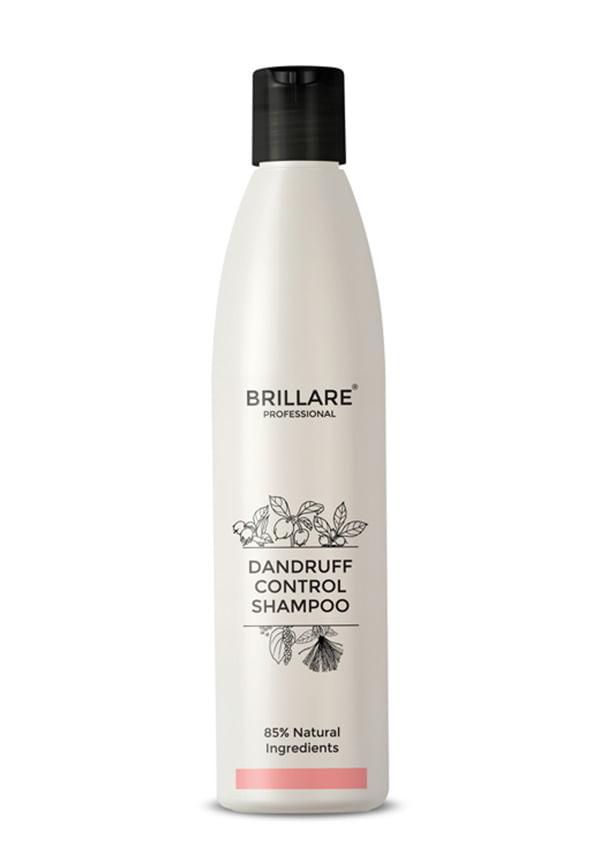
Dandruff Control Shampoo For Itchy, Flaky Scalp
Here's something that might surprise you—the first rain of the season is often the most damaging. After months of dry weather, the atmosphere is loaded with accumulated pollutants. When rain finally comes, it washes all these chemicals down, creating a concentrated cocktail that's particularly harsh on your scalp.
Acid rain hair damage isn't just an environmental buzzword—it's a real concern, especially in cities with high pollution levels. The sulfuric and nitric acids in polluted rainwater can actually alter your hair's protein structure. Your hair might feel rougher, look duller, or become more prone to breakage after exposure to acidic rain.
The signs of acid rain damage are pretty specific. Your hair might feel straw-like even when wet, or you might notice that your usual products aren't working as well. Your scalp could also develop a persistent itch that doesn't respond to regular anti-dandruff treatments.
Geographic location plays a huge role here. If you live in an industrial area or a city with heavy traffic, your rainwater is likely more acidic. Coastal areas might have slightly better rainwater quality, but urban pollution still affects the pH levels significantly.
That hair frizz humidity brings isn't just about bad hair days—it's actually your hair responding to moisture in the air. When humidity levels spike, your hair cuticles lift to absorb moisture from the environment. This makes your hair look frizzy and feel unmanageable, but it also affects your scalp health.
High humidity doesn't just affect your hair strands—it changes how your scalp behaves too. When your hair cuticles are constantly lifting and closing due to moisture changes, it creates tension at the root level. This can make your scalp feel tight and uncomfortable.
Losing 50-100 hairs a day is normal, but during monsoon season, you might notice this number creeping up. The combination of scalp inflammation, clogged follicles, and the physical stress of constantly wet and dry cycles can push more hairs into the shedding phase. If you're losing significantly more than usual, it's worth paying attention to your haircare rainy season routine.
Constant exposure to humidity can actually cause your hair to lose protein while gaining too much moisture. This creates weak, stretchy hair that's prone to breakage. Your scalp might also struggle to maintain its natural moisture balance, leading to either excessive oiliness or unexpected dryness.
If you have natural hair rain can be particularly challenging. The texture changes that come with humidity can make your hair harder to manage, and the increased manipulation required for styling can stress your scalp. Natural hair also tends to be more porous, making it more susceptible to environmental damage from polluted rainwater.
You've probably heard older generations talk about how rainwater hair wash used to be amazing for hair. There's some truth to this—pure rainwater is naturally soft and free from the minerals that make tap water hard. In theory, it should be gentler on your hair and scalp.
But here's the catch: modern rainwater isn't the same as it was decades ago. Today's rainwater, especially in urban areas, comes loaded with pollutants that can actually harm your hair and scalp. The romantic idea of washing your hair in the rain might sound appealing, but the reality is more complicated.
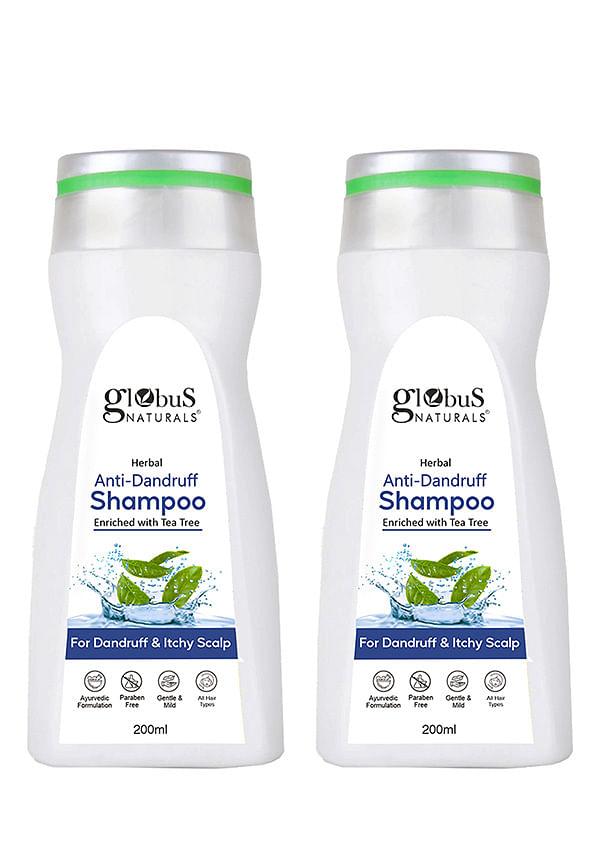
Anti Dandruff Shampoo, For Dandruff and Itchy Scalp
If you live in a rural area with minimal pollution, collected rainwater (properly filtered) might still offer some benefits. It's softer than most tap water and doesn't contain chlorine or fluoride. However, you'd need to ensure it's properly filtered to remove any atmospheric pollutants and stored safely to prevent bacterial growth.
For most of us living in cities, sticking to treated tap water or filtered water is the safer bet. The potential benefits of rainwater simply don't outweigh the risks of exposing your scalp to urban pollutants.
Now that we've covered what goes wrong, let's talk about what actually works. The key to managing your scalp during rainy season isn't about avoiding rain entirely—it's about being smart with your haircare routine.
Before heading out in potentially rainy weather, apply a light leave-in conditioner or hair serum to create a protective barrier. This won't completely shield your hair from rain, but it can help minimise direct contact between rainwater and your scalp. Tying your hair up or wearing a hat can also reduce exposure.
If you get caught in the rain, don't wait days to wash your hair. Rinse your scalp with clean water as soon as possible to remove any pollutants or acidic residue. Use a gentle, pH-balanced shampoo that won't further disrupt your scalp's natural balance. Follow up with a lightweight conditioner to restore moisture without weighing your hair down.
During rainy season, switch to products specifically designed for humid conditions. Look for anti-fungal shampoos if you're prone to scalp infections, or clarifying shampoos to remove buildup from environmental pollutants. Lightweight, water-based leave-in treatments work better than heavy oils or creams that can trap moisture against your scalp.
If you're dealing with persistent scalp problems during rainy season, consider professional treatments. Scalp exfoliation treatments can help remove buildup and dead skin cells, while antifungal treatments can address any infections. Some salons also offer protective treatments that can help shield your hair from environmental damage.
Yes, rain can definitely irritate your scalp, especially if you live in an urban area. The acidic pH of polluted rainwater can disrupt your scalp's natural balance, leading to irritation, inflammation, and increased sensitivity. The humidity that follows rain can also create conditions for bacterial and fungal growth, which further irritates the scalp.
Some increase in hair fall during rainy season is normal due to humidity, scalp irritation, and environmental factors. However, if you're losing significantly more hair than usual (more than 100-150 strands per day) or notice bald patches, it's worth consulting a dermatologist. The key is distinguishing between seasonal shedding and problematic hair loss.

Intensive Scalp Repair Anti Dandruff Shampoo
To minimise monsoon hair fall, keep your scalp clean and dry, use gentle pH-balanced shampoos, avoid tying wet hair tightly, and ensure your scalp gets proper air circulation. Regular scalp massages can improve blood circulation, and using anti-fungal treatments can prevent scalp infections that contribute to hair fall.
Occasional exposure to rainwater typically doesn't cause permanent damage, but repeated exposure to heavily polluted rainwater can lead to cumulative damage. The key is prompt cleansing after rain exposure and using protective measures. If you notice persistent changes in your hair texture or scalp health, it's worth addressing these issues before they become long-term problems.
Consider seeing a dermatologist if you experience persistent itching that doesn't respond to anti-dandruff shampoos, unusual hair loss patterns, scalp infections that keep recurring, or any changes in your scalp that don't improve with proper care. Early intervention can prevent minor issues from becoming major problems.
Absolutely. High humidity creates an environment where bacteria and fungi thrive, even without direct rain contact. Your scalp might produce excess oil, develop fungal infections, or become irritated simply from prolonged exposure to humid conditions. This is why scalp issues often persist throughout the rainy season, not just on rainy days.
Pure rainwater is naturally soft and free from the minerals that make tap water hard, which could theoretically be gentler on hair. However, in today's polluted environment, these potential benefits are far outweighed by the risks of chemical contamination. Clean, filtered water remains the safest option for hair care.
Ideally, rinse your hair with clean water within a few hours of rain exposure to remove any pollutants or acidic residue. If immediate washing isn't possible, at least rinse with clean water and follow up with a proper shampoo within 24 hours. The longer polluted rainwater sits on your scalp, the more potential for irritation.
Managing your scalp health during rainy season doesn't have to be a constant battle. Understanding how rain affects your scalp—from pH disruption to humidity-related issues—helps you make smarter choices about your haircare routine. The key is being proactive rather than reactive.
Remember that not all scalp issues during rainy season are serious, but they shouldn't be ignored either. Simple changes like using the right products, protecting your hair before going out, and cleansing properly after rain exposure can make a huge difference in how your scalp feels and looks.
If you're dealing with persistent scalp problems, don't hesitate to seek professional help. What starts as minor irritation can develop into more serious issues if left untreated. Your scalp health affects your overall hair health, so it's worth investing in proper care.
When you're ready to try new products for your rainy season haircare routine, Smytten's curated selection includes gentle shampoos, scalp treatments, and protective products from trusted brands. Not sure which format works for your scalp? Smytten also offers trial-size versions of many of these products—a good way to test what works before committing to full-size bottles.
