Quiff vs Pompadour: Expert Styling Insights

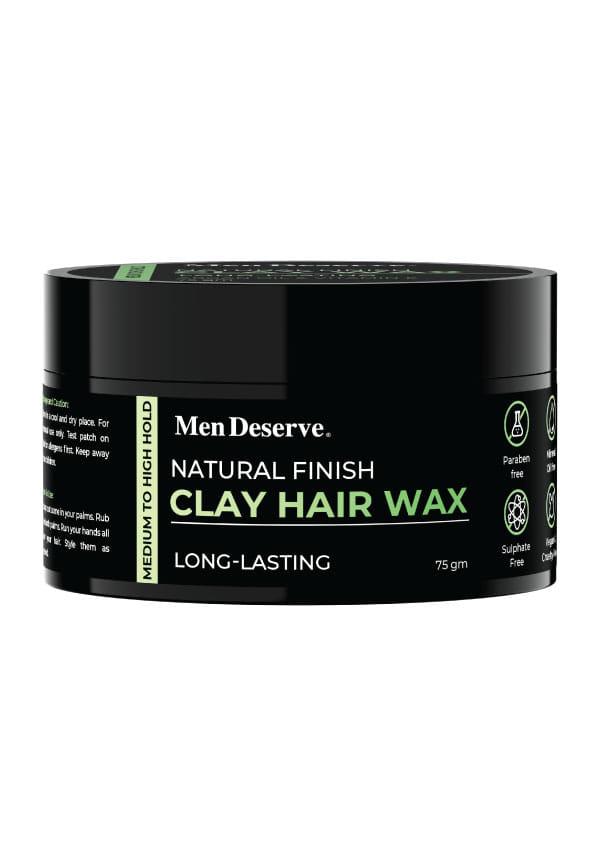
Hair Clay Wax for Natural and Matte Finish Look
Let's be real—choosing between a quiff and a pompadour can feel like picking your signature style for life. Both are absolute classics in the men's hair styles world, but they couldn't be more different in vibe. The quiff gives you that effortlessly cool, textured look that screams 'I woke up like this' (even though you definitely didn't). Meanwhile, the pompadour is all about that sleek, structured drama that says 'I've got my life together.' Whether you're scrolling through men's hair trends or trying to nail down your go-to look, understanding these two iconic classic men's haircuts will help you find your perfect match. Ready to dive into the ultimate quiff vs pompadour breakdown?
The main difference between these two haircut styles for men comes down to direction and attitude. Think of it as the difference between a relaxed weekend vibe and a sharp boardroom presence.
A quiff hairstyle is all about that upward and slightly forward movement. Picture your hair reaching towards the sky but with a casual, 'I didn't try too hard' energy. The texture is key here—you want that lived-in, slightly messy finish that looks natural.
The volume in a quiff is distributed more evenly across the top, creating a softer silhouette. Your hair moves with you, bouncing slightly as you walk. It's the kind of style that works whether you're grabbing coffee or heading to a casual dinner.
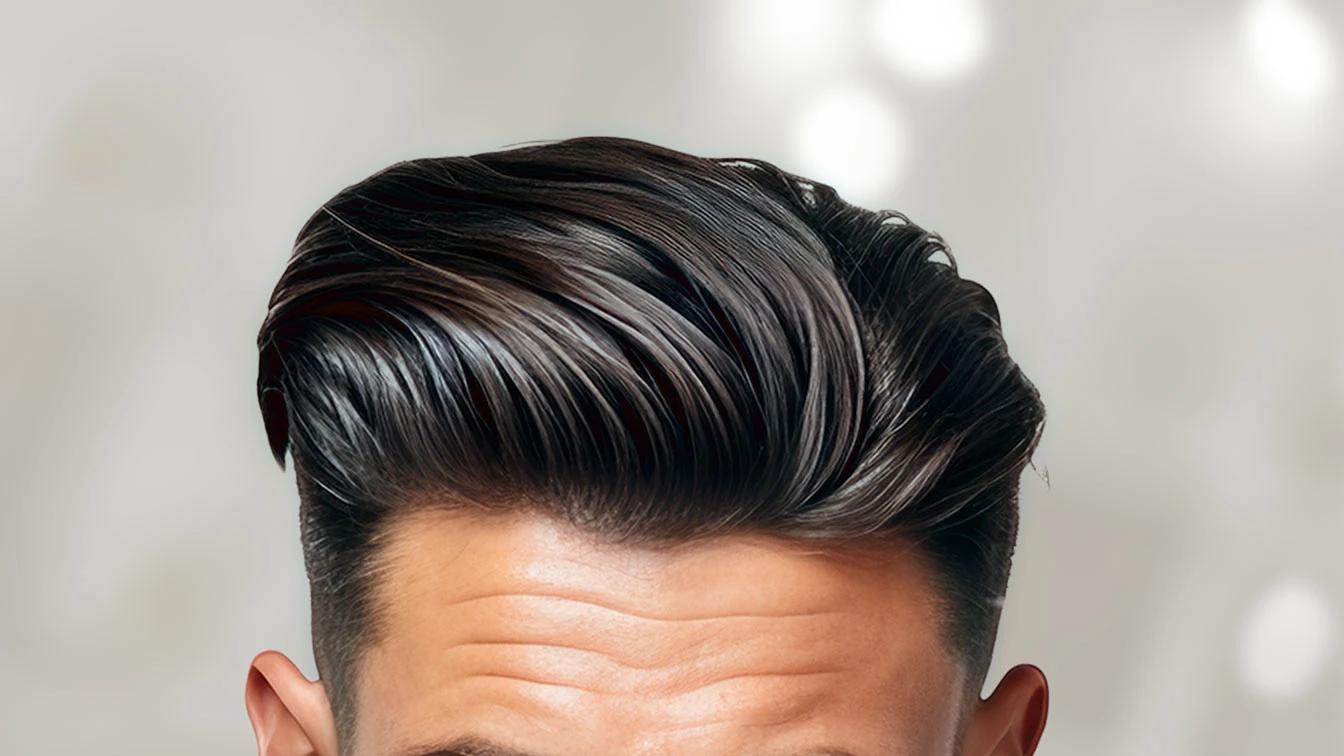
Now, a pompadour haircut takes things in a completely different direction—literally. Everything sweeps upward and backward, creating that signature dramatic height at the front. This is where sleek meets structured, and every strand has a purpose.
The volume concentrates heavily at the front section, creating an almost architectural look. It's bold, it's confident, and it definitely makes a statement. Think old Hollywood glamour meets modern sophistication.
Here's where the quiff vs pompadour debate gets interesting:
Styling direction: Quiff goes up and forward; pompadour sweeps up and back
Texture: Quiff embraces natural movement; pompadour demands sleek control
Formality: Quiff suits casual to semi-formal; pompadour handles formal to black-tie events
Maintenance: Quiff forgives a messy day; pompadour needs consistent upkeep
Not every style works for every face, and that's perfectly fine. Finding your ideal match from these best men's hairstyles depends on working with what you've got.
Oval faces are basically the golden ticket here—quiffs complement that balanced proportion beautifully. Square faces benefit from the softened edges a textured quiff provides, whilst heart-shaped faces love how the volume balances out a wider forehead.
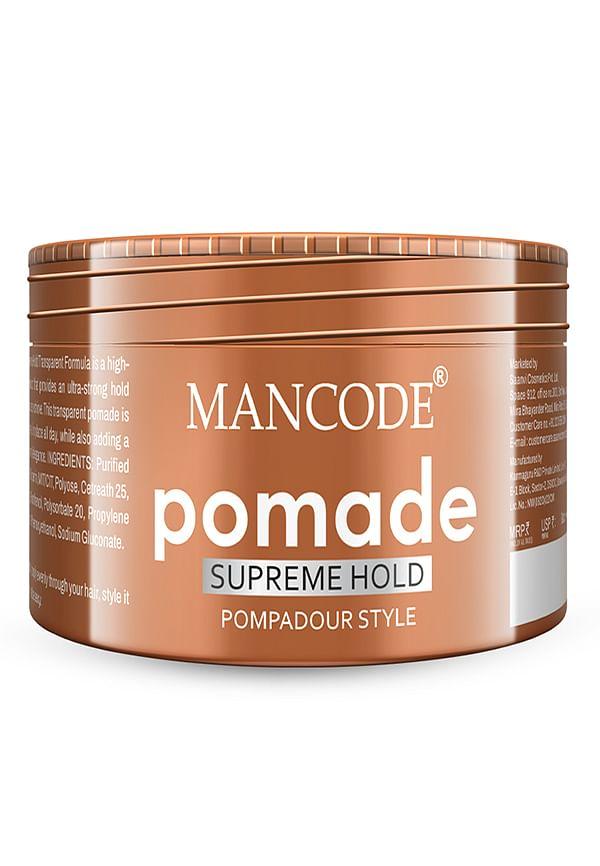
Hair Styling Pomade Wax for Men, Supreme Hold, Non-Greasy, Water-Based
Good Hold & Wet Look
 4
4“i thought it won't be worth it, but it is, it's very good, it has decent hold and wet look”
Good Hold & Wet Look
4“i thought it won't be worth it, but it is, it's very good, it has decent hold and wet look”
Round faces get amazing definition from a pompadour's height, creating length that balances facial width. Diamond-shaped faces work brilliantly with the dramatic front volume, and oblong faces can handle the bold proportions without overwhelming their features.
Fine hair actually works better with quiffs—the textured styling adds visual thickness. Thick hair can handle either style, but pompadours really shine with dense hair that can support that dramatic height. Wavy hair creates gorgeous natural texture in quiffs, whilst straight hair gives pompadours that sleek finish they're famous for.
Learning how to style a quiff is like mastering the art of looking effortlessly put-together. It's easier than you think, but the technique makes all the difference.
You'll need a decent blow dryer, a round brush for volume, and a wide-tooth comb for sectioning. Product-wise, think texture paste or sea salt spray for that natural finish, plus a light-hold hairspray to keep things in place without the crunch.
Start with damp hair and apply your texture product from mid-lengths to ends. Use the round brush to lift sections upward and slightly forward whilst blow-drying. The key is creating volume without making it look forced.
Once dry, use your fingers to separate and define the texture. Think of it as controlled chaos—you want movement and dimension, not a helmet effect. Finish with a light mist of hairspray if needed.
Don't overload on product—less is definitely more with quiffs. Avoid blow-drying straight up; that slight forward angle is what makes it a quiff, not a pompadour. And please, resist the urge to comb it into submission. Embrace the texture.
Mastering how to style a pompadour requires precision and the right approach. This isn't a 'wing it and hope for the best' kind of style.
Invest in a quality pomade—this is non-negotiable. You'll also need a fine-tooth comb, a blow dryer with a concentrator nozzle, and possibly a round brush for extra volume. Heat protection spray is your friend here.
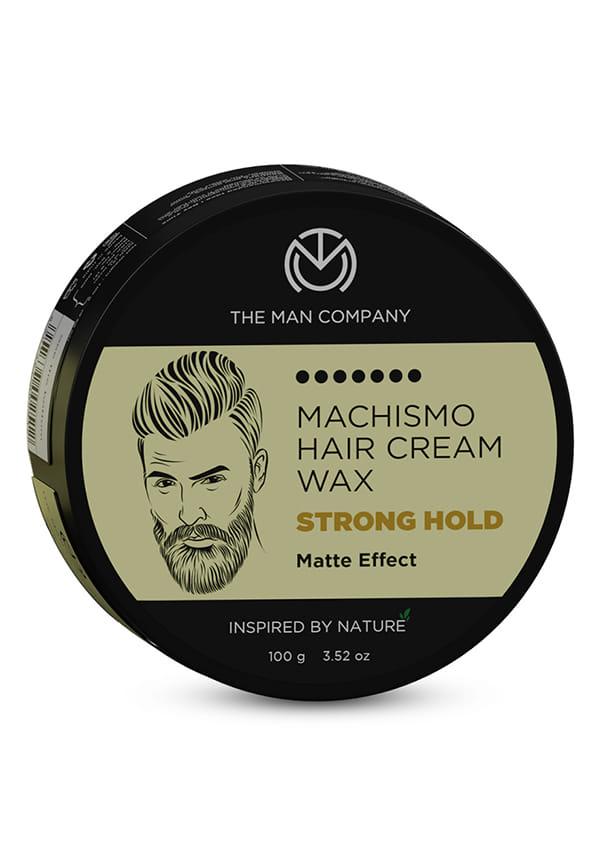
Machismo Hair Styling Cream Wax Hair Wax
Great for Daily Care
4“wow wow product... Good for daily care”
Positive Product Review
4“The product is good i liked it”
Excellent Product
5“Really a great product.Using on a daily basis”
Apply pomade to damp hair, focusing on the top section. Use the blow dryer and comb to sweep everything upward and backward, creating that signature height at the front. The motion should be smooth and continuous.
Once you've got the basic shape, use the fine-tooth comb to perfect the sleek finish. Every hair should have its place. The sides should lie flat whilst the top maintains that dramatic volume.
If your pompadour falls flat by lunchtime, you might need a stronger hold pomade or a light hairspray finish. Cowlicks can be tamed by working against their natural growth pattern during styling. Patience is key—this style rewards practice.
Both styles have evolved beautifully with current men's hair trends, proving that classics never really go out of style—they just get fresh updates.
The textured quiff adds even more movement and dimension, perfect for that Instagram-ready look. Undercut quiffs combine the best of both worlds—classic on top, modern on the sides. Fade integration creates seamless transitions that look incredibly polished.
Modern pompadours often feature faded sides for a contemporary edge. The disconnected pompadour creates dramatic contrast between lengths. Some guys are even experimenting with pompadour-quiff hybrids that blend the structure of one with the texture of the other.
Both styles are having major moments right now. Social media has definitely influenced how these looks are interpreted, with more emphasis on personalisation and individual texture. Celebrity endorsements keep pushing these classics into the spotlight.
Real talk—both styles require commitment, but in different ways. Understanding the daily reality helps you choose what actually works for your lifestyle.
Quiffs are surprisingly low-maintenance once you get the hang of it. Five minutes with some texture paste and you're sorted. Pompadours need more attention—expect 10-15 minutes of careful styling each morning, plus potential touch-ups.
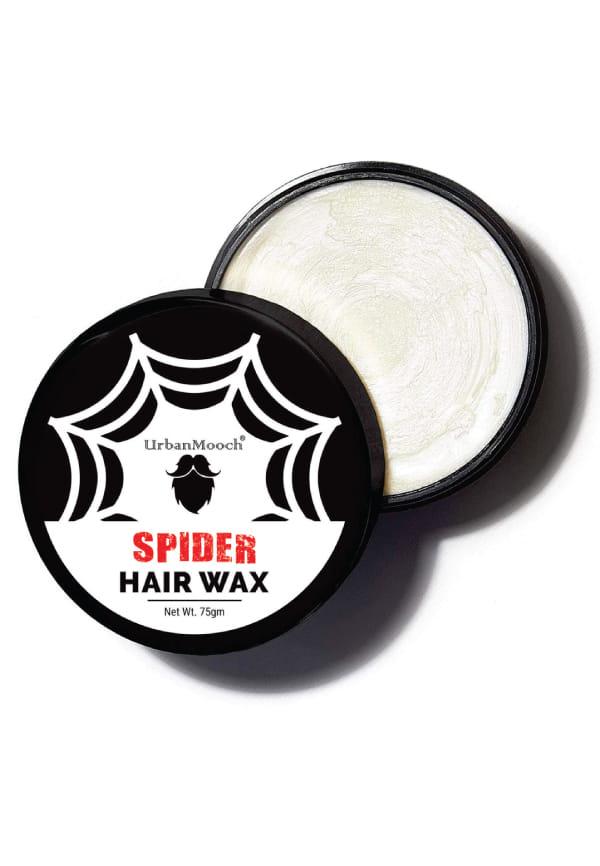
Spider Hair Wax
When asking for either style, bring photos. Seriously. Words like 'short' and 'long' mean different things to different people. Explain whether you want modern or classic versions, and discuss your daily styling commitment honestly.
Growing out a quiff into pompadour length takes patience—about 6-8 weeks typically. Going the other way is easier; you can often restyle a pompadour cut into a quiff with different product and technique. When exploring new haircare products to perfect your chosen style, platforms like Smytten make it incredibly easy to try different styling products without committing to full sizes. With curated trial packs from trusted brands, you can discover what works best for your hair type and styling routine before making larger purchases.
The key difference lies in styling direction and finish. Quiffs go upward and slightly forward with a textured, relaxed appearance, whilst pompadours sweep upward and backward with a sleek, structured look.
Pompadours generally suit formal environments better due to their polished, structured appearance. However, a well-styled quiff can work in most professional settings, especially in creative industries.
Quiffs typically take 5-7 minutes once you've mastered the technique. Pompadours require 10-15 minutes of careful styling and may need touch-ups throughout the day.
Sometimes, yes. If you have the right length and cut, you can often switch between styles using different products and techniques. However, each style has optimal cut requirements.
Quiffs work particularly well on oval, square, and heart-shaped faces. Round faces might benefit more from a pompadour's height, though a well-styled quiff can still work with the right proportions.
Choosing between these iconic classic men's haircuts really comes down to your personal style and lifestyle. Quiffs offer that perfect balance of cool and casual, whilst pompadours deliver undeniable sophistication and drama. Both have earned their place among the best men's hairstyles for good reason—they're timeless, versatile, and incredibly flattering when done right.
The beauty of exploring different men's hair styles is discovering what makes you feel most confident. Whether you're drawn to the relaxed texture of a quiff or the structured elegance of a pompadour, the key is finding a skilled barber who understands your vision and working with products that suit your hair type. Remember, the best haircut is one that makes you feel like the best version of yourself—and both of these classics have that power in spades.
