Protect Hair from Rain FAQ: Your Rainy Day Hair Solutions Answered


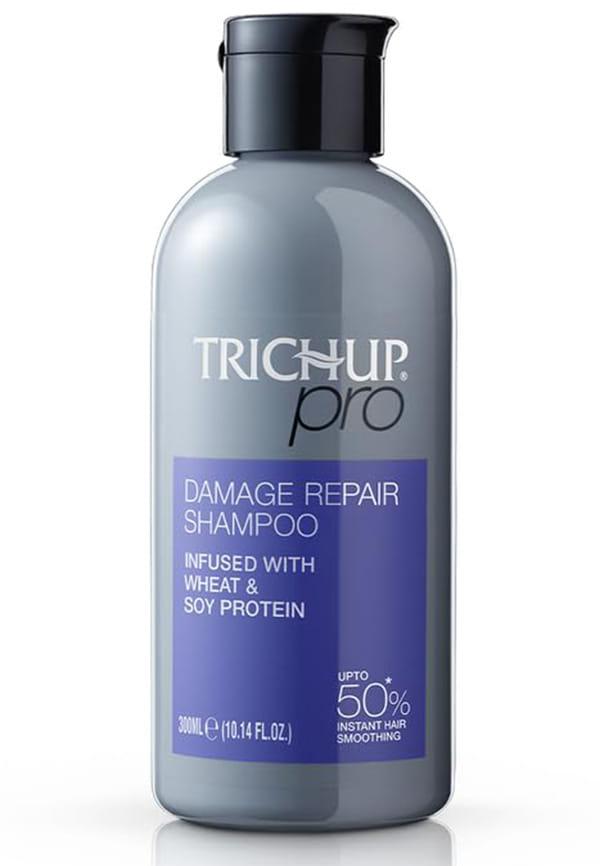
Trichup Pro Damage Repair Shampoo for Dry Frizzy Hair Instant Dual Action
You're rushing to catch the bus when the first drops hit. By the time you reach shelter, your carefully styled hair has transformed into something that looks like you stuck your finger in an electrical socket. Sound familiar? Rain and humidity are basically hair's worst enemies, turning sleek styles into frizzy disasters faster than you can say "monsoon season." But here's the thing—protecting your hair from rain isn't rocket science. It's about knowing the right tricks, having the right products, and being prepared before those clouds open up.
Real talk: the best defence against rain damage starts way before you step outside. Think of it like skincare—prevention beats correction every single time. Your hair needs a proper moisture barrier to keep humidity from wreaking havoc on your strands.
The secret lies in creating a protective shield around each strand. When your hair is properly moisturised and sealed, it's less likely to absorb excess moisture from the air. This means less frizz, less volume expansion, and more of that smooth finish you actually want.
Start with damp (not soaking) hair and apply a leave-in conditioner from mid-length to ends. This creates your first line of defence. Follow up with an anti-humidity serum or spray—these products contain silicones that form a protective coating around your hair shaft.
Your hair texture matters here. Fine hair needs lightweight formulas that won't weigh it down, whilst thick or coarse hair can handle richer, creamier products. Curly hair benefits from gel-based products that define curls whilst providing humidity protection.
Sometimes the simplest solutions work best. A silk scarf tied around your hair creates a moisture barrier whilst looking effortlessly chic. Rain bonnets might not be Instagram-worthy, but they're incredibly effective for heavy downpours.
When using an umbrella, angle it slightly forward to protect your hairline—that's usually where frizz starts first. Keep a compact umbrella in your bag during monsoon season, because weather apps aren't always reliable.
Not all hair products are created equal when it comes to weather protection. You need formulas specifically designed to repel moisture whilst maintaining your style. Think of these as your hair's raincoat—they create a barrier between your strands and the elements.
The key ingredients to look for include silicones like dimethicone and cyclomethicone, which form a protective film around each strand. Natural options include argan oil and coconut oil, though these work better for thicker hair types that can handle the extra weight.
Anti-humidity sprays are your best friend for fine to medium hair. Apply them to damp hair before styling, focusing on areas that tend to frizz first—usually around your face and crown. These products work by creating an invisible shield that repels moisture.
Serums work differently—they penetrate the hair shaft to smooth the cuticle whilst providing surface protection. Use them sparingly; a few drops distributed through damp hair is usually enough. Too much and you'll end up with greasy-looking strands.
Leave-in treatments offer dual benefits: they nourish your hair whilst providing weather protection. Look for formulas that contain both moisturising ingredients (like hyaluronic acid or glycerin) and protective elements (like silicones or natural oils).
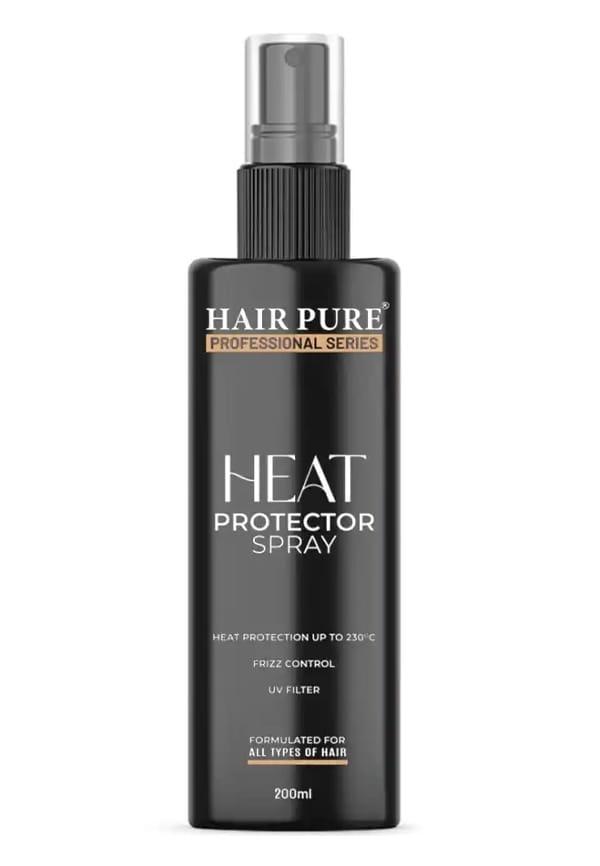
Heat Protector Spray Heat Protection Up to 230ºC, Controls Frizz
Protective creams are perfect for thick, coarse, or chemically treated hair. They provide intense moisture whilst creating a barrier against humidity. Apply them to towel-dried hair, focusing on the most damaged areas.
Your hairstyle choice can make or break your rainy day look. The goal is to work with your hair's natural texture rather than against it. Fighting humidity with heat styling usually ends in disappointment—and more frizz.
The best rain-proof styles keep hair close to your head and minimise surface area exposed to humidity. Think sleek, contained styles rather than loose, flowing looks that give humidity more hair to attack.
A low bun is your rainy day MVP. Smooth hair back with a brush and some styling gel, twist into a bun, and secure with bobby pins. The key is using enough product to keep flyaways in check without making your hair look crunchy.
Braids work brilliantly for medium to long hair. A simple side braid or Dutch braid keeps hair contained whilst looking polished. For extra protection, mist your finished braid with anti-humidity spray.
Keep a small bottle of diluted leave-in conditioner in your bag for emergency touch-ups. Mix one part conditioner with three parts water in a spray bottle. A few spritzes can tame unexpected frizz without weighing hair down.
Hair oils are brilliant for quick fixes. A tiny amount warmed between your palms and smoothed over frizzy areas can restore shine and control. Focus on the outer layer of hair—that's what people see first.
Understanding why humidity causes frizz helps you fight it more effectively. Your hair is basically a sponge—when there's moisture in the air, damaged or porous hair absorbs it, causing the hair shaft to swell and the cuticle to lift. This creates that dreaded frizzy texture we all know too well.
The solution isn't to completely block moisture (that would make your hair brittle) but to control how much your hair absorbs. It's about finding the right balance between hydration and protection.
Hair porosity plays a huge role in how your hair reacts to humidity. High-porosity hair (often damaged or chemically treated) absorbs moisture quickly, leading to rapid frizz formation. Low-porosity hair resists moisture absorption but can still frizz if the humidity is extreme.
Your hair's natural texture also matters. Curly and coily hair types are naturally more porous, making them more susceptible to humidity damage. Straight hair might not frizz as dramatically but can lose its sleek appearance and become limp or unruly.
When blow-drying for humidity resistance, always use a heat protectant and finish with cool air to seal the cuticle. The smoother your cuticle, the less likely humidity is to penetrate your hair shaft.
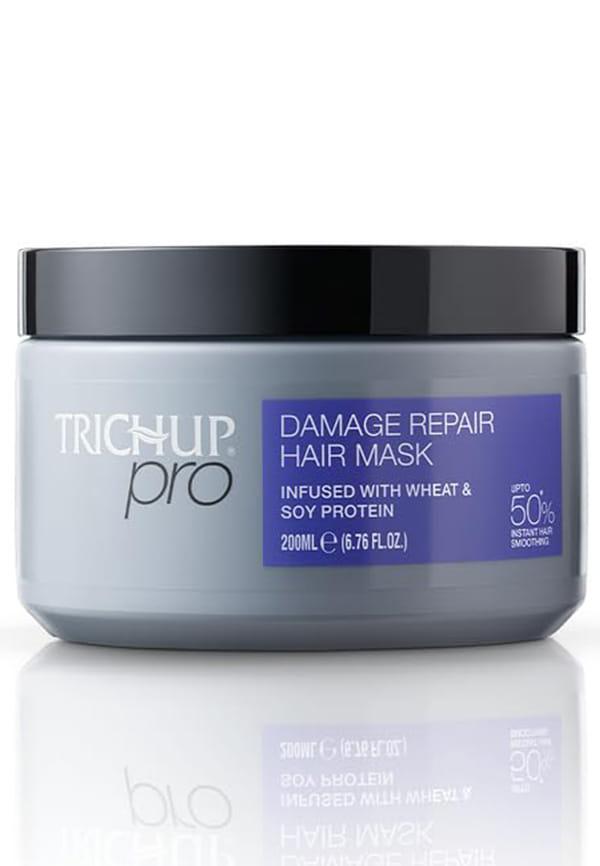
Trichup Pro Damage Repair Hair Mask for Dry Frizzy Hair Intensely Binds
Product layering is key: start with a leave-in conditioner, add a heat protectant, then finish with an anti-humidity product. Each layer serves a purpose in your humidity defence system.
Creating a weather-specific hair routine is like having a game plan for different seasons. Your hair's needs change based on humidity levels, temperature, and your daily activities. During monsoon season, your routine should focus heavily on moisture control and protection.
The key is consistency. Using protective products occasionally won't give you the results you want. Your hair needs time to build up that protective barrier, so make weather protection part of your daily routine.
Start with a clarifying shampoo once a week to remove product buildup that can weigh hair down. Follow with a moisturising conditioner, focusing on mid-lengths and ends. On non-wash days, refresh your hair with a light mist of leave-in conditioner mixed with water.
Check the weather forecast before styling. High humidity days call for protective styles and extra anti-humidity products. Light drizzle might only need a quick spritz of protective spray.
If you get caught in the rain, don't panic. Gently squeeze excess water from your hair with a microfibre towel—never rub, as this creates more frizz. Apply a small amount of leave-in conditioner whilst your hair is still damp.
For next-day styling, refresh your hair with a mixture of water and leave-in conditioner. Scrunch gently to reactivate your natural texture, or smooth back into a sleek style with a bit of styling gel.
Professional stylists swear by a few key techniques that make all the difference in humid weather. The most important? Proper product application and timing. Most people apply too much product or use the wrong products for their hair type.
Another pro secret: your hair's condition matters more than the products you use. Healthy, well-moisturised hair naturally resists humidity better than damaged hair. Regular deep conditioning treatments and protein masks can improve your hair's ability to handle weather changes.
Stylists recommend the "less is more" approach with anti-humidity products. Start with a small amount and build up if needed. Too much product can weigh hair down and actually attract moisture rather than repel it.
Temperature matters when applying products. Slightly warm products penetrate better than cold ones. Rub serums or oils between your palms to warm them before applying to your hair.
Keep a small emergency kit in your bag: a few bobby pins, a mini hair elastic, and a travel-size anti-frizz serum. These basics can help you create a quick updo or tame frizz until you get home.
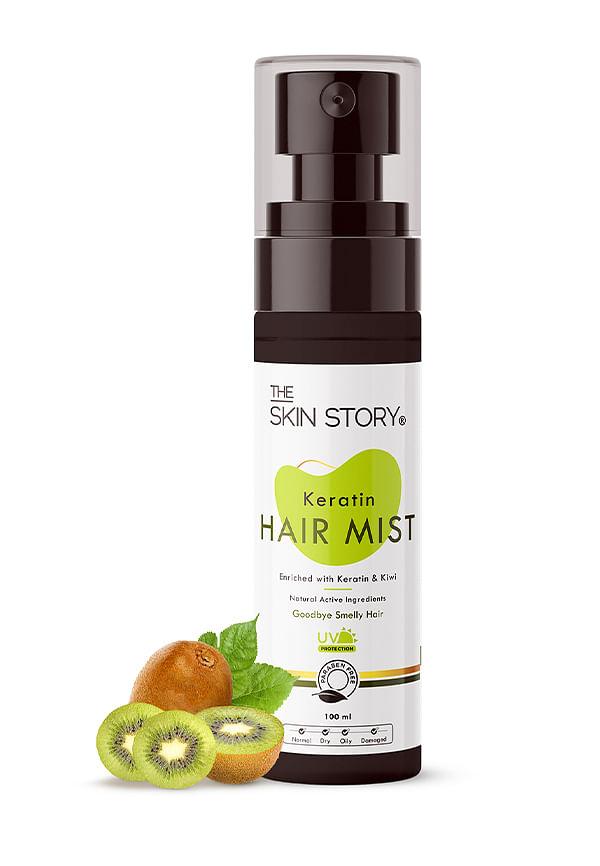
Keratin Hair Mist Enriched With Refreshing Kiwi Essence, UV Protection | For All Hair Types
If you're at work and need a quick fix, try the bathroom paper towel trick. Dampen a paper towel slightly and gently press it over frizzy areas to smooth them down. Follow with a tiny amount of hand cream (yes, really) smoothed over the outer layer of hair for instant shine and control.
Apply protective products to damp hair before styling, ideally 30-60 minutes before heading out. This gives the products time to properly coat your hair and create an effective barrier. If you're applying to dry hair, do it at least 15 minutes before exposure to humidity.
Fine hair needs lightweight, spray-based products that won't weigh it down. Look for volumising anti-humidity sprays or light serums. Thick hair can handle heavier creams and oils that provide more intensive protection. The key is matching the product weight to your hair's density.
Don't touch your hair whilst it's wet—this only makes frizz worse. Gently squeeze out excess water with a microfibre towel, apply a leave-in conditioner, and either let it air dry naturally or use a diffuser on low heat. For quick fixes, try scrunching with a bit of hair oil or smoothing into a low bun.
A low bun or side braid works best for most hair types. These styles keep hair contained and look intentional even if you had to create them quickly. For shorter hair, try slicking it back with gel or creating defined waves with a bit of mousse.
Natural oils like argan or coconut oil can provide some humidity protection, but they work differently than specially formulated anti-humidity products. Oils are better for adding shine and smoothing frizz after it occurs, whilst anti-humidity products prevent frizz from forming in the first place.
This depends on your hair type and how much product you use. Generally, washing 2-3 times per week is sufficient for most people. Over-washing can strip natural oils that help protect against humidity, whilst under-washing can lead to product buildup that weighs hair down.
Protecting your hair from rain doesn't have to be complicated. It's about understanding your hair type, using the right products, and having a solid game plan for different weather conditions. The key is preparation—your hair will thank you for thinking ahead rather than trying to fix damage after it happens.
Remember, healthy hair naturally handles humidity better than damaged hair. Regular deep conditioning treatments, gentle handling, and protective styling all contribute to your hair's ability to weather any storm. Don't expect overnight miracles, but with consistent care and the right techniques, you can definitely win the battle against humidity.
Looking to experiment with different hair rain protection products? Smytten offers trial-size versions of many anti-humidity sprays, leave-in treatments, and protective serums from trusted brands—a smart way to find what works for your hair type before investing in full-size products. After all, why settle for frizzy hair when you can find your perfect rainy day routine?
