Preventing Hair Fall Naturally FAQ: Your Questions Answered

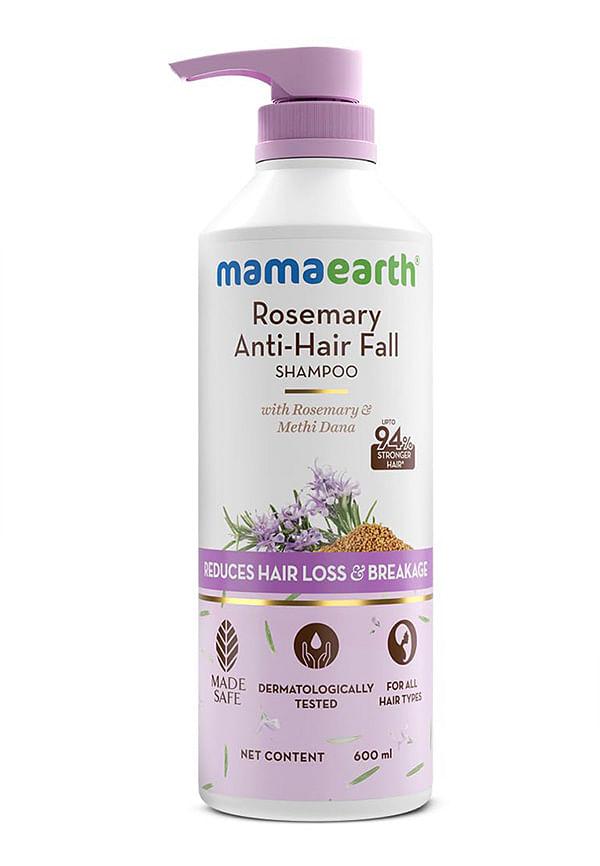
Rosemary Anti-Hair Fall Shampoo with Rosemary & Methi Dana for Reducing Hair Loss & Breakage
You know that sinking feeling when you see more hair in your brush than usual? Or when your ponytail feels noticeably thinner? Hair fall can be genuinely stressful, especially when you're not sure what's normal and what's not. The good news is that preventing hair fall naturally is totally doable with the right approach. From understanding what's actually happening on your scalp to finding remedies that work without harsh chemicals, there are plenty of gentle ways to keep your hair healthy and strong. Let's dive into the most common questions about natural hair fall prevention and get you some real answers.
First things first—losing some hair every day is completely normal. Your hair goes through a natural growth cycle, and shedding 50 to 100 strands daily is just part of the process. Think of it like leaves falling from a tree; it's renewal, not destruction. But when you start noticing clumps in the shower drain or your hairline looking different, that's when it's worth paying attention.
Excessive hair fall often shows up as visible thinning, especially around the crown or temples. You might notice your scalp showing through more than before, or your hair feeling less dense overall. Common triggers include stress (hello, exam season or work deadlines), hormonal changes like pregnancy or thyroid issues, and nutritional deficiencies from restrictive diets or poor eating habits.
The key is recognising patterns. If you've been stressed for months and suddenly your hair feels thinner, there's likely a connection. Similarly, if you've drastically changed your diet or started new medications, your hair might be responding to those changes. When hair fall persists for more than three months or comes with other symptoms like scalp irritation or sudden bald patches, it's worth consulting a dermatologist or trichologist.
Let's get into the remedies that have actual science backing them up. Natural doesn't mean ineffective—some of these treatments have been used for centuries and modern research is finally catching up to explain why they work.
Onion juice might sound odd, but it's genuinely effective for hair fall control. The sulfur compounds in onions help boost collagen production, which strengthens hair follicles. Apply fresh onion juice to your scalp, leave it for 20-30 minutes, then wash with a mild shampoo. Yes, it smells, but the results are worth it.
Aloe vera gel is another powerhouse for preventing hair fall naturally. Its anti-inflammatory properties soothe irritated follicles and create a healthy environment for hair growth. Apply pure aloe vera gel directly to your scalp, massage gently, and leave for an hour before rinsing.
Fenugreek seeds are brilliant for hair strengthening. Soak them overnight, grind into a paste, and apply to your scalp and hair. The proteins and nicotinic acid in fenugreek help rebuild hair structure and improve circulation. Egg masks work similarly—the protein content helps repair damaged hair cuticles and adds strength to weak strands.
Green tea isn't just for drinking. Cooled green tea makes an excellent final rinse after shampooing. The antioxidants help protect hair follicles from damage and may even help block DHT, a hormone linked to hair loss. These home remedies for hair fall are gentle enough for regular use and cost a fraction of salon treatments.
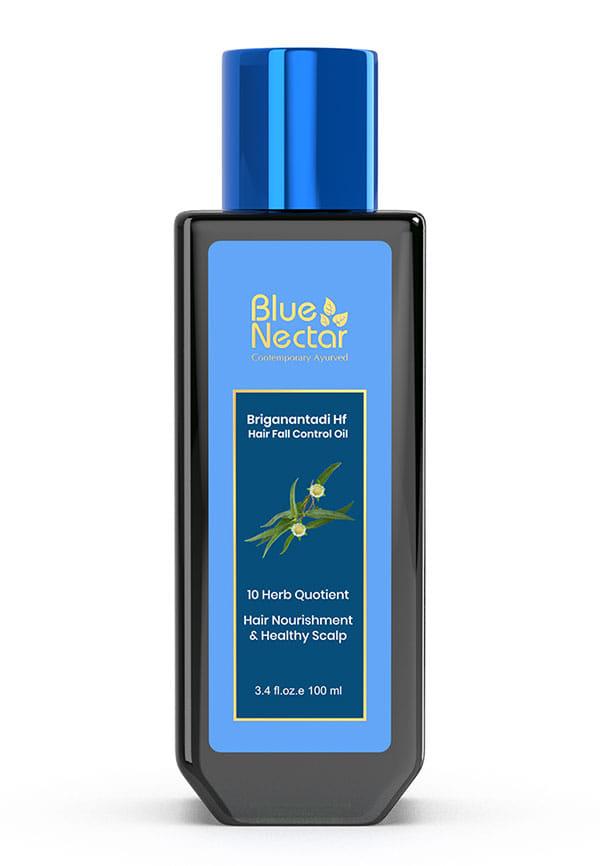
Briganantadi Hair Fall control and Healthy Scalp Hair Oil 10 Herbs
Your hair is basically a reflection of what you eat. Since hair follicles are among the most active cells in your body, they need consistent nutrition to function properly. Poor nutrition shows up in your hair faster than almost anywhere else.
Protein is non-negotiable for healthy hair since hair is primarily made of keratin, a type of protein. Include eggs, Greek yoghurt, lean meats, and legumes in your diet regularly. Iron is equally important—low iron levels are one of the most common causes of hair fall in women. Spinach, lentils, chickpeas, and lean red meat are excellent sources.
Vitamin C helps your body absorb iron more effectively, so pair iron-rich foods with citrus fruits, berries, or bell peppers. B-vitamins, especially biotin, support follicle health and can be found in whole grains, nuts, and seeds.
Omega-3 fatty acids from fish, walnuts, and flaxseeds help maintain scalp health and add shine to hair. Zinc deficiency can cause hair thinning, so include pumpkin seeds, oysters, and chickpeas in your meals. Antioxidant-rich foods like berries, dark leafy greens, and colourful vegetables protect hair follicles from environmental damage and support overall scalp health.
Sometimes the simplest changes make the biggest difference. Your daily haircare routine might be contributing to hair fall without you realising it. Small adjustments can lead to immediate improvements in hair strength and reduced breakage.
Hot water strips natural oils from your scalp and hair, leading to dryness and breakage. Stick to lukewarm or cool water instead. Choose sulfate-free shampoos that clean without being harsh—your scalp should feel clean but not tight or dry after washing.
When conditioning, focus on the mid-lengths and ends of your hair rather than the scalp. This prevents weighing down your roots while still providing moisture where it's needed most. How often you wash depends on your hair type—oily hair might need daily washing, while dry or textured hair can go longer between washes.
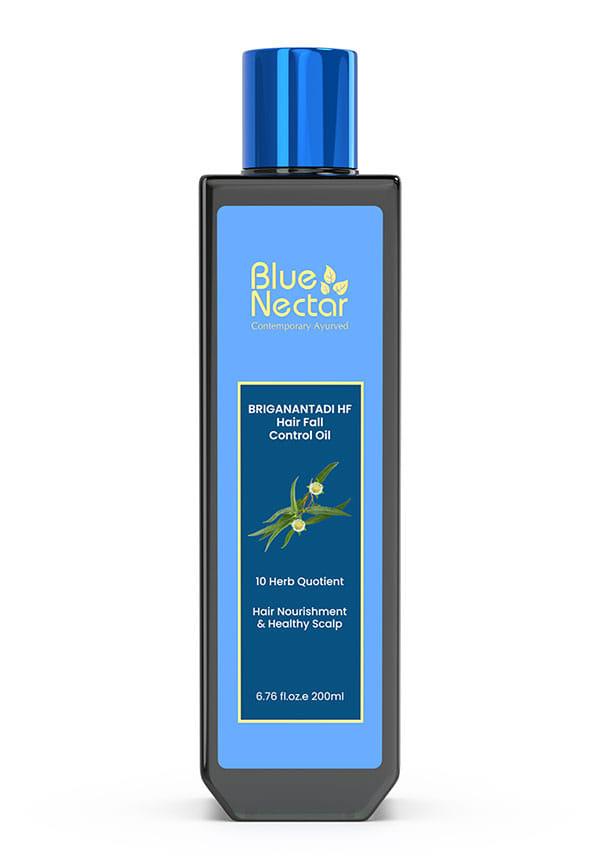
Briganantadi Hair Fall control and Healthy Scalp Hair Oil 10 Herbs
Air-drying is your hair's best friend. If you must use heat tools, always apply a heat protectant and use the lowest effective temperature. Sleeping on a silk or satin pillowcase reduces friction that can cause breakage overnight.
When detangling, start from the ends and work your way up using a wide-tooth comb. Never brush wet hair aggressively—it's at its most vulnerable when saturated with water. These haircare tips might seem basic, but they're the foundation of healthy hair.
Your lifestyle has a massive impact on your hair health. Stress, sleep quality, and daily habits all play a role in whether your hair thrives or struggles. The good news is that positive changes in these areas benefit your overall wellbeing, not just your hair.
Chronic stress pushes hair follicles into a resting phase, leading to increased shedding. Regular meditation, even just 10 minutes daily, can help lower cortisol levels. Deep breathing exercises and yoga poses that increase blood flow to the scalp, like downward dog or headstands, can support healthy hair growth.
Quality sleep is crucial for hair regeneration. Aim for 7-9 hours nightly and try to maintain consistent sleep and wake times. Your hair grows most actively during deep sleep phases, so poor sleep directly impacts hair health.
Avoid tight hairstyles that pull on your hairline—think high ponytails, tight braids, or buns worn daily. This constant tension can lead to traction alopecia, where hair follicles become damaged from repeated pulling.
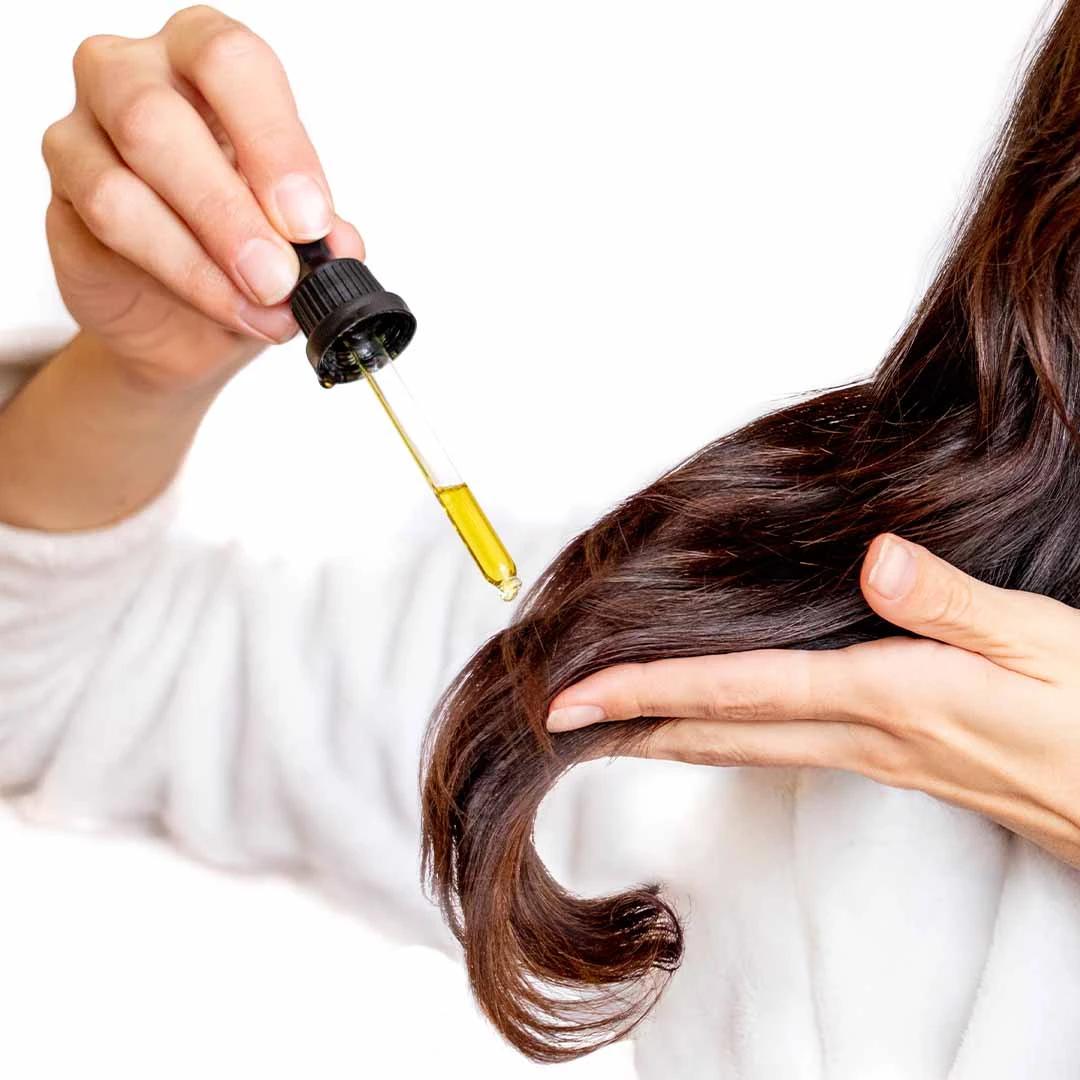
Regular scalp massage improves blood circulation to hair follicles. Spend 5-10 minutes massaging your scalp with your fingertips while watching TV or before bed. You can do this dry or with a few drops of oil. Protecting your hair from environmental damage—UV rays, pollution, chlorine—also helps maintain strong, healthy strands.
Gen Z faces unique stressors that previous generations didn't deal with at the same scale. Constant social media exposure, academic pressure, climate anxiety, and economic uncertainty create chronic stress that directly impacts hair health. Additionally, many young people have adopted restrictive diets or irregular eating patterns that can lead to nutritional deficiencies. Screen time and blue light exposure may also disrupt sleep patterns, affecting the body's natural repair processes including hair growth.
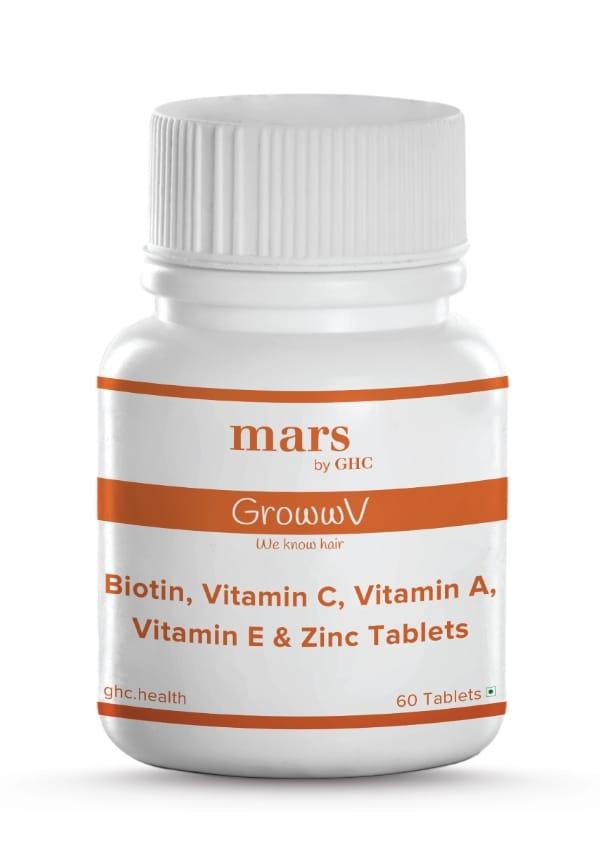
Biotin Natural Supplement to Control Hair Fall
The three pillars of natural hair regrowth are consistent scalp massage to improve circulation, proper nutrition with adequate protein and vitamins, and effective stress management. These three work synergistically—good nutrition provides the building blocks, scalp massage delivers nutrients to follicles, and stress management ensures your body isn't working against itself. Unlike harsh treatments, these natural approaches support your body's own healing mechanisms.
Losing 700 hairs daily is definitely not normal and indicates a significant hair fall problem that needs attention. Normal hair shedding ranges from 50-100 hairs per day. If you're losing this much hair, it could indicate telogen effluvium (stress-related hair loss), nutritional deficiencies, hormonal imbalances, or other underlying health issues. This level of hair loss warrants a consultation with a dermatologist or trichologist to identify the root cause.
About 90% of your hair structure is made up of keratin, a fibrous protein that gives hair its strength and elasticity. Keratin is built from amino acids, which is why protein intake is so crucial for healthy hair. The remaining 10% consists of water, lipids, and trace minerals. This is why protein-rich foods and treatments that support keratin production are so effective for hair strengthening and preventing breakage.
For women, immediate hair fall control starts with gentle handling and proper nutrition. Stop using tight hairstyles, switch to silk pillowcases, and avoid heat styling. Apply aloe vera gel or onion juice to your scalp 2-3 times weekly. Increase protein intake and ensure you're getting enough iron and B-vitamins. Hormonal fluctuations from periods, pregnancy, or PCOS can affect hair loss in women, so tracking your cycle might reveal patterns in your hair fall.
Male hair loss often involves DHT sensitivity, so natural DHT blockers like green tea, pumpkin seed oil, and saw palmetto can help. Regular scalp massage with rosemary oil has shown promising results in studies. Focus on reducing inflammation through diet—limit processed foods and increase omega-3 fatty acids. Stress management is crucial since cortisol can worsen male pattern hair loss. Consistency is key with natural approaches, as results typically take 3-6 months to become noticeable.
Preventing hair fall naturally is absolutely achievable with the right combination of gentle care, proper nutrition, and lifestyle adjustments. Remember that hair growth is a slow process—natural remedies typically take 2-3 months to show visible results, so patience is essential. Focus on creating sustainable habits rather than looking for quick fixes.
The most effective approach combines multiple strategies: nourishing your body from within with proper nutrition, treating your scalp and hair gently, managing stress levels, and using proven natural remedies consistently. What works best can vary from person to person, so don't be afraid to experiment with different combinations of treatments.
If you're looking to explore different haircare products to support your natural hair fall prevention routine, Smytten offers trial-size versions of many hair strengthening and growth-supporting products from trusted brands. This way, you can test what works for your specific hair type and concerns before committing to full-size products—a smart approach when building your personalised hair care regimen.
