Preventing Hair Fall in Monsoon FAQ: Your Questions Answered

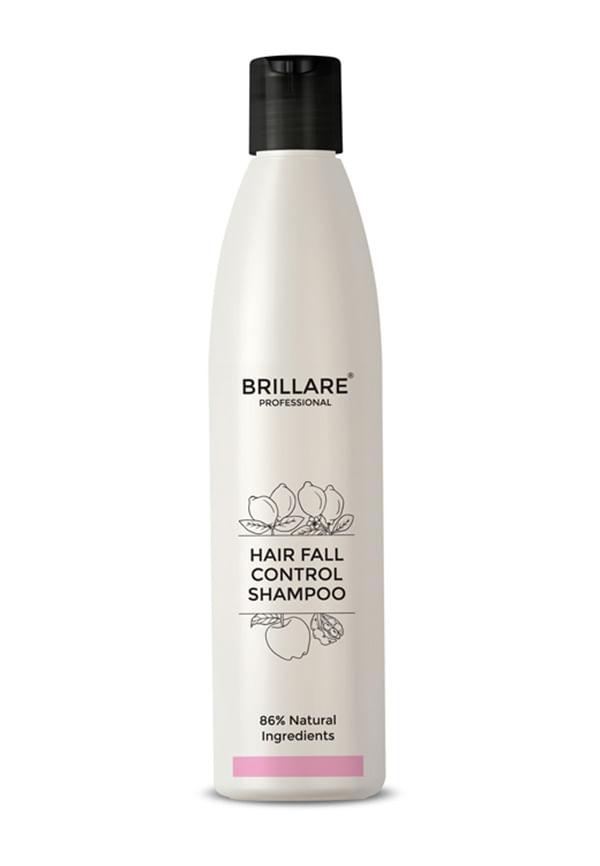
Shampoo To Reduce Seasonal Hair Fall
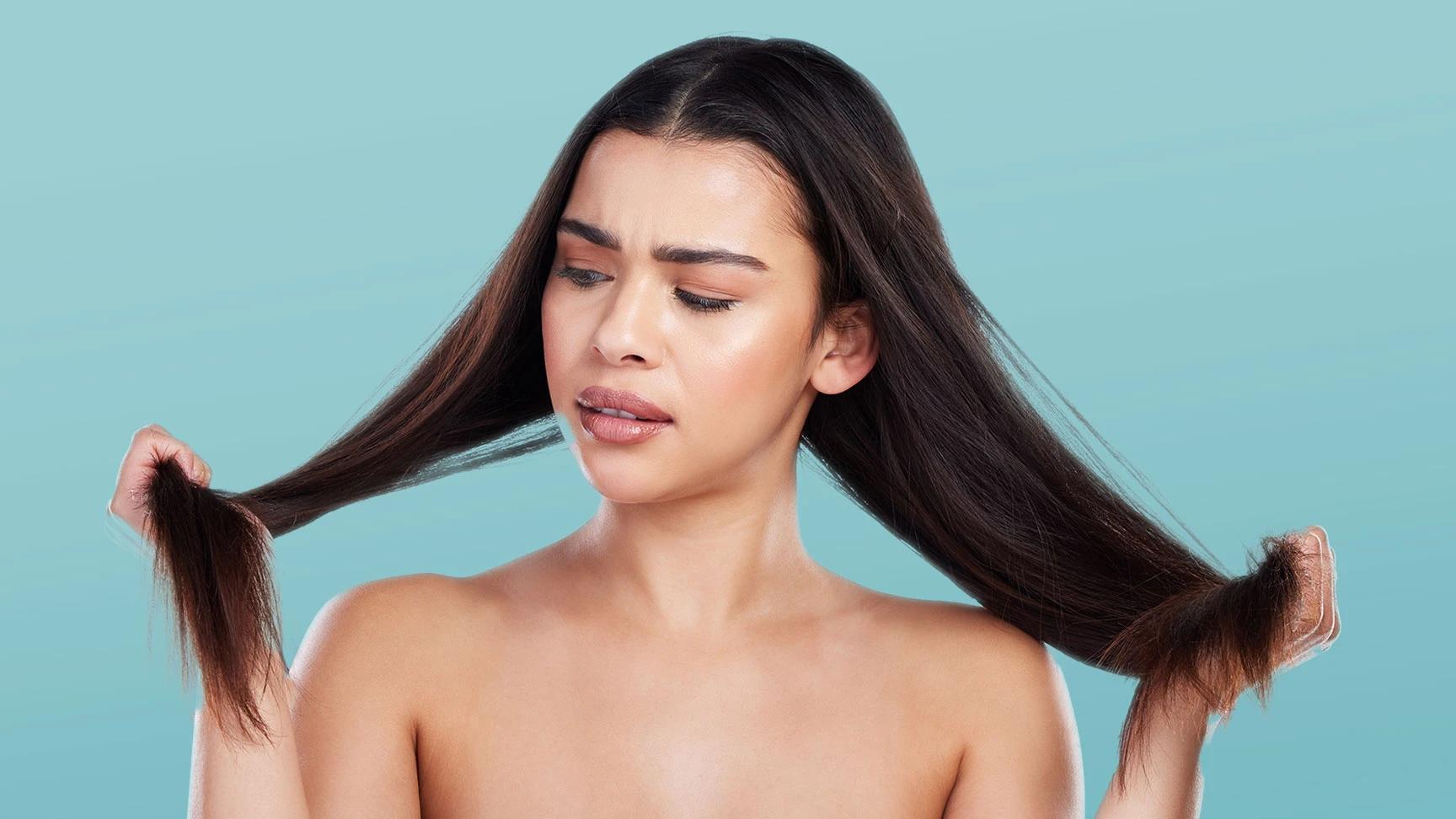
You know that sinking feeling when you run your fingers through your hair and find way more strands than usual? Yeah, monsoon season has that effect. The humidity, the constant dampness, the unpredictable weather—your hair basically goes through its own emotional rollercoaster. But here's the thing: you're not imagining it, and you're definitely not alone. Let's sort through the most common questions about preventing hair fall in monsoon and get your hair back to feeling like itself again.
Real talk—monsoon weather is basically your hair's worst enemy. The science behind it is pretty straightforward, but the effects can feel overwhelming. When humidity levels spike during the rainy season, your hair shaft absorbs all that extra moisture from the air. This causes the hair cuticle to swell and become more fragile, making strands prone to breakage.
But it's not just the humidity doing the damage. Rainwater often carries pollutants, chemicals, and acidic compounds that can weaken your hair follicles. Plus, the constant dampness creates the perfect breeding ground for fungal infections on your scalp. These infections can disrupt your hair growth cycle and lead to increased shedding.
Your body also goes through hormonal fluctuations during seasonal transitions. These changes can affect your hair growth cycle, pushing more follicles into the shedding phase. Studies show that hair fall can increase by 20-30% during monsoon compared to other seasons. So if you're noticing more hair in your brush or on your pillow, you're experiencing a very real, very common phenomenon.
Let's get one thing straight—losing some hair during monsoon is totally normal. Your hair naturally goes through growth and shedding cycles, and seasonal changes can temporarily speed up this process. On average, losing 50-100 strands daily is considered normal, but during monsoon, this number might bump up to 150-200 strands.
However, if you're finding clumps of hair on your pillow or losing 300+ strands daily, that's when you should start paying attention. Excessive hair fall during monsoon usually shows up as visible thinning, bald patches, or hair that feels significantly thinner than usual. The good news? Most seasonal hair fall is temporary and your hair typically bounces back once the weather stabilises.
Keep track of your hair fall patterns. If the excessive shedding continues beyond the monsoon season or you notice your hair isn't growing back as it should, it might be time to consult a dermatologist. Sometimes, underlying conditions like thyroid issues or nutritional deficiencies can get triggered during seasonal changes.
Watch out for sudden bald patches, scalp irritation, or hair that breaks off at the roots rather than falling out naturally. These could indicate fungal infections or other scalp conditions that need medical treatment.
Prevention is honestly your best bet when it comes to monsoon hair fall. Start preparing your hair before the rainy season hits full force. A good scalp detox can work wonders—think of it as spring cleaning for your head. Use a clarifying shampoo once a week to remove product buildup and environmental pollutants that can clog your hair follicles.
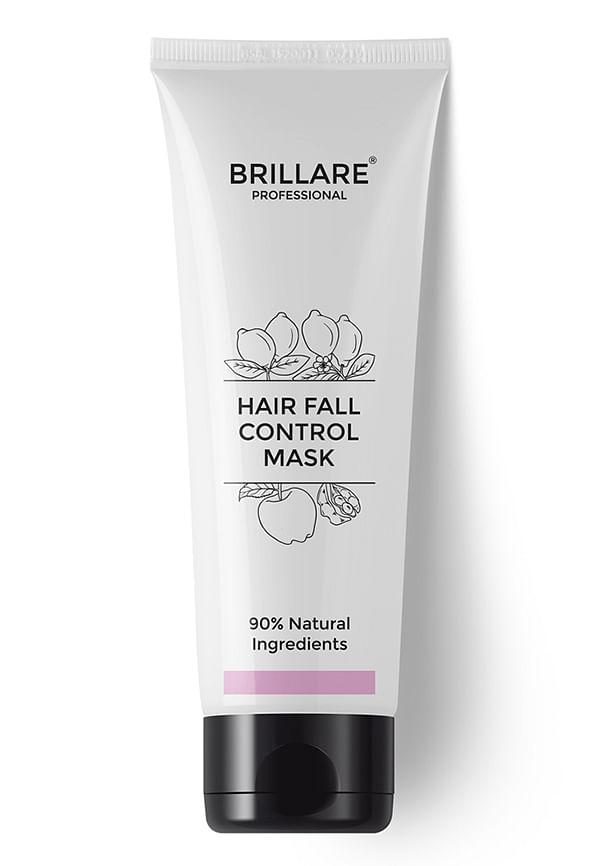
Conditioner To Reduce Seasonal Hair Fall
Daily protection is where most people mess up. Never, and we mean never, leave your hair exposed to rainwater. That seemingly innocent drizzle is loaded with pollutants that can seriously damage your hair structure. Always carry a scarf, umbrella, or hat when you're heading out during monsoon.
If you do get caught in the rain, wash your hair as soon as possible with a gentle shampoo. Don't let that rainwater sit on your scalp for hours—it's basically asking for trouble. After washing, make sure to dry your hair completely. Damp hair and scalp create the perfect environment for fungal growth, which can lead to serious hair fall issues.
Weekly oil massages become non-negotiable during monsoon. Choose oils with antifungal properties like coconut, neem, or tea tree oil. Massage your scalp gently for 10-15 minutes to improve blood circulation and strengthen your hair roots. This simple ritual can significantly reduce seasonal hair fall.
Your kitchen is basically a treasure trove of hair fall remedies. Aloe vera gel is your monsoon MVP—it has antifungal properties and provides deep hydration without making your hair greasy. Apply fresh aloe vera gel directly to your scalp, leave it for 30 minutes, then wash with a mild shampoo.
Ginger and honey make an incredible combination for improving scalp circulation. Grate fresh ginger, mix it with honey, and apply this paste to your scalp. The ginger stimulates blood flow while honey provides antimicrobial protection. Leave it on for 20 minutes before washing off.
Onion juice might sound intense, but it's genuinely effective for hair strengthening. The sulfur compounds in onions help rebuild hair proteins and improve follicle health. Blend an onion, strain the juice, and apply it to your scalp. Yes, it smells, but the results are worth it.
For a more pleasant experience, try fenugreek seed masks. Soak fenugreek seeds overnight, grind them into a paste, and apply to your scalp. These seeds are packed with proteins and nicotinic acid that strengthen hair follicles and reduce hair fall. Curry leaves oil is another fantastic option—boil fresh curry leaves in coconut oil until they turn black, strain, and use this oil for regular massages.
Strong hair starts from within, and monsoon season demands extra nutritional support. Load up on biotin-rich foods like eggs, nuts, and leafy greens. Vitamin D becomes crucial during monsoon since you're getting less sunlight—consider supplements after consulting your doctor.
Iron deficiency often gets worse during monsoon due to poor absorption, so include iron-rich foods like spinach, lentils, and lean meats in your diet. Omega-3 fatty acids from fish, walnuts, and flaxseeds help maintain scalp health and reduce inflammation that can contribute to hair fall.
Professional scalp treatments can be game-changers during monsoon. Look for treatments that focus on deep cleansing and antifungal protection. Protein treatments help repair damage caused by humidity and environmental pollutants. Some salons offer specialized monsoon hair care packages that include scalp analysis and customized treatments.
If natural remedies aren't cutting it, don't hesitate to explore medical options. Topical treatments containing minoxidil or natural DHT blockers can help reduce excessive hair fall. Always consult a dermatologist before starting any medical treatment.
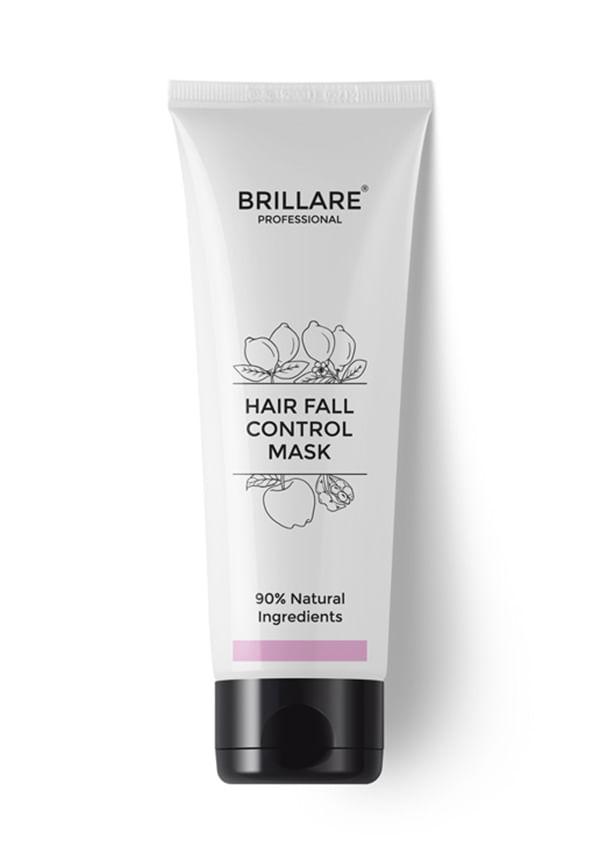
Hair Fall Control Mask To Reduce Seasonal Hair Fall
Let's talk about the mistakes that are probably making your hair fall worse. Tying wet hair tightly is a major no-no—wet hair is at its most vulnerable state, and tight hairstyles can cause breakage and traction alopecia. If you must tie your hair when it's damp, use a loose scrunchie and avoid pulling it back tightly.
Heat styling during monsoon is basically self-sabotage. Your hair is already dealing with excess moisture and environmental stress—adding heat damage on top of that is asking for trouble. If you absolutely must use heat tools, always apply a heat protectant and use the lowest effective temperature.
Ignoring scalp hygiene is another common mistake. During monsoon, your scalp produces more oil and is exposed to more pollutants. This doesn't mean you should wash your hair daily—over-washing can strip natural oils and make hair fall worse. Find the right balance, usually every 2-3 days, depending on your hair type.
When combing wet hair, always start from the ends and work your way up. Use a wide-tooth comb or a detangling brush specifically designed for wet hair. Never brush wet hair aggressively—this is when most breakage happens.
Focus on keeping your scalp clean and dry, protect your hair from rainwater, and maintain a consistent oiling routine. Use natural antifungal ingredients like neem, tea tree oil, or apple cider vinegar in your hair care routine. Ensure you're getting adequate nutrition, especially proteins, vitamins, and minerals that support hair health.
Yes, most monsoon-related hair fall is temporary and hair typically regrows within 3-6 months after the season ends. However, this depends on how well you care for your scalp during the rainy season. Proper care during monsoon can actually speed up the regrowth process.
Monsoon and the transition from winter to summer typically cause the most hair fall in India. The high humidity during monsoon and the sudden temperature changes during seasonal transitions stress hair follicles and disrupt growth cycles.
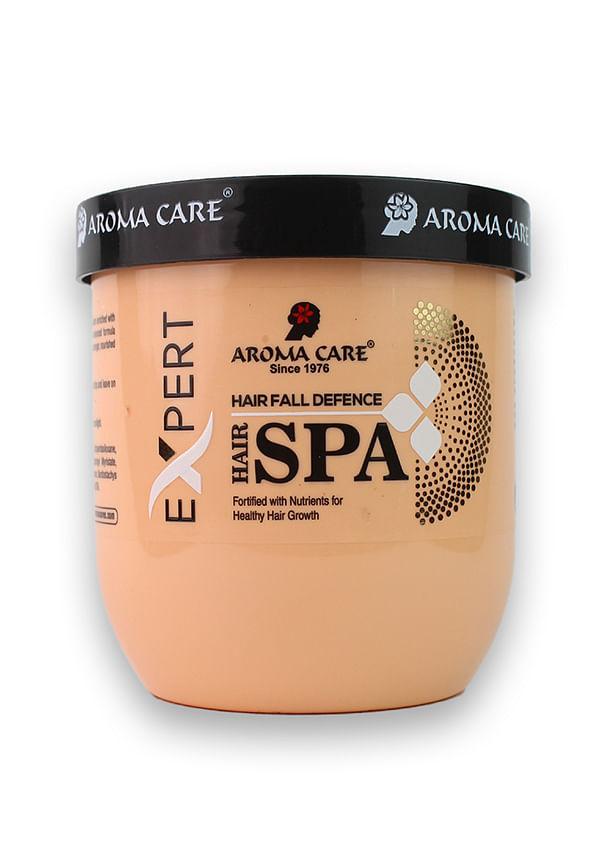
Hair Fall Defence Hair Spa
No, losing 700 strands daily is excessive and indicates a problem that needs attention. Normal hair fall during monsoon might increase to 150-200 strands daily, but 700+ suggests underlying issues like scalp infections, hormonal imbalances, or nutritional deficiencies that require professional evaluation.
Scalp health (keeping it clean and infection-free), proper nutrition (adequate proteins, vitamins, and minerals), and gentle hair handling (avoiding harsh treatments and protecting from environmental damage). These three factors work together to minimize hair fall and promote healthy regrowth.
Transition gradually by reducing washing frequency as humidity drops, switch to more moisturizing products, and continue regular oil treatments. Winter air is drier, so focus on hydration rather than the antifungal treatments you used during monsoon.
Building resilient hair isn't just about surviving monsoon—it's about creating habits that keep your hair healthy year-round. Start tracking your hair's response to different seasons, products, and treatments. This helps you identify patterns and adjust your routine proactively.
Develop a seasonal hair care calendar. Pre-monsoon preparation in May, intensive care during June-September, and recovery treatments in October-November. This systematic approach prevents damage rather than just treating it after it happens.
Invest in quality hair tools and products that work with your hair type rather than against it. A good wide-tooth comb, microfiber towels for gentle drying, and silk or satin pillowcases can make a significant difference in reducing hair breakage throughout the year.
Regular scalp massages should become a non-negotiable part of your routine, not just a monsoon remedy. Good circulation supports healthy hair growth regardless of the season. Consider learning proper massage techniques or investing in a scalp massager tool.
Preventing hair fall in monsoon doesn't have to feel like an uphill battle. With the right knowledge and consistent care, you can actually come out of monsoon season with healthier hair than when you started. The key is understanding that your hair needs extra support during this challenging time, not harsh treatments that promise quick fixes.
Remember, everyone's hair responds differently to monsoon weather. What works for your friend might not work for you, and that's completely normal. Pay attention to how your hair behaves, track what helps and what doesn't, and adjust your routine accordingly.
If you're looking to explore different hair care products without committing to full sizes, Smytten offers trial-size versions of many hair strengthening and anti-hair fall products from trusted brands. It's a practical way to test what works for your hair during monsoon season before investing in full-size bottles.
