Prevent Split Ends on Colored Hair: Your FAQ Guide

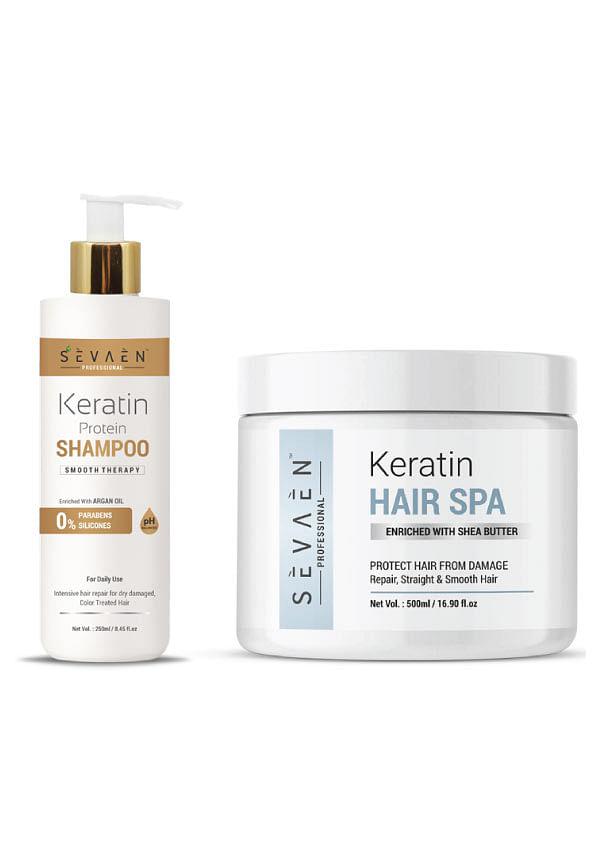
Keratin Shampoo And Hair Spa Cream For Hair Dry&Damage repair And strengthening&Smoothing Hair With Deep Conditioning Treatment
Soft & Shiny Hair
 5
5“Leaves hair very soft and shiny”
Positive Product Review
5“nice product........good to use”
Positive Spa Cream Review
4“nice products...... spa cream is very nice”
Coloured hair is absolutely gorgeous, but let's be real—it comes with its own set of challenges. Split ends seem to appear faster than you can say "touch-up appointment," and suddenly your vibrant locks look more frayed than fabulous. If you've been wondering how to keep your dyed hair looking fresh while preventing those pesky split ends, you're in the right place. The truth is, chemically processed hair needs a completely different approach to stay healthy. From understanding why your coloured strands are more vulnerable to mastering the art of prevention, this guide covers everything you need to know. Whether you're dealing with fresh highlights or months-old colour, Smytten's curated collection of haircare minis lets you discover the perfect products for your specific needs without the commitment of full-size purchases.
Coloured hair is 3x more prone to split ends due to chemical processing that weakens the hair structure
Prevention beats repair—regular trims every 6-8 weeks and proper heat protection are non-negotiable
Deep conditioning treatments and leave-in products specifically formulated for chemically treated hair make a massive difference
Gentle handling techniques, from detangling to sleeping habits, can prevent unnecessary breakage
Professional treatments and the right product combinations can help repair existing damage while preventing future splits
Here's the science bit that actually matters: when you colour your hair, the chemical process literally changes your hair's structure from the inside out. The cuticles (your hair's protective outer layer) get lifted and damaged during bleaching and dyeing, making your strands more porous and vulnerable to environmental damage.
Ammonia and peroxide—the heavy hitters in most hair dyes—work by breaking down your hair's natural bonds to deposit or remove colour. This process creates microscopic weak points along the hair shaft, which is exactly where split ends love to start forming. Your hair's natural pH balance also gets thrown off, compromising its ability to retain moisture and protect itself.
Fresh colour might look amazing, but the damage starts immediately. Within the first few weeks, you might notice your hair feels drier or tangles more easily. By month two or three, those first split ends start appearing, usually at the most damaged areas where bleach was applied.
Not all colour treatments are created equal. Bleaching causes the most structural damage, followed by permanent dyes, then semi-permanent options. If you've gone from dark to light, your hair has been through the wringer and needs extra TLC.
Catching split ends before they become a major problem is your best strategy. Your hair actually gives you plenty of warning signs if you know what to look for.
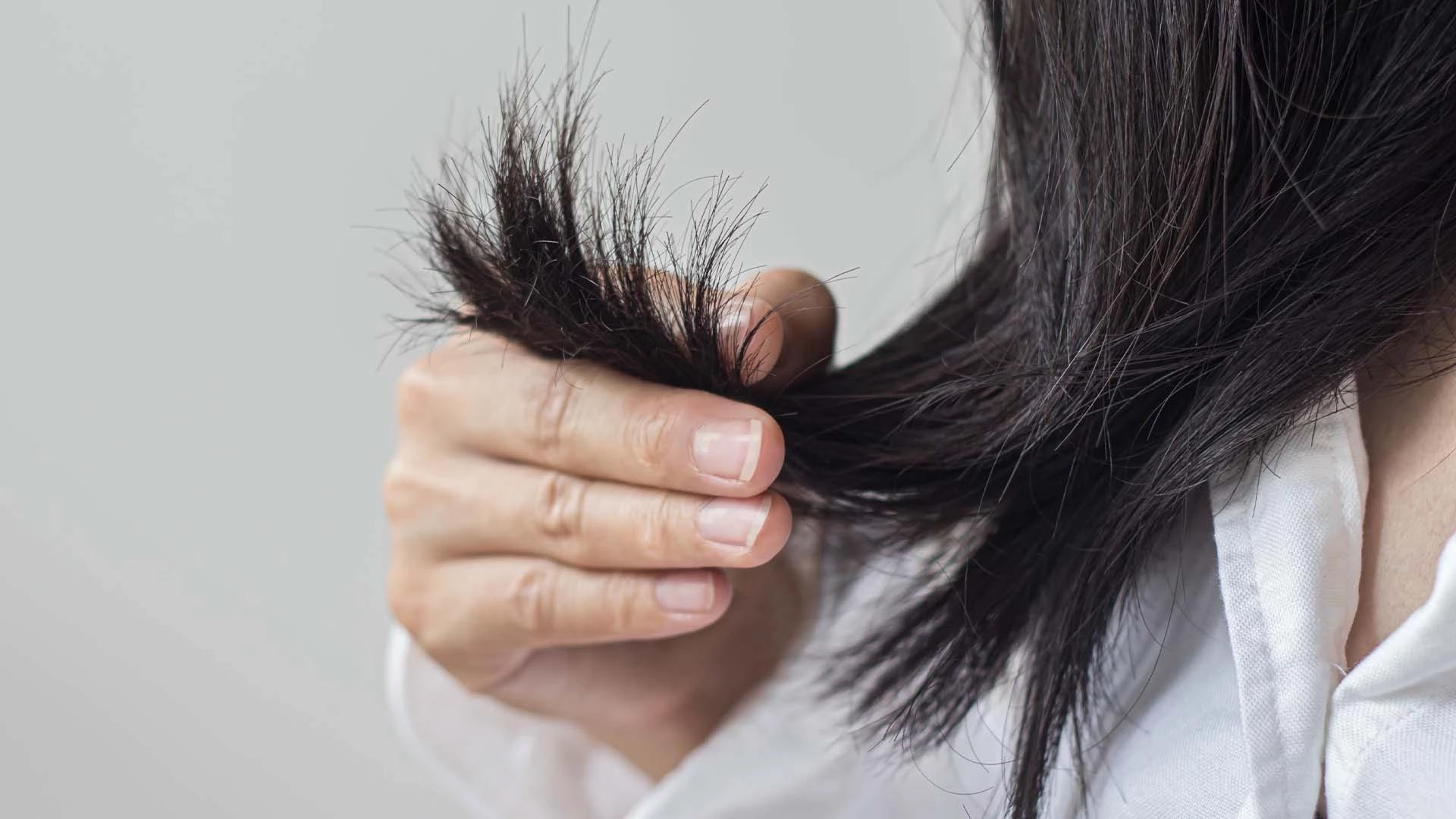
The most obvious sign is visual—those telltale white or clear tips that look frayed or split into two or more sections. But there are subtler indicators that damage is brewing. Your hair might start feeling rougher to the touch, especially when you run your fingers from root to tip.
Take a single strand of damp hair and gently stretch it. Healthy hair should stretch about 30% of its length before snapping back. If it breaks immediately or stretches way beyond that point without bouncing back, your hair's elasticity is compromised.
Pay attention to how your hair feels after washing and styling. If it's becoming increasingly difficult to detangle, feels straw-like when dry, or won't hold moisture despite deep conditioning, these are all red flags that split ends are on their way.
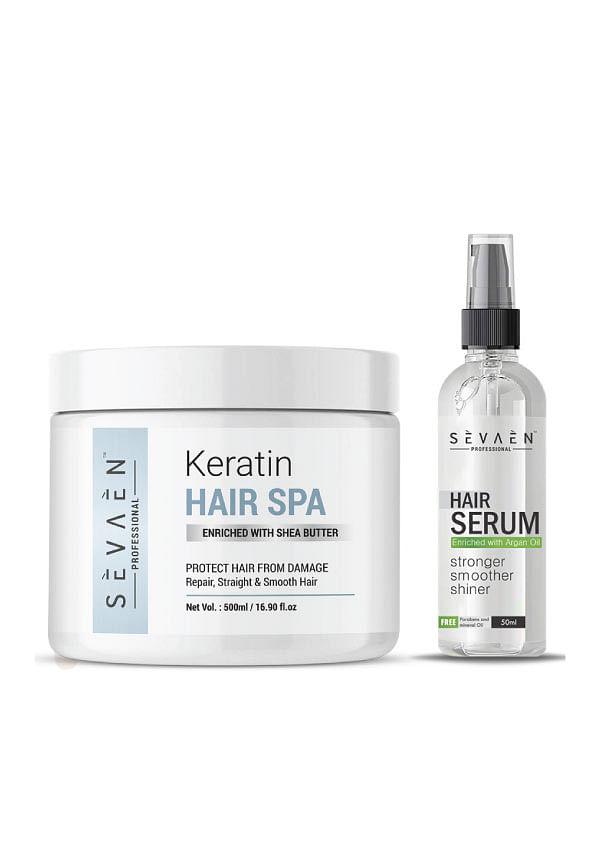
Keratin Hair Spa Cream And Hair Serum For Hair Dry&Damage repair And strengthening&Smoothing Hair With Deep Conditioning Treatment
Best Product Ever
5“best product ever loved it !!!!!”
Unexpectedly good, very moisturizing
5“I didn’t expect it to turn out so good. The mask is sooo mosturizing, that I am going to buy this again and again. ”
Effective Hair Combo
4“Nice combo for hair and also effictive”
Prevention really is better than cure when it comes to split ends on coloured hair. Once the damage is done, your only real option is to cut it off. But with the right approach, you can seriously minimise how often those splits appear.
The key is understanding that your coloured hair needs a completely different routine than virgin hair. Everything from how often you wash it to the products you use needs to be tailored to chemically processed strands.
This might sound counterintuitive when you're trying to grow your hair, but regular trims are absolutely essential for preventing split ends from travelling up the hair shaft. For coloured hair, aim for a trim every 6-8 weeks—more frequently if you've had significant bleaching.
Heat styling is one of the fastest ways to create split ends on already vulnerable coloured hair. If you must use heat tools, never exceed 350°F and always use a quality heat protectant. Better yet, embrace air-drying techniques and heat-free styling methods whenever possible.
Wet hair is at its most vulnerable, especially when it's been chemically processed. Always detangle with a wide-tooth comb, starting from the ends and working your way up. Avoid aggressive towel-drying—instead, gently squeeze out excess water and wrap your hair in a microfibre towel or cotton t-shirt.
Not all haircare products are created equal, and when you're dealing with coloured hair prone to split ends, you need formulations specifically designed for chemically treated strands. The right products can make the difference between hair that constantly breaks and hair that stays strong and healthy.
Look for products that focus on protein-moisture balance, bond repair, and cuticle sealing. Your coloured hair has different needs than virgin hair, so generic products often fall short of providing the targeted care you need.
Weekly deep conditioning isn't optional for coloured hair—it's essential. Alternate between protein treatments (to rebuild damaged bonds) and moisture treatments (to keep hair hydrated and flexible). Key ingredients to look for include keratin, amino acids, and ceramides.
A good leave-in treatment acts like a daily insurance policy for your hair. Silicone-based formulas create a protective barrier, while oil-based treatments penetrate the hair shaft to provide deep nourishment. Apply to damp hair, focusing on the mid-lengths and ends where damage is most likely to occur.
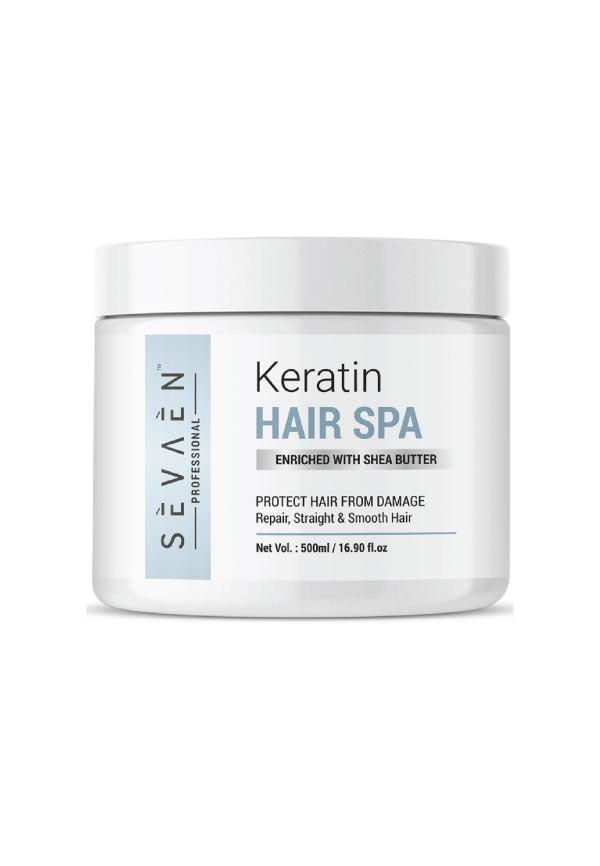
Keratin Hair Spa Cream For Hair Dry&Damage repair And strengthening&Smoothing Hair With Deep Conditioning Treatment
Superb for Hair
5“Superb soo good cant explain mu hair feels soo good now ”
Superb for Hair
5“Superb soo good cant explain mu hair feels soo good now ”
Superb for Hair
5“Superb soo good cant explain mu hair feels soo good now ”
While these products can't permanently repair split ends, they can temporarily seal the cuticle and prevent further damage. Think of them as a band-aid solution that buys you time between trims. They work best on minor damage and fresh splits.
Sometimes prevention isn't enough, especially if you're dealing with significant colour damage or have been neglecting your hair's needs. When basic care isn't cutting it, it's time to bring out the big guns.
Professional bond-building treatments like Olaplex work at a molecular level to rebuild the disulphide bonds that were broken during the colouring process. These treatments can genuinely improve your hair's strength and elasticity, making it less prone to future splitting.
DIY protein treatments can help strengthen damaged hair, but they need to be used carefully. Too much protein can make hair brittle and prone to breakage. Start with once-weekly treatments and adjust based on how your hair responds.
If your split ends are extensive or your hair feels severely damaged, a professional consultation might be worth the investment. A skilled stylist can assess the damage and recommend targeted treatments that you might not be able to achieve at home.
While professional products often deliver the best results, there are some natural remedies that can genuinely help with split end prevention on coloured hair. The key is understanding what actually works versus what's just internet hype.
Coconut oil is one of the few natural ingredients with scientific backing for hair care. Its molecular structure allows it to penetrate the hair shaft, providing moisture and protection from within. Use it as a pre-shampoo treatment, focusing on the ends of your hair.
Eggs, yogurt, and honey can create effective protein treatments at home. Mix one egg with a tablespoon of honey and apply to damp hair for 20 minutes before shampooing. This provides temporary protein reinforcement for damaged strands.
Argan oil and jojoba oil are excellent for sealing moisture into coloured hair. A few drops worked through the ends can help prevent environmental damage and keep hair flexible. Avoid applying oils to your roots if you have fine hair, as this can weigh it down.
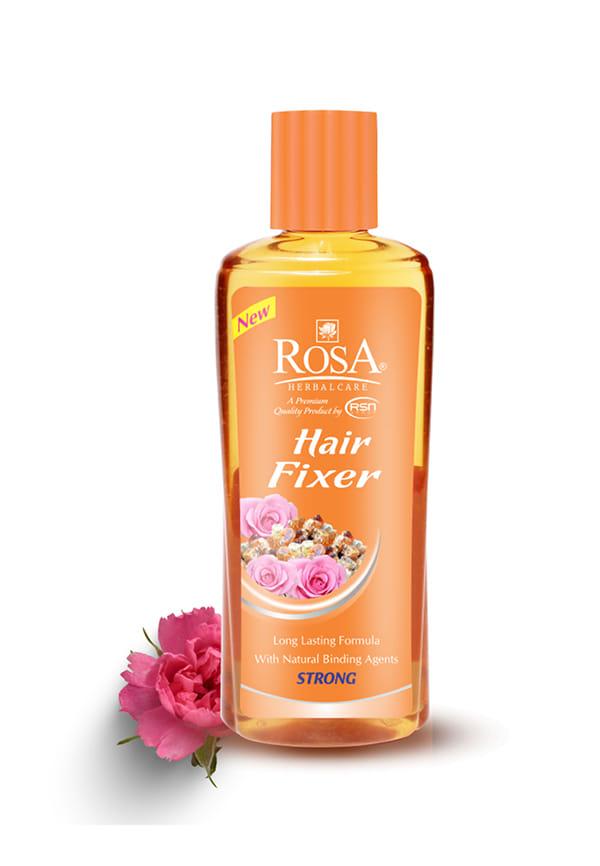
Hair Fixer strong with long lasting I For All skin I Natural & Herbal ingredients I For soft and smooth skin
The most effective approach combines regular trims every 6-8 weeks, deep conditioning treatments, heat protection, and gentle handling. Use products specifically formulated for chemically treated hair, and avoid aggressive brushing or styling when your hair is wet. Sleeping on silk pillowcases and using protective styles can also minimise friction damage overnight.
Unfortunately, no—split ends are a natural part of hair aging, especially for coloured hair. However, you can significantly reduce their frequency and severity with proper care. The goal is to extend the time between necessary trims and maintain healthier-looking hair overall.
Coconut oil can help prevent split ends by providing moisture and protection, but it can't repair existing damage. Its small molecular structure allows it to penetrate the hair shaft, making it more effective than many other natural oils. Use it as a pre-shampoo treatment for best results.
For most people with coloured hair, trimming every 6-8 weeks is ideal. If you've had significant bleaching or your hair is particularly damaged, you might need trims every 4-6 weeks initially. The key is catching splits before they travel up the hair shaft.
Prevention focuses on maintaining hair health to minimise damage before it occurs—think protective styling, proper products, and gentle handling. Repair involves addressing existing damage through treatments and, ultimately, trimming. Once hair is split, the only permanent solution is cutting off the damaged portion.
Professional treatments can be beneficial, especially for severely damaged hair. Bond-building treatments and professional deep conditioning can improve hair strength and manageability. However, consistent at-home care with quality products often provides better long-term results than occasional expensive treatments. Smytten's trial packs let you test professional-grade products at home before investing in full sizes.
While you can use regular products, formulations designed for chemically treated hair will give you better results. These products typically have lower pH levels, gentler cleansing agents, and added proteins or moisture to address the specific needs of processed hair.
Preventing split ends on coloured hair requires a completely different approach than caring for virgin hair. The chemical processing that gives you that gorgeous colour also makes your strands more vulnerable to damage, so your routine needs to reflect that reality. Regular trims, proper products, and gentle handling aren't just nice-to-haves—they're essential for maintaining healthy, vibrant coloured hair. Remember that prevention is always more effective than trying to repair damage after it's occurred. With the right combination of professional treatments, quality products, and consistent care, you can keep your coloured hair looking fresh and healthy between salon visits.
Finding the right products for your specific hair needs doesn't have to involve expensive trial and error. Smytten is India's largest product discovery and trial platform, connecting consumers with top lifestyle, beauty, wellness, and grooming brands. At its core, Smytten offers curated trial packs—mini-sized products from over 2,400 trusted brands such as Cetaphil, Dot & Key, True Elements, Oziva, Renee, Swiss Beauty, Love Beauty & Planet, WishCare, Carlton London, and Bella Vita. This lets users explore and experience products before committing to full-size purchases. The platform covers a wide range of categories, including skincare, makeup, haircare, fragrances, and more. Each mini is linked with Trial Points, and users can get up to 10 Trial Points for just ₹279. Plus, Smytten offers 100% cashback on the purchase of these minis, redeemable in the shop section for future orders, making product discovery both affordable and rewarding. The best part is that when you find a product you love, buying the full-size version is just a click away in Smytten's shop. With over 28 million users and 100 million trial minis delivered across 90% pin code coverage, Smytten helps consumers make smarter, more confident choices. After all, why settle for 'maybe' when you can #TryItAll!
