Prevent Hair Damage Rain: Your FAQ Guide

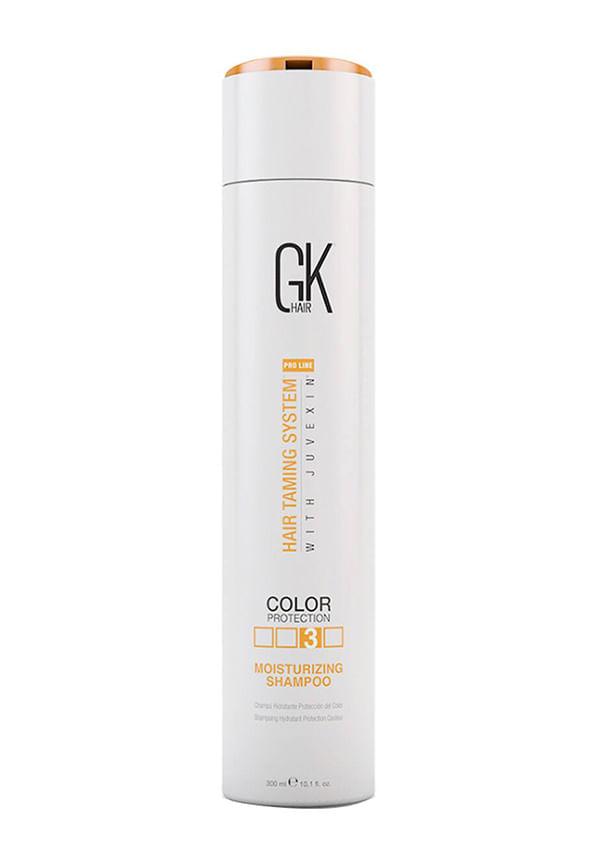
Moisturizing Shampoo Color Protection
Picture this: you're having a brilliant hair day, feeling absolutely unstoppable, and then the sky opens up. Within minutes, your perfectly styled locks have transformed into a frizzy, unruly mess that looks like you've been wrestling with a hairdryer in a wind tunnel. Sound familiar? You're definitely not alone in this struggle. Rain might be a blessing for your garden, but it's often a nightmare for your hair. The good news? Understanding why rain wreaks havoc on your strands is the first step to fighting back. Let's dive into everything you need to know about keeping your hair gorgeous, no matter what the weather throws at you.
Real talk: rainwater isn't just H2O falling from the sky. It's a cocktail of pollutants, dust particles, and varying pH levels that can seriously mess with your hair's natural structure. When rainwater hits your hair, it doesn't just make it wet—it disrupts the delicate balance of your hair cuticles, causing them to lift and create that dreaded frizzy texture we all know too well.
The science behind hair damage from rain is actually quite fascinating. Your hair shaft is covered in tiny scales called cuticles that lie flat when your hair is healthy. Humidity and rainwater cause these cuticles to swell and lift, making your hair porous and vulnerable to breakage. Add pollution and acidic rainwater to the mix, and you've got a recipe for serious hair drama.
Different hair types react differently to rain exposure. Fine, straight hair tends to go limp and greasy, whilst curly and textured hair often becomes frizzy and unmanageable. If you've got chemically treated or damaged hair, you're even more susceptible to rain-induced chaos because your hair cuticles are already compromised.
Let's get into the nitty-gritty of what's actually happening when rain meets your hair. First up: pollution. Rainwater acts like a magnet for airborne pollutants, picking up everything from car exhaust to industrial chemicals as it falls. When this contaminated water hits your hair, it deposits these nasties directly onto your strands and scalp.
The pH level of rainwater is another major factor. Pure rainwater is slightly acidic, but urban rainwater can be even more acidic due to pollution. This acidity can strip your hair of its natural oils and proteins, leaving it dry, brittle, and prone to breakage. Your hair's natural pH is around 4.5-5.5, so when it encounters water with a different pH, things can go sideways pretty quickly.
Humidity is perhaps the biggest villain in this story. When there's moisture in the air, your hair tries to balance itself by absorbing water from the environment. This causes the hair shaft to swell unevenly, leading to frizz, tangles, and that generally unruly appearance that makes you want to hide under a hat for the rest of the day.
Fine hair becomes limp and loses volume almost instantly when exposed to humidity. The extra moisture weighs down delicate strands, making them stick to your scalp and appear greasy even when they're clean.
Thick, coarse hair tends to expand and become unmanageable. The natural texture becomes exaggerated, and styling becomes nearly impossible without the right products and techniques.
Curly and textured hair faces the biggest challenge with frizzy hair rain situations. The uneven absorption of moisture causes curls to lose their definition and become a tangled, frizzy mess that's difficult to tame.
The best defence against rain hair protection starts before you even step outside. Think of it like applying sunscreen—prevention is always better than damage control. Creating a protective barrier on your hair is your first line of defence against humidity and rainwater.
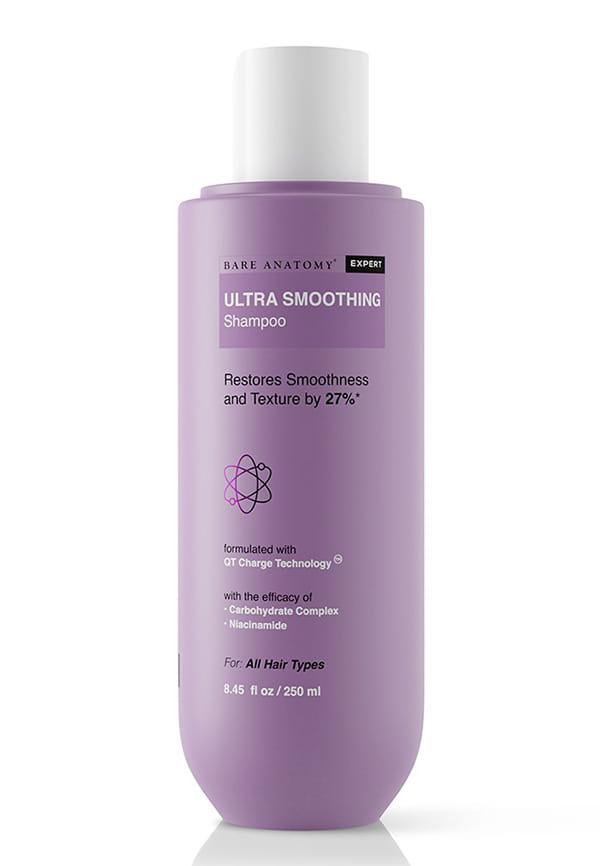
Expert Ultra Smoothing Shampoo To Restore Smoothness, Repair Damaged Hair And Locks In Moisture
Leave-in treatments and hair serums are absolute game-changers for protect hair from humidity situations. Look for products containing silicones, which create a protective film around each strand. These ingredients help repel moisture and keep your hair cuticles sealed, preventing that unwanted frizz and volume expansion.
Natural oils can also work wonders as protective barriers. Coconut oil, argan oil, and jojoba oil are particularly effective because they have small molecular structures that can penetrate the hair shaft whilst still providing surface protection. Apply a tiny amount to damp hair, focusing on the mid-lengths and ends where damage typically occurs first.
Your hairstyle choice can make or break your rain survival strategy. Tight braids, buns, and updos keep most of your hair protected from direct rain exposure. The key is to avoid styles that require your hair to be perfectly smooth or voluminous, as these are the first casualties of humidity.
If you prefer wearing your hair down, consider protective accessories like silk scarves or wide-brimmed hats. These not only add a stylish element to your outfit but also provide practical protection against the elements.
Sometimes the weather forecast gets it wrong, and you find yourself caught in an unexpected downpour. Don't panic—there are still ways to minimise hair damage prevention even when you're already getting soaked.
If you're caught without an umbrella, try to cover your hair with whatever you have available. A jacket, bag, or even your hands can provide some protection. The goal is to prevent your hair from becoming completely saturated, which is when the most damage occurs.
When you do get wet, resist the urge to touch or manipulate your hair too much. Wet hair is incredibly fragile and prone to breakage. Instead, gently squeeze out excess water with a soft towel or even a clean t-shirt, which is less damaging than rough towel-drying.
Never brush or comb wet hair aggressively, especially if it's curly or textured. This is a surefire way to cause hair breakage rain damage that could take months to recover from. If you must detangle, use a wide-tooth comb and work from the ends upward.
Avoid using heat styling tools on wet hair without proper heat protection. The combination of moisture and high temperatures can literally cook your hair, causing severe damage that's often irreversible.
Once you're safely indoors and out of the rain, it's time for damage control. The first step is gentle cleansing to remove any pollutants and impurities that the rainwater may have deposited on your hair and scalp.
Use a clarifying shampoo if you've been caught in heavy, polluted rain, but follow up immediately with a moisturising conditioner. The goal is to cleanse without stripping your hair of its natural oils, which are crucial for maintaining healthy, resilient strands.
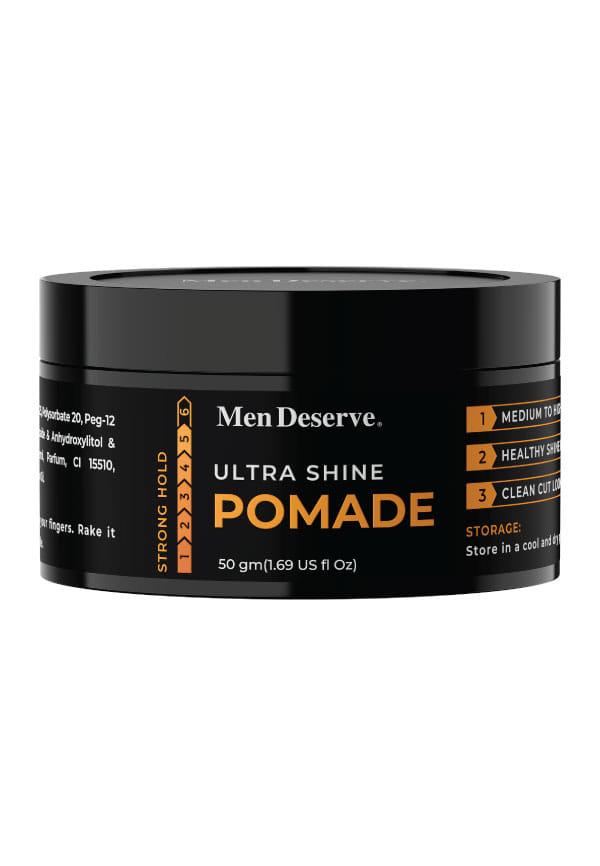
Hair Styling Ultra Shine Pomade for Strong Hold and Wet Look Hairstyle
Deep conditioning treatments become your best friend during monsoon season. Look for products containing proteins to help repair damaged cuticles and humectants like glycerin or hyaluronic acid to help your hair maintain optimal moisture levels without becoming frizzy.
How you dry your hair after rain exposure can make the difference between a good hair day and a complete disaster. Start by gently pressing out excess water with a microfibre towel or cotton t-shirt. These materials are much gentler on wet hair than traditional terry cloth towels.
If possible, let your hair air dry rather than using heat styling tools. If you must use a blow dryer, apply a heat protectant first and use the lowest heat setting possible. Consider using a diffuser attachment if you have curly hair to help maintain your natural texture.
Haircare in monsoon requires a completely different approach than your regular routine. The increased humidity and frequent rain exposure mean your hair needs extra protection and moisture balance to stay healthy and manageable.
During rainy season, consider washing your hair more frequently to remove pollutants and excess oil buildup, but balance this with regular deep conditioning treatments to prevent dryness. A good rule of thumb is to alternate between clarifying and moisturising shampoos throughout the week.
Humidity hair solutions often involve adjusting your product routine based on daily weather conditions. On particularly humid days, use lighter, water-based products that won't weigh your hair down. On drier days, you can incorporate richer, oil-based treatments to maintain moisture balance.
Incorporate protein treatments into your routine once a week during monsoon season to help strengthen hair that's been weakened by constant humidity exposure. Look for treatments containing keratin, collagen, or silk proteins.
Monthly scalp treatments are also crucial during rainy season. The combination of humidity and pollution can lead to scalp buildup and even fungal infections. Use a gentle scalp scrub or clarifying treatment to keep your scalp healthy and your hair follicles clear.
The most effective approach combines prevention and protection. Start with a leave-in treatment or serum that creates a barrier against moisture. Choose protective hairstyles like braids or buns that minimise exposure. Always carry an umbrella or wear a hat when rain is expected. If you do get caught in rain, gently squeeze out excess water and avoid manipulating wet hair until you can properly care for it indoors.
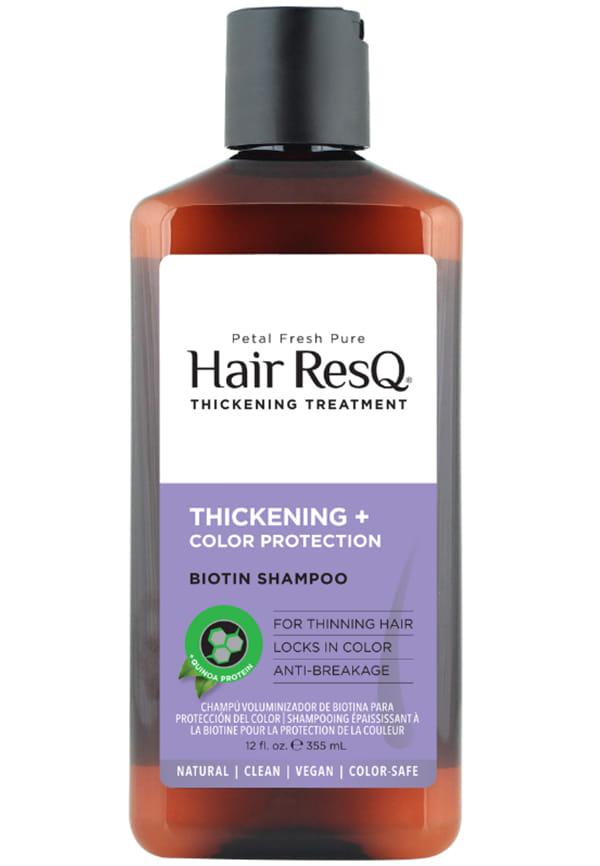
Hair ResQ Thickening Shampoo Color Protection
Natural and textured hair requires extra care during rainy weather. Use heavier oils like shea butter or coconut oil to create a protective barrier. Protective styles like twist-outs, braids, or buns work particularly well. Consider using a silk or satin scarf under your hood or umbrella for added protection. After rain exposure, use a gentle co-wash instead of harsh shampoos to maintain moisture balance.
Monsoon haircare tips include increasing your deep conditioning frequency to twice a week, using clarifying shampoos to remove pollution buildup, and incorporating anti-humidity products into your daily routine. Switch to lighter styling products that won't weigh hair down in humid conditions, and always have a backup plan for unexpected weather changes.
Anti-frizz serums containing silicones are excellent for creating a protective barrier. Look for products with ingredients like dimethicone or cyclomethicone. Leave-in conditioners with humectants help maintain moisture balance. For natural solutions, try diluted apple cider vinegar rinses to smooth cuticles, or light applications of natural oils like argan or jojoba.
While occasional rain exposure won't cause permanent damage, repeated exposure to polluted rainwater without proper protection can lead to cumulative damage including protein loss, cuticle damage, and increased porosity. The key is consistent protection and proper post-rain care to prevent long-term issues.
This depends on your hair type and how often you're exposed to rain. Generally, you might need to wash more frequently during monsoon to remove pollutants, but balance this with moisturising treatments. Fine hair might need washing every other day, whilst thick or textured hair can often go 2-3 days between washes with proper dry shampoo use.
Both have their place in a comprehensive hair protection strategy. Natural oils provide excellent barrier protection and nourishment, whilst commercial products often offer more advanced formulations for specific concerns like humidity resistance or pollution protection. The best approach often combines both natural and commercial solutions based on your hair's specific needs.
Protecting your hair from rain damage doesn't have to be a constant battle. With the right knowledge, products, and techniques, you can maintain gorgeous, healthy hair regardless of what the weather brings. Remember that consistency is key—regular protective measures work much better than occasional intensive treatments.
The most important thing to remember is that every hair type responds differently to humidity and rain, so don't be afraid to experiment with different approaches until you find what works best for your unique hair needs. Whether you're dealing with fine hair that goes limp or curly hair that turns into a frizzy mess, there are solutions available that can help you maintain your hair goals throughout the rainy season.
If you're looking to experiment with different rain protection products, Smytten offers trial-size versions of many haircare products from trusted brands—a smart way to test what works for your hair before investing in full-size bottles. After all, finding your perfect rainy day hair routine shouldn't require guesswork or expensive mistakes.
