Prevent Hair Damage Rain FAQ: Your Rainy Day Haircare Questions Answered

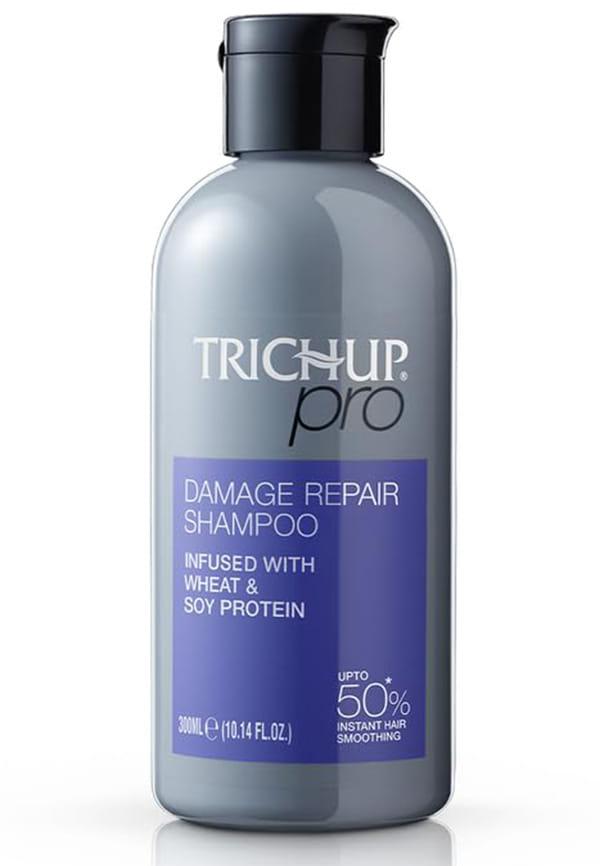
Trichup Pro Damage Repair Shampoo for Dry Frizzy Hair Instant Dual Action
Picture this: you've just stepped out with perfectly styled hair, and then the sky opens up. Within minutes, your sleek blowout transforms into a frizzy mess, and you're left wondering if there's any way to protect your hair from rain damage. Real talk — we've all been there, standing under a shop awning, frantically trying to salvage what's left of our hairstyle. The good news? Rain damage isn't inevitable, and with the right knowledge and prep, you can keep your hair looking fab even during the wettest days.
Let's get into the science behind why rain wreaks havoc on your hair. When rainwater hits your strands, it's not just plain H2O — it often contains pollutants, dust, and chemicals that can disrupt your hair's natural pH balance. Your hair cuticles, which are like tiny overlapping scales, swell when exposed to moisture, making your strands more porous and vulnerable to damage.
Humidity plays a massive role too. When there's excess moisture in the air, your hair tries to balance itself by absorbing water from the environment. This causes the hair shaft to expand unevenly, leading to frizz, tangles, and that dreaded puffed-up look. For those with chemically treated or already damaged hair, this process happens even faster because the cuticles are already compromised.
The pH level of rainwater can also be problematic. While your hair thrives at a slightly acidic pH of around 4.5-5.5, rainwater often sits between 5.6-6.5, which can cause the cuticles to lift and make your hair more susceptible to breakage and colour fading.
The best defence against rain damage starts before you even step outside. Think of it as creating a protective shield around your strands. Start with a lightweight, water-resistant serum or oil applied to damp hair before styling. This creates a barrier that helps repel moisture while keeping your hair smooth.
Protective styling is your best friend during rainy season. Low buns, braids, or sleek ponytails keep your hair contained and reduce the surface area exposed to humidity. If you're wearing your hair down, consider applying an anti-humidity spray from mid-length to ends — this helps seal the cuticles and prevents moisture from penetrating the hair shaft.
Apply a small amount of coconut, argan, or jojoba oil to your palms and gently smooth over your hair's surface. This creates a hydrophobic barrier that helps water bead off rather than soak in.
Opt for hairstyles that work with humidity rather than against it. Textured waves, braids, or sleek updos tend to hold up better than pin-straight styles that show every bit of frizz.
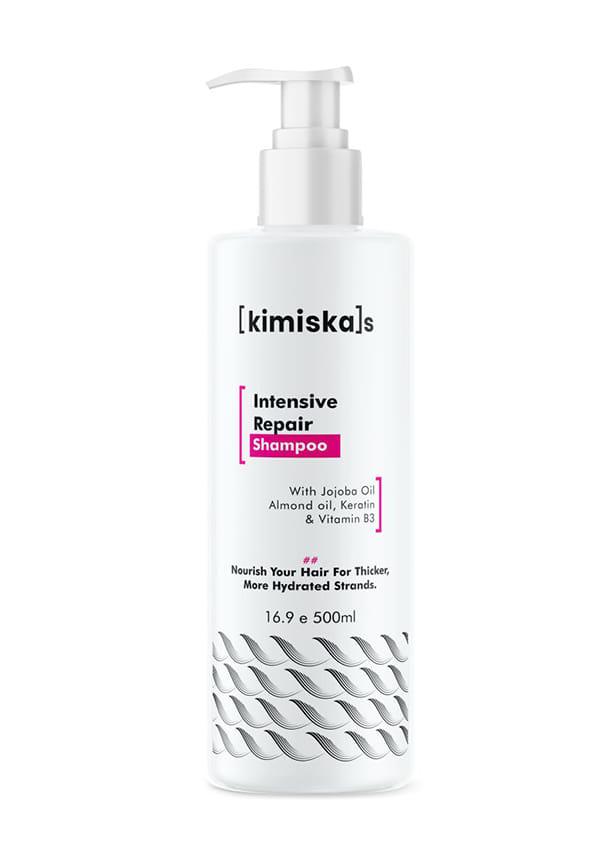
Intensive Hair Repair Shampoo for Dry and Frizzy Hair
Got caught in an unexpected downpour? Don't panic. The first 30 minutes after rain exposure are crucial for damage control. Resist the urge to touch or brush wet hair immediately — this is when your strands are most fragile and prone to breakage.
Once you're somewhere dry, gently blot excess water with a microfibre towel or even a cotton t-shirt. These materials are much gentler than regular towels and won't rough up your cuticles. If possible, rinse your hair with clean water to remove any pollutants or impurities that might have settled on your strands during the rain.
For your scalp, make sure to dry it thoroughly to prevent fungal infections or irritation. Use a blow dryer on a cool setting if needed, keeping it moving to avoid heat damage. If you're dealing with soaked hair and need to style it quickly, apply a heat protectant and use the lowest heat setting possible.
Pat hair gently, apply leave-in conditioner to damp strands, and avoid aggressive brushing until hair is at least 80% dry.
Frizzy hair from rain isn't just about aesthetics — it's often a sign that your hair's moisture balance is off. The key to managing frizz is understanding that your hair needs the right amount of moisture, not too little or too much. When your hair is properly hydrated from within, it's less likely to grab moisture from humid air.
Deep conditioning treatments become essential during rainy season. Look for masks containing ingredients like hyaluronic acid, glycerin, or ceramides that help maintain optimal moisture levels. Apply these treatments once or twice a week, focusing on mid-lengths and ends where damage typically occurs first.
Product layering can work wonders for anti-frizz protection. Start with a lightweight leave-in conditioner on damp hair, follow with a smoothing serum, and finish with an anti-humidity spray. Each layer serves a different purpose — hydration, smoothing, and protection — creating a comprehensive barrier against environmental moisture.
Try a DIY flaxseed gel for natural hold and frizz control, or use aloe vera gel mixed with a few drops of your favourite hair oil for lightweight moisture.
Many people notice increased hair fall during rainy season, and there's actually science behind this. The combination of humidity, scalp infections from trapped moisture, and the stress of constantly dealing with unruly hair can contribute to temporary hair loss. The good news is that most monsoon-related hair fall is reversible with proper care.
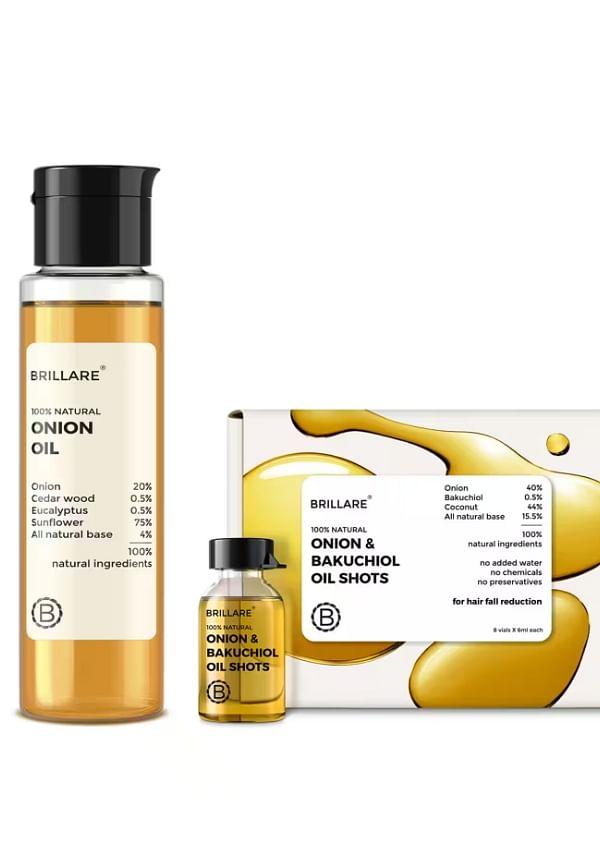
Hair & Scalp Treatment Duo for Dry, Frizzy & Hair Fall-Prone Hair
Great Products
 5
5“awesome as always...we are very satisfied with ur products”
Effective Hair Fall Control
5“nice products for useing hair fall control”
Amazing Hair Oil
5“This hair oil is a gem in market, I applied a lot of hair oils but It's really the best one”
Scalp health becomes even more important during humid weather. Make sure to wash your hair regularly enough to prevent buildup of sweat, oil, and environmental pollutants, but not so frequently that you strip away natural oils. For most people, washing every 2-3 days during rainy season strikes the right balance.
Gentle handling is crucial when your hair is wet from rain or washing. Use a wide-tooth comb to detangle, starting from the ends and working your way up. Never brush soaking wet hair, and avoid tight hairstyles that can cause tension and breakage.
Weekly protein treatments can help strengthen hair that's been weakened by constant moisture exposure. Look for treatments containing keratin, collagen, or rice protein.
Sometimes, DIY methods aren't enough, especially if you're dealing with severely damaged or chemically treated hair. Professional treatments like keratin smoothing or Japanese straightening can provide longer-lasting protection against humidity and rain damage. These treatments work by filling in gaps in the hair cuticle and creating a smoother surface that's less prone to frizz.
If you're considering professional treatments, timing matters. Schedule these services at the beginning of rainy season for maximum benefit, and follow your stylist's aftercare instructions carefully to maintain results. Remember that these treatments require some lifestyle adjustments — you might need to avoid getting your hair wet for the first 72 hours and switch to sulphate-free shampoos.
Professional-grade products can also make a significant difference in your rain protection routine. Salon brands often have higher concentrations of active ingredients and more advanced formulations than drugstore options. Your stylist can recommend specific products based on your hair type and the level of protection you need.
Create a protective barrier before going outside by applying a water-resistant serum or light oil to your hair. Choose humidity-resistant hairstyles like braids or low buns, and always carry a compact umbrella. If you do get caught in rain, gently blot excess water and avoid touching your hair until it's mostly dry.
Keep your scalp clean and dry to prevent fungal infections that can lead to hair fall. Use gentle, sulphate-free shampoos and avoid over-washing. Apply nourishing hair oils like coconut or argan oil weekly, and make sure to dry your hair thoroughly after getting wet. If hair fall persists, consult a dermatologist as it might indicate an underlying scalp condition.
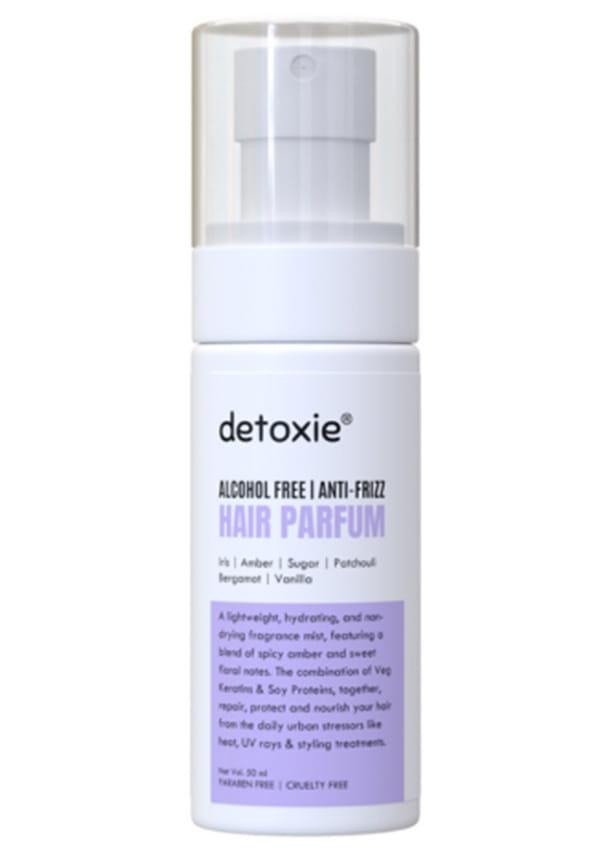
Alcohol Free Anti-Frizz Hair Parfum
Nice product with good fragrance
4“Its nice product with good fragrance”
Positive Product Review
5“good for use. smells nice. can order again.”
Natural and textured hair needs extra moisture protection during rainy weather. Use the LOC method (liquid, oil, cream) to seal in moisture before styling. Protective styles like braids, twists, or buns work brilliantly for natural hair. Apply a leave-in conditioner followed by a natural oil like shea butter or coconut oil to create a moisture barrier.
Yes, many people experience increased hair shedding during monsoon season due to several factors: humidity affecting the scalp's natural balance, fungal infections from trapped moisture, and the stress of dealing with constantly frizzy or unmanageable hair. This type of hair fall is usually temporary and improves with proper scalp care and gentle handling.
Look for products containing silicones like dimethicone or cyclopentasiloxane, which create a protective film over hair strands. Humectants like glycerin and hyaluronic acid help maintain proper moisture balance. Natural oils like argan, coconut, or jojoba provide water-resistant barriers. Avoid products with high alcohol content as they can dry out your hair and make it more susceptible to humidity.
This depends on your hair type and lifestyle, but generally, washing every 2-3 days works well during humid weather. If you have oily hair or an active lifestyle, you might need to wash more frequently. Those with dry or chemically treated hair can often go longer between washes. The key is keeping your scalp clean without stripping away protective natural oils.
While regular conditioner can provide some protection, leave-in conditioners are specifically formulated to be lighter and won't weigh your hair down. They also often contain humidity-blocking ingredients that regular rinse-out conditioners don't have. If you must use regular conditioner, dilute it with water and use sparingly to avoid buildup.
First, gently squeeze out excess water with your hands. Then, use a microfibre towel or cotton t-shirt to blot — never rub — your hair. If you need to use a blow dryer, apply a heat protectant first and use the coolest setting that still dries your hair effectively. Air drying is ideal, but make sure your scalp doesn't stay damp for too long to prevent fungal growth.
Protecting your hair from rain damage isn't about avoiding water altogether — it's about being smart with your haircare routine and preparation. The combination of proper products, protective styling, and gentle handling can keep your hair healthy and manageable even during the wettest months. Remember that consistency is key; it's better to follow a simple routine religiously than to try complex treatments sporadically.
Your hair's needs might change with the weather, and that's completely normal. What works during dry winter months might not be enough during humid monsoons. Pay attention to how your hair responds to different products and techniques, and don't be afraid to adjust your routine accordingly. Whether you're dealing with fine hair that goes limp in humidity or thick hair that turns into a frizz ball, there's a solution that can work for your specific concerns.
If you're looking to experiment with different rain protection products without committing to full sizes, Smytten offers trial packs from trusted haircare brands that let you test what works best for your hair type. This way, you can build the perfect rainy day haircare arsenal without the guesswork or waste of buying products that might not suit your needs.
