Prevent Hair Breakage FAQ: Your Questions Answered

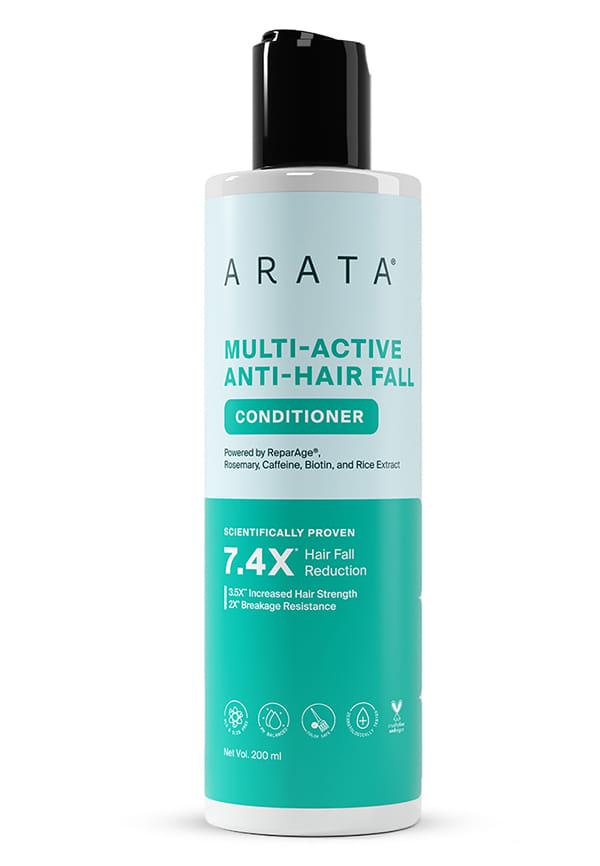
Anti-Hair Fall Conditioner for Breakage and Split-Ends Reduction
You know that sinking feeling when you run your fingers through your hair and find short, broken strands everywhere? Or when you spot those dreaded split ends creeping up your hair shaft? Hair breakage is one of those frustrating hair concerns that can make even the simplest styling routine feel like a battle. Whether you're dealing with brittle strands from heat damage, chemical processing, or just everyday wear and tear, understanding how to prevent hair breakage is your first step towards stronger, healthier hair that actually cooperates with you.
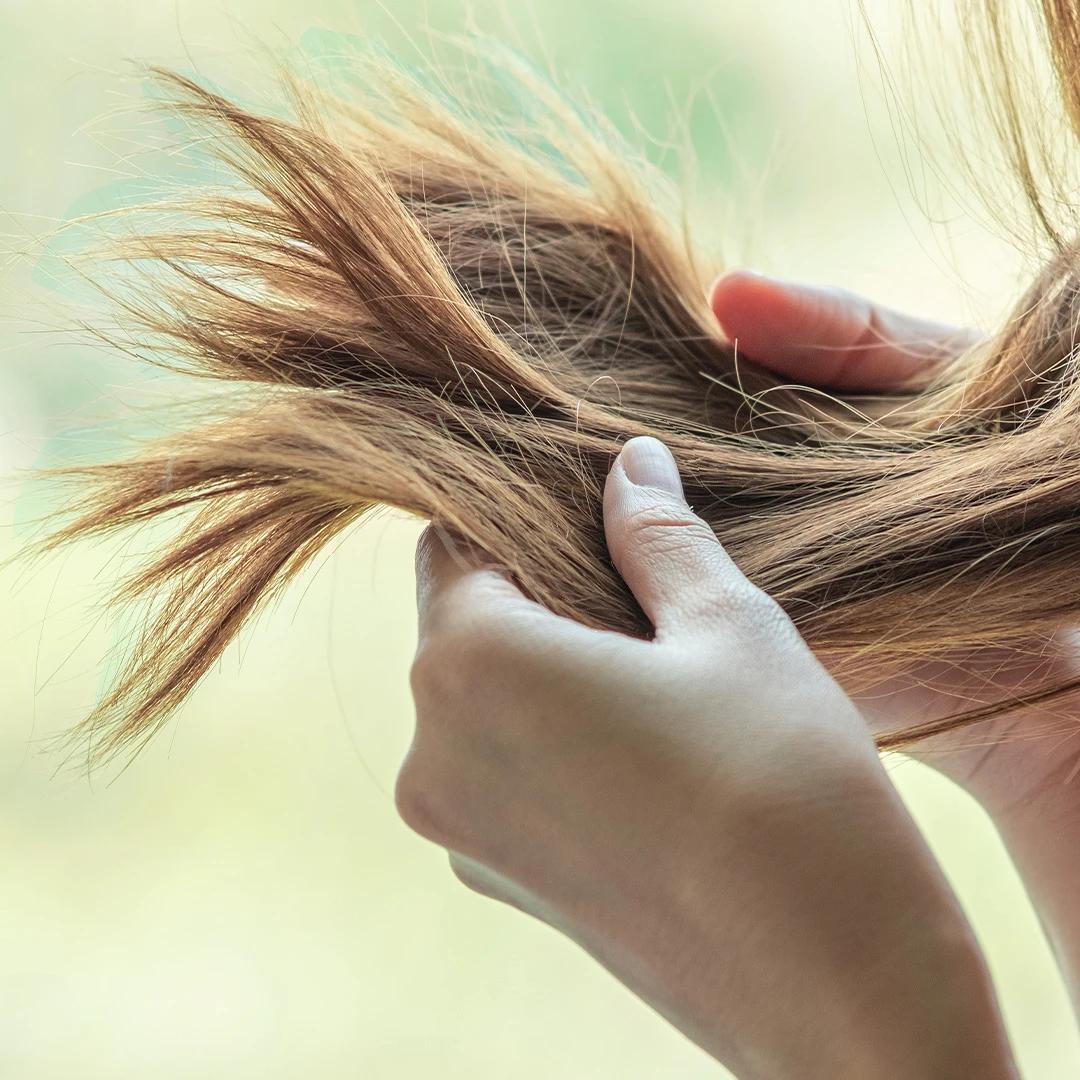
Let's get real about what's actually happening when your hair breaks. Hair breakage occurs when individual strands snap or split along the hair shaft, which is different from hair loss that happens at the root. You'll notice hair breakage as short, uneven pieces around your hairline, split ends that travel up the strand, or a generally rough, frizzy texture that just won't smooth down no matter what you try.
Your hair has three layers: the outer cuticle that acts like protective scales, the cortex in the middle that gives your hair strength and colour, and the inner medulla. When the cuticle gets damaged from things like aggressive brushing, heat styling, or chemical treatments, it exposes the cortex underneath. This makes your hair vulnerable to breakage because the protective barrier is compromised.
The main culprits behind damaged hair include mechanical damage from tight hairstyles and rough handling, chemical processing like bleaching or relaxing, environmental factors such as UV exposure and pollution, and even nutritional deficiencies. Split ends are often the first sign that your hair's cuticle is lifting and needs attention before the damage travels further up the strand.
Think of healthy hair like a well-built rope – it should be able to stretch slightly when wet and return to its original length without snapping. This is what we call hair elasticity, and it's a key indicator of hair health. When your hair has good elasticity, it can withstand daily styling and environmental stresses without breaking.
Hair protein, specifically keratin, forms the structural foundation of each strand. When this protein structure gets damaged, your hair loses its ability to stretch and bounce back, leading to breakage. Hair strengthening treatments work by temporarily filling in gaps in the damaged cuticle or adding protein back to weakened strands.
Moisture plays an equally important role in maintaining hair elasticity. Well-hydrated hair is more flexible and less likely to snap under pressure. When hair becomes too dry, it becomes brittle and prone to breakage. This is why finding the right balance between protein and moisture is crucial for preventing hair breakage.
Your daily hair routine can make or break your hair health – literally. Start with how you detangle your hair. Always use a wide-tooth comb on damp hair, starting from the ends and working your way up to the roots. This prevents unnecessary tugging and reduces the risk of snapping already weakened strands.
When it comes to drying your hair, ditch the rough cotton towel that creates friction and causes the cuticle to lift. Instead, gently squeeze excess water with a microfiber towel or even an old cotton t-shirt. The smoother surface reduces friction and helps maintain your hair's natural texture.
Your sleep routine matters more than you might think. Silk or satin pillowcases create less friction than cotton, allowing your hair to glide smoothly as you move during sleep. If you have longer hair, consider loose protective styles like a silk scrunchie ponytail or loose braids to prevent tangling and breakage overnight.
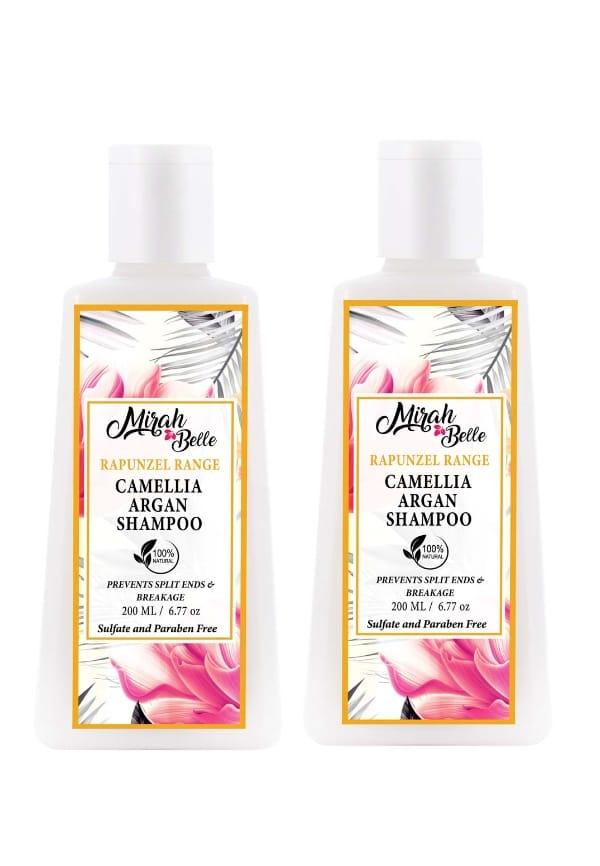
Organic & Natural - Camellia Argan Shampoo - Frizzy Hair, Breakage & Split Ends
Speaking of hair ties, those tight elastic bands might be convenient, but they're creating weak points in your hair where breakage commonly occurs. Switch to silk scrunchies or spiral hair ties that distribute tension more evenly and are gentler on your strands.
How often you wash your hair depends on your hair type and lifestyle, but over-washing can strip natural oils that protect your hair from damage. Most people benefit from washing 2-3 times per week, allowing natural oils to nourish and protect the hair shaft between washes.
Heat styling doesn't have to be the enemy of healthy hair, but it does require some strategy. Always apply a heat protectant before using any styling tools – this creates a barrier between your hair and the high temperatures that can damage the cuticle and lead to hair repair needs down the line.
Keep your styling tools at moderate temperatures. For fine or damaged hair, stay below 300°F (150°C), whilst thicker, healthier hair can handle up to 350°F (175°C). Higher temperatures might give you faster results, but they're also more likely to cause immediate and long-term damage.
Try to limit heat styling to 2-3 times per week maximum. On off days, embrace air-drying techniques like plopping for curly hair, or try heatless curling methods using foam rollers or braids. Your hair will thank you for the break, and you might discover some new favourite styles in the process.
If you're getting chemical treatments like colouring, perming, or relaxing, space them out appropriately. Wait at least 6-8 weeks between colour treatments and avoid combining multiple chemical processes in a short timeframe. This gives your hair time to recover and rebuild its strength between treatments.
Deep conditioning is like a weekly spa day for your hair, and it's non-negotiable if you want to prevent breakage. Use a hair mask once or twice a week, focusing on the mid-lengths and ends where damage typically occurs. Leave it on for the recommended time – rushing this step won't give your hair enough time to absorb the beneficial ingredients.
When choosing between DIY and commercial hair masks, consider your specific needs. Homemade masks using ingredients like avocado, honey, or coconut oil can provide excellent hydration, but they might not have the same concentrated active ingredients as professionally formulated treatments.
Protein treatments are brilliant for hair that's been chemically processed or shows signs of elasticity loss, but they need to be used carefully. Too much protein can actually make hair brittle and more prone to breakage. Start with a protein treatment once a month and adjust based on how your hair responds.
Oil treatments can work wonders for hair hydration, but different oils serve different purposes. Coconut oil penetrates the hair shaft and can help reduce protein loss, argan oil is excellent for smoothing the cuticle and adding shine, whilst jojoba oil closely mimics your scalp's natural sebum and is great for all hair types.
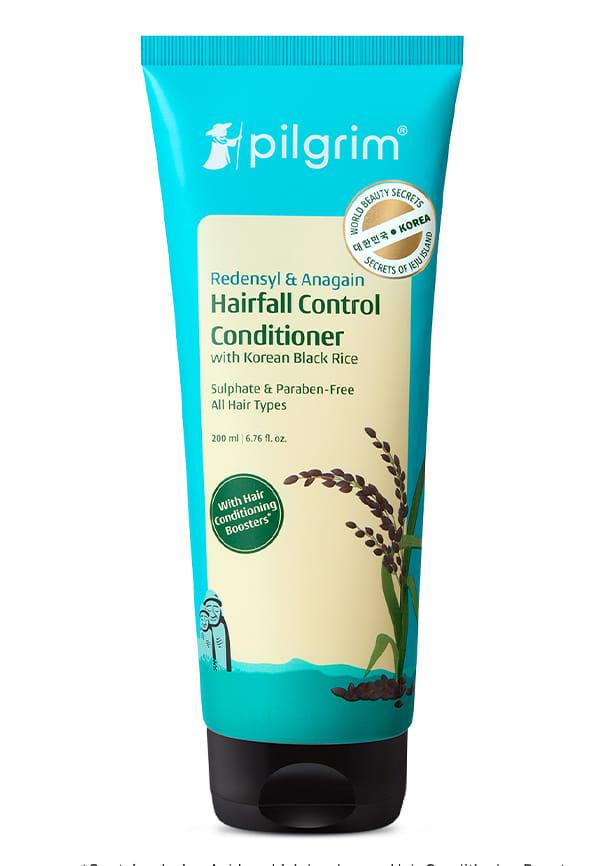
Redensyl & Anagain Conditioner Prevents Hair Breakage|Increases Hair Thickness
Healthy hair needs both moisture and protein, but the ratio varies from person to person. If your hair feels gummy or stretchy when wet, it might need more protein. If it feels dry and brittle, focus on moisture. Pay attention to how your hair responds to different treatments and adjust accordingly.
What you eat directly impacts your hair's ability to grow strong and resist breakage. Biotin, often called the hair vitamin, supports keratin production, whilst vitamin C helps your body absorb iron, which is essential for healthy hair growth. Protein in your diet provides the building blocks for hair strengthening from the inside out.
Don't underestimate the power of staying hydrated. When you're dehydrated, your hair becomes one of the first places your body redirects moisture away from. Aim for at least 8 glasses of water daily to support overall hair health and maintain proper hair hydration.
Stress is a sneaky contributor to hair problems. Chronic stress can disrupt your hair's growth cycle and make existing strands more fragile. Finding healthy ways to manage stress – whether through exercise, meditation, or hobbies you enjoy – can have a positive impact on your hair's resilience.
Quality sleep gives your body time to repair and regenerate, including your hair follicles. Aim for 7-9 hours of sleep per night and try to maintain a consistent sleep schedule. Your hair grows and repairs itself most actively during sleep, so skimping on rest can impact your hair's strength and appearance.
Start with immediate damage control by trimming off any split ends to prevent them from travelling further up the hair shaft. Focus on gentle handling – use wide-tooth combs, avoid tight hairstyles, and sleep on silk pillowcases. Increase your deep conditioning routine to twice weekly and incorporate a protein treatment if your hair feels weak or stretchy. Simple DIY treatments like coconut oil masks or honey and avocado treatments can provide immediate moisture and temporary repair whilst you develop a long-term healthy hair routine.
Hair that's already damaged cannot be permanently "cured" because hair is essentially dead tissue once it leaves the follicle. However, you can prevent further breakage and improve the appearance of damaged hair with consistent care. New hair growth will be healthier if you address the underlying causes of breakage. Most people start seeing improvements in hair texture and reduced breakage within 4-6 weeks of implementing a proper hair care routine, with significant improvements visible after 3-4 months.
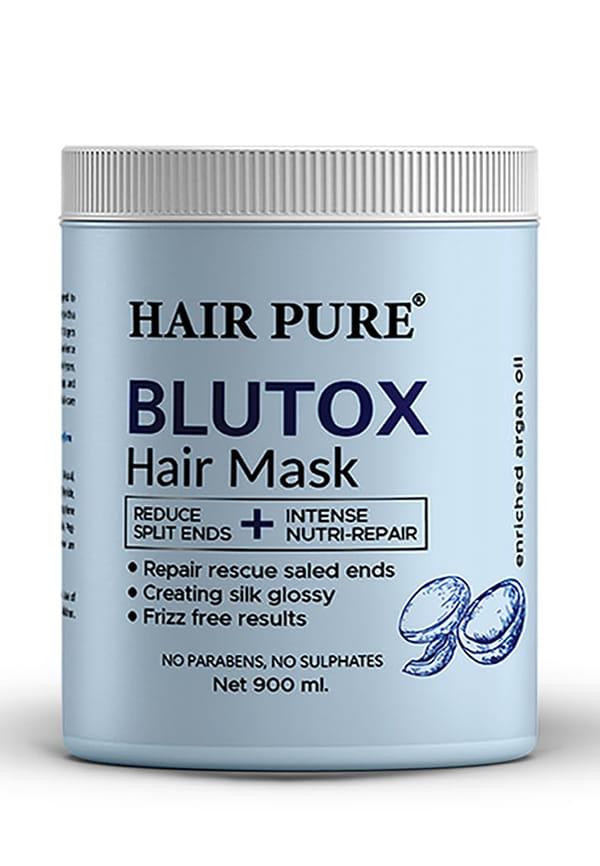
Blutox Hair Mask for Reduces Split Ends & Intense Nutri-Repair Treatment
Prevention is your best strategy since both issues stem from cuticle damage. Regular trims every 6-8 weeks remove split ends before they can cause further breakage. Use leave-in treatments that seal the cuticle, avoid heat styling when possible, and protect your hair from environmental damage with UV-protective products. Layer your products correctly – apply leave-in conditioner first, then oil on the ends, and finish with a light serum to seal everything in.
Price doesn't always equal effectiveness for your specific hair needs. You might be using products with conflicting ingredients, over-treating your hair with too many active ingredients, or using products that aren't suited to your hair's porosity level. Sometimes less is more – simplify your routine and focus on gentle, consistent care rather than trying multiple treatments at once. Also, check if you're applying products correctly and giving them enough time to work.
Hair breakage occurs along the hair shaft and results in shorter, uneven pieces, whilst hair thinning typically happens at the root level and involves actual hair loss. Breakage often shows up as split ends, rough texture, and shorter pieces around your hairline or throughout your hair. Thinning usually presents as reduced density, wider partings, or visible scalp. If you're experiencing significant hair loss rather than just breakage, it's worth consulting a dermatologist to rule out underlying health issues.
When you're dealing with severe breakage that needs immediate attention, protein treatments can provide temporary strength whilst you work on long-term solutions. Look for treatments containing hydrolysed proteins that can penetrate the hair shaft and temporarily fill in damaged areas.
For crisis management, focus on protective styling that keeps your ends tucked away and minimises manipulation. Low buns, braids, or twist-outs can help protect damaged hair whilst it recovers. Avoid any styling that puts tension on already weakened strands.
If your hair is severely damaged, consider professional treatments like Olaplex or similar bond-building treatments that work at a molecular level to reconnect broken disulfide bonds in the hair. These treatments can provide more dramatic results than at-home options for seriously compromised hair.
Sometimes the kindest thing you can do for severely damaged hair is to cut off the worst of the damage and start fresh with a shorter style. This might feel drastic, but it allows you to focus your care on healthy hair rather than trying to repair hair that's beyond saving.
Preventing hair breakage is all about consistent, gentle care and understanding what your hair actually needs. Focus on maintaining the right balance of moisture and protein, protect your hair from heat and environmental damage, and be patient with the process. Remember that healthy hair habits take time to show results, but the effort is absolutely worth it for stronger, more resilient strands.
The key is finding what works for your specific hair type and lifestyle, then sticking with it consistently. Small changes in your daily routine can make a massive difference in your hair's strength and appearance over time. Not sure which hair treatments might work best for your specific concerns? Smytten also offers trial-size versions of many haircare products – a smart way to test different formulations before committing to full-size bottles.
