Postpartum Hair Loss vs Monsoon Hair Fall: Your FAQ

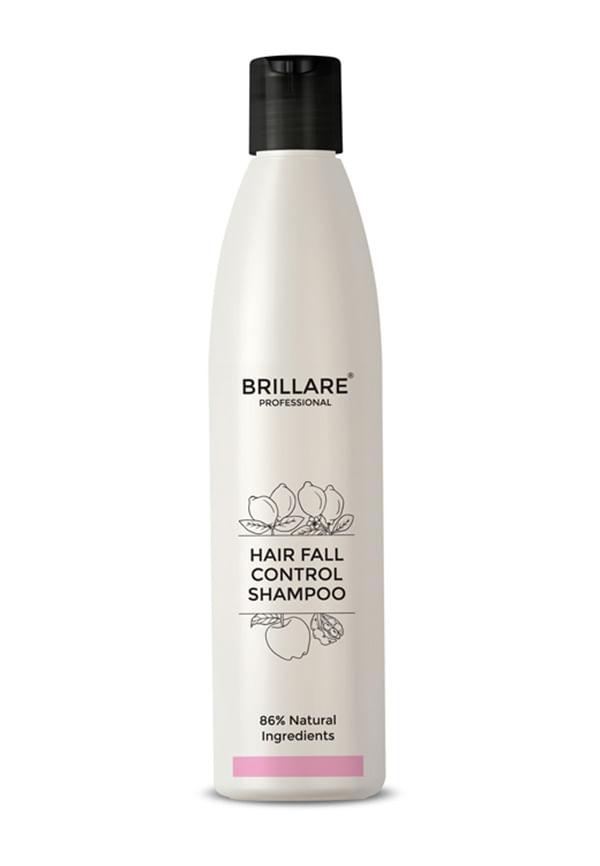
Shampoo To Reduce Seasonal Hair Fall
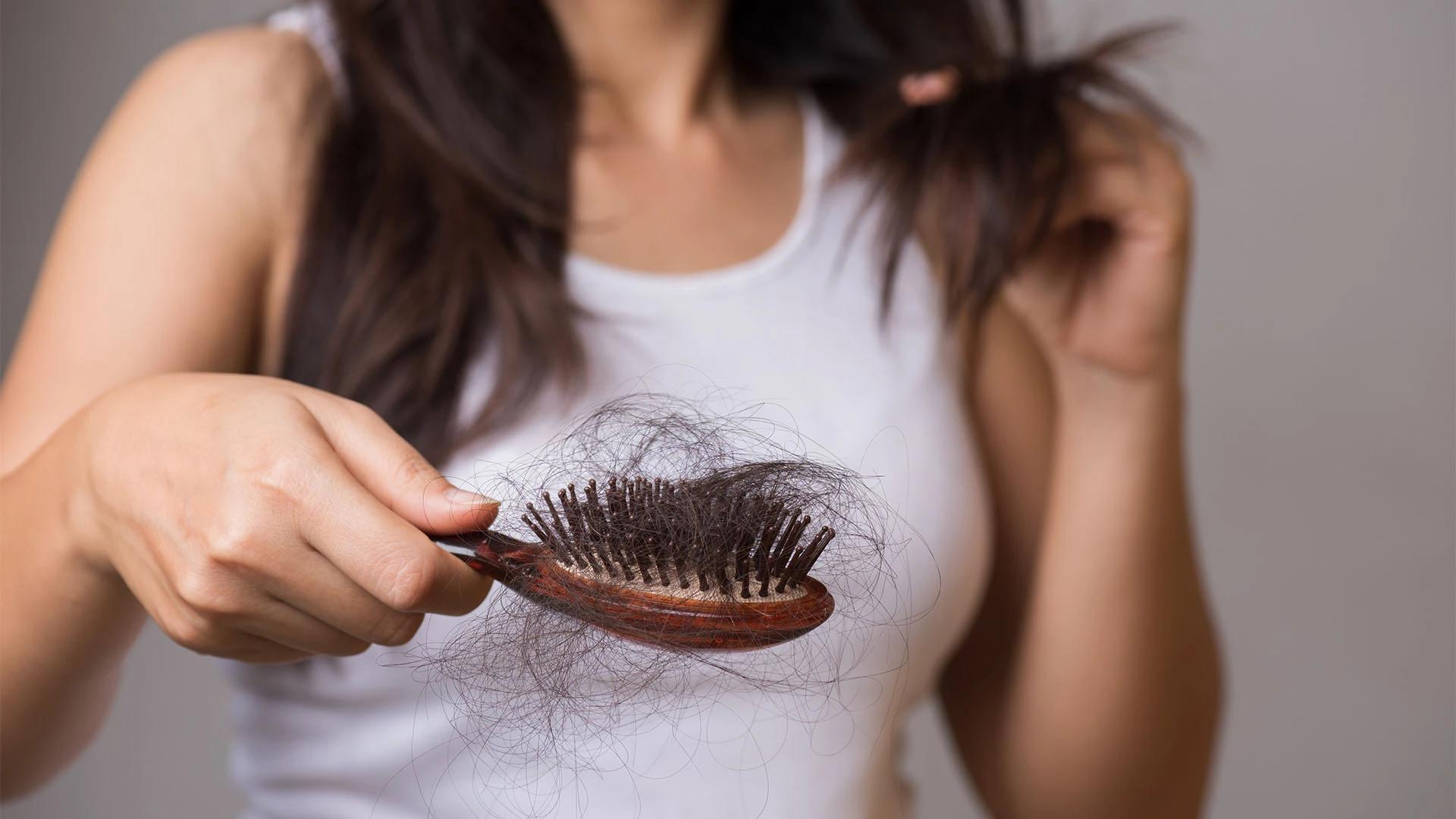
You're standing in the shower, watching clumps of hair swirl down the drain, and that familiar panic sets in. Is this normal postpartum shedding, or has the monsoon season turned your scalp into a hair-loss battleground? If you've recently had a baby or you're dealing with the humid chaos of monsoon months, you're probably wondering why your hair seems to have its own agenda. Let's break down what's actually happening up there and figure out whether you're dealing with hormonal havoc or weather-related woes.
Real talk: not all hair fall is created equal. When you're trying to figure out whether your hair loss is postpartum-related or monsoon-induced, understanding the root causes makes all the difference. Postpartum hair loss, medically known as telogen effluvium, happens because of dramatic hormonal shifts after childbirth. During pregnancy, elevated oestrogen levels keep your hair in the growth phase longer than usual, which is why many women experience thicker, more luscious hair during those nine months.
Once you deliver, those hormone levels plummet faster than your energy levels with a newborn. This sudden drop pushes a large number of hair follicles into the resting phase simultaneously, leading to noticeable hair shedding about three to four months later. It's your body's way of hitting the reset button, and while it feels alarming, it's completely normal—affecting over 90% of new mothers.
Monsoon hair fall, on the other hand, is all about environmental factors. The increased humidity during monsoon season creates the perfect breeding ground for fungal infections on your scalp. Your hair follicles become weaker due to constant moisture exposure, and the lack of proper drying can lead to bacterial growth. The atmospheric pressure changes and increased pollution levels during monsoon months also contribute to hair fall. Unlike postpartum hair loss, which is driven by internal hormonal changes, monsoon hair fall is your hair's response to external environmental stressors.
If you're dealing with postpartum hair loss, knowing what to expect can help ease the anxiety. The timeline typically follows a predictable pattern, though individual experiences may vary based on factors like breastfeeding duration and overall health.
Around three to four months postpartum, you'll likely notice the initial signs of hair shedding. This is when those pregnancy hormones have finally settled, and your hair follicles start entering the resting phase. Don't panic if you're finding more hair on your pillow or in the shower drain—this is just the beginning of the process.
The peak hair loss period usually occurs between four to six months postpartum. This is when the shedding feels most intense, and you might notice your hairline receding or overall thinning, particularly around the temples and crown. If you're breastfeeding, this phase might extend slightly longer due to continued hormonal fluctuations.
Between six to nine months, you should start seeing a gradual reduction in hair shedding. New hair growth typically begins around this time, though the new strands might appear finer or different in texture initially. By the twelve-month mark, most women see significant regrowth and return to their pre-pregnancy hair density. However, if you're still experiencing excessive hair shedding beyond this timeframe, it's worth consulting a healthcare professional to rule out other underlying conditions.
Monsoon season brings its own unique set of hair challenges that are quite different from postpartum hair loss. The increased humidity levels during monsoon months can wreak havoc on your scalp's natural balance. When humidity levels rise above 60%, your hair shaft swells, making it more prone to breakage and fall.
The constant moisture in the air creates an ideal environment for fungal infections like dandruff and seborrheic dermatitis. These conditions weaken hair follicles and can lead to increased hair shedding. Additionally, the lack of sunlight during monsoon season can affect your body's vitamin D production, which plays a crucial role in hair follicle health.
Monsoon hair fall typically follows the weather pattern in your region. In most parts of India, this means increased hair shedding from June to September. Unlike postpartum hair loss, which affects the entire scalp uniformly, monsoon hair fall might be more concentrated in areas that remain damp longer, such as the nape of the neck or areas covered by scarves and hats.
The good news is that seasonal hair loss is usually temporary and resolves once the weather conditions improve. However, if you don't take proper care during monsoon months, the damage can extend beyond the season, leading to longer-term hair health issues.
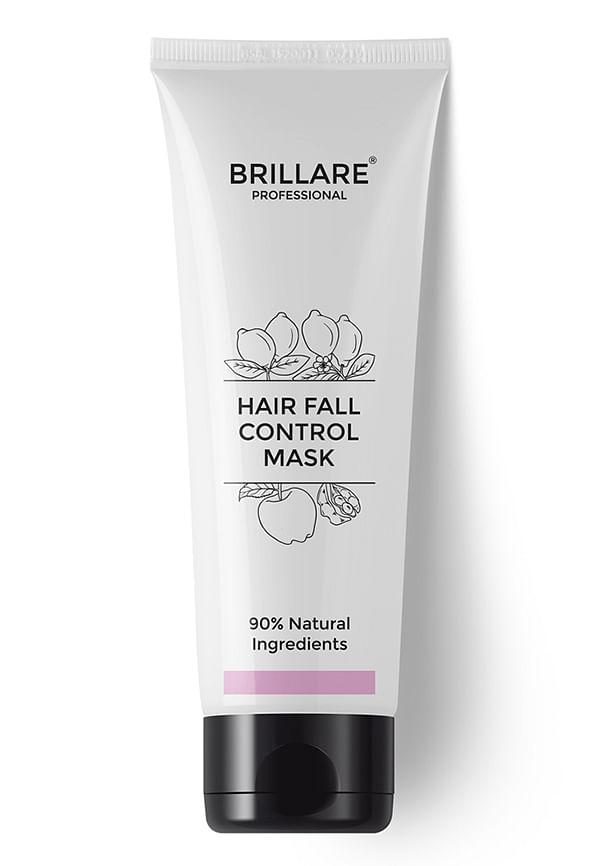
Conditioner To Reduce Seasonal Hair Fall
Understanding the key differences between these two types of hair fall can help you choose the right treatment approach and set realistic expectations for recovery.
The timing is perhaps the most obvious difference. Postpartum hair loss follows your hormonal cycle and typically begins three to four months after delivery, regardless of the season. Monsoon hair fall, however, is tied to weather patterns and usually coincides with the rainy season in your area.
Duration varies significantly between the two conditions. Postpartum hair loss can last anywhere from six to twelve months, with some women experiencing effects for up to eighteen months if they're breastfeeding. Monsoon hair fall is generally shorter-lived, lasting about three to four months during the peak monsoon season.
The severity and pattern of hair loss also differ. Postpartum hair loss tends to be more severe and follows a diffuse pattern, meaning you'll notice thinning all over your scalp, particularly around the hairline and temples. Monsoon hair fall is usually milder and presents as general shedding rather than specific pattern baldness.
Recovery patterns are distinct too. Postpartum hair loss recovery depends on your body's hormonal restoration, which happens gradually over months. Monsoon hair fall typically improves as soon as environmental conditions change, making it more immediately responsive to external treatments and care routines.
While the causes differ, there are effective remedies for both postpartum and monsoon hair fall. The key is understanding which treatments work best for your specific situation.
For postpartum hair loss, gentle scalp massage with oils like coconut, almond, or castor oil can improve blood circulation to hair follicles. Spend five to ten minutes massaging your scalp before washing your hair. A protein-rich diet is crucial during this time—include eggs, fish, lentils, and nuts in your meals to provide the building blocks for healthy hair growth.
Stress management is particularly important for new mothers dealing with hair loss. Practice relaxation techniques like deep breathing or gentle yoga when possible. Avoid tight hairstyles and harsh chemical treatments during the recovery period, as your hair is already fragile from hormonal changes.
For monsoon hair fall, focus on keeping your scalp clean and dry. Use antifungal shampoos containing ingredients like ketoconazole or zinc pyrithione if you notice dandruff or scalp irritation. Proper drying is essential—never leave your hair damp for extended periods, and consider using a blow dryer on cool settings if air drying isn't possible.
Universal remedies that work for both conditions include essential oils like rosemary and peppermint, which have been shown to stimulate hair growth. Nutritional supplements such as biotin, iron, and vitamin D can support overall hair health, but consult with a healthcare provider before starting any new supplements, especially if you're breastfeeding.
Creating the right haircare routine depends on whether you're dealing with postpartum or monsoon-related hair fall. Each condition requires a tailored approach to see the best results.
For postpartum haircare, prioritise gentle, sulfate-free shampoos that won't strip your already sensitive scalp. Wash your hair every other day or as needed, but avoid over-washing, which can exacerbate hair fall. Weekly deep conditioning treatments with natural ingredients like avocado, honey, or yogurt can help restore moisture and strength to your hair.
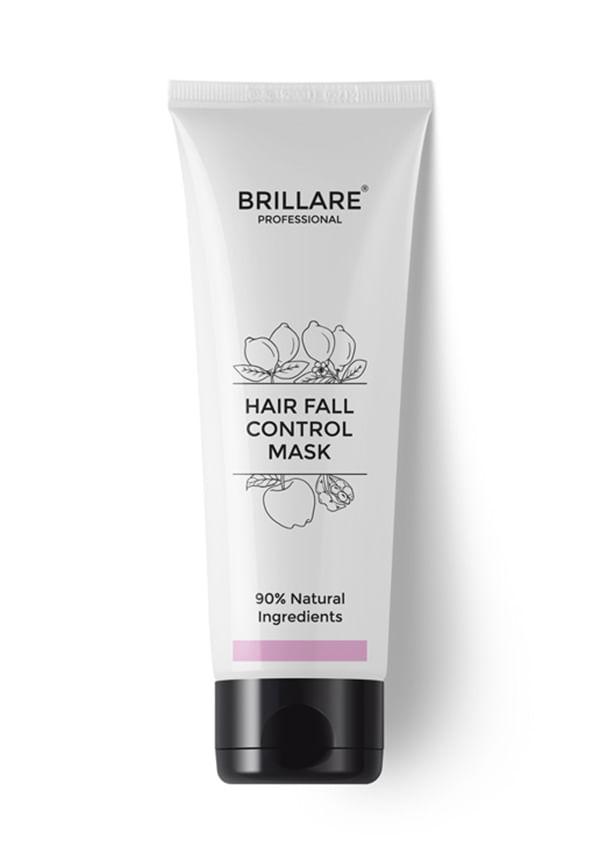
Hair Fall Control Mask To Reduce Seasonal Hair Fall
New mothers often struggle with time, so focus on protective hairstyles that require minimal manipulation. Loose braids, low ponytails, or silk scrunchies can help reduce breakage. Avoid heat styling tools when possible, and if you must use them, always apply a heat protectant first.
Monsoon haircare requires a different approach focused on moisture control and scalp health. You might need to wash your hair more frequently during monsoon season—every other day or even daily if you're prone to scalp infections. Use clarifying shampoos once a week to remove buildup from humidity and pollution.
Anti-humidity products like leave-in conditioners or hair serums can help protect your hair from moisture damage. Quick-dry techniques become essential during monsoon—towel dry gently, use microfiber towels to reduce friction, and ensure your hair is completely dry before stepping out or going to bed.
While both postpartum and monsoon hair fall are generally temporary conditions, there are times when professional intervention becomes necessary. Knowing when to seek help can prevent long-term damage and address underlying issues early.
For postpartum hair loss, consult a healthcare provider if you're still experiencing significant hair fall beyond twelve months postpartum, especially if you've stopped breastfeeding. Sudden, patchy hair loss or hair loss accompanied by other symptoms like fatigue, weight changes, or mood swings might indicate thyroid issues or other hormonal imbalances that require medical attention.
With monsoon hair fall, seek professional help if you notice persistent scalp infections, severe dandruff that doesn't respond to over-the-counter treatments, or if hair loss continues well beyond the monsoon season. Dermatologists can prescribe stronger antifungal treatments or identify other underlying scalp conditions.
Professional treatments like platelet-rich plasma (PRP) therapy, laser therapy, or prescription medications might be recommended for severe cases. These treatments can be particularly effective for postpartum hair loss that doesn't resolve naturally or for chronic monsoon-related scalp issues.
Postpartum hair loss typically peaks between four to six months after delivery. This timing coincides with when pregnancy hormones have fully stabilised and hair follicles enter the resting phase simultaneously. The peak can extend slightly longer if you're breastfeeding, as nursing maintains certain hormonal fluctuations that can prolong the hair loss period.
Most women see postpartum hair loss begin to slow down around six to nine months postpartum, with significant improvement by the twelve-month mark. However, complete recovery can take up to eighteen months, especially for women who breastfeed for extended periods. Signs of improvement include reduced daily hair shedding and the appearance of new, shorter hairs along the hairline.
Yes, many people experience increased hair fall during monsoon season due to high humidity levels, fungal infections, and reduced sunlight exposure. The moisture in the air weakens hair shafts, while the lack of proper drying creates conditions for scalp infections. Studies show that seasonal hair loss affects up to 60% of people during monsoon months in tropical climates.
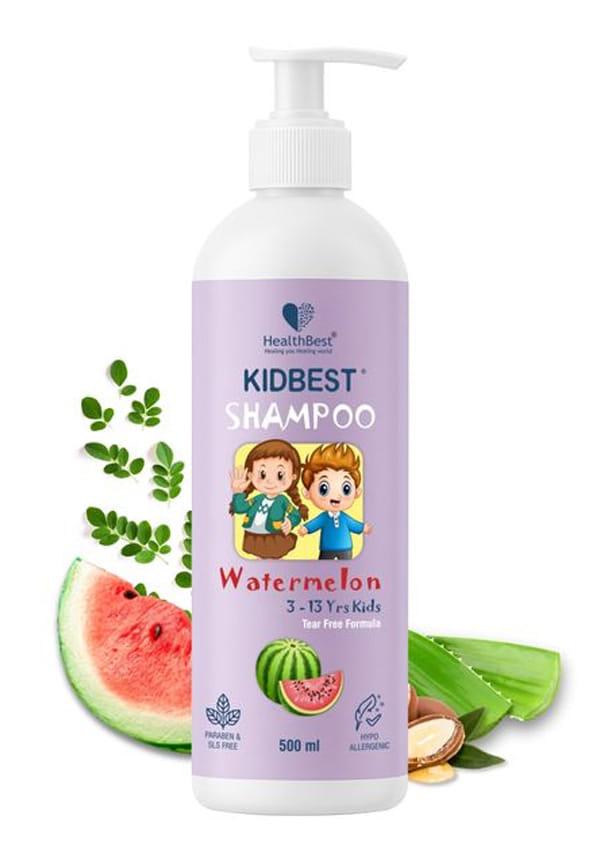
Hair Shampoo for Kids | Extra Nourishing | Dry & Damaged to normal Hair | Tear, Paraben, SLS free
Postpartum hair fall is completely normal and affects over 90% of new mothers. It's a natural response to hormonal changes after childbirth and doesn't indicate any underlying health problems. The hair you lose during this period is typically hair that was retained during pregnancy due to elevated hormone levels, so you're essentially returning to your pre-pregnancy hair density.
Effective home remedies for postpartum hair fall include regular scalp massage with warm coconut or almond oil, applying homemade hair masks with ingredients like egg whites, yogurt, and honey, and maintaining a protein-rich diet. Gentle handling of your hair, avoiding tight hairstyles, and managing stress through relaxation techniques can also help reduce hair fall naturally.
For postpartum hair fall, choose gentle, sulfate-free shampoos with nourishing ingredients like biotin, keratin, or natural oils. For monsoon hair fall, look for clarifying shampoos with antifungal properties containing ingredients like tea tree oil, ketoconazole, or zinc pyrithione. The key is matching the shampoo to your specific condition—hormonal vs environmental causes require different approaches.
Breastfeeding can prolong postpartum hair loss because it maintains certain hormonal fluctuations, particularly elevated prolactin levels. However, it doesn't necessarily make hair loss worse—it just extends the timeline for recovery. Many breastfeeding mothers notice improvement in hair growth once they wean or reduce nursing frequency.
During monsoon season, losing 100-150 hairs per day can be considered normal, compared to the usual 50-100 hairs daily. If you're losing significantly more than this or notice bald patches, it might indicate an underlying scalp condition that requires treatment. Keep track of your hair loss patterns to identify what's normal for you.
Hair growth supplements containing biotin, iron, vitamin D, and omega-3 fatty acids can support hair health during postpartum recovery, but they won't speed up the natural hormonal restoration process. These supplements are most effective when combined with a balanced diet and proper haircare routine. Always consult your healthcare provider before starting supplements while breastfeeding.
Monsoon hair fall is typically temporary and resolves once environmental conditions improve. However, if scalp infections are left untreated or if you consistently damage your hair during monsoon seasons, it can lead to longer-term hair health issues. Proper care during monsoon months and prompt treatment of scalp conditions can prevent permanent damage.
Understanding whether you're dealing with postpartum hair loss or monsoon hair fall is the first step towards effective treatment. While both conditions can feel overwhelming, remember that they're typically temporary and manageable with the right approach. Postpartum hair loss is a hormonal journey that requires patience and gentle care, while monsoon hair fall responds well to environmental adjustments and proper scalp hygiene.
The key is consistency in your haircare routine and realistic expectations about recovery timelines. Focus on nourishing your hair from within with a balanced diet, managing stress levels, and using appropriate products for your specific condition. Don't hesitate to seek professional help if your hair loss seems excessive or doesn't improve within expected timeframes.
If you're unsure which products might work best for your hair type and condition, exploring trial-size versions can be a smart approach. Smytten offers trial packs of various haircare products from trusted brands, letting you test different formulations before committing to full-size purchases—a practical way to find what works for your specific hair fall concerns without the guesswork.
