Postpartum Hair Fall in Women FAQ: Your Questions Answered

Hair Shampoo for Kids | Extra Nourishing | Dry & Damaged to normal Hair | Tear, Paraben, SLS free
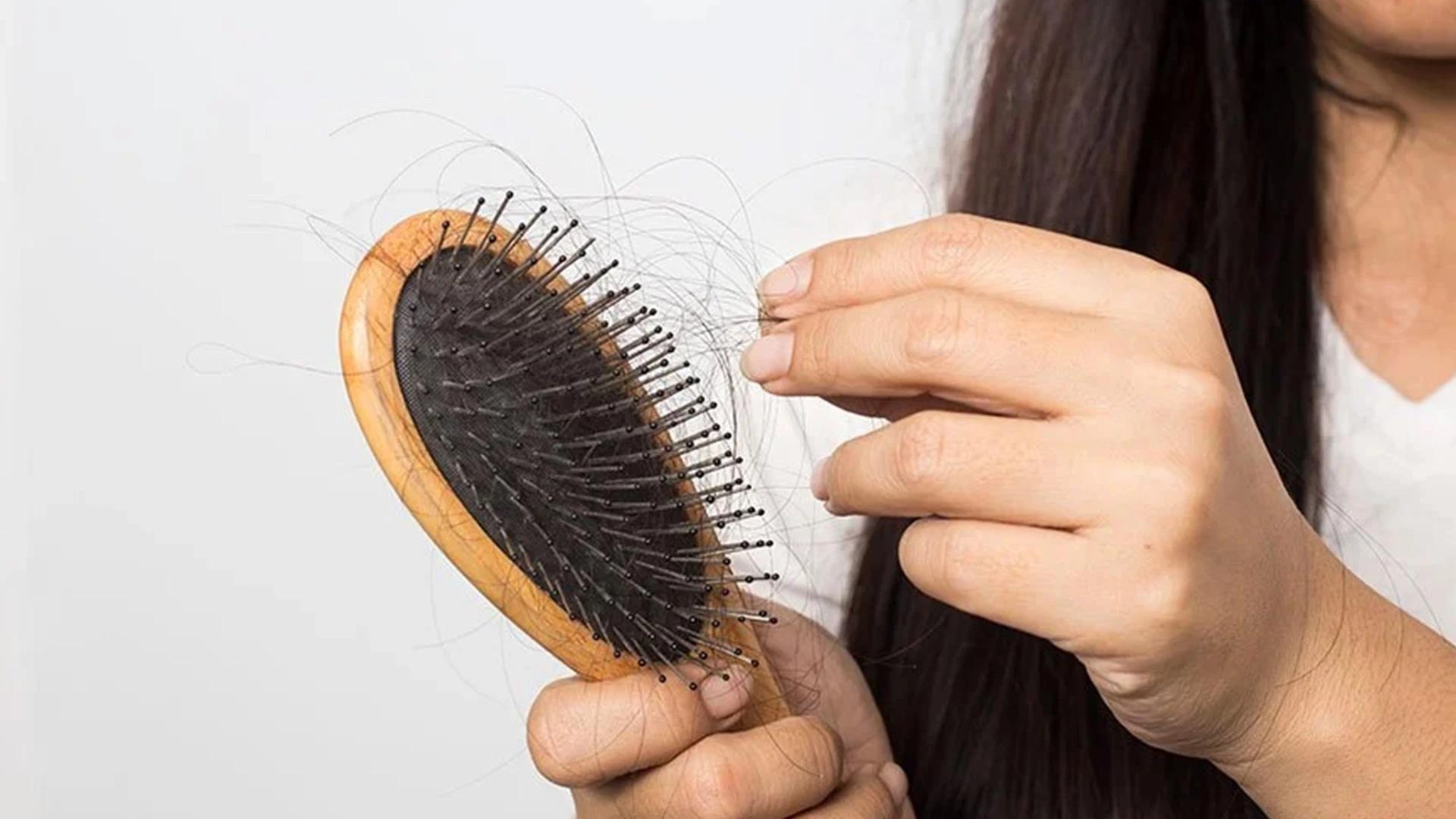
You've just welcomed your little one into the world, and now you're watching clumps of hair fall out every time you brush or wash it. Real talk—postpartum hair fall can feel absolutely terrifying when you're already navigating the whirlwind of new motherhood. One day you're admiring your pregnancy glow and thick hair, the next you're wondering if you'll need a wig. Let's dive into everything you need to know about hair loss after pregnancy, because understanding what's happening can make this phase so much less scary.
The short answer? Your hormones are having a proper meltdown, and your hair is just along for the ride. During pregnancy, elevated oestrogen levels basically put your hair in a state of suspended animation—keeping strands that would normally shed right where they are. Think of it as nature's way of giving you that gorgeous pregnancy hair everyone talks about.
But here's where it gets interesting. Once you give birth, those oestrogen levels plummet faster than your energy after a sleepless night with a crying baby. All those hairs that were hanging on during pregnancy suddenly get the memo that it's time to go. This isn't actually new hair loss—it's just your body catching up on all the shedding it missed during those nine months.
Your hair grows in three phases: anagen (growth), catagen (transition), and telogen (resting). During pregnancy, more hairs stay in the anagen phase thanks to those lovely hormones. Post-delivery, they all shift into telogen at once, creating what feels like a hair catastrophe but is actually just biology doing its thing.
Remember how amazing your hair looked during pregnancy? That wasn't just in your head. You genuinely had more hair because the normal shedding process was on pause. Now your scalp is playing catch-up, and unfortunately, it all happens at once rather than gradually.
Most women notice postpartum hair shedding starting around three to four months after delivery. This timing isn't random—it's exactly when those pregnancy hormones have fully left your system and your hair growth cycle resets. The peak shedding usually happens between months four and six postpartum.
The good news? This phase typically lasts about three to six months. By your baby's first birthday, most women see their hair returning to its pre-pregnancy state. However, some factors can extend this timeline, and it's worth knowing what they are.
Expect the heaviest shedding between months three and six postpartum. You might notice more hair in your brush, on your pillow, or going down the shower drain. This can feel alarming, but remember—you're not losing more hair than normal, you're just losing it all at once.
Breastfeeding can prolong hair shedding because it keeps certain hormone levels suppressed. Nutritional deficiencies, chronic stress, and lack of sleep (hello, new parent life) can also slow down recovery. If you're still experiencing significant hair loss after 12 months, it might be time to chat with a healthcare professional.
Maternity Panty for Extra Heavy Flow | New Mom Maternity Underwear | Postpartum Diapers
Yes, your hair will grow back. This isn't permanent hair loss—it's temporary shedding. However, some women notice their hair texture or thickness feels different than before pregnancy. This is completely normal and often settles down as your hormones stabilise.
During regrowth, you might notice lots of short, wispy hairs around your hairline. These "baby hairs" can be frustrating to style, but they're actually a great sign that your hair is recovering. Some women find their hair grows back curlier, straighter, or with a different texture than before—pregnancy can genuinely change your hair permanently, though this isn't related to the temporary shedding phase.
New growth typically becomes noticeable around six to twelve months postpartum. You'll start seeing less hair in your brush and more tiny hairs sprouting around your hairline. Be patient with this process—hair grows slowly, about half an inch per month.
You'll know things are improving when daily shedding decreases to normal levels (about 50-100 hairs per day), and you start spotting new growth around your temples and crown. Your ponytail might feel thicker again, and styling becomes easier.
While you can't completely stop postpartum hair shedding (it's a natural process), you can support your hair's health during this phase and potentially speed up recovery. The key is being gentle with your hair while ensuring your body has all the nutrients it needs for healthy regrowth.
Focus on scalp health, gentle handling, and proper nutrition. Avoid harsh treatments, tight hairstyles, and excessive heat styling during this vulnerable period. Your hair is already stressed from hormonal changes—don't add mechanical stress on top of it.
If hair loss seems excessive or continues beyond 12 months, consider consulting a dermatologist. They might recommend topical treatments like minoxidil or suggest blood tests to check for nutritional deficiencies or thyroid issues. Iron deficiency is particularly common in new mothers and can worsen hair loss.
Gentle scalp massage can improve circulation and potentially support healthy growth. Natural oils like coconut, argan, or jojoba can help condition both scalp and hair. Avoid tight ponytails, harsh brushing when wet, and chemical treatments during the peak shedding phase.
Postpartum Belt After Delivery, S- XL| Abdominal Binder After C Section
Your haircare routine needs to be as gentle as possible during postpartum hair shedding. This means washing less frequently (every 2-3 days instead of daily), using sulphate-free shampoos, and being extra careful when detangling. Think of your hair as delicate silk rather than sturdy rope.
Choose products specifically formulated for thinning or fragile hair. Look for ingredients like biotin, keratin, and gentle cleansers that won't strip your scalp. Avoid heavy styling products that might weigh down already-fragile strands.
Keep it simple: gentle shampoo, lightweight conditioner, and minimal styling. Use a wide-tooth comb on wet hair, starting from the ends and working up. Air-dry when possible, and if you must use heat, always apply a heat protectant first.
Focus on protein-rich foods, iron, vitamin D, and B vitamins. If you're breastfeeding, continue taking prenatal vitamins. Stay hydrated, manage stress where possible, and try to get adequate sleep (easier said than done with a newborn, we know).
While postpartum hair shedding is normal, certain signs warrant professional attention. If you notice bald patches, hair loss continuing beyond 12 months postpartum, or if the shedding seems excessive even for postpartum standards, it's time to see a healthcare provider.
Other red flags include scalp irritation, pain, or if you're losing hair in unusual patterns. Sometimes postpartum hair loss can unmask underlying conditions like androgenetic alopecia or thyroid disorders that need specific treatment.
Seek help if you develop bald spots, experience scalp tenderness, or notice hair loss in a male-pattern (receding hairline, crown thinning). These aren't typical of normal postpartum shedding and might indicate other issues.
Dermatologists can offer treatments like topical minoxidil, prescription supplements, or advanced therapies like platelet-rich plasma (PRP) injections. They'll also rule out other causes of hair loss that might be contributing to your symptoms.
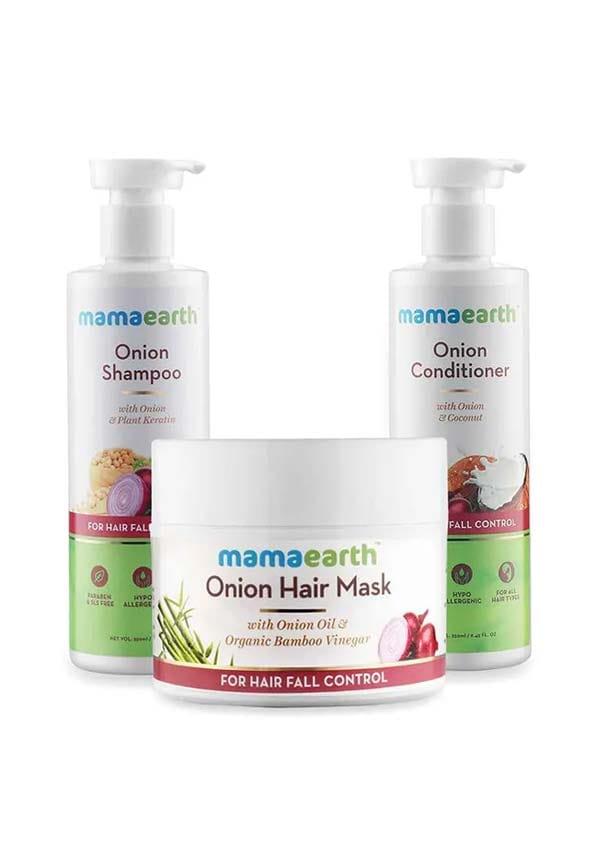
Ultimate Hair Fall Care Range, for Hair Fall Control
Breastfeeding can prolong hair shedding because it maintains lower oestrogen levels. However, it doesn't make the hair loss more severe—just potentially longer-lasting. Many women notice improvement once they wean or reduce breastfeeding frequency.
It's best to avoid harsh chemical treatments during peak shedding. Your hair is already fragile, and chemical processing can cause additional breakage. If you must colour, opt for gentler options like semi-permanent dyes or highlights rather than all-over bleaching.
Most women experience similar patterns with each pregnancy, though the severity can vary. Some find it less noticeable with subsequent babies, while others experience more pronounced shedding. Every pregnancy affects your body differently.
You might lose 300-500 hairs per day during peak shedding, compared to the normal 50-100. While this sounds alarming, remember you're catching up on months of missed shedding. If you can see your scalp clearly or develop bald patches, consult a professional.
True postpartum hair loss is temporary and resolves on its own. However, if pregnancy has revealed underlying hair thinning conditions, treatments like minoxidil, hair transplants, or other medical interventions might be options to discuss with a dermatologist.
Absolutely. Chronic stress can push more hairs into the telogen (shedding) phase, potentially worsening postpartum hair loss. Managing stress through support systems, adequate rest, and self-care can help minimise this additional impact.
Postpartum hair fall is a completely normal part of the post-pregnancy journey that affects most new mothers. While it can feel overwhelming, understanding that it's temporary and biological can help ease the anxiety. Focus on gentle care, proper nutrition, and patience as your body recovers from the incredible feat of growing a human.
Remember that every woman's experience is different, and recovery timelines vary. What matters most is being kind to yourself during this phase and seeking professional help if anything seems outside the normal range. Your hair will recover, just like the rest of your body is recovering from pregnancy and childbirth.
If you're looking to experiment with different haircare products during your recovery journey, Smytten offers trial-size versions of many hair-strengthening and scalp-nourishing products. It's a gentle way to find what works for your changing hair without committing to full-size bottles during this transitional phase.
